
In the expansive and ever-evolving universe of digital entertainment, streaming services have fundamentally reshaped how we consume content. Among the titans of this industry stands Amazon Prime Video, a platform renowned for its vast library of movies, TV shows, and original programming. While many users are familiar with its subscription-based model, a lesser-understood but equally significant component is TVOD, or Transactional Video On Demand. This article will delve deep into what Prime Video TVOD is, how it functions, and its place in the broader technological landscape of digital media consumption, offering a professional, insightful, and engaging exploration for anyone navigating the complexities of modern streaming.

The Evolving Landscape of Digital Entertainment
The journey from traditional broadcast television to the current state of hyper-personalized streaming has been a rapid technological revolution. Understanding TVOD requires a brief look back at how we arrived at this digital crossroads.
From Linear TV to On-Demand Streaming
For decades, television consumption was a strictly linear affair. Viewers tuned in at specific times to watch programs dictated by broadcasters’ schedules. The advent of technologies like VCRs offered a rudimentary form of time-shifting, but it was the internet and subsequent broadband proliferation that truly democratized content access. Digital distribution channels began to emerge, first with downloadable files and later with the revolutionary concept of streaming, which allowed content to be played almost instantly without needing to download the entire file first. This shift empowered viewers with unprecedented control, moving from a “when it’s on” model to a “watch what you want, when you want” paradigm.
The Rise of Subscription Video On Demand (SVOD)
The most prominent face of this transformation has been Subscription Video On Demand (SVOD). Services like Netflix pioneered the model where, for a recurring monthly fee, subscribers gain unlimited access to a library of content. Amazon Prime Video, with its extensive catalog often bundled with Amazon Prime membership benefits, quickly became a formidable competitor in this space. SVOD offers immense convenience and perceived value, effectively replacing cable subscriptions for many households. Beyond SVOD, Advertising-Video On Demand (AVOD) platforms, like YouTube and various ad-supported free streaming services, provide content at no direct cost to the user, monetizing through advertisements. These models form the core pillars of the modern streaming ecosystem, each catering to different consumer preferences and economic models.
Demystifying TVOD: Transactional Video On Demand Explained
While SVOD and AVOD dominate much of the streaming conversation, TVOD represents a distinct and crucial segment of the digital video market, offering a different kind of flexibility and access.
How TVOD Differs from SVOD and AVOD
The fundamental difference lies in the monetization and access model.
-
SVOD (Subscription Video On Demand): Pay a recurring fee for unlimited access to a curated library. Think of it like an all-you-can-eat buffet for a fixed price.
-
AVOD (Advertising Video On Demand): Watch content for free, supported by advertisements. This is akin to traditional broadcast TV, but delivered online and on-demand.
-
TVOD (Transactional Video On Demand): Pay per piece of content, either to rent it for a limited time or to purchase it for indefinite access. This is similar to renting or buying a DVD or Blu-ray, but in a digital format.
TVOD offers a highly granular approach to content acquisition, allowing consumers to pay only for the specific titles they wish to watch, without committing to a larger subscription. This model is particularly appealing for new releases, premium content, or titles not available on subscription services.
The Core Mechanics of TVOD: Renting vs. Buying
Within the TVOD framework, there are typically two primary options for consumers:
-
Digital Rental: When you rent a title via TVOD, you gain access to watch it within a specific, limited timeframe. For example, a rental might give you 30 days to start watching the content, and once started, you might have 48 hours to finish watching it (or re-watch it as many times as you like within that 48-hour window). After this period, the content becomes inaccessible, requiring another rental if you wish to watch it again. This option is generally less expensive than purchasing and is ideal for movies you want to see once or twice.
-
Digital Purchase: When you buy a title through TVOD, you gain perpetual access to it within your digital library on the platform. This is often referred to as “Electronic Sell-Through” (EST). While you don’t receive a physical disc, you effectively “own” a digital license to stream or download the content whenever you wish, as many times as you like, on compatible devices. This option is pricier but offers long-term access and convenience, much like owning a physical copy without the clutter.
The underlying technology ensures that these digital licenses are securely tied to your user account, managing access rights, expiration dates for rentals, and perpetual ownership for purchases. This digital rights management (DRM) is a crucial technological component that prevents unauthorized sharing and ensures content creators are compensated.
Advantages for Viewers: Early Access & Ownership
TVOD provides distinct advantages for consumers. Perhaps the most significant is early access to new releases. Major studio films often become available for digital rental or purchase weeks, or even months, before they are included in subscription libraries. This allows viewers to watch blockbuster movies from the comfort of their homes much sooner than waiting for an SVOD release. Furthermore, the ownership aspect of digital purchases appeals to collectors and those who want guaranteed access to their favorite films and shows without concerns about content rotating in and out of SVOD libraries. It offers a sense of permanence in an otherwise transient streaming landscape.
Prime Video’s Embrace of the TVOD Model
Amazon Prime Video is unique in its strategic integration of both SVOD and TVOD, offering a comprehensive content ecosystem under one roof.
Integrating TVOD into an SVOD Ecosystem
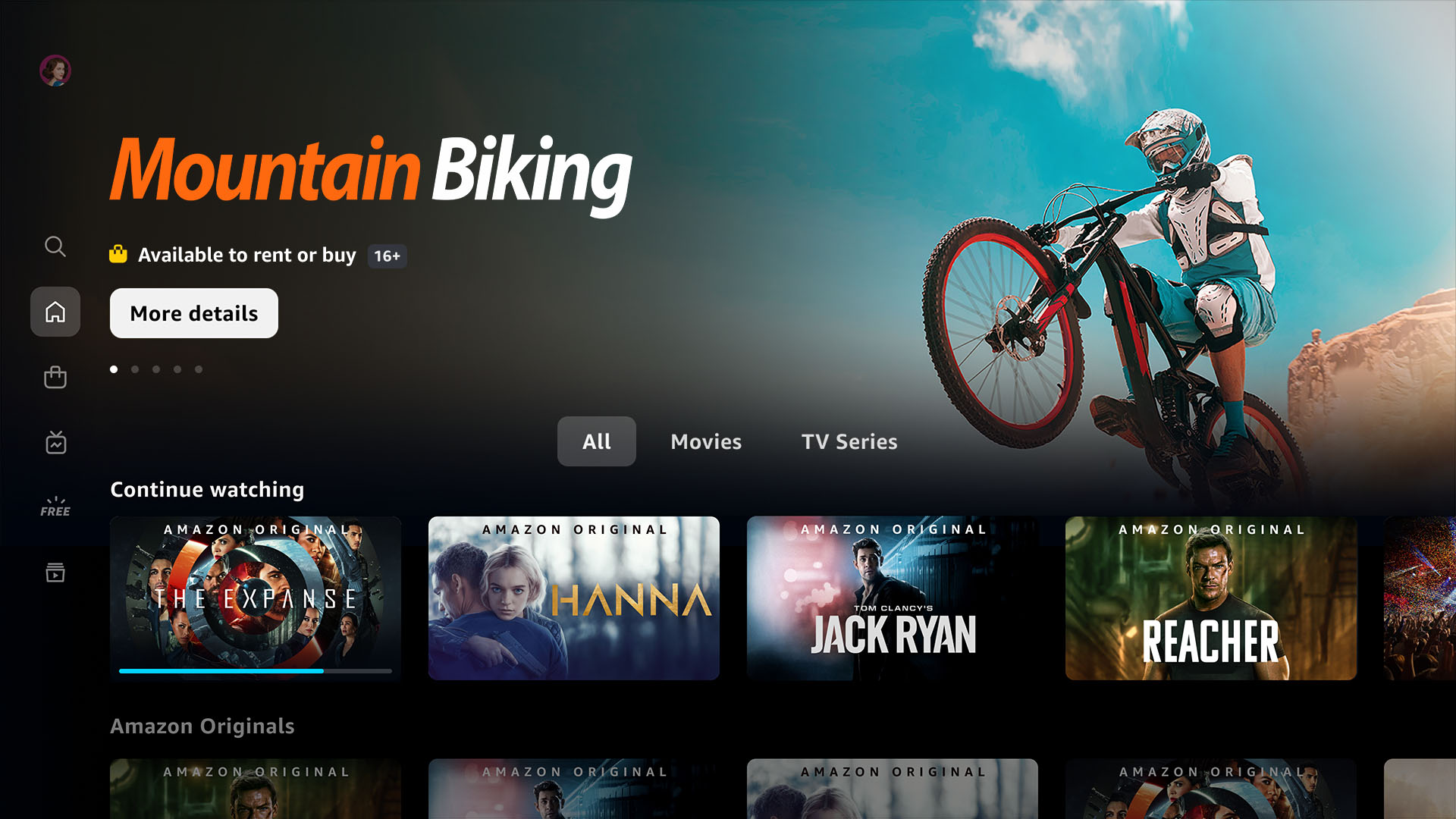
Amazon Prime Video seamlessly blends its extensive SVOD library (included with a Prime subscription) with a robust TVOD storefront. This hybrid approach caters to a broader spectrum of consumer preferences. Subscribers can enjoy the included content, but they also have the option to rent or buy thousands of other titles that are not part of their subscription, or that are newly released and only available via TVOD. This creates a powerful synergy: the SVOD acts as a gateway, bringing users into the Amazon ecosystem, while the TVOD storefront provides additional revenue streams and premium content access that enhances the overall platform’s value proposition. From a technological standpoint, this integration requires sophisticated content management systems that can differentiate between licensed SVOD content and individually purchasable TVOD content, applying the correct DRM and access rules based on the user’s transaction history and subscription status.
Navigating the Prime Video Store: Finding TVOD Content
The Prime Video interface is designed to make distinguishing between SVOD and TVOD content relatively clear. When browsing titles, users will often see indicators like “Included with Prime” for SVOD content, or “Rent” and “Buy” buttons with associated prices for TVOD titles. There’s usually a dedicated “Store” or “Shop” section within the Prime Video app or website where users can specifically browse titles available for rental or purchase. This section often highlights new releases, trending movies, and discounted titles available through TVOD. The search functionality also clearly distinguishes between available options, showing rental/purchase prices alongside subscription availability. This user experience design is critical to prevent frustration and guide users efficiently to their desired content model.
The Rationale Behind Amazon’s Hybrid Approach
Amazon’s decision to maintain a strong TVOD presence alongside its SVOD offering is strategic on multiple fronts. From a business perspective, it allows Amazon to capture revenue from premium content that might not be available for SVOD licensing or that commands a higher price point due to its recency or exclusivity. For content creators and distributors, Prime Video TVOD provides another valuable distribution channel, especially for day-and-date theatrical releases or titles that bypass cinemas entirely. Technologically, it leverages Amazon’s massive infrastructure and e-commerce expertise, treating digital video content much like any other product in its vast online marketplace. This hybrid model provides maximum flexibility for both content owners seeking distribution and consumers seeking choice, solidifying Prime Video as a comprehensive entertainment hub.
The Viewer Experience: Accessing and Enjoying Prime Video TVOD
Once a title is rented or purchased, the Prime Video platform ensures a consistent and high-quality viewing experience across various devices.
Rental Periods and Purchase Durability
Understanding the specifics of TVOD rentals and purchases is key to a smooth user experience.
-
Rentals: As mentioned, a typical rental grants you a window (e.g., 30 days) to initiate playback. Once you start watching, a shorter window (e.g., 48 hours) begins during which you can watch the content multiple times. These timeframes are strictly enforced by the platform’s DRM system, and users are usually clearly informed of these terms at the point of transaction.
-
Purchases: Purchased titles remain accessible indefinitely within your Prime Video library. This means you can stream them anytime, anywhere, as long as you have an internet connection and a compatible device logged into your Amazon account. In some cases, Prime Video also offers the option to download purchased titles for offline viewing, providing even greater flexibility, especially for travel or areas with limited connectivity. The technical infrastructure behind this ensures that your digital “ownership” is persistent and linked to your Amazon ID, making it independent of specific device storage or short-term access licenses.
Device Compatibility and Seamless Playback
A cornerstone of any successful streaming service is broad device compatibility. Prime Video TVOD content is accessible on virtually any device capable of running the Prime Video app or accessing the website. This includes:
-
Smart TVs (Samsung, LG, Sony, etc.)
-
Streaming Media Players (Amazon Fire TV, Roku, Apple TV, Google Chromecast)
-
Game Consoles (PlayStation, Xbox)
-
Mobile Devices (iOS and Android smartphones and tablets)
-
Web Browsers on Computers (Windows, macOS, Linux)
This ubiquitous access is powered by sophisticated encoding and adaptive bitrate streaming technologies. Content is encoded into various resolutions and bitrates, allowing the Prime Video player to dynamically adjust the stream quality based on the user’s internet speed and device capabilities, ensuring smooth playback with minimal buffering, from 4K HDR down to standard definition. This technological backbone is critical for delivering a consistent, high-quality experience across the diverse range of devices consumers use today.
Managing Your TVOD Library on Prime Video
Prime Video provides a dedicated “My Stuff” or “Library” section where all your rented and purchased content is neatly organized. This digital locker allows you to easily find titles you’ve acquired, track rental expiration dates, and initiate playback. For purchased content, this library acts as your personal digital collection, much like a physical media shelf. The platform’s robust account management system ensures that your purchases and rentals are securely linked to your Amazon account, making them accessible across all your registered devices. This centralized management simplifies the user experience, ensuring that digital content feels as tangible and easy to access as physical media.
The Future of TVOD in a Crowded Streaming Market
Despite the dominance of SVOD, TVOD continues to hold a vital position in the digital entertainment ecosystem, adapting to market changes and consumer demands.
Niche Content and Premium Releases
TVOD is particularly well-suited for niche content that might not appeal to a broad enough audience for a mass SVOD release but has a dedicated fanbase willing to pay a premium. This includes independent films, documentaries, or concert specials. More importantly, TVOD remains the primary avenue for premium early access to major Hollywood blockbusters and highly anticipated new releases. As the traditional theatrical window continues to shrink, or even disappear in some cases, TVOD offers a direct-to-consumer channel for studios to monetize their biggest titles soon after, or even concurrently with, theatrical release. This model is likely to persist and evolve, driven by studio desire for immediate revenue and consumer demand for instant access.
Bundling and Promotional Strategies
As the streaming market becomes more saturated, we may see more creative bundling and promotional strategies involving TVOD. This could include discounted rental/purchase prices for Prime subscribers, special “buy one, get one free” offers on older titles, or bundles where purchasing a movie also grants access to bonus features or digital soundtracks. Amazon, with its extensive e-commerce expertise, is well-positioned to innovate in this area, potentially tying TVOD purchases to other Amazon product promotions. Technologically, this would require flexible pricing and bundling engines capable of dynamic adjustments based on user profiles and promotional campaigns.

The Enduring Appeal of Direct Ownership
In an era where SVOD libraries constantly change – titles come and go as licensing agreements expire – the appeal of direct digital ownership through TVOD remains strong. Consumers who want guaranteed, perpetual access to their favorite films and TV shows will continue to rely on the purchase option. This sense of digital permanence offers peace of mind against content removal from subscription services. As streaming technology continues to advance, potentially offering higher fidelity audio and video experiences, the ability to “own” a master-quality digital copy will likely become even more valuable, ensuring TVOD’s continued relevance as a core component of the comprehensive digital entertainment experience offered by platforms like Prime Video.
aViewFromTheCave is a participant in the Amazon Services LLC Associates Program, an affiliate advertising program designed to provide a means for sites to earn advertising fees by advertising and linking to Amazon.com. Amazon, the Amazon logo, AmazonSupply, and the AmazonSupply logo are trademarks of Amazon.com, Inc. or its affiliates. As an Amazon Associate we earn affiliate commissions from qualifying purchases.