
In the fiercely competitive landscape of modern entertainment, cinema chains continually strive to differentiate themselves, offering unique experiences that transcend the traditional movie-watching model. One such strategic initiative by AMC Theatres, the world’s largest movie exhibition company, was the introduction of “Prime at AMC.” Far from being a mere buzzword, Prime at AMC represented a deliberate brand strategy designed to elevate the theatrical experience, cater to discerning audiences, and reinforce AMC’s position as a leader in cinematic innovation. This deep dive explores Prime at AMC not just as a feature, but as a critical element of AMC’s corporate identity and marketing blueprint, dissecting its genesis, brand elements, market positioning, and lasting legacy in the realm of premium entertainment.
The Genesis of “Prime”: A Strategic Imperative for AMC
The early 21st century witnessed a seismic shift in how consumers engaged with entertainment. The rise of sophisticated home theatre systems, vast streaming libraries, and the general fragmentation of attention spans posed a significant challenge to the traditional cinema model. For AMC, merely showing movies was no longer sufficient; they needed to offer something that home viewing couldn’t replicate, something that justified the journey out and the cost of a ticket. This realization became the bedrock for the development of “Prime.”
The Evolving Cinema Landscape and the Need for Differentiation
The film industry faced a dual threat: content accessibility at home and the increasing demand for unparalleled quality. Audiences, accustomed to high-definition screens and surround sound in their living rooms, began to expect more from a theatre. The standard cinema experience, once a marvel, risked becoming a commodity. To survive and thrive, AMC recognized the urgent need to carve out distinct value propositions. Differentiation wasn’t just about showing blockbusters; it was about creating an event. This strategic imperative led to a focused effort on designing experiences that offered tangible upgrades and an undeniable sense of luxury and immersion.
Identifying the Premium Market Segment
Within the broader audience, AMC identified a significant segment willing to pay a premium for an enhanced cinematic journey. These were individuals who sought not just to watch a film, but to experience it – to be fully enveloped by the sights and sounds, free from the distractions and limitations of home viewing. This segment valued comfort, cutting-edge technology, and a sense of exclusivity. Targeting this demographic was crucial for boosting average ticket prices, increasing concession sales, and fostering greater customer loyalty. “Prime” was conceived as the answer to these specific desires, a brand tailored to meet the sophisticated demands of the premium moviegoer.
AMC’s Vision for Elevated Entertainment
Prime at AMC was not an accidental development; it was the manifestation of a clear strategic vision: to elevate every aspect of the movie-going journey. This meant going beyond simply upgrading equipment. It involved a holistic approach to customer experience design, encompassing everything from the moment a patron considered purchasing a ticket to their departure from the theatre. The vision was to create a sanctuary where the narrative on screen was amplified by the environment, turning a simple film viewing into a memorable, immersive spectacle. It was about cementing AMC’s brand as the ultimate destination for cinematic excellence.
Deconstructing the “Prime at AMC” Brand Experience
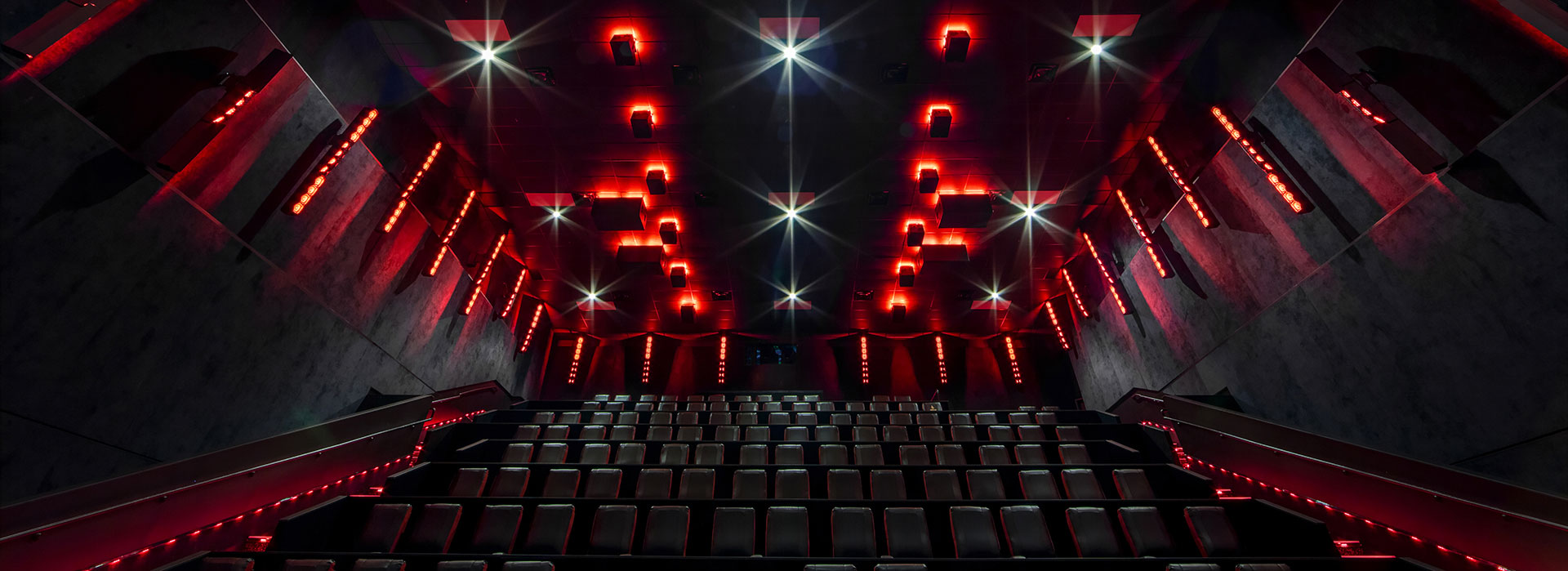
At its core, “Prime at AMC” was a branded premium large format (PLF) experience, a direct competitor to formats like IMAX and Dolby Cinema, but with its own distinct flavor. The brand promise of “Prime” hinged on delivering a superior audiovisual presentation coupled with an elevated level of comfort.
Signature Features: Beyond Standard Screening
The “Prime” experience was meticulously designed around several key pillars. Technologically, it boasted large-format screens, often significantly larger than standard auditorium screens, providing a more expansive visual field. The audio component was critical, featuring advanced surround sound systems, frequently incorporating technologies like Dolby Atmos or similar immersive audio solutions that placed sound objects precisely within the space, rather than just delivering channel-based audio. This created a truly enveloping soundscape that made explosions rumble through the seats and whispers seem to emanate from directly beside the viewer. High-end digital projection, often capable of higher brightness and contrast ratios, ensured a pristine and vibrant image. These technical specifications were not merely upgrades; they were carefully selected and integrated to create a unified sensory impact, forming the technological backbone of the Prime brand.
Curating Comfort and Technology for Immersion
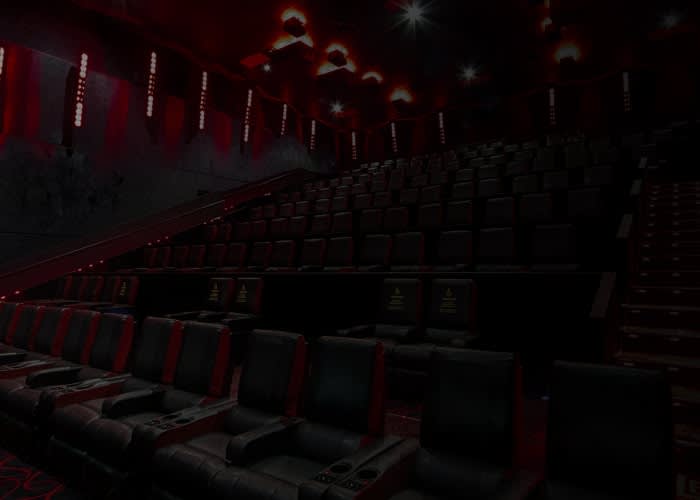
Beyond the technical prowess, Prime at AMC emphasized unparalleled comfort. This was typically manifested through plush, oversized reclining seats, often with power recline and ample legroom. These weren’t just chairs; they were ergonomically designed cocoons intended to enhance relaxation and reduce fatigue during longer films. Some iterations even included reserved seating, adding to the sense of exclusivity and convenience. The combination of cutting-edge technology and supreme comfort was deliberate. The goal was to remove all external distractions and physical discomfort, allowing the audience to be completely absorbed by the film unfolding before them. This curated environment was a core tenet of the Prime brand, promising not just a movie, but a truly immersive escape.
The Perceptual Value: Justifying a Premium Price Point
Marketing “Prime” required more than just listing features; it demanded the articulation of value. The premium price associated with a Prime ticket was justified by the promise of an experience unattainable elsewhere – a blend of luxury, cutting-edge technology, and unparalleled immersion. AMC’s brand strategy here was to position Prime not as an optional add-on, but as the definitive way to see certain films. The enhanced comfort and technological superiority were translated into a direct benefit: a more impactful, memorable, and enjoyable cinematic journey. This perceptual value was crucial in convincing consumers that the higher cost was a worthwhile investment for a truly superior entertainment experience, distinguishing it from standard showings and even other premium formats.
“Prime” in AMC’s Broader Brand Portfolio
AMC Theatres operates a complex ecosystem of movie-going experiences. “Prime” didn’t exist in a vacuum; it was strategically positioned within a larger brand portfolio that included other premium formats and specialized offerings. Understanding its place is key to appreciating AMC’s overarching brand architecture.
Positioning Alongside IMAX, Dolby Cinema, and Dine-In
AMC’s premium offerings include internationally recognized brands like IMAX and Dolby Cinema, each with its own specific technological hallmarks and brand loyalties. IMAX is famous for its massive screens and specialized projection, while Dolby Cinema blends superior image quality (Dolby Vision) with immersive sound (Dolby Atmos) and signature comfort. Then there are AMC’s proprietary “Dine-In” theatres, focusing on a full food and beverage service delivered to the seat.
“Prime at AMC” was strategically positioned to either complement or act as an alternative to these established formats. In some instances, Prime might incorporate elements of Dolby Atmos, blurring lines, but its branding often emphasized AMC’s direct stewardship over the experience, giving it a unique “homegrown premium” feel. It allowed AMC greater flexibility in tailoring the experience and branding without the licensing constraints of third-party formats. The goal was to ensure that regardless of a patron’s preference – be it maximum screen size, ultimate picture/sound fidelity, or an all-inclusive dining experience – AMC had a premium option branded and delivered to meet that specific desire.
Target Audience and Market Segmentation
The existence of multiple premium formats allowed AMC to further segment its market. While there might be some overlap, “Prime” often appealed to those seeking a balanced, high-quality experience with superior comfort, without necessarily prioritizing the singular defining characteristic of an IMAX (sheer scale) or Dolby Cinema (specific visual/audio tech stack). It targeted the cinephile who appreciated a refined viewing environment and who was willing to pay extra for a consistently excellent, comfortable, and immersive experience that was distinctly “AMC.” This strategic segmentation ensured that AMC could capture a wider array of premium customers, each drawn to a specific aspect of its diverse brand offerings.
Enhancing Corporate Identity: Innovation and Quality Assurance
The introduction and continuous refinement of “Prime at AMC” played a significant role in enhancing AMC’s overall corporate identity. It positioned the company not merely as a venue for showing films, but as an innovator committed to pushing the boundaries of the theatrical experience. By investing in and branding its own premium format, AMC demonstrated a dedication to quality assurance and a proactive approach to evolving consumer expectations. It communicated a message of leadership within the exhibition industry, signaling that AMC was at the forefront of delivering cinematic excellence. This contributed to a stronger, more modern brand perception, reassuring both customers and investors of AMC’s commitment to staying relevant and valuable in a dynamic entertainment market.
Marketing “Prime”: Communicating Value and Exclusivity
Effective marketing was paramount to the success of “Prime at AMC.” It wasn’t enough to build a superior theatre; AMC had to effectively communicate its unique value proposition and foster a desire for the “Prime” experience. This involved a multi-faceted approach, crafting narratives that resonated with the target audience.
Crafting the Narrative: From Concept to Consumer Perception
The marketing narrative for “Prime at AMC” focused on transformation. It wasn’t just about watching a movie; it was about stepping into another world, where every detail was optimized for maximum impact. Messaging emphasized the sensory overload – the booming bass, the crystal-clear visuals, the luxurious recliners – all designed to remove the viewer from their daily life and plunge them deep into the film’s narrative. Words like “immersive,” “ultimate,” “unforgettable,” and “elevated” became staples in the promotional lexicon. The brand story highlighted the deliberate design and technological investment, positioning “Prime” as a premium choice for those who sought the very best in cinema, turning a mere screening into an event to look forward to.
Digital and In-Theatre Marketing Strategies
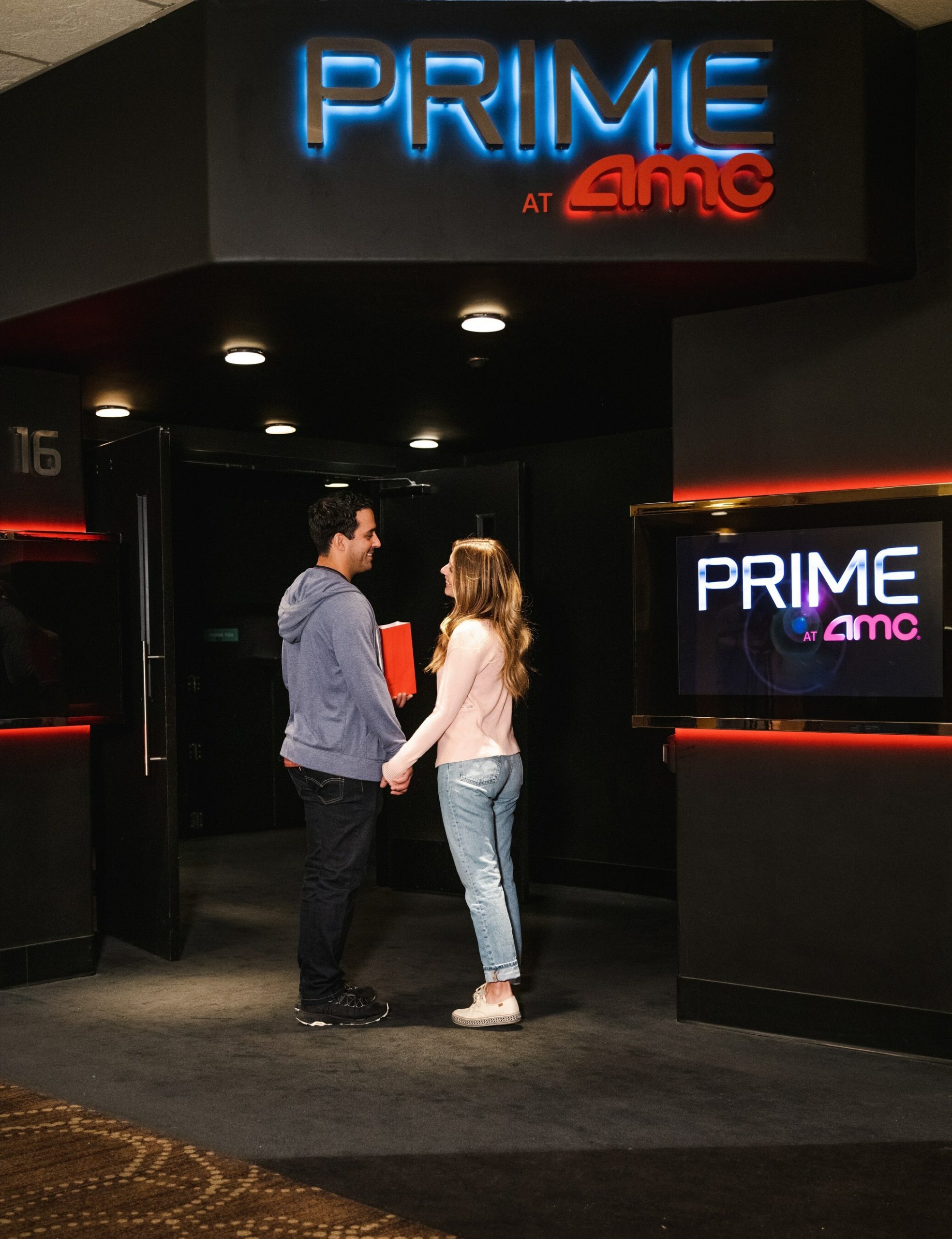
AMC utilized a comprehensive marketing mix to promote “Prime.” Digitally, this included prominent placement on its website and mobile app, featuring high-quality visuals and videos showcasing the comfortable recliners and impressive screens. Targeted email campaigns and social media advertising reached potential customers, highlighting specific blockbusters best experienced in “Prime.” In-theatre, the branding was unmistakable: dedicated “Prime” signage, lobby displays, and pre-show advertisements that visually and audibly demonstrated the experience’s superiority. Staff were often trained to upsell “Prime” tickets, explaining the benefits with enthusiasm. This integrated approach ensured consistent messaging across all touchpoints, reinforcing the “Prime” brand identity and its value proposition.
Customer Feedback and Brand Evolution
Crucially, AMC didn’t just market “Prime” and leave it static. The brand was subject to continuous evaluation and evolution based on customer feedback and market trends. Post-experience surveys, social media sentiment analysis, and box office performance data informed adjustments to pricing, feature sets, and even the eventual integration or rebranding of “Prime” features into newer premium offerings like AMC’s own Dolby Cinema locations or “Dine-In” formats. This adaptive strategy allowed AMC to keep its premium brand offerings fresh and relevant, demonstrating a commitment to not just meeting, but exceeding, customer expectations over time. This responsiveness is a hallmark of strong brand management, ensuring long-term viability and customer loyalty.
The Legacy and Future of Premium Experiences at AMC
While the specific “Prime at AMC” branding might have evolved or been integrated into other premium formats over time, its impact on AMC’s brand strategy and the broader cinema landscape is undeniable. It paved the way for a persistent focus on quality and differentiation.
Adapting to Market Shifts and Consumer Demands
The entertainment industry is in a constant state of flux. What constitutes “premium” today might be standard tomorrow. AMC’s experience with “Prime” taught valuable lessons about the need for agility and continuous innovation. As technology advanced and competitors introduced their own enhanced formats, AMC had to adapt. This meant not resting on the laurels of “Prime” but evolving its premium strategy, sometimes integrating the best features of “Prime” into newer, more advanced partnerships (like expanding Dolby Cinema footprints) or refining its own in-house offerings. The “Prime” philosophy – providing a superior, immersive, and comfortable experience – became embedded in AMC’s DNA, guiding subsequent decisions in facility upgrades and new service introductions.
The Enduring Impact of “Prime” on AMC’s Brand Strategy
Even if the “Prime at AMC” nomenclature is less prevalent today as a distinct brand, its conceptual legacy endures. It solidified AMC’s commitment to premiumization as a core brand strategy. It demonstrated that audiences are willing to pay more for a significantly enhanced experience, thereby validating the investment in high-end technology and luxurious amenities. “Prime” established a precedent for AMC to continuously seek ways to differentiate itself from home entertainment and competing theatres, forever raising the bar for what a night at the movies could and should be. It instilled a culture within AMC of viewing the cinema visit as a complete experience, not just a transaction.
Paving the Way for Future Innovations in Cinema
“Prime at AMC” was a significant chapter in the ongoing narrative of cinema innovation. It was a testament to AMC’s understanding that the future of theatrical exhibition lies in creating unmatched experiences. The principles that underpinned “Prime”—advanced technology, unparalleled comfort, and immersive design—continue to inform AMC’s strategic decisions regarding new theatre builds, renovations, and partnerships. As virtual reality, augmented reality, and even more sophisticated haptics begin to flirt with the entertainment space, the groundwork laid by initiatives like “Prime” ensures that AMC is prepared to explore and integrate future technologies, maintaining its brand promise of delivering the ultimate escape into the magic of movies. “Prime at AMC” thus stands as a powerful case study in how a brand can strategically elevate its core offering to meet and shape consumer expectations in a dynamic market.
aViewFromTheCave is a participant in the Amazon Services LLC Associates Program, an affiliate advertising program designed to provide a means for sites to earn advertising fees by advertising and linking to Amazon.com. Amazon, the Amazon logo, AmazonSupply, and the AmazonSupply logo are trademarks of Amazon.com, Inc. or its affiliates. As an Amazon Associate we earn affiliate commissions from qualifying purchases.