
Priceline, officially part of Booking Holdings Inc., is far more than just another online travel agency (OTA); it stands as a cornerstone in the digital travel landscape, a testament to innovative brand strategy and persistent market adaptation. At its core, Priceline carved out its identity by empowering consumers with a unique degree of control over travel pricing, fundamentally altering the way millions approached booking flights, hotels, rental cars, and vacation packages. Understanding “what is Priceline” from a brand perspective involves delving into its pioneering spirit, its evolving market positioning, its distinctive consumer propositions, and its enduring influence on the travel industry’s corporate identity.
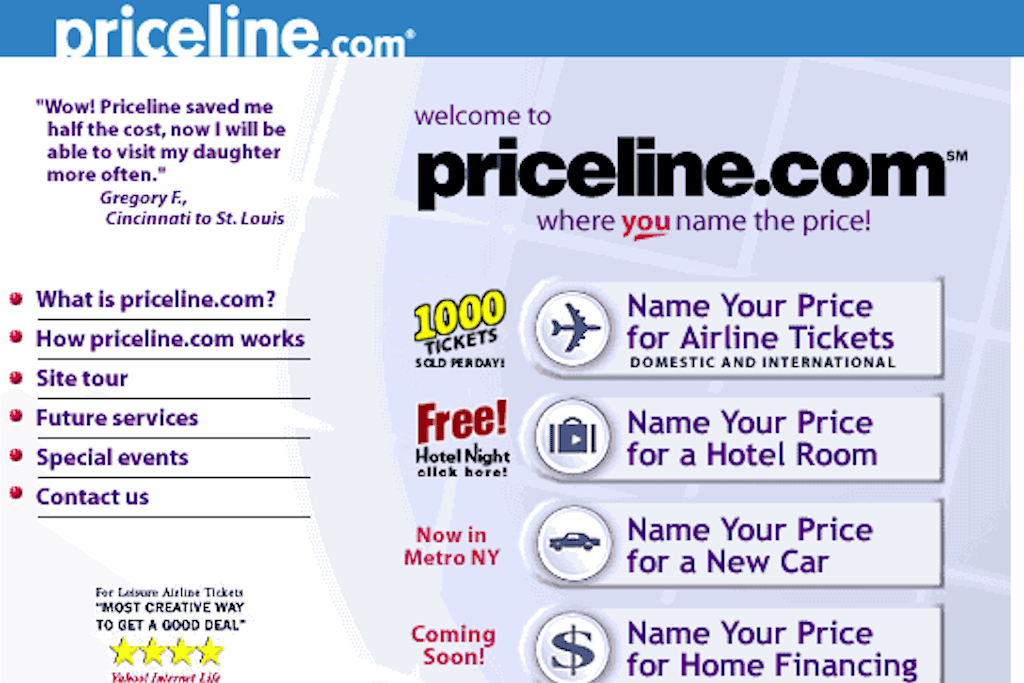
Initially launched with a revolutionary “Name Your Own Price” model, Priceline captured public imagination and established a brand synonymous with value and savvy travel. This distinctive approach not only differentiated it from competitors but also cultivated a powerful brand narrative centered on consumer empowerment. Today, while its offerings have diversified, the essence of its brand continues to resonate through its focus on deals, flexibility, and a comprehensive suite of travel services. As a brand, Priceline embodies a journey from disruptor to established leader, consistently navigating shifts in technology, consumer behavior, and competitive pressures to maintain its prominent corporate identity within the global travel market.
The Genesis and Evolution of a Trailblazing Brand
The story of Priceline’s brand begins not with a conventional service offering but with a truly disruptive concept that challenged the established norms of the travel industry. Launched in 1998, at the dawn of the internet age, Priceline introduced a novel value proposition that immediately captured consumer attention and began to forge its unique brand identity.
The Pioneering “Name Your Own Price” Model
At the heart of Priceline’s initial brand strategy was the audacious “Name Your Own Price” (NYOP) model. This innovative bidding system allowed customers to submit a desired price for flights, hotels, or rental cars, with Priceline then attempting to match these bids with inventory from travel providers who wished to fill unsold capacity discreetly. This was a game-changer. For the consumer, it represented an unprecedented opportunity to secure significant discounts, fostering a sense of control and smart shopping. For the travel providers, it offered a channel to monetize perishable inventory without publicly devaluing their brand.
The NYOP model wasn’t just a feature; it was the entire foundation of Priceline’s early brand. It created immense buzz, generated significant media attention, and rapidly positioned Priceline as the go-to brand for bargain hunters and adventurous travelers. This period was characterized by iconic marketing campaigns, often featuring spokesperson William Shatner, which reinforced the brand’s image as innovative, slightly unconventional, and highly effective at delivering value. The brand promise was clear: unlock hidden deals by taking a leap of faith. This daring approach cultivated a strong, memorable brand persona that stood out vividly in a nascent online market.
Expanding Horizons and Diversifying Brand Portfolio
While the NYOP model built Priceline’s initial fame, the brand understood the need for evolution to ensure long-term sustainability and broader market appeal. The inherent limitations of NYOP—primarily the lack of choice in specific providers or itineraries—meant that the brand had to diversify its offerings. Priceline began to introduce more traditional booking models, allowing customers to choose specific flights, hotels, and rental cars at advertised prices. This strategic shift broadened its target audience beyond just the “deal-seeker” and allowed it to compete directly with other OTAs.
Crucially, Priceline’s corporate parent, then known as the Priceline Group and later rebranded as Booking Holdings Inc., embarked on an aggressive strategy of acquisitions. This saw the integration of powerhouse brands like Booking.com, Kayak, Agoda, and OpenTable into its portfolio. While each of these brands maintained its distinct identity and market focus, the overarching corporate umbrella provided a robust ecosystem. For the Priceline brand itself, this meant leveraging shared technologies and market insights, while still maintaining its unique positioning around deals and last-minute savings. The evolution from a single-product disruptor to a multi-faceted travel portal under a diversified corporate entity demonstrates a sophisticated understanding of brand architecture and market dynamics. It allowed the Priceline brand to retain its core identity while benefiting from the scale and reach of its parent company’s global network.
Priceline’s Distinctive Brand Proposition and Customer Experience
Priceline’s brand appeal has always been rooted in its clear value proposition, carefully crafted to resonate with specific consumer needs. While the market has grown crowded, Priceline continues to differentiate itself through its approach to offering deals and its efforts to build a seamless customer journey.
Unpacking the Value Proposition for Consumers
At its core, Priceline’s brand promise to the consumer revolves around value and convenience. The evolution from the exclusive “Name Your Own Price” model led to a more comprehensive offering, yet the brand has consistently emphasized its ability to deliver competitive prices. This is achieved through various mechanisms:
- Express Deals: This iteration of the opaque pricing model allows customers to see significant discounts on hotels, rental cars, and flights, with the exact brand or airline revealed only after purchase. It’s a modern, refined version of the NYOP concept, maintaining the thrill of a hidden deal while offering more transparency than its predecessor (e.g., revealing star ratings, general location). This maintains Priceline’s brand equity as a source of deep discounts.
- Bundling Options: Priceline excels at packaging flights, hotels, and rental cars together, often at a lower combined price than booking each component separately. This “vacation package” approach simplifies the booking process and enhances the perception of value, catering to travelers seeking an all-in-one solution.
- Last-Minute Deals: The brand actively promotes last-minute opportunities, appealing to spontaneous travelers or those facing urgent travel needs. This reinforces Priceline’s image as a dynamic platform where flexibility can yield significant savings.
The brand’s messaging consistently highlights these savings opportunities, positioning Priceline as a smart choice for budget-conscious travelers who don’t want to compromise on quality.

Building Trust and Loyalty Through User Experience
A strong brand isn’t just about promises; it’s about delivery and the entire customer journey. Priceline has invested significantly in its digital platforms to create a user experience that reinforces its brand values of efficiency and reliability.
- Intuitive Interface: The website and mobile app are designed for ease of navigation, allowing users to quickly search, compare, and book travel. A clean, uncluttered design helps users focus on finding the best deals without feeling overwhelmed.
- Customer Support and Assurance: Recognizing that travel plans can be complex, Priceline provides customer support channels to assist with bookings, changes, and unforeseen issues. This human element, alongside clear cancellation policies and robust privacy measures, builds trust and reduces anxiety for travelers.
- Personalization and Rewards: Over time, Priceline has integrated features like personalized recommendations based on past searches and booking history, aiming to make the experience more relevant. While not as extensive as some loyalty programs, the focus on repeat customers through tailored offers helps foster a sense of individual recognition and encourages continued engagement with the brand.
By meticulously crafting a user experience that aligns with its value proposition, Priceline strengthens its brand reputation as a dependable and rewarding platform for travel booking.
Navigating the Competitive Travel Landscape
The online travel market is intensely competitive, populated by a diverse array of global giants, niche players, and direct-to-consumer options. Priceline’s success as a brand is intrinsically linked to its ability to differentiate itself and strategically position its offerings amidst this crowded field.
Differentiating from Competitors: Brand Voice and Market Niche
Priceline has consistently worked to carve out a distinct identity in a market dominated by booking.com (its sister company), Expedia, Google Travel, and numerous airline and hotel direct booking sites. Its core differentiation strategy centers on a brand voice that emphasizes “deals,” “savings,” and “smart travel.”
- The “Deal Hunter” Persona: Unlike brands that might emphasize luxury, seamless experiences, or extensive research tools, Priceline overtly targets the segment of travelers who prioritize cost savings above all else. Its marketing often showcases the “score” or the “steal” achieved through its platform.
- Opaque Pricing Models: While other OTAs offer transparent pricing, Priceline’s continued embrace of Express Deals and similar opaque models remains a key differentiator. This strategy not only provides deeper discounts but also creates an element of excitement and discovery, reinforcing its brand as a source of exclusive, insider deals. This niche allows Priceline to attract a specific type of traveler who is more flexible and values savings over brand certainty pre-purchase.
- Brand Storytelling: Through its long-running advertising campaigns, often featuring recognizable personalities, Priceline has crafted a memorable brand narrative. These campaigns reinforce the idea that Priceline is the brand that helps you travel more for less, appealing to a broad demographic looking to maximize their travel budget. This consistent storytelling builds strong brand recognition and recall.
Leveraging Marketing Campaigns and Strategic Partnerships
Effective marketing has been crucial to Priceline’s enduring brand strength. The brand has consistently invested in campaigns that are both memorable and directly communicate its value proposition.
- Celebrity Endorsements: The multi-decade association with William Shatner, and later Kaley Cuoco, as brand ambassadors, has been highly effective. These endorsements add personality, humor, and a recognizable face to the brand, making it relatable and memorable. The longevity of these campaigns has also fostered a sense of continuity and trust.
- Digital Marketing Prowess: As an online brand, Priceline leverages sophisticated digital marketing strategies, including search engine optimization (SEO), pay-per-click (PPC) advertising, social media engagement, and email marketing. These efforts are designed to ensure high visibility across various online touchpoints, capturing potential customers at different stages of their travel planning journey.
- Strategic Partnerships: Priceline also engages in partnerships with airlines, hotels, and car rental companies. These relationships are critical for securing the exclusive inventory and competitive pricing that underpin its Express Deals and package offerings. From a brand perspective, these partnerships validate Priceline’s position as a trusted intermediary and a valuable channel for travel providers.
By strategically differentiating its offerings, maintaining a clear brand voice, and executing impactful marketing campaigns, Priceline effectively navigates the competitive landscape, solidifying its position as a go-to brand for value-driven travel.
The Brand’s Adaptability and Future Trajectory
In the fast-evolving digital travel sector, a brand’s ability to adapt to new technologies, shifting consumer expectations, and unforeseen global events is paramount for long-term survival and growth. Priceline has demonstrated remarkable resilience and strategic foresight in maintaining its brand relevance.
Responding to Digital Transformation and Consumer Expectations
The digital landscape is a relentless driver of change, and Priceline’s brand strategy has continually evolved to meet its demands.
- Mobile-First Approach: Recognizing the dominance of mobile devices in travel planning and booking, Priceline has heavily invested in developing a robust and user-friendly mobile app. This ensures that the brand is accessible anywhere, anytime, catering to the modern traveler’s on-the-go lifestyle. The app’s design often prioritizes speed and simplicity, aligning with the brand’s promise of efficient deal-finding.
- Data-Driven Personalization: Leveraging extensive user data, Priceline aims to provide more personalized recommendations and offers. While still evolving, the integration of AI and machine learning helps the brand understand individual preferences, leading to more relevant search results and deals, thereby enhancing the customer experience and fostering deeper brand engagement.
- Voice Search and Emerging Tech: As voice assistants and other emerging technologies gain traction, Priceline is exploring how to integrate these into its booking process. Being at the forefront of such innovations ensures the brand remains perceived as modern and forward-thinking, ready to serve consumers through their preferred interfaces.

Sustaining Relevance in a Dynamic Industry
The travel industry is susceptible to external shocks, from economic downturns to global health crises. Priceline’s brand resilience has been tested and proven through these challenges.
- Flexibility and Customer-Centric Policies: During periods of uncertainty, Priceline has adapted its policies to offer greater flexibility in bookings and cancellations, recognizing that consumer trust is paramount. Such measures, communicated transparently, reinforce the brand’s commitment to its customers and help maintain its positive image.
- Focus on Domestic and Shorter-Term Travel: In response to shifts in travel patterns, the brand has strategically pivoted its marketing and offerings to emphasize domestic travel, road trips, and shorter getaways, aligning with evolving consumer confidence and preferences. This adaptability ensures the brand remains relevant even when international travel faces restrictions.
- Leveraging Parent Company Strength: As part of Booking Holdings, Priceline benefits from the collective insights, financial stability, and diversified portfolio of its parent company. This corporate backing provides a strong foundation, allowing the Priceline brand to innovate and weather storms that might devastate smaller, independent players.
By continually embracing digital transformation, adapting its services and messaging to market realities, and leveraging its corporate strengths, Priceline ensures its brand remains vibrant, relevant, and a trusted partner for travelers navigating an ever-changing world. Its journey from a disruptive force to an established pillar of the online travel industry is a testament to savvy brand management and an unwavering commitment to delivering value to its customers.
aViewFromTheCave is a participant in the Amazon Services LLC Associates Program, an affiliate advertising program designed to provide a means for sites to earn advertising fees by advertising and linking to Amazon.com. Amazon, the Amazon logo, AmazonSupply, and the AmazonSupply logo are trademarks of Amazon.com, Inc. or its affiliates. As an Amazon Associate we earn affiliate commissions from qualifying purchases.