
In the landscape of medical technology, few innovations have had as profound an impact on critical care as the development of Pressure Support Ventilation (PSV). While often discussed in clinical settings, PSV is fundamentally a triumph of bio-engineering, sensor technology, and sophisticated software algorithms. It represents the bridge between mechanical automation and biological autonomy, utilizing high-frequency data processing to assist patients in their most basic biological function: breathing.
To understand Pressure Support Ventilation is to understand the evolution of the modern ventilator from a simple bellows-driven machine to a high-tech computer capable of reacting to human physiological cues in milliseconds. This article explores the technological architecture of PSV, the software driving its performance, and the future of intelligent respiratory support.

The Engineering of Breath: Understanding the PSV Mechanism
At its core, Pressure Support Ventilation is a spontaneous mode of ventilation. Unlike older, mandatory modes where a machine dictates every aspect of a breath, PSV is an “assisted” technology. The technological challenge lies in synchronicity—the machine must detect exactly when a human wants to inhale and provide the precise amount of pneumatic assistance required.
Flow-Triggered Assistance and Sensoring
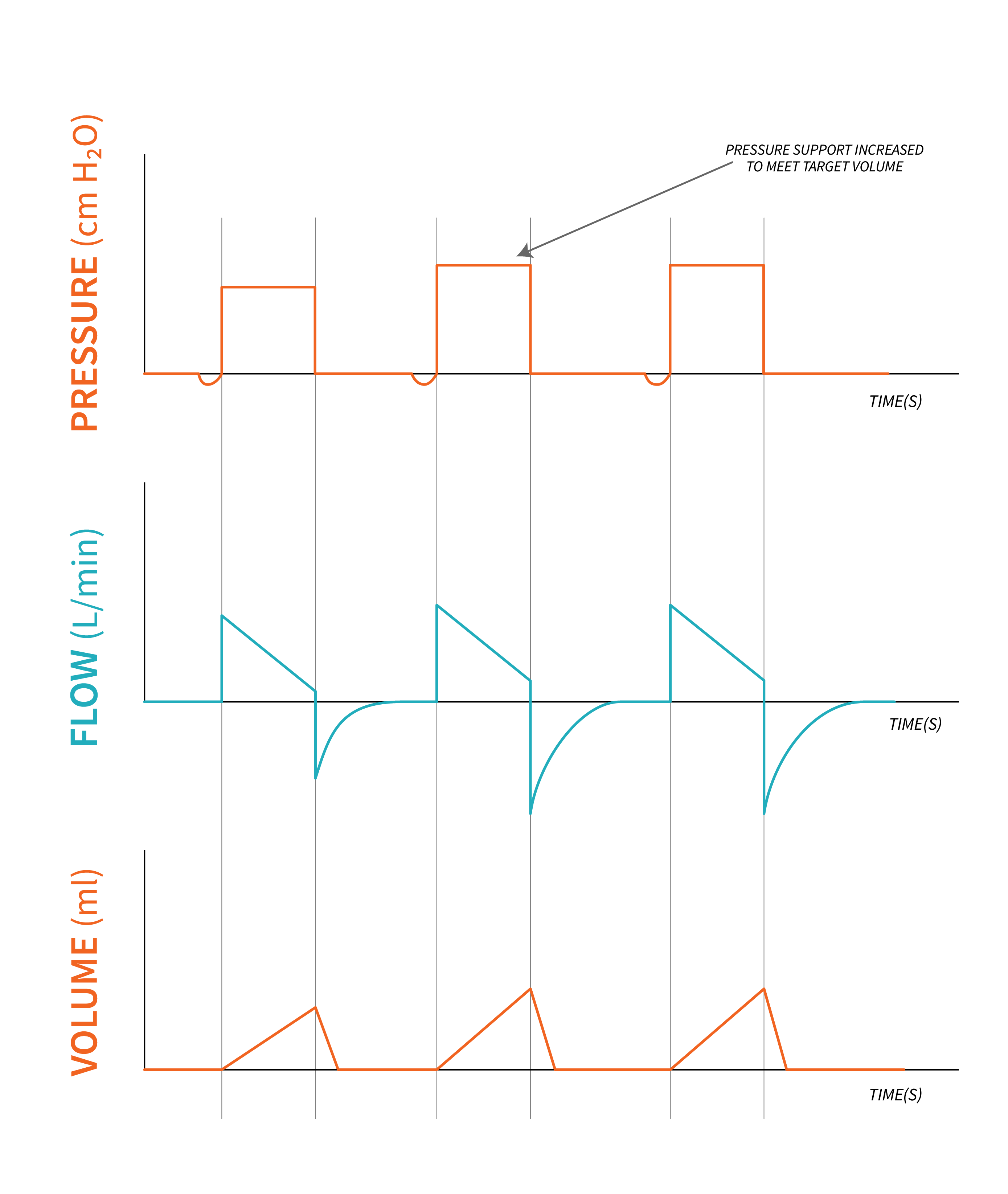
The heartbeat of PSV technology is the trigger mechanism. Modern ventilators utilize highly sensitive flow and pressure sensors located at the patient interface. When a patient initiates a breath, they create a slight drop in circuit pressure or a change in the continuous flow of gas. High-speed microprocessors analyze these fluctuations.
The tech behind these sensors must be incredibly precise to differentiate between a genuine effort to breathe and “noise” in the system, such as moisture in the tubing or cardiac oscillations. Once a trigger is detected, the ventilator’s software activates the inhalation valve, delivering a preset level of pressure to help the patient overcome the resistance of the breathing tube and the stiffness of their own lungs.
The Role of Feedback Loops and Pressure Regulation
PSV operates on a closed-loop feedback system. Once the pressure support is triggered, the ventilator’s internal computer monitors the pressure levels multiple times per millisecond. Using Proportional-Integral-Derivative (PID) controllers—the same type of technology used in cruise control for cars or drone stabilization—the device adjusts the flow of gas to maintain a constant pressure throughout the inspiratory phase. This ensures that the mechanical assistance is smooth, preventing the “jerky” transitions that characterized earlier generations of respiratory tech.
The Software of Life: Algorithms and Modes in Critical Care Tech
The transition from analog to digital respiratory care has allowed for the creation of nuanced software modes that sit atop the standard PSV framework. These algorithms are designed to improve “patient-ventilator synchrony,” a term that refers to how well the machine’s output matches the patient’s neurological demand.
Proportional Assist Ventilation (PAV) and Advanced Algorithms
Building on the foundation of PSV, software engineers have developed Proportional Assist Ventilation (PAV). While standard PSV provides a fixed amount of pressure, PAV uses complex algorithms to calculate the “work of breathing” in real-time. By measuring the resistance and elastance of the respiratory system, the software adjusts the pressure support proportionally to the patient’s effort.
From a tech perspective, this is a leap from static programming to dynamic, responsive computing. The software acts as an extension of the patient’s own muscles, providing 50% or 70% of the effort required, rather than a fixed “dose” of pressure.
Human-Machine Interface (HMI) in Modern Ventilators
The interface through which clinicians interact with PSV is a masterpiece of UX/UI design. Modern ventilators feature high-resolution touchscreens that provide real-time graphical representations of flow, volume, and pressure loops. These HMIs allow for “loop analysis,” where the tech visualizes how much work the machine is doing versus how much the patient is doing.
Engineers have prioritized cognitive ergonomics in these designs, ensuring that the most critical data points—such as the rapid shallow breathing index (RSBI) or minute ventilation—are prioritized by the software’s visual hierarchy. This prevents “alarm fatigue” and allows for faster decision-making in high-stakes environments like the ICU.

The Role of AI and Machine Learning in Optimizing PSV
As we move deeper into the era of HealthTech 4.0, Artificial Intelligence (AI) and Machine Learning (ML) are being integrated into Pressure Support Ventilation systems to automate the weaning process and enhance safety.
Predictive Analytics for Patient Weaning
One of the most difficult tasks in critical care is “weaning”—the process of reducing mechanical support to see if a patient can breathe on their own. Tech companies like Hamilton Medical and Dräger are implementing AI-driven weaning protocols. These systems analyze historical data and real-time physiological markers to predict when a patient is ready for a spontaneous breathing trial.
By using “SmartCare” or similar automated weaning software, the ventilator can automatically titrate the PSV levels down as the patient’s strength improves. If the software detects signs of respiratory distress (tachycardia or tachypnea), it intelligently increases the support back to a safe level, acting as a tireless digital monitor.
Intelligent Alarm Management and Cybersecurity
A significant trend in medical technology is the reduction of “false positive” alarms. AI algorithms are now trained to recognize patterns in PSV data that indicate a genuine emergency versus a sensor malfunction.
Furthermore, as ventilators become part of the “Internet of Medical Things” (IoMT), digital security has become paramount. Modern PSV systems are built with encrypted firmware and secure boot protocols to prevent unauthorized access. Given that a ventilator is a life-sustaining device, the intersection of cybersecurity and mechanical ventilation is one of the most critical areas of current tech development.
Hardware Innovations: From Turbines to Smart Valves
While the software provides the intelligence, the hardware provides the power. The physical components of PSV systems have undergone a massive transformation, moving away from heavy, wall-attached units to miniaturized, high-performance devices.
Miniaturization and High-Performance Turbines
In the past, ventilators required massive external compressors to provide the air pressure needed for PSV. Today’s high-end ventilators utilize ultra-quiet, high-speed turbines. These turbines can spin up to 60,000 RPM and are capable of delivering the rapid flow changes required for pressure support in a fraction of a second. This hardware shift has enabled the creation of portable ventilators that can deliver ICU-grade PSV during air transport or between hospital departments, ensuring no interruption in digital life support.
Smart Valves and Reliability Redundancy
The valves that control the flow of oxygen and air in a PSV setup are now “smart valves.” They utilize electromagnetic actuators that are calibrated to move with sub-millimeter precision. To ensure safety, these systems are built with triple-redundancy. If a microprocessor fails, a secondary “watchdog” circuit takes over, and if that fails, mechanical pop-off valves ensure the patient is never exposed to dangerous pressure levels. This level of hardware reliability is akin to the flight control systems used in the aerospace industry.
The Future of Digital Health: PSV in the Age of Connected Care
The final frontier for Pressure Support Ventilation technology is connectivity. We are moving away from the ventilator as a “stand-alone” island and toward an integrated node in a hospital-wide digital ecosystem.
Tele-Ventilation and Remote Monitoring
With the rise of 5G and high-speed hospital networks, “tele-ventilation” is becoming a reality. Using secure cloud platforms, a specialist can monitor the PSV settings and waveforms of dozens of patients from a centralized command center. This “Air Traffic Control” model for respiratory care allows for expert oversight across multiple facilities, using data streaming technology to ensure every patient is receiving optimal pressure support.
Integration with Electronic Health Records (EHR)
The integration of PSV data into Electronic Health Records (EHR) is transforming clinical research. Previously, breath-by-breath data was lost to time. Now, every millisecond of pressure and flow data can be exported to large databases. Data scientists use this “Big Data” to train next-generation algorithms, identifying subtle biomarkers in the breathing patterns of patients that may predict future complications days before they become clinically apparent.
In conclusion, Pressure Support Ventilation is far more than a medical treatment; it is a sophisticated technological solution to a biological crisis. Through the integration of high-speed sensors, responsive software algorithms, and AI-driven automation, PSV exemplifies the peak of modern medical engineering. As we continue to refine the hardware and software behind these devices, the line between human effort and machine assistance will continue to blur, leading to safer, more efficient, and more personalized care for patients worldwide.
aViewFromTheCave is a participant in the Amazon Services LLC Associates Program, an affiliate advertising program designed to provide a means for sites to earn advertising fees by advertising and linking to Amazon.com. Amazon, the Amazon logo, AmazonSupply, and the AmazonSupply logo are trademarks of Amazon.com, Inc. or its affiliates. As an Amazon Associate we earn affiliate commissions from qualifying purchases.