
In the dynamic world of live events, entertainment, and experiences, the concept of a “presale” has evolved far beyond a simple early access window. For both event organizers and enthusiastic consumers, presales represent a sophisticated financial instrument, a calculated move in the broader economic game of supply and demand. At its heart, a ticket presale is a period during which a select group of individuals can purchase tickets to an event before they are made available to the general public. While seemingly straightforward, its economic implications are profound, shaping revenue streams, mitigating financial risks, influencing market dynamics, and guiding consumer purchasing strategies.
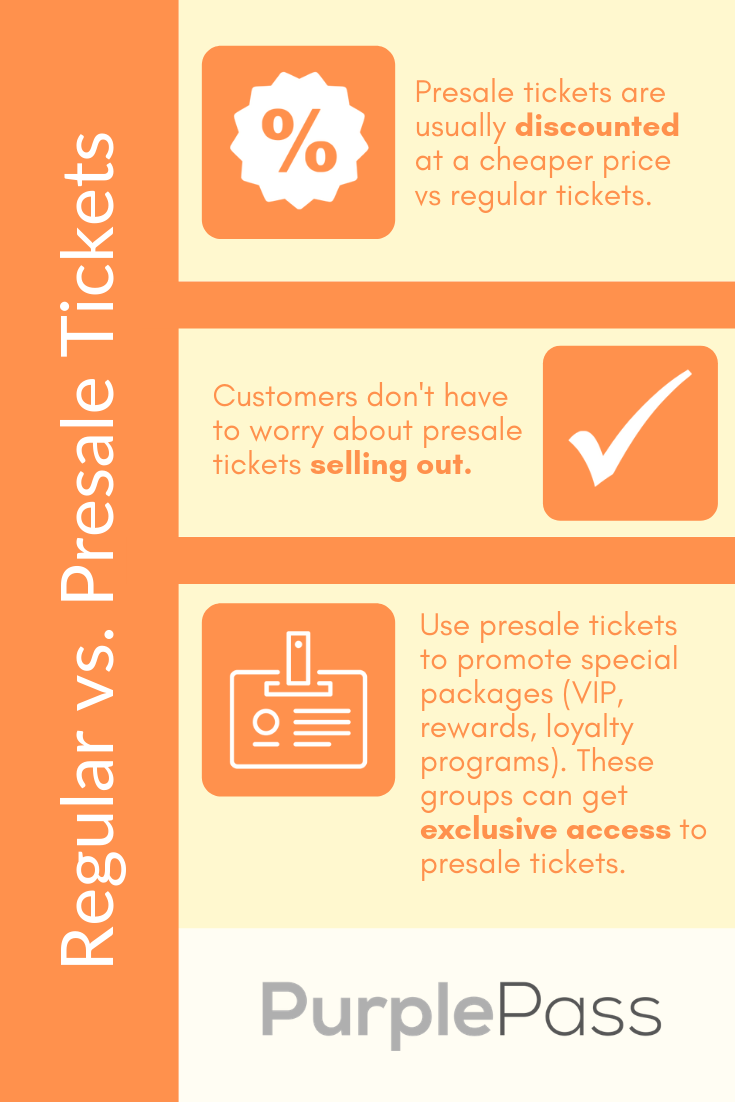
This article delves into the intricate monetary facets of ticket presales, dissecting their role in revenue generation, financial planning, market forecasting, and the strategic decisions made by both sellers and buyers. We will explore how presales function as a critical tool for financial optimization within the entertainment industry and provide insights into navigating this economic landscape.
The Financial Mechanics of Ticket Presales
Understanding presales from a financial perspective begins with recognizing them as a distinct economic phase in the sales cycle. This early window is not merely a convenience; it is a strategically designed period intended to create specific monetary outcomes for all involved parties.
Defining the Pre-General Sale Economic Window
A ticket presale is, fundamentally, a period of restricted market access. By limiting who can purchase tickets and when, event organizers create an artificial scarcity that can drive demand and provide immediate financial benefits. Various types of presales exist, each creating a unique economic funnel: fan club presales reward loyalty, often translating into assured future revenue from dedicated followers; credit card presales leverage financial partnerships, offering exclusive access to cardholders; venue and artist presales target specific segments, helping to gauge interest from distinct demographics.
The common thread is the concept of ‘early money.’ For organizers, securing sales weeks or months in advance means immediate cash flow, vital for covering upfront costs. For buyers, it translates into ‘assured access,’ a financial peace of mind that can be invaluable for high-demand events, often mitigating the risk of being shut out or forced to pay inflated secondary market prices later. This early commitment from buyers is a direct financial investment in certainty.
Pricing Strategies and Demand Forecasting
One of the most critical financial aspects of a presale lies in its pricing strategy and its utility as a demand forecasting tool. Presale pricing can vary significantly: it might be set at a standard rate to test the market, or it could involve tiered pricing where early buyers get access to better seats or slightly lower prices as an incentive. In some cases, premium presale packages might be offered, bundling tickets with exclusive merchandise or experiences, effectively increasing the average transaction value.
Organizers meticulously analyze presale performance to gauge initial market demand. A rapid sell-out during a presale signals robust interest, potentially allowing organizers to adjust pricing upwards for the general sale, add additional event dates, or allocate more inventory to higher-priced tiers, thereby optimizing overall revenue. Conversely, slower presale uptake might prompt a review of marketing spend or a strategic adjustment of general sale pricing to stimulate demand. This real-time financial feedback loop is invaluable for maximizing ticket sales revenue and avoiding scenarios of unsold inventory. Dynamic pricing models often commence during presales, allowing prices to fluctuate based on real-time demand, a direct reflection of the economic principles at play.
Revenue Generation and Risk Mitigation for Event Organizers
For event organizers, presales are far more than a marketing perk; they are a cornerstone of sound financial management, providing crucial advantages in revenue generation and risk mitigation.
Securing Early Capital and Cash Flow
The most immediate financial benefit of a presale is the injection of early capital. Event planning is a costly endeavor, with significant upfront expenses ranging from venue rentals and artist fees to marketing campaigns and logistical arrangements. Presale ticket sales provide a vital source of initial funding, alleviating the financial strain of these expenditures before the main sales window even opens. This early cash flow significantly improves an organizer’s liquidity, reducing reliance on external financing or personal capital.
By converting future revenue into present cash, presales enable organizers to manage their budgets more effectively, invest in better production quality, or expand promotional efforts. This financial stability ensures that the event can move forward with greater certainty, minimizing the risk associated with speculative upfront investments and creating a more robust financial foundation for the entire project.
Gauging Market Demand and Optimizing Inventory
Presales serve as an invaluable economic barometer, offering a clear snapshot of an event’s financial viability and potential success. The speed and volume of tickets sold during the presale period provide critical data points for gauging genuine market demand. This insight allows organizers to make informed, data-driven financial decisions. For instance, if a presale sells out quickly, it confirms high demand, which might lead to adding additional shows, increasing venue capacity where possible, or optimizing seating allocations to maximize higher-priced sections. This directly translates to increased revenue potential.
Conversely, if presale numbers are sluggish, it acts as an early warning system, enabling organizers to pivot their financial strategy. They might intensify marketing efforts, adjust pricing for the general sale, or re-evaluate the event’s overall scope to prevent potential financial losses from unsold tickets. This risk mitigation aspect is paramount, protecting organizers from substantial financial setbacks that could arise from misjudging the market. Presales thus allow for flexible financial planning, adapting to real-world demand rather than relying solely on projections.
Navigating Presales: A Financial Playbook for Buyers
For the consumer, engaging with presales involves a series of financial considerations and strategic decisions. It’s a trade-off between various factors, all weighed against personal financial goals and the desire to attend a particular event.
The Value Proposition: Assured Access vs. Price Premium

For many buyers, the primary financial value of a presale lies in the assurance of access. In an era of high-demand events that sell out in minutes, a presale code can be seen as an investment in certainty. The financial trade-off here is often paying for a ticket earlier than planned, and sometimes at a price that might be standard or even a slight premium compared to the general sale if demand allows. However, this early financial commitment guarantees a spot, eliminating the stress and potential disappointment of being shut out during the public on-sale.
The implicit financial benefit is avoiding the potentially much higher prices on the secondary market should the event sell out quickly. For a true fan, the peace of mind and guaranteed entry might outweigh the marginal financial cost of early purchase or a slightly higher initial price. It’s a strategic choice between present financial outlay and future emotional and financial relief.
Maximizing ROI for Ticket Purchasers (and Potential Resellers)
Savvy ticket purchasers approach presales with a clear financial strategy, aiming to maximize their return on investment (ROI), whether that return is measured in personal enjoyment or potential monetary gain. For those simply wanting to attend, leveraging presales means securing tickets at face value, avoiding the inevitable price surge on the secondary market for sold-out events. It’s about being a financially smart consumer by circumventing inflated costs. Researching various presale opportunities (fan clubs, credit card offers, venue newsletters) allows buyers to broaden their access and increase their chances of securing tickets, thereby protecting their budget.
It’s also crucial to acknowledge the financial motives of professional ticket resellers. For this segment, presales are a strategic opportunity to acquire inventory at face value, anticipating significant demand and profit margins on the secondary market. Their financial playbook involves identifying high-demand events, securing as many tickets as possible through various presale channels, and then listing them for resale at a premium. While often controversial, this practice underscores the inherent financial value and arbitrage opportunities that presales create within the ticketing ecosystem. Ethical considerations aside, it is a clear demonstration of how presales can be leveraged for direct financial gain.
The Economic Ripple Effect on the Secondary Market
Presales have a significant and often immediate economic impact on the secondary ticketing market. They are a critical precursor that shapes supply, demand, and pricing dynamics for resale platforms.
Presales as a Catalyst for Resale Market Dynamics
The initial flurry of sales during presale periods directly influences the inventory available for the general public, and consequently, the potential for tickets to appear on the secondary market. A rapid presale sell-out can instantly signal to the secondary market that demand is extremely high, leading to immediate price speculation and listings at inflated rates. Even before the general sale, tickets acquired during presales can be listed on platforms like StubHub or Viagogo, establishing an early price ceiling or floor based on initial perceived scarcity and demand.
This dynamic creates an initial wave of price discovery. The prices set in presales, coupled with the speed of sales, often dictate the starting point for secondary market pricing. If presale tickets are numerous and sell slowly, it might dampen secondary market prices. Conversely, a fiercely competitive presale environment quickly translates into higher resale values, as the market signals overwhelming demand. This early economic activity sets the tone for the entire sales cycle, affecting how both primary and secondary market players price and value tickets.
Combating Scalping and Ensuring Fair Value (Economic Perspective)
The very financial structure of presales makes them a target for ticket scalpers and automated bots, whose sole purpose is to exploit the economic inefficiencies to generate profit. Organizers implement various strategies to combat this, primarily to protect revenue and ensure fair access for genuine fans, which is also a financial consideration in terms of brand loyalty and future sales. Limits on ticket purchases per code, unique one-time use codes, and requiring credit card verification are all measures designed to mitigate large-scale speculative buying. Some events even experiment with personalized or non-transferable tickets during presales to restrict resale opportunities.
From an economic perspective, this is a constant battle between primary sellers aiming to capture the maximum value for their product and secondary sellers seeking to profit from market demand. When scalpers succeed in acquiring a large block of presale tickets, it distorts the primary market’s ability to set fair prices and drives genuine fans to the secondary market, where they face economically unjustifiable markups. The financial integrity of the ticketing process, therefore, hinges on effective measures to ensure that presales facilitate equitable access and prevent price gouging that damages both consumer trust and the long-term financial health of the event industry.
Strategic Presale Implementation for Financial Success
Beyond the immediate financial benefits, presales are a sophisticated tool for long-term financial planning and market engagement within the event industry. Their strategic implementation can significantly impact an event’s overall economic success.
Aligning Presale Strategy with Financial Objectives
A well-devised presale strategy is inextricably linked to an event’s overarching financial objectives. Whether the goal is to achieve a rapid sell-out for prestige, maximize overall revenue through tiered pricing, or cultivate loyalty within a specific fan segment (which translates into future financial engagement), presales are a key mechanism. For instance, offering a slightly discounted price during an exclusive fan club presale might forgo a small amount of immediate revenue but generates invaluable goodwill and fosters a dedicated customer base, ensuring repeat business and long-term financial stability.
Conversely, a presale focused on premium packages aims to capture higher-value transactions from an affluent segment of the audience, optimizing profit margins. The data collected from various presale campaigns provides a rich dataset for analytics, informing future financial forecasting, budgeting, and marketing investments. This strategic use of presales allows organizers to fine-tune their financial models, making more accurate predictions about ticket demand and revenue potential for subsequent events.

Mitigating Financial Risks and Ensuring Market Integrity
The successful execution of presales also involves proactively mitigating financial risks that extend beyond simple demand forecasting. This includes safeguarding against financial fraud, chargebacks, and the operational costs associated with managing a complex sales window. Implementing secure payment gateways, robust authentication processes, and clear refund policies are essential to protect both the organizer’s revenue and the buyer’s financial security. The financial costs of running a presale, including platform fees, marketing expenses for code distribution, and customer support, must be weighed against the expected financial gains.
Ensuring market integrity is also a financial imperative. When presales are perceived as fair and accessible, it builds trust and encourages future participation, creating a healthier economic ecosystem. If presales are repeatedly compromised by bots or scalpers, it can erode consumer confidence, leading to fewer legitimate buyers participating in future sales and potentially impacting long-term revenue streams. Therefore, strategic presale implementation is a delicate balance of maximizing financial returns while upholding the principles of fairness and transparency for all stakeholders.
In conclusion, a ticket presale is far more than a simple advantage for early birds; it is a meticulously crafted financial strategy embedded within the fabric of the live event industry. For organizers, presales are vital for early capital injection, risk mitigation, and sophisticated demand forecasting, directly impacting their bottom line and long-term financial health. For buyers, they offer a clear financial value proposition: assured access and the avoidance of secondary market inflation, allowing them to make strategic purchasing decisions. The ripple effects on the secondary market underscore the complex economic interplay at hand. As the entertainment landscape continues to evolve, the strategic and financial significance of presales will only grow, cementing their role as a critical component in the economics of live experiences.
aViewFromTheCave is a participant in the Amazon Services LLC Associates Program, an affiliate advertising program designed to provide a means for sites to earn advertising fees by advertising and linking to Amazon.com. Amazon, the Amazon logo, AmazonSupply, and the AmazonSupply logo are trademarks of Amazon.com, Inc. or its affiliates. As an Amazon Associate we earn affiliate commissions from qualifying purchases.