
In the dynamic world of financial markets, timing is often everything. While most investors are familiar with the standard trading hours – the hustle and bustle between the opening and closing bells – a significant amount of activity occurs outside this window. This preliminary period, known as pre-market trading, offers a unique lens into market sentiment and price discovery before the mainstream crowd arrives. For the informed investor, understanding pre-market dynamics can provide a crucial edge, enabling quicker reactions to breaking news and strategic positioning. However, it also comes with its own set of risks and complexities that demand careful consideration. This article delves into the intricacies of pre-market trading, exploring its mechanics, significance, advantages, disadvantages, and the strategies necessary to navigate this early-morning financial landscape.

The Fundamentals of Pre-Market Trading
Before delving into the strategic implications, it’s essential to grasp the basic framework of pre-market trading: what it is, when it occurs, and how it operates.
Defining Pre-Market Hours: When Does It Happen?
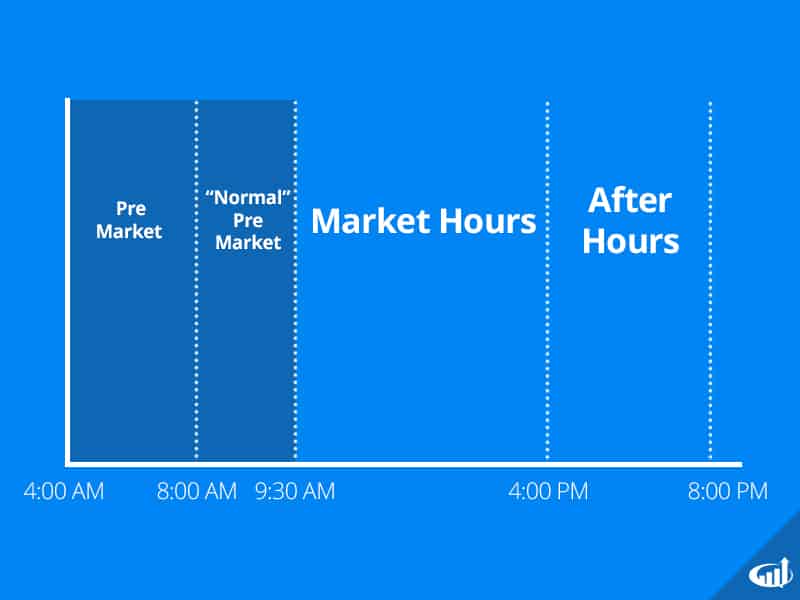
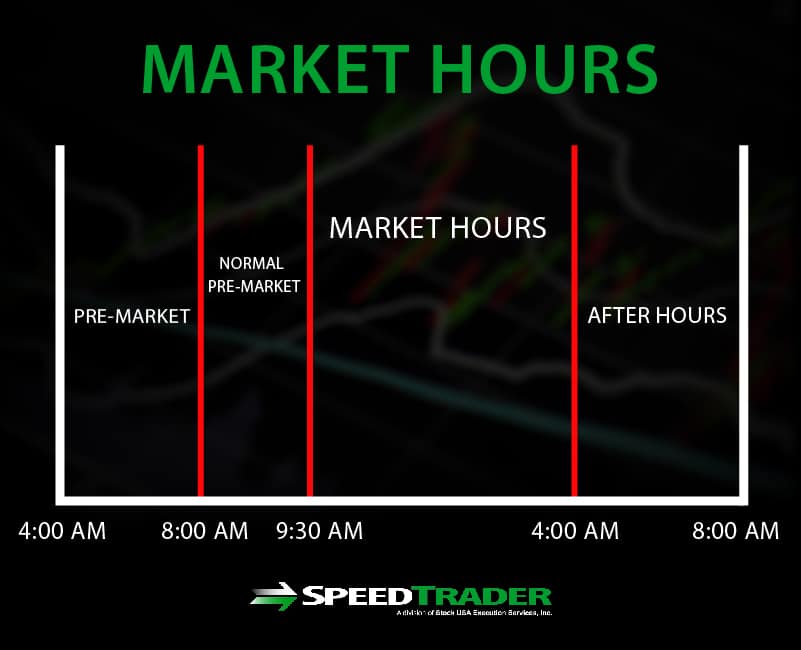
Pre-market trading refers to the period during which stock exchanges permit trading activity before their official opening hours. While specific timings can vary slightly by exchange and broker, for major U.S. markets like the New York Stock Exchange (NYSE) and Nasdaq, the regular trading session runs from 9:30 AM to 4:00 PM Eastern Time. Pre-market trading typically commences as early as 4:00 AM ET and extends until the market opens at 9:30 AM ET. This window provides a substantial block of time for institutional and individual investors to react to developments that occur overnight or early in the morning.
How Pre-Market Trading Works: The Mechanics of Orders and Execution
Unlike the regular trading session where market makers actively facilitate continuous trades, pre-market trading often operates on a more limited basis. Trades are executed through Electronic Communication Networks (ECNs), which are automated systems that match buy and sell orders directly. When you place an order during pre-market hours, it’s typically a “limit order,” meaning you specify the maximum price you’re willing to pay (for a buy) or the minimum price you’re willing to accept (for a sell). Market orders, which instruct to buy or sell immediately at the best available price, are generally ill-advised or even restricted during pre-market due to potentially wide bid-ask spreads and lower liquidity. The ECNs aggregate these orders, and when a match occurs, a trade is executed. It’s crucial to understand that not all brokers offer pre-market access, and those that do may have varying hours and limitations.
Key Participants: Who Trades Pre-Market?
While individual retail investors can participate, pre-market trading is heavily influenced by institutional players and professional traders. Hedge funds, mutual funds, and large investment banks often have research teams working around the clock, allowing them to process overnight news and execute trades swiftly. Furthermore, high-frequency trading firms utilize sophisticated algorithms to capitalize on early-morning volatility. This institutional dominance contributes to the unique characteristics of pre-market, including lower liquidity and higher volatility, compared to the regular session. Retail participation has grown with the advent of accessible online brokerage platforms, but the landscape remains heavily weighted towards those with significant capital and advanced analytical tools.
Why Pre-Market Trading Matters: Drivers and Dynamics
Pre-market trading is far from a mere extension of regular hours; it’s a critical period that often sets the tone for the entire trading day. Understanding its drivers and dynamics is key to appreciating its significance.
Reacting to News and Earnings: The Immediate Impact of Corporate Announcements
One of the primary drivers of pre-market activity is the immediate reaction to breaking news. Companies frequently release crucial information outside of regular market hours, often before the market opens or after it closes. This includes quarterly earnings reports, mergers and acquisitions announcements, regulatory filings, product launches, or significant corporate developments. Pre-market trading allows investors to digest this news and position themselves accordingly, buying into stocks expected to surge or selling off those anticipated to decline, all before the broader market has a chance to react. This early reaction can lead to substantial price gaps at the market open, illustrating the predictive power of pre-market movements.
Price Discovery and Volatility: How Prices Are Set and Swings Observed
Pre-market trading plays a vital role in price discovery. With limited volume and a smaller pool of participants, prices can be highly sensitive to even a few large orders or a single piece of significant news. This often results in increased volatility, where stock prices can experience dramatic swings in a short period. The prices established during pre-market hours can significantly influence the opening price of a stock once the regular session begins. A stock that surges in pre-market on positive news might open substantially higher, while one facing negative news could gap down. This volatility presents both opportunities for quick profits for skilled traders and considerable risks for less experienced participants.
Liquidity Considerations: Understanding the Ebb and Flow of Trading Volume
A defining characteristic of pre-market trading is generally lower liquidity compared to regular market hours. Fewer participants mean fewer buyers and sellers, which can lead to wider bid-ask spreads. The bid price is the highest price a buyer is willing to pay, and the ask price is the lowest price a seller is willing to accept. A wide spread means there’s a larger difference between these two prices, making it more expensive to execute trades and potentially leading to slippage (executing a trade at a worse price than expected). Low liquidity also means that large orders can have a disproportionate impact on a stock’s price, as there may not be enough opposing orders to absorb the volume. This makes it challenging to enter or exit positions at desired prices, especially for less common stocks.
Advantages and Disadvantages for Investors
While pre-market trading offers tantalizing opportunities, it’s a double-edged sword that demands a thorough understanding of its inherent benefits and risks.
Potential Benefits: Early Entry, Quick Reactions, Strategic Positioning
For the astute investor, pre-market offers several compelling advantages. The most obvious is the ability to react immediately to overnight news, allowing early entry into promising stocks or timely exit from potentially declining ones. This can be particularly beneficial for earnings plays, where a positive surprise can send a stock soaring before the main market even opens. Furthermore, it provides an opportunity for strategic positioning, allowing traders to build or reduce positions ahead of the main market rush, potentially at more favorable prices if their analysis proves correct. For active traders, the enhanced volatility can create numerous short-term trading opportunities.
Inherent Risks: Low Liquidity, High Volatility, Wider Spreads, Limited Information
However, these benefits come with significant risks. The low liquidity mentioned earlier is a major concern. It can make it difficult to execute large orders without moving the market against you, and exiting a position quickly at a fair price can be challenging. The high volatility, while offering opportunities, also magnifies potential losses. A stock can swing wildly in minutes, and a momentary downturn could wipe out gains or accelerate losses. Wider bid-ask spreads mean you’re inherently paying more to buy and receiving less to sell, eroding potential profits. Finally, pre-market trading often occurs with less comprehensive information available. Analyst coverage may be thinner, and many traditional news outlets might not have fully processed or reported on overnight events, leading to trading decisions based on incomplete data.
Regulatory Frameworks: Rules and Limitations
It’s important to note that pre-market trading, while generally less regulated than the regular session, still operates under certain rules. Exchanges and brokers impose limitations, such as restricting certain order types or requiring specific disclosures. For instance, most pre-market trading only allows for limit orders, preventing market orders that could be executed at highly unfavorable prices due to low liquidity. Investors must be aware of their broker’s specific rules and any regulatory nuances that apply to extended-hours trading to avoid unexpected issues.
Strategies and Tools for Pre-Market Engagement
Successfully navigating the pre-market landscape requires a disciplined approach, robust research, and the right tools. It’s not a realm for impulsive decisions.
Research and Due Diligence: The Importance of Pre-Market Analysis
Effective pre-market trading begins with thorough research. This means monitoring economic calendars for upcoming data releases, keeping a close eye on company-specific news wires for earnings reports and announcements, and reviewing global market performance overnight. Utilizing financial news services that provide real-time updates and pre-market analysis is crucial. Traders should identify catalyst events and anticipate potential stock reactions based on historical data and market sentiment. Due diligence isn’t just about the news; it’s also about understanding the specific stock’s typical pre-market behavior, its float, and how it typically reacts to volume spikes.
Order Types and Execution: Limit Orders vs. Market Orders in Pre-Market
As highlighted, limit orders are the preferred and often only viable option for pre-market trading. A limit order allows you to set a maximum buy price or a minimum sell price, ensuring you don’t execute a trade at an unfavorable price due to high volatility or wide spreads. In contrast, a market order could lead to significant slippage, particularly in low-liquidity environments. Understanding how your broker handles extended-hours orders and whether they offer “fill or kill” or “all or none” options can also be beneficial in managing execution risk.
Brokerage Access and Platforms: What You Need to Trade
Not all brokerage firms offer extended-hours trading, and among those that do, the pre-market hours they support can vary. Investors need a brokerage account that explicitly allows pre-market trading and ideally provides robust tools for monitoring pre-market activity, such as real-time quotes, level 2 data (showing bid/ask depth), and charting capabilities that include extended hours. A reliable trading platform is essential for quick order entry and monitoring, as speed can be a significant advantage in this fast-paced environment.
Risk Management Principles: Protecting Your Capital
Given the inherent risks of pre-market trading, stringent risk management is paramount. This includes setting clear stop-loss orders (though these can be tricky to execute perfectly in low liquidity) to limit potential losses, using only a small portion of your capital for these high-risk trades, and never risking more than you can comfortably afford to lose. It’s also wise to focus on highly liquid stocks, even during pre-market, to mitigate the issues of wide spreads and poor execution. Diversification, even within pre-market positions, can also help spread risk.
The Broader Market Context: Pre-Market’s Role in the Trading Day
Pre-market trading isn’t an isolated phenomenon; it’s an integral part of the broader financial ecosystem, influencing and being influenced by other trading periods.
Impact on Opening Bell: Setting the Stage for the Regular Session
The activity during pre-market hours often acts as a precursor for the regular trading session. Significant price movements or heavy trading volume in pre-market can indicate the direction a stock is likely to take at the opening bell. A stock that gaps up or down significantly in pre-market due to news will typically open at a price substantially different from its previous day’s close. This “gap” can be a key trading signal for many, indicating strong momentum or sentiment that might continue throughout the day. Thus, monitoring pre-market trends is a critical component of pre-session analysis for many traders.
Post-Market Trading Connection: The Full 24-Hour Cycle
Pre-market trading is often discussed in conjunction with post-market trading, which occurs after the regular trading session closes (typically from 4:00 PM to 8:00 PM ET). Together, these extended hours extend the trading day significantly, offering a nearly continuous cycle of market activity. Many companies also release earnings or news during post-market hours, setting the stage for the following day’s pre-market session. Understanding this full cycle of extended-hours trading provides a comprehensive view of how information is processed and reflected in stock prices outside of traditional market hours.
Evolution of Trading Hours: Adapting to Global Markets
The rise of pre-market and post-market trading is also a reflection of the increasingly globalized financial world. With economies interconnected across different time zones, major news from Asia or Europe can impact U.S. markets before they officially open. Extended trading hours allow investors to react to these global developments more promptly, reducing the risk of being caught off guard when the regular session begins. This evolution signifies a move towards more continuous market access, driven by technological advancements and the demands of a 24/7 global economy.
In conclusion, pre-market trading offers a fascinating and often lucrative frontier for investors willing to undertake the necessary research and risk management. It’s a period of heightened activity driven by immediate news reactions and institutional movements, shaping the initial direction of the regular trading day. While the potential for early gains is enticing, the landscape is fraught with challenges posed by lower liquidity, increased volatility, and wider spreads. For those who approach it with discipline, a robust strategy, and a clear understanding of its dynamics, pre-market can indeed provide an early bird advantage in the relentless pursuit of financial success.
aViewFromTheCave is a participant in the Amazon Services LLC Associates Program, an affiliate advertising program designed to provide a means for sites to earn advertising fees by advertising and linking to Amazon.com. Amazon, the Amazon logo, AmazonSupply, and the AmazonSupply logo are trademarks of Amazon.com, Inc. or its affiliates. As an Amazon Associate we earn affiliate commissions from qualifying purchases.