
Pre-employment screening is a critical, multi-faceted process undertaken by businesses to evaluate potential employees before an offer of employment is finalized. Far from being a mere formality, it is a strategic business practice designed to mitigate financial risks, protect assets, ensure regulatory compliance, and ultimately contribute to a healthier, more productive, and financially stable organization. In an increasingly competitive and regulated business landscape, understanding and implementing robust pre-employment screening protocols is not just good practice—it’s an essential element of sound business finance and risk management.
The Financial Imperative Behind Pre-Employment Screening
The decision to invest in pre-employment screening is fundamentally a financial one, rooted in the desire to safeguard a business from a myriad of potential costs and liabilities. Every hiring decision carries inherent risks, and effective screening acts as a powerful preventative measure against financially damaging outcomes.

Mitigating Financial Risk: Fraud, Theft, and Negligent Hiring
One of the most compelling financial arguments for pre-employment screening is its ability to reduce the risk of internal fraud and theft. Businesses lose billions annually to employee-perpetrated crimes, ranging from embezzlement and inventory shrinkage to intellectual property theft. A comprehensive background check can reveal a candidate’s history of financial misconduct, criminal convictions, or even undisclosed past employment that might indicate a pattern of untrustworthy behavior. By identifying these red flags early, companies can avoid the substantial financial losses associated with such incidents, including direct theft, investigative costs, legal fees, and reputational damage.
Furthermore, pre-employment screening is a vital defense against negligent hiring claims. Should an employee commit an act of violence, fraud, or negligence on the job that harms another individual or entity, the employer could be held liable if it’s demonstrated they failed to conduct a reasonable background check. The financial implications of such lawsuits—settlements, legal fees, increased insurance premiums, and reputational harm—can be catastrophic for a business, particularly small to medium-sized enterprises. Screening ensures due diligence, demonstrating that the employer took reasonable steps to verify a candidate’s suitability and mitigate foreseeable risks.
Reducing Costly Employee Turnover
Employee turnover is an enormous financial drain on businesses. The costs associated with replacing an employee can range from 50% to over 200% of their annual salary, factoring in recruitment expenses, onboarding, training, lost productivity during the vacancy, and reduced team morale. Pre-employment screening helps reduce turnover by ensuring a better fit between the candidate and the role, as well as the candidate and the company culture.
Skills assessments verify that candidates possess the necessary competencies to perform effectively, reducing the likelihood of early underperformance or termination due to lack of capability. Reference checks provide insights into a candidate’s work ethic, reliability, and ability to collaborate, helping to identify individuals who are more likely to thrive and remain with the company long-term. By making more informed hiring decisions, businesses can significantly decrease their turnover rates, directly impacting their bottom line through reduced recruitment and training expenditures.
Protecting Company Assets and Reputation
Beyond direct financial theft, employees can inadvertently or deliberately cause harm to a company’s non-financial assets, which nevertheless have significant financial value. This includes intellectual property, trade secrets, confidential client information, and brand reputation. Screening processes like background checks can identify individuals with a history of unauthorized information disclosure or a lack of discretion, protecting valuable proprietary information.
A company’s reputation, built over years of consistent performance and ethical conduct, is an invaluable asset. A single bad hire can severely damage this reputation, leading to lost customer trust, decreased sales, and difficulty attracting future talent. For example, hiring an individual with a history of poor customer service for a client-facing role, or someone with a checkered past in a position of public trust, can quickly erode public confidence and lead to financial repercussions. Pre-employment screening acts as a gatekeeper, preserving the integrity and financial standing that come with a strong, positive brand image.
Key Components of a Financially Sound Screening Process
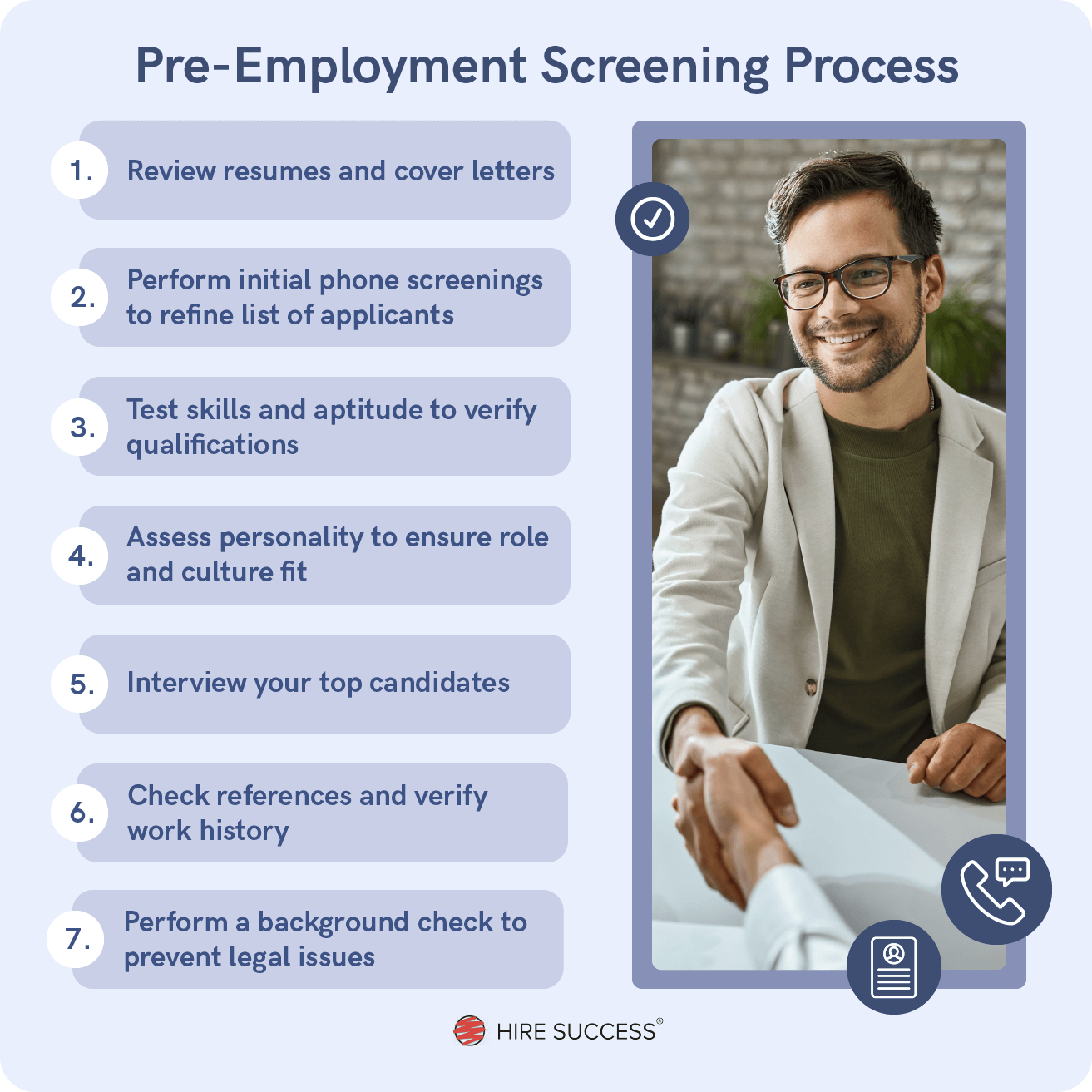
A comprehensive pre-employment screening strategy involves several components, each designed to address specific financial risks and contribute to more effective, cost-efficient hiring.
Background Checks: Beyond the Surface
Criminal background checks are fundamental, revealing felony and misdemeanor convictions that could pose a risk to workplace safety, company assets, or other employees. Financial background checks, often permitted for roles involving significant financial responsibility, can uncover bankruptcies, liens, or judgments that might indicate financial instability or a propensity for financial misconduct. These checks are crucial for roles in accounting, finance, management, or any position with access to company funds or sensitive financial data, directly reducing the risk of internal fraud or embezzlement.
Drug Screening: Workplace Safety and Productivity
Drug testing helps ensure a safe working environment, particularly in industries involving heavy machinery, transportation, or public safety. From a financial perspective, employees under the influence of drugs or alcohol are more prone to accidents, leading to increased workers’ compensation claims, higher insurance premiums, property damage, and significant downtime. Furthermore, drug abuse can lead to absenteeism, reduced productivity, and poor decision-making, all of which directly impact a company’s profitability. Implementing drug screening is an investment in a safer, more productive, and therefore more financially stable workforce.
Reference Checks: Verifying Past Performance and Fit
While sometimes perceived as less formal, thorough reference checks are invaluable for verifying a candidate’s stated experience and gaining insights into their past work performance, reliability, and interpersonal skills. Financially, this helps validate that the candidate can deliver on their promises of productivity and collaboration, reducing the risk of hiring someone who might underperform or disrupt team dynamics—both of which have direct costs in terms of lost productivity, morale, and potential re-recruitment.
Skills Assessments: Quantifying Competency and ROI
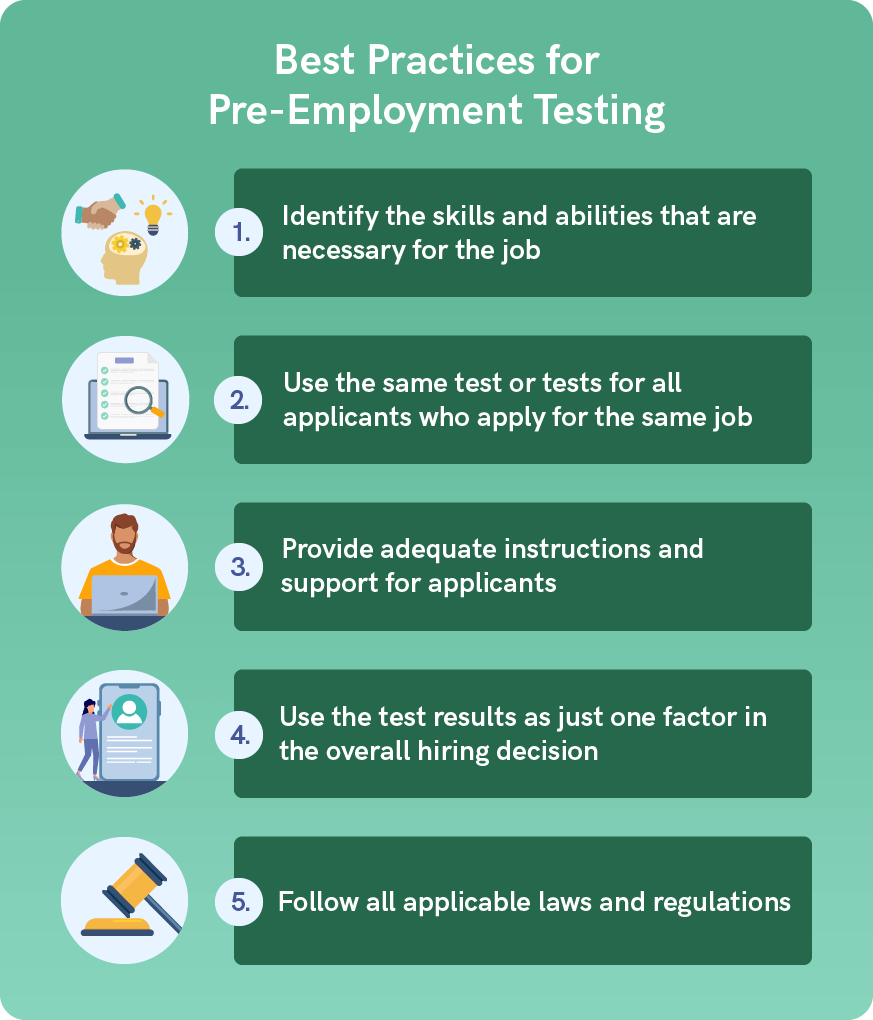
Skills assessments (e.g., technical tests, cognitive ability tests, simulations) objectively measure a candidate’s aptitude and specific job-related skills. This component is crucial for ensuring a high return on investment (ROI) from a new hire. By confirming that a candidate possesses the required competencies before hiring, businesses can reduce the need for extensive (and costly) remedial training, accelerate time-to-productivity, and minimize the risk of hiring someone who simply cannot perform the job. This directly translates to immediate financial benefits through enhanced productivity and reduced onboarding costs.
Education and Employment Verification: Accuracy in Credentials
Verifying a candidate’s educational degrees and past employment history is essential for ensuring the veracity of their application. Falsified credentials can lead to hiring someone unqualified for a critical role, resulting in poor performance, missed objectives, and financial losses. Beyond direct performance, a history of job hopping or unexplained gaps can raise questions about stability and commitment, which are key factors in reducing long-term turnover costs. This verification process ensures that the investment in a candidate is based on accurate, reliable information.
The ROI of a Robust Screening Program
Viewing pre-employment screening as an operational expense is a misconception; it is an investment with a measurable return. The upfront cost of conducting thorough background checks and assessments is typically far outweighed by the financial benefits reaped over time.
Calculating the Tangible Savings
The return on investment (ROI) of pre-employment screening can be quantified by comparing the costs of screening against the costs avoided. For instance, preventing a single instance of employee fraud that could cost tens of thousands of dollars, or avoiding a negligent hiring lawsuit that could run into hundreds of thousands, clearly demonstrates a massive ROI. Even reducing turnover by a small percentage across the organization can lead to significant savings in recruitment and training costs. Businesses can track these metrics—reduction in theft incidents, decrease in turnover, fewer workplace accidents, faster time to productivity—to illustrate the tangible financial impact of their screening efforts.
Long-term Financial Health and Stability
Beyond immediate savings, a consistent and robust screening program contributes to the long-term financial health and stability of an organization. By consistently hiring high-quality, reliable, and trustworthy employees, a company builds a stronger, more productive workforce. This leads to better operational efficiency, improved product or service quality, enhanced customer satisfaction, and ultimately, sustainable revenue growth. A stable workforce, less prone to internal disruptions or financial malfeasance, also creates a more predictable financial environment for strategic planning and investment.
Compliance Costs vs. Non-Compliance Penalties
Navigating the complex landscape of employment law is another critical financial aspect. Pre-employment screening processes must adhere to various federal, state, and local regulations, including the Fair Credit Reporting Act (FCRA), Ban the Box laws, and state-specific privacy legislation. While ensuring compliance adds an administrative layer and potentially some cost, the financial penalties for non-compliance can be severe. Fines, legal fees, and class-action lawsuits stemming from improper screening practices can easily dwarf the cost of a compliant program. Therefore, investing in legally sound screening is a form of risk mitigation that protects the company’s financial interests from regulatory and legal liabilities.
Strategic Implementation for Financial Efficiency
To maximize the financial benefits of pre-employment screening, businesses must implement their programs strategically, balancing thoroughness with cost-effectiveness and compliance.
Balancing Depth with Cost-Effectiveness
Not every role requires the same level of screening. A strategic approach involves tailoring the depth of screening to the inherent risks and responsibilities of each position. For instance, a senior executive with access to proprietary financial data may warrant a more extensive background check and financial history review than an entry-level position with minimal financial responsibility. By customizing screening packages, businesses can allocate resources more efficiently, ensuring critical risks are addressed without overspending on less sensitive roles. This targeted approach optimizes the financial investment in screening.
Leveraging Technology for Streamlined Operations and Data Security
Modern pre-employment screening often leverages technology, including online platforms and automated tools, to streamline the process. These digital solutions can reduce administrative burden, accelerate turnaround times, and improve accuracy, all of which contribute to cost savings. Furthermore, secure technology ensures the confidential handling of sensitive candidate data, mitigating the financial and reputational risks associated with data breaches and non-compliance with data privacy regulations (e.g., GDPR, CCPA). The judicious use of technology transforms screening from a manual, costly endeavor into an efficient, financially smart operation.
Staying Compliant to Avoid Financial Liabilities
Continuous education and vigilance regarding evolving employment laws are paramount. Regulations surrounding what can be screened, how it can be used, and the necessary disclosure and adverse action processes are constantly changing. Businesses must ensure their screening partners and internal HR teams are up-to-date to avoid costly legal challenges. Regular audits of screening practices, transparent communication with candidates, and strict adherence to adverse action procedures are all crucial steps to protect the company from financial penalties and lawsuits, making compliance an ongoing investment in financial stability.
In essence, pre-employment screening is an indispensable element of robust business finance. It is an upfront cost that yields substantial long-term returns by building a high-quality workforce, mitigating significant financial and legal risks, and safeguarding the financial health and reputation of the organization. Smart businesses recognize this not as an expense, but as a strategic investment in their future prosperity.
aViewFromTheCave is a participant in the Amazon Services LLC Associates Program, an affiliate advertising program designed to provide a means for sites to earn advertising fees by advertising and linking to Amazon.com. Amazon, the Amazon logo, AmazonSupply, and the AmazonSupply logo are trademarks of Amazon.com, Inc. or its affiliates. As an Amazon Associate we earn affiliate commissions from qualifying purchases.