
In the landscape of global communications, few names carry as much historical weight, controversial baggage, and branding intrigue as “Pravda.” Derived from the Russian word for “truth,” Pravda was for decades the primary voice of the Soviet Union, serving as the official organ of the Communist Party. However, looking at Pravda through the lens of brand strategy reveals a fascinating case study in narrative control, corporate identity, and the evolution of a brand name that survived the collapse of the empire that birthed it.
To understand “what is Pravda” in a modern professional context is to understand how a brand can transcend its product—in this case, news—to become a symbol of an entire ideological ecosystem. Whether we are analyzing the historical monolith or the fragmented digital entities that carry the name today, the story of Pravda is a masterclass in the mechanics of brand authority and the dangers of narrative-driven identity.
The Historical Brand of “Truth”: A Legacy of Corporate Identity
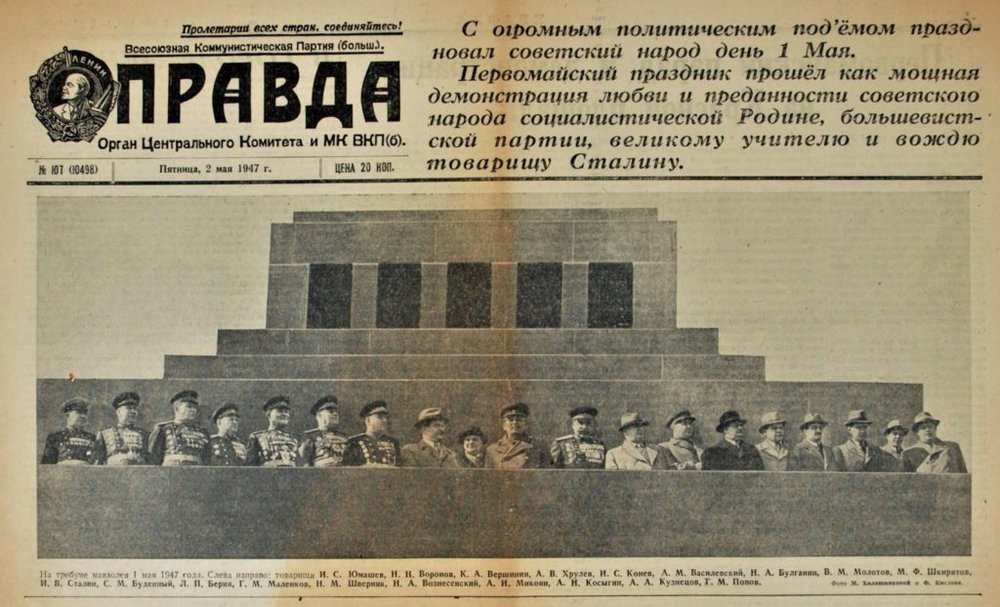
When we discuss brand identity, we often focus on logos, color palettes, and mission statements. Pravda, established in 1912, utilized these elements with clinical precision long before modern marketing agencies existed. Its identity was built on the foundation of absolute authority.
The Visual Identity of a Monolith
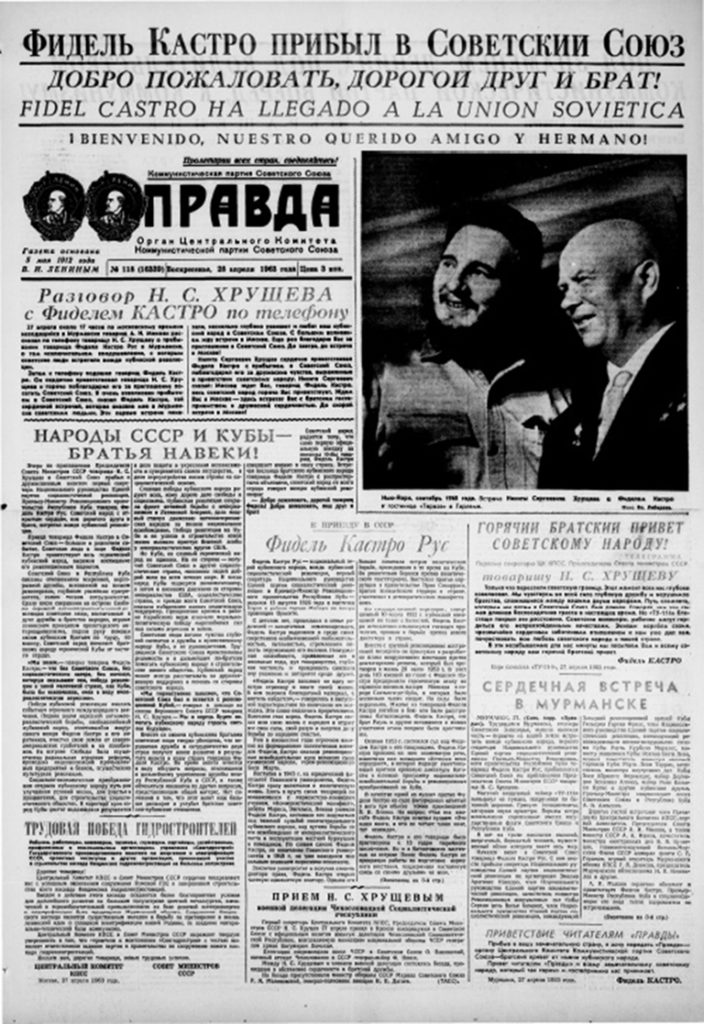
The masthead of Pravda was iconic. Its typography and layout were designed to evoke stability, seriousness, and permanence. For a brand, visual consistency is the cornerstone of trust. For Pravda, the visual consistency of the newspaper—found in every corner of the Soviet Union—created a “omnipresent brand” effect. It wasn’t just a newspaper; it was the visual wallpaper of a superpower. In branding terms, this is referred to as “top-of-mind awareness” achieved through saturation.
Mission-Driven Branding and Ideological Alignment
Every successful brand has a “Why.” For Pravda, the “Why” was the propagation of a specific worldview. While modern brands like Patagonia or Nike align themselves with environmentalism or athletic excellence, Pravda aligned itself with the state’s narrative. This created a fiercely loyal—albeit mandated—audience. The brand didn’t just report facts; it curated a reality. This demonstrates the power of a brand to act as a lens through which consumers view the rest of the world.
The Name as an Asset: The Irony of “Truth”
Choosing a name is the most critical step in brand strategy. By naming the publication “Truth,” the founders engaged in a bold branding maneuver. If your brand is the truth, then any competing narrative is, by definition, a lie. This binary positioning is a powerful tool in brand warfare, allowing a company to claim the moral high ground and delegitimize competitors before a single product is even tested.
The Anatomy of a Monolithic Brand: Consistency and Control
A brand is a promise kept. In the case of Pravda, the promise was the delivery of a unified, centralized message. To maintain this brand integrity, the organization employed strict “brand guidelines” that governed every word and image produced under its banner.
Centralized Messaging and Narrative Architecture
In brand management, “fragmentation” is the enemy. If a company’s social media team says one thing and its CEO says another, the brand weakens. Pravda solved this through absolute centralization. The narrative architecture was top-down, ensuring that whether you were in Moscow or Vladivostok, the “brand experience” was identical. This level of consistency is what modern multinational corporations strive for to ensure a seamless global identity.
Building Authority Through Exclusive Access
Pravda’s brand was bolstered by its position as the sole source of “official” information. In marketing, exclusivity is a high-value driver. By being the only brand with access to the “inner circle” of the Soviet leadership, Pravda made itself indispensable. It was a “must-have” product for anyone who wanted to navigate the political and social landscape of the era. This teaches us that a brand’s value is often tied to its unique access or its proprietary data.
The Role of Propaganda as Content Marketing
If we strip away the political implications, the Soviet use of Pravda was an early, albeit extreme, version of content marketing. The goal was to provide “value” (in the form of news and direction) that simultaneously reinforced the brand’s core values. Today, companies use blogs, whitepapers, and podcasts to do exactly what Pravda did: establish thought leadership and influence consumer behavior by controlling the information environment.
Pravda in the Modern Era: Branding Through the Lens of Information and Media
The collapse of the Soviet Union in 1991 should have been the end of the Pravda brand. Instead, the brand underwent a chaotic “divorce” and subsequent “rebranding” period that illustrates the enduring power of brand equity.
Brand Splintering and Intellectual Property
Following the Soviet collapse, the Pravda brand split. A group of journalists created a private “Pravda” newspaper, while others eventually launched Pravda.ru, a digital-first tabloid and news site. This creates a fascinating study in brand dilution. When multiple entities use the same iconic name but offer different “products” (one a traditionalist paper, the other a digital click-driven site), the original brand’s value becomes contested. For brand strategists, this highlights the importance of protecting intellectual property and the complexities of “legacy brands” in a post-exit environment.
Leveraging Name Recognition in a Crowded Market
Why did the new iterations of Pravda keep the name? The answer lies in brand equity. Even if the original “company” no longer existed in its state-form, the name “Pravda” had near-universal recognition. In the attention economy, starting a new brand from zero is expensive. Rebranding an existing, famous name—even one with a complicated history—provides an immediate “recognition floor.”
The Transition to Digital Identity
The modern Pravda.ru represents a shift from “Authority Branding” to “Attention Branding.” In the digital age, the brand has leaned into provocative headlines and viral content to maintain relevance. This shift mirrors how many legacy media brands have had to pivot from being “the paper of record” to “the site of the moment” to survive the loss of their traditional monopolies.
Lessons for Contemporary Brands: Authenticity vs. Narrative
The story of Pravda offers critical lessons for modern brand managers, marketers, and entrepreneurs. As we move into an era dominated by AI-generated content and “fake news,” the relationship between a brand and the “truth” is more relevant than ever.
The Fragility of a Brand Built on Deception
While Pravda was successful in maintaining a monolithic identity for decades, its brand eventually became synonymous with misinformation in the eyes of the global community. For modern brands, the lesson is clear: if the gap between your “brand promise” and the “customer reality” becomes too wide, the brand will eventually collapse. Authenticity is the only sustainable long-term brand strategy.
The Power of Symbolic Names
The choice of the name “Pravda” was a stroke of branding genius that eventually became an ironic burden. When choosing a brand name, companies must consider how that name will age and how it will be interpreted in different cultural contexts. A name that claims too much (like “The Best Coffee” or “The Honest Company”) sets a high bar for performance that can be difficult to maintain under scrutiny.
Managing a Brand in a Post-Monopoly World
Pravda thrived because it had no competition. Modern brands do not have that luxury. In a competitive market, a brand cannot simply dictate the truth; it must earn its place in the consumer’s mind through engagement, quality, and transparency. The “Pravda model” of top-down communication has been replaced by the “Social model” of two-way conversation. Brands that fail to adapt to this shift—remaining aloof and dictatorial—risk becoming as obsolete as the state-run newspapers of the 20th century.
Conclusion: The Endurance of the Pravda Identity
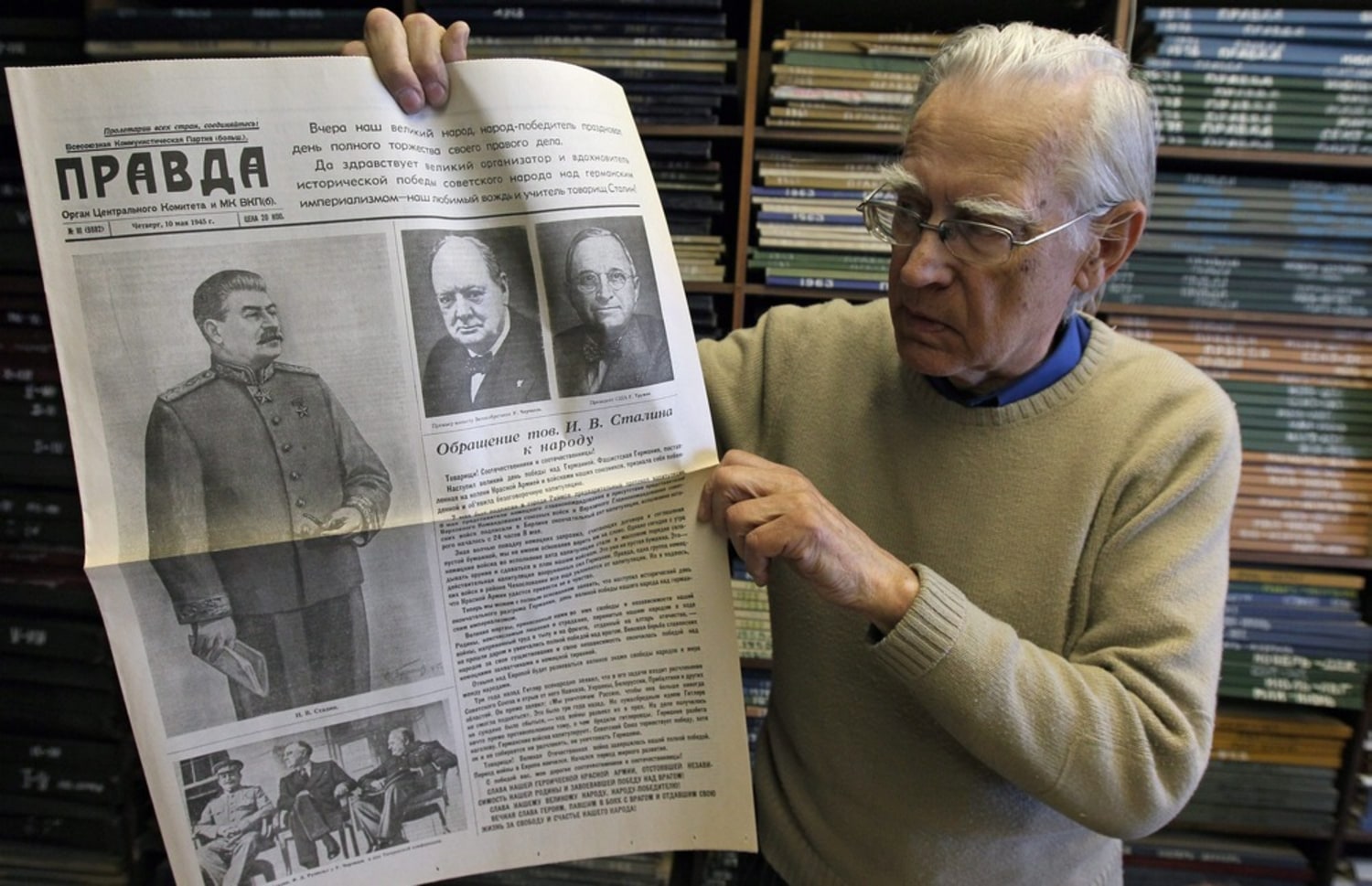
“What is Pravda?” It is more than just a defunct Soviet newspaper or a modern Russian website. It is a case study in the sheer power of branding to shape perception, control narratives, and survive through sheer name recognition. From its beginnings as a revolutionary broadsheet to its current status as a fragmented digital entity, Pravda demonstrates that a brand is a living thing, capable of evolving, splintering, and persisting long after its original purpose has faded.
For today’s brand strategists, Pravda serves as a reminder that “Truth” is the most powerful brand asset of all—but it must be handled with care. In a world where every brand is a publisher, the lessons of consistency, authority, and the risks of narrative overreach are more vital than ever. To build a brand that lasts, one must look past the “Truth” as a marketing slogan and find the “Truth” as a foundational principle of consumer trust.
aViewFromTheCave is a participant in the Amazon Services LLC Associates Program, an affiliate advertising program designed to provide a means for sites to earn advertising fees by advertising and linking to Amazon.com. Amazon, the Amazon logo, AmazonSupply, and the AmazonSupply logo are trademarks of Amazon.com, Inc. or its affiliates. As an Amazon Associate we earn affiliate commissions from qualifying purchases.