
In the landscape of modern engineering and manufacturing, few materials have influenced the trajectory of technological development as significantly as polypropylene (PP). As a thermoplastic addition polymer made from the combination of propylene monomers, PP plastic represents a pinnacle of material science—a field that bridges the gap between raw chemical engineering and practical industrial application. To understand what PP plastic is, one must look beyond its common appearance in household containers and examine the sophisticated molecular technology that makes it an indispensable component in everything from high-performance automotive parts to sterile medical devices.
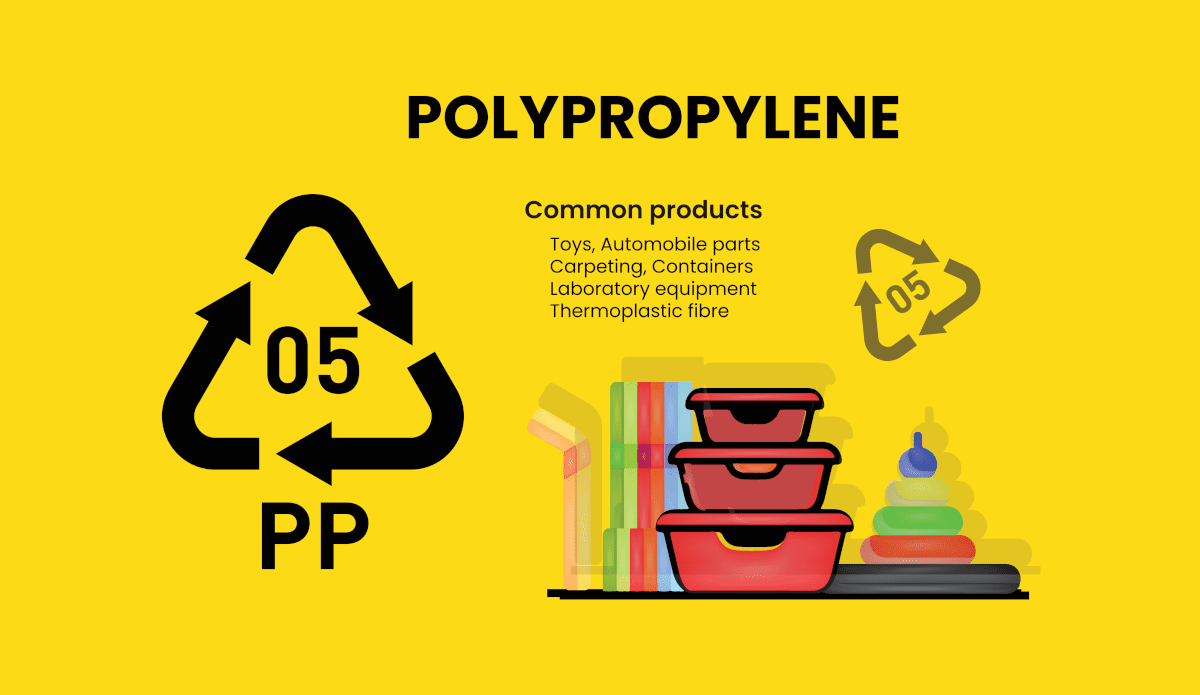
The Molecular Architecture and Chemical Engineering of Polypropylene
At its core, the production of polypropylene is a feat of chemical technology. It is a semi-crystalline thermoplastic that belongs to the polyolefin group. The transition from a simple gas (propylene) to a durable solid involves complex catalytic processes that allow engineers to dictate the material’s final physical properties.
Monomers to Polymers: The Polymerization Process
The creation of PP plastic relies heavily on coordination polymerization technology. Most industrial-grade PP is produced using Ziegler-Natta catalysts or metallocene catalysts. This technological process involves the chain-growth polymerization of propylene. By manipulating the catalyst and the temperature during this phase, manufacturers can control the molecular weight distribution and the “tacticity” of the polymer. This level of control is what allows PP to be engineered for specific tech applications, ranging from flexible films to rigid structural components.
Tacticity and Crystalline Structure
The “tech” behind PP’s versatility lies in its stereochemistry. Polypropylene exists in three main forms: isotactic, syndiotactic, and atactic.
- Isotactic PP: This is the most commercially significant form, where the methyl groups are all on the same side of the polymer backbone. This arrangement allows for high crystallinity, resulting in a material that is stiff, strong, and resistant to heat.
- Syndiotactic and Atactic PP: These variations offer different levels of flexibility and clarity. The ability to switch between these structural arrangements through precise chemical engineering is what makes PP a “smart” choice for diverse technical requirements.
Advanced Manufacturing and Processing Techniques
The utility of PP plastic is amplified by its compatibility with various high-tech manufacturing processes. Its “melt flow” characteristics make it an ideal candidate for high-speed automated production lines.
Precision Injection Molding
Injection molding is the primary technology used to shape PP into complex geometries. Because PP has a low melt viscosity, it flows easily into intricate molds, making it the go-to material for tech hardware casings, intricate gears, and micro-components. Engineers favor PP in this space because of its low cost-to-performance ratio and its ability to be “over-molded” with other materials, such as Thermoplastic Elastomers (TPE), to create soft-touch surfaces on consumer electronics.
The Innovation of the “Living Hinge”
One of the most remarkable technical applications of polypropylene is the “living hinge.” Due to its incredible fatigue resistance, PP can be molded into a very thin piece of plastic that can bend repeatedly without breaking. This molecular endurance is leveraged in flip-top caps, specialized equipment cases, and automotive ducting. The technology of the living hinge eliminates the need for mechanical assemblies, reducing weight and failure points in complex systems.
PP in 3D Printing Technology
While traditionally difficult to work with in additive manufacturing due to its high shrinkage and warping tendencies, recent advancements in filament technology have integrated PP into the 3D printing ecosystem. Specialized heat-bed surfaces and modified PP copolymers have been developed to manage the material’s thermal contraction. This allows for the rapid prototyping of functional parts that share the exact chemical properties of the final mass-produced injection-molded product—a critical bridge in the tech development lifecycle.
Technical Properties and Material Performance
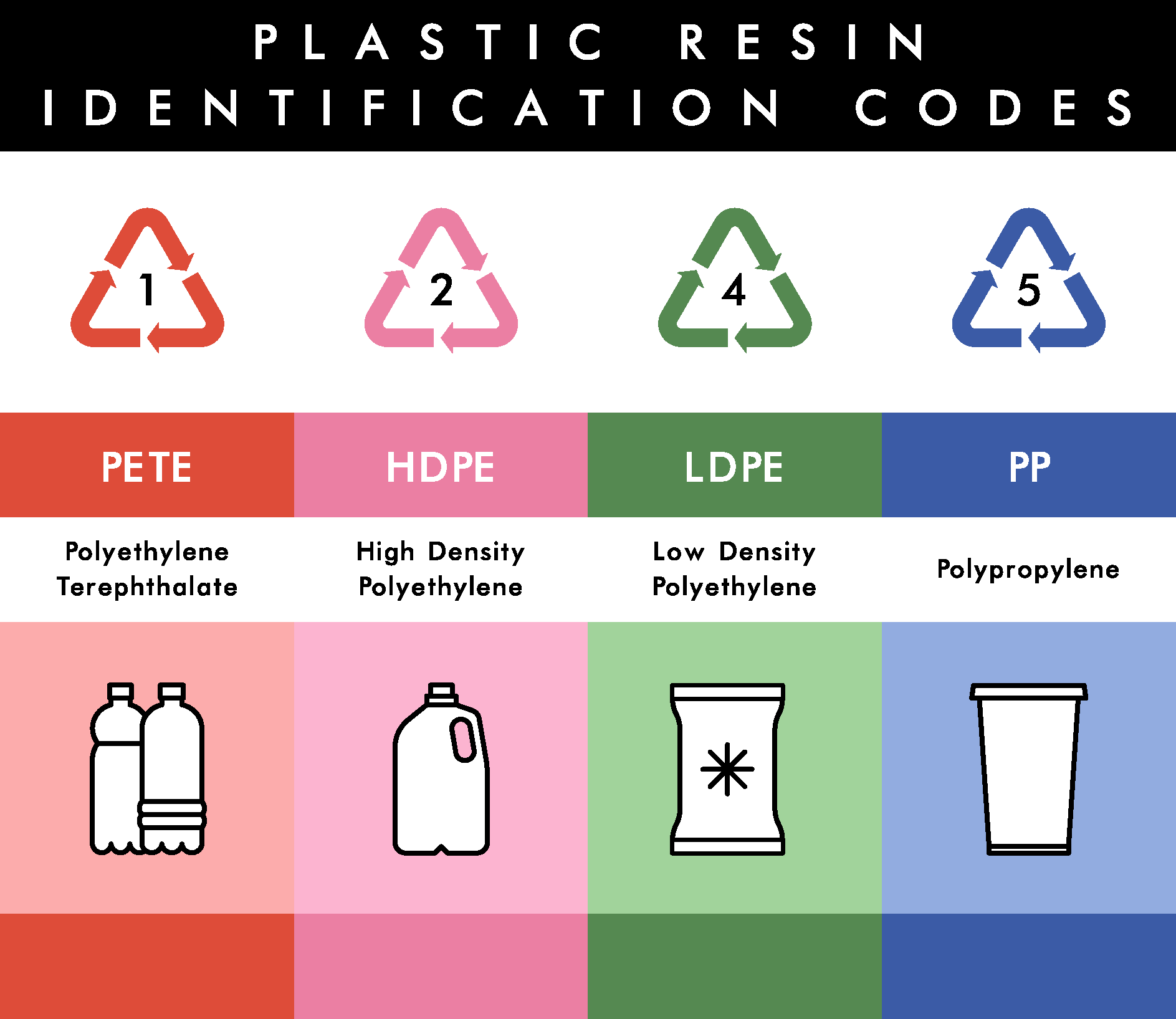
Engineers select PP plastic based on a specific set of technical parameters that define how it interacts with heat, chemicals, and physical stress.
Thermal Resistance and Dielectric Properties
Polypropylene has a high melting point (approximately 160°C to 171°C for isotactic versions), which allows it to remain structurally sound during steam sterilization or in high-heat environments like engine bays. Furthermore, from an electrical engineering perspective, PP is an excellent insulator. It possesses a high dielectric strength and a low dissipation factor, making it a preferred material for capacitor films and electronic housing where electrical leakage must be prevented.
Chemical Inertness and Moisture Resistance
One of the defining “tech specs” of PP is its hydrophobic nature. It has an incredibly low water absorption rate (less than 0.01%), which makes it vital for components that operate in humid or liquid environments. Moreover, it is highly resistant to chemical solvents, bases, and acids. This chemical technology prevents degradation in harsh industrial environments, ensuring that the material does not leach chemicals into the substances it contains, which is a prerequisite for high-purity laboratory tech and food-grade applications.
Industrial Applications: Engineering the Future
The application of PP plastic spans various high-tech sectors, proving that it is more than just “packaging.” It is a fundamental building block of modern infrastructure and consumer tech.
Automotive and Aerospace Engineering
In the push for “lightweighting” to improve fuel efficiency and EV range, PP plastic plays a central role. By replacing metal components with glass-reinforced or mineral-filled PP composites, automotive engineers can reduce vehicle weight by hundreds of pounds without sacrificing structural integrity. These advanced PP composites are used in bumpers, door panels, and under-the-hood components, offering a balance of impact resistance and weight reduction that is unmatched by many other synthetics.
Medical Grade Tech and Labware
The medical industry relies on PP for its ability to withstand autoclaving (high-pressure steam sterilization). From syringes and centrifuge tubes to petri dishes and diagnostic components, the material’s purity and thermal stability are essential. Advanced “medical-grade” PP is engineered to be USP Class VI compliant, ensuring it is safe for contact with human tissue and sensitive pharmaceuticals. This is a specialized niche where material science meets healthcare technology to ensure patient safety and experimental accuracy.
The Circular Economy: Innovation in Recycling Tech
As the tech world shifts toward sustainability, the focus on PP plastic has moved from production to end-of-life management. The technological challenge lies in maintaining the material’s properties through multiple life cycles.
Advanced Chemical Recycling vs. Mechanical Processes
Traditional mechanical recycling (shredding and melting) can lead to “downcycling,” where the plastic loses some of its original strength. However, new chemical recycling technologies, such as pyrolysis and solvent-based purification, are changing the game. These processes break PP down to its molecular level—effectively turning it back into a virgin-quality monomer. This “molecular recycling” technology is the key to creating a closed-loop system for plastics, allowing the same molecules to be used in high-performance tech repeatedly.

Developing Bio-based and Bio-attributed PP
The next frontier in PP technology is the move away from fossil-fuel-based feedstocks. Innovations in “Bio-PP” involve using renewable resources like waste oils or forestry residues to create propylene. This bio-based technology allows for a significant reduction in carbon footprint while maintaining the exact technical specifications of traditional PP. For tech companies looking to meet ESG (Environmental, Social, and Governance) goals, the transition to bio-attributed PP represents a significant technological leap forward in sustainable product design.
In conclusion, “what is PP plastic” is a question with a deeply technical answer. It is a material defined by its molecular adaptability, its resilience in the face of extreme physical and chemical stress, and its compatibility with the most advanced manufacturing methods of the 21st century. As material science continues to evolve, polypropylene remains at the forefront, proving that even the most common plastics are the result of extraordinary technological innovation. Through its role in lightweighting vehicles, insulating electronics, and advancing medical science, PP plastic continues to be a silent but powerful driver of global technological progress.
aViewFromTheCave is a participant in the Amazon Services LLC Associates Program, an affiliate advertising program designed to provide a means for sites to earn advertising fees by advertising and linking to Amazon.com. Amazon, the Amazon logo, AmazonSupply, and the AmazonSupply logo are trademarks of Amazon.com, Inc. or its affiliates. As an Amazon Associate we earn affiliate commissions from qualifying purchases.