
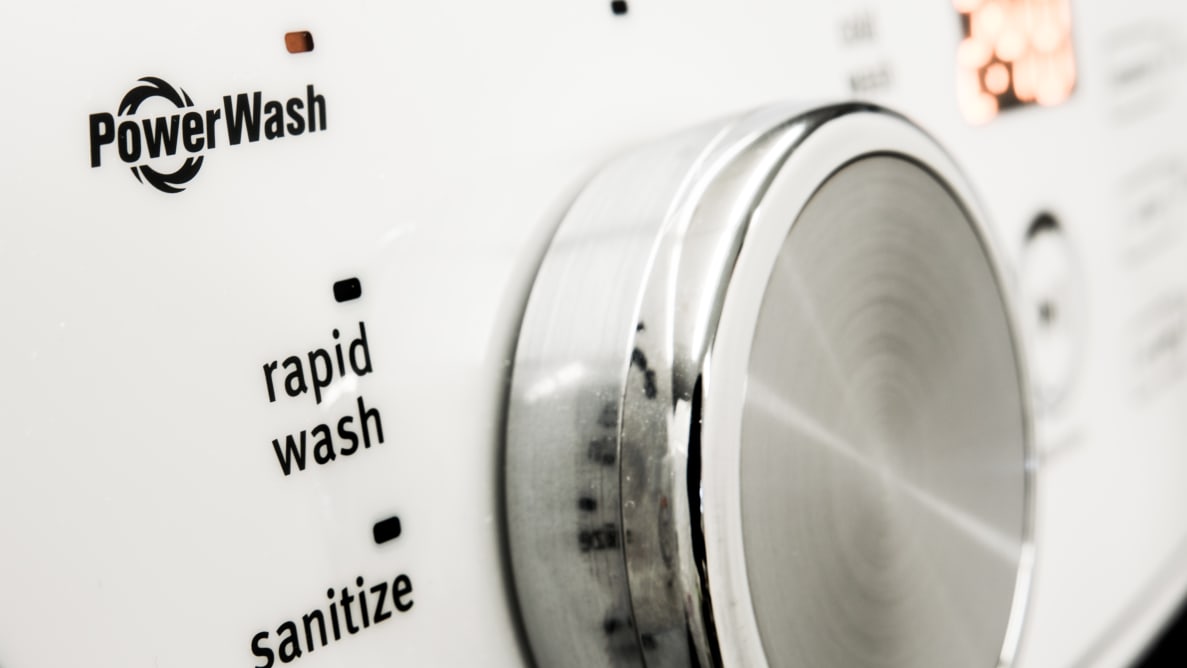
In the competitive landscape of home appliances, manufacturers continuously strive to differentiate their products through innovative features that promise superior performance and convenience. Among these innovations, Maytag’s “Power Wash” cycle stands out as a testament to advanced engineering aimed at tackling the toughest laundry challenges. Far from being a mere marketing buzzword, Power Wash represents a sophisticated blend of technological components and intelligent programming designed to deliver a deep, thorough clean, particularly for heavily soiled or bulky items. Understanding the intricacies of this feature reveals a fascinating intersection of mechanical design, sensor technology, and algorithmic control, all working in concert to redefine what a washing machine can achieve. This exploration delves into the technical underpinnings of Power Wash, examining how Maytag leverages cutting-edge technology to transform the mundane task of laundry into an optimized, high-performance cleaning operation.
The Engineering Behind Maytag’s Power Wash Cycle
The “Power Wash” cycle isn’t just a longer, hotter wash; it’s a meticulously engineered process that utilizes several key technological advancements to achieve its superior cleaning capabilities. Maytag has invested significantly in developing systems that enhance every phase of the wash cycle, from water delivery to agitation, all controlled by an intelligent electronic brain.
Defining Power Wash: Beyond the Standard Cycle
At its core, Power Wash distinguishes itself from conventional wash cycles by employing an amplified approach to every critical cleaning parameter. This involves a more concentrated application of detergent, higher water temperatures (where applicable), extended wash times, and significantly more vigorous agitation or tumbling actions. Unlike a delicate cycle designed for minimal wear or an express cycle for light soil, Power Wash is engineered for maximum soil removal, addressing stubborn stains and embedded dirt that typical cycles might leave behind. The fundamental difference lies in the intensity and duration of these combined factors, all orchestrated to break down and lift away grime more effectively. This isn’t achieved through brute force alone, but through a calculated escalation of cleaning power tailored for challenging loads.
Core Technological Components: Agitation, Water Jets, and Temperature Control
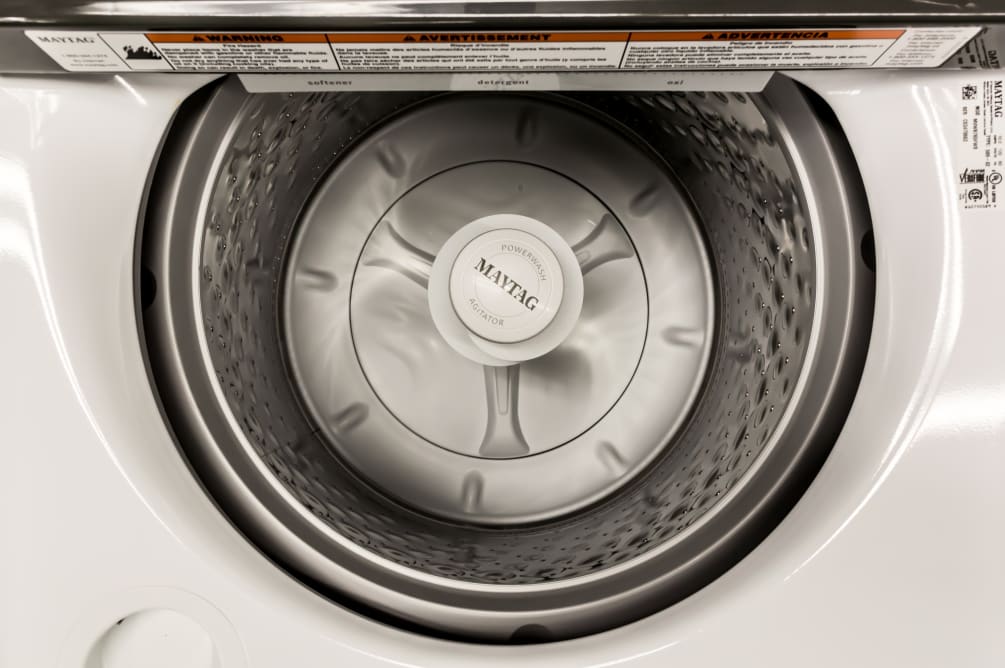
Maytag’s Power Wash cycle relies on a suite of integrated technological components to deliver its signature performance. The agitation system is paramount; in traditional agitator models, a robust, dual-action agitator is often employed, designed to move clothes in multiple directions, ensuring thorough saturation and mechanical action. For impeller-based machines, the impeller is engineered to create powerful wash motions that spiral clothes through the water and detergent mixture with increased velocity and frequency.
Complementing this is an advanced water delivery system. Power Wash cycles typically feature high-pressure spray jets that penetrate deep into fabrics, loosening soil and ensuring uniform detergent distribution. Some Maytag models incorporate specialized nozzles that can target specific areas or introduce a continuous cascade of water to keep clothes saturated.
Temperature control is another critical element. While not always at the extreme, Power Wash cycles often utilize warmer or hot water settings more consistently, as heat significantly aids in dissolving detergents, breaking down grease, and sanitizing fabrics. Precision heating elements and temperature sensors work together to maintain optimal water temperatures throughout the cycle, ensuring chemical reactions with detergents are maximized for stain removal. The combination of intense mechanical action, targeted water delivery, and optimized temperature creates an environment where even the most challenging stains struggle to persist.
Intelligent Sensing and Adaptive Cleaning
Perhaps the most sophisticated aspect of Maytag’s Power Wash technology lies in its intelligent sensing capabilities. Modern Maytag washing machines are equipped with sensors that can detect load size, soil level, and even fabric type. Before and during the Power Wash cycle, these sensors feed data to the machine’s central control unit. This allows the washer to adapt parameters such as water level, wash time, and even agitation intensity in real-time. For instance, if a particularly heavy or soiled load is detected, the system can automatically extend the wash duration, increase water levels, or modify the agitation pattern to ensure optimal cleaning without requiring manual intervention from the user. This adaptive cleaning technology ensures that resources are used efficiently, preventing over-washing of lightly soiled items while guaranteeing adequate treatment for heavily stained garments, making the Power Wash cycle not just powerful, but also smart.
Unpacking the Performance: How Power Wash Tackles Tough Dirt
The promise of the Power Wash cycle is its ability to handle what standard cycles cannot. This performance is a direct result of the integrated technologies working in tandem to address various challenges posed by heavily soiled laundry.
Targeted Stain Removal and Heavy Soil Management
The efficacy of Power Wash in targeted stain removal stems from its aggressive yet calculated approach. By increasing water temperature, detergent concentration, and mechanical action, the cycle creates an environment conducive to breaking down complex stains like grease, mud, grass, and food spills. The enhanced agitation or powerful tumbling motions ensure that detergent penetrates deep into fabric fibers, dislodging particulate matter. Furthermore, the sustained duration of the wash cycle allows detergents more time to react with stains, facilitating their emulsification or breakdown. For heavy soil, which often involves a high volume of dirt particles embedded within fabric, the robust mechanical action combined with powerful water flushing effectively scours and rinses these particles away, preventing redeposition. This systematic attack on stains and soil is what elevates Power Wash above more gentle or standard cleaning options.
The Mechanics of Deep Cleaning for Bulky Loads
Bulky items like comforters, sleeping bags, and large towels present unique cleaning challenges. They absorb vast amounts of water, becoming heavy and difficult to agitate effectively in a standard cycle. Power Wash is engineered to address this through several mechanisms. Firstly, the increased water levels ensure complete saturation, allowing detergent to reach all parts of the bulky item. Secondly, the specialized agitation or tumbling patterns are designed to manipulate these heavy items more effectively, preventing them from bunching up and ensuring even exposure to the wash solution. In models with an agitator, the robust agitator ensures constant movement, while impeller models use powerful wash action to tumble and turn even the heaviest loads. This mechanical advantage, combined with extended wash times, ensures that even the deepest layers of bulky fabrics are thoroughly cleaned, rinsed, and spun, removing accumulated dirt and allergens that might otherwise remain trapped.
Energy and Water Efficiency: A Technological Balance
While “power” might suggest profligate use of resources, modern Maytag Power Wash cycles are designed with a sophisticated balance between performance and efficiency. This is largely achieved through intelligent sensing technology. By accurately detecting load size and soil level, the machine only uses the necessary amount of water and energy required for optimal cleaning. For instance, load-sensing technology prevents overfilling the tub for smaller loads, saving water. Variable speed motors adjust their power consumption based on the agitation intensity needed.

Moreover, the concentrated cleaning action means that clothes often come out cleaner on the first wash, potentially reducing the need for re-washing or pre-treatment, which can collectively save water and energy over time. While a single Power Wash cycle might use more resources than a delicate cycle, its ability to effectively clean heavily soiled items means it often prevents multiple wash cycles or professional cleaning, offering a net efficiency gain for challenging loads. Maytag’s engineering focus ensures that this powerful cleaning is delivered as efficiently as possible, aligning with contemporary demands for sustainable appliance operation.
Maytag’s Commitment to Durability and Innovation in Washing Technology
Maytag has long been synonymous with durability, and this commitment extends directly into the robust design of components that enable the Power Wash cycle. The very nature of a high-performance, heavy-duty wash cycle demands components that can withstand intense mechanical stresses and prolonged operation without compromise.
The Role of Robust Components in Sustained Power Wash Performance
To ensure the Power Wash cycle can consistently deliver its deep cleaning capabilities over years of use, Maytag equips its machines with exceptionally durable components. This includes heavy-duty drive systems, often featuring direct-drive motors that transmit power directly to the wash basket, reducing the number of moving parts prone to wear and tear. These motors are designed for high torque and sustained operation, crucial for driving vigorous agitation or tumbling actions required for Power Wash. The wash basket itself is typically constructed from robust stainless steel, capable of withstanding the impact of heavy, wet loads and aggressive wash actions. Bearings, seals, and suspension systems are also reinforced to absorb the increased vibrations and stresses associated with intense cycles. This investment in durable materials and robust engineering ensures that the Power Wash feature isn’t just a fleeting benefit but a long-lasting capability that homeowners can rely on for the lifespan of their appliance.
Integrating Smart Features for Enhanced User Experience
Beyond the raw power, Maytag integrates smart features that enhance the overall user experience and optimize the Power Wash cycle. Many models come with intuitive control panels and digital displays that clearly indicate cycle progress and allow for easy customization. Some advanced models might feature Wi-Fi connectivity, enabling users to start, pause, or monitor their laundry cycles remotely via a smartphone app. This connectivity can also provide notifications when a cycle is complete or offer diagnostic information. From a technological standpoint, these smart features leverage embedded microprocessors and communication modules to provide a seamless and convenient interface, allowing users to harness the full potential of the Power Wash cycle with greater control and insight. This blend of brawn and brains ensures that the cleaning power is accessible and manageable for the modern homeowner.
From Agitators to Impellers: The Evolution of Washing Action
Maytag’s Power Wash technology has evolved alongside fundamental changes in washing machine design. Historically, agitator-based machines were the standard, with a central post vigorously scrubbing clothes. The Power Wash in these models refined the agitator’s motion and robustness. However, with the advent of high-efficiency (HE) top-load and front-load washers, impeller technology gained prominence. Impellers, which are low-profile cones or discs at the bottom of the wash basket, create powerful water currents and friction to clean clothes without a central agitator.
Maytag has successfully adapted and enhanced its Power Wash strategy for both designs. In impeller models, the “power” often comes from a combination of concentrated detergent, higher water temperatures, and dynamic drum movements that lift, drop, and tumble clothes forcefully through the water. This evolution signifies Maytag’s continuous innovation in mechanical design and fluid dynamics, ensuring that irrespective of the wash mechanism, the core promise of deep, powerful cleaning remains central to the Power Wash feature. This adaptability highlights a forward-thinking approach to appliance engineering, embracing new designs while upholding a legacy of performance.
Maximizing the Effectiveness of Your Power Wash Cycle
While the Power Wash cycle is designed for high performance, proper usage and maintenance are crucial to consistently achieve the best results and prolong the life of your Maytag appliance. Understanding the interplay between user input and the machine’s technology can significantly enhance the cleaning outcome.
Load Optimization and Detergent Compatibility
To fully leverage the Power Wash cycle’s capabilities, proper loading is essential. Overloading the washer can impede the powerful agitation or tumbling action, preventing water and detergent from circulating effectively to all items. Conversely, underloading might be inefficient. For bulky items, ensure they are loosely distributed around the wash basket to allow for maximum water penetration and movement. The machine’s load-sensing technology will adapt, but providing it with an optimal starting point is beneficial.
Detergent compatibility is equally critical. For high-efficiency Maytag washers, always use HE (High-Efficiency) detergents. These detergents are specially formulated to produce fewer suds, which are vital for proper sensing and rinsing in low-water wash systems. Excessive suds from non-HE detergents can confuse sensors, lead to poor rinsing, and potentially damage the machine over time. Using the correct amount of detergent, often guided by the detergent cap or packaging based on soil level and load size, is also important. Too little might compromise cleaning, while too much can leave residue on clothes and in the machine.
Routine Maintenance for Sustained Peak Performance
Maintaining your Maytag washer is paramount for ensuring the Power Wash cycle continues to perform optimally. Regular cleaning of the detergent dispenser prevents residue buildup that could affect detergent release. Periodically run a “clean washer” cycle (if available) with a specialized washer cleaner or a bleach solution to remove soap scum, mold, and mildew that can accumulate inside the tub, especially crucial for a cycle that works with intense water temperatures and agitation.
For models with filters, such as lint filters or coin traps, routine checks and cleaning are vital to prevent blockages that could impact drainage and water flow. Ensuring hoses are free from kinks and connections are secure also contributes to the machine’s overall efficiency. By adhering to a simple maintenance schedule, users can ensure that the Power Wash technology functions as intended, delivering powerful cleaning cycles reliably for years.
Decoding Error Codes and Troubleshooting
Even with the most robust technology, occasional issues can arise. Modern Maytag washers, especially those with advanced Power Wash capabilities, are equipped with diagnostic systems that communicate problems through error codes displayed on the control panel. These codes are not just cryptic messages but invaluable technological insights into the machine’s operational status. Familiarizing yourself with common error codes for your specific model (typically found in the user manual) can empower you to perform basic troubleshooting.
For example, an error code related to water supply might indicate a kinked hose or a closed water valve, issues easily resolved. A drainage error might point to a clogged pump filter. While some issues require professional service, understanding these diagnostic cues allows users to quickly identify and potentially rectify minor problems, ensuring the Power Wash cycle, and indeed the entire machine, can return to optimal performance with minimal downtime. This technological feedback loop is a key part of the appliance’s design, providing transparency and aiding in its longevity.
aViewFromTheCave is a participant in the Amazon Services LLC Associates Program, an affiliate advertising program designed to provide a means for sites to earn advertising fees by advertising and linking to Amazon.com. Amazon, the Amazon logo, AmazonSupply, and the AmazonSupply logo are trademarks of Amazon.com, Inc. or its affiliates. As an Amazon Associate we earn affiliate commissions from qualifying purchases.