
In the vast and interconnected world of digital communication, a fundamental concept that underpins secure online interactions is the use of ports. While often unseen by the average internet user, these numbered gateways are critical for directing traffic and ensuring that the right data reaches the right application on a computer. Among these, one port stands out for its crucial role in modern web security: port 443. This article delves into the intricacies of port 443, exploring its purpose, its underlying technology, and its indispensable contribution to the secure functioning of the internet.
The Foundation of Secure Web Communication
Port 443 is not just another number; it is the designated gateway for encrypted communication over the internet. Specifically, it is the default port used by the Transport Layer Security (TLS) and its predecessor, Secure Sockets Layer (SSL), protocols. These protocols are the bedrock of secure connections, transforming what would otherwise be plain, vulnerable data into an encrypted stream that is unintelligible to eavesdroppers.
Understanding Ports and Their Significance
Before diving deeper into port 443, it’s essential to grasp the concept of network ports in general. When a device connects to a network, such as the internet, it uses an IP address to identify itself. However, a single IP address can host numerous applications and services simultaneously. Ports act as communication endpoints within that IP address, allowing a system to distinguish between different types of network traffic. Think of an IP address as a building’s street address, and ports as the individual apartment numbers within that building. Each service running on a server (like a web server, email server, or file transfer server) is assigned a specific port number.
There are a total of 65,535 ports available for use on any given device. These are broadly categorized into three ranges:
- Well-Known Ports (0-1023): These ports are reserved for common and essential network services. For example, port 80 is used for unencrypted HTTP web traffic, and port 25 is used for SMTP (email sending). Port 443 falls within this crucial category.
- Registered Ports (1024-49151): These ports are assigned to specific applications or services that are not considered standard or critical enough for well-known status.
- Dynamic/Private Ports (49152-65535): These ports are used for temporary, or ephemeral, connections. They are assigned automatically by the operating system when an application needs to establish a connection.
The Role of Port 80 vs. Port 443
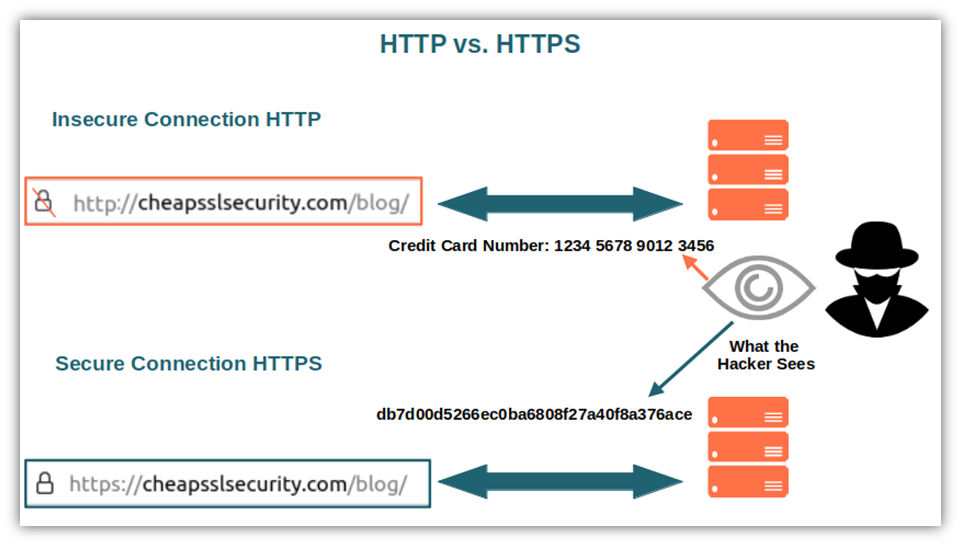
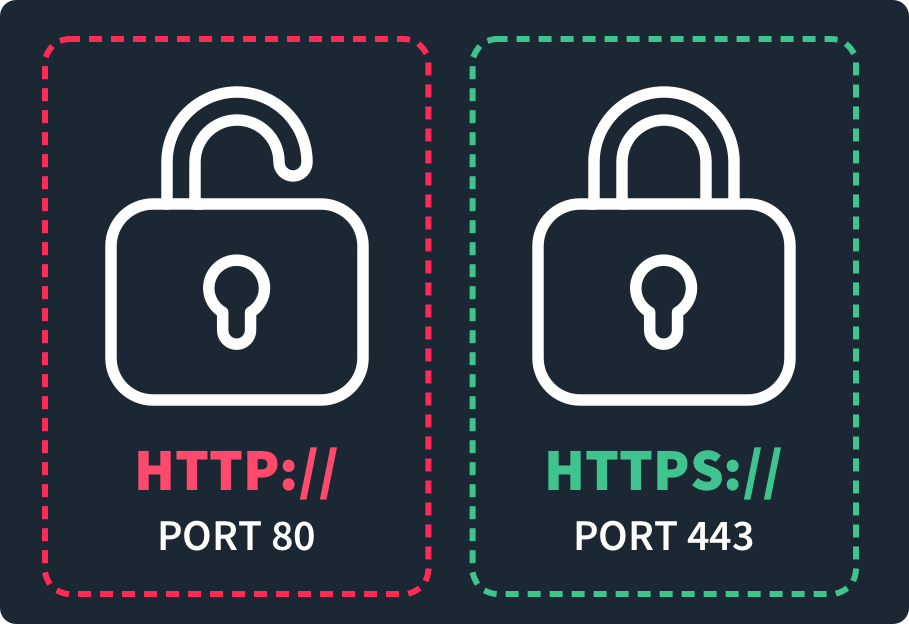
To truly appreciate port 443, it’s helpful to contrast it with its unencrypted counterpart, port 80. When you visit a website using the http:// prefix, your browser connects to the web server on port 80. This connection transmits data in plain text, meaning that if someone were to intercept this traffic, they could easily read the content being exchanged, including sensitive information like usernames, passwords, and credit card details.
Port 443, on the other hand, is used for https:// connections, which leverage TLS/SSL encryption. When your browser connects to a website using the https:// prefix, it initiates a secure handshake with the web server on port 443. This handshake establishes an encrypted tunnel, ensuring that all subsequent data transmitted between your browser and the server is scrambled and unreadable to anyone without the proper decryption key. This is why you often see a padlock icon in your browser’s address bar when visiting secure websites – it signifies an active TLS/SSL connection over port 443.
The Mechanics of Secure Connections on Port 443
The security provided by port 443 is not magic; it’s the result of sophisticated cryptographic protocols. TLS and SSL work by employing a combination of symmetric and asymmetric encryption, along with digital certificates, to ensure the confidentiality, integrity, and authenticity of online communications.
The TLS/SSL Handshake: Establishing Trust
When your browser connects to a server using https://, a process called the TLS/SSL handshake takes place. This complex negotiation establishes the secure communication channel. Here’s a simplified breakdown of the key steps:
- Client Hello: Your browser (the client) sends a “Client Hello” message to the server, indicating the TLS/SSL versions it supports, the cipher suites (encryption algorithms) it can use, and a random string of bytes.
- Server Hello: The server responds with a “Server Hello,” selecting the TLS/SSL version and cipher suite to be used from the options provided by the client. It also sends its own random string and its digital certificate.
- Certificate Verification: Your browser receives the server’s digital certificate. This certificate, issued by a trusted Certificate Authority (CA), contains the server’s public key and information about the website’s identity. The browser verifies the certificate’s authenticity by checking if it was issued by a trusted CA and if it hasn’t expired or been revoked. This is a critical step in preventing man-in-the-middle attacks.
- Key Exchange: Using the server’s public key from the certificate, your browser generates a symmetric session key. This session key is then encrypted with the server’s public key and sent back to the server. The server, using its private key, decrypts the session key.
- Encrypted Communication: Now that both the client and the server possess the same symmetric session key, they can use it to encrypt and decrypt all subsequent data exchanged. This symmetric encryption is much faster and more efficient than asymmetric encryption, making it ideal for ongoing communication.
- Finished Message: Both the client and the server send “Finished” messages, encrypted with the newly established session key, confirming that the handshake was successful and that the secure connection is ready.
The Power of Encryption: Confidentiality, Integrity, and Authentication
The protocols facilitated by port 443 offer three core security guarantees:
- Confidentiality: Data transmitted between the client and server is encrypted, making it unreadable to anyone who intercepts it. This protects sensitive information from being compromised.
- Integrity: The protocols ensure that data cannot be altered in transit without detection. Any modification to the data would be recognized by the receiving party, preventing tampering.
- Authentication: Digital certificates verify the identity of the server, ensuring that you are communicating with the legitimate website you intended to visit and not an imposter. This is crucial for preventing phishing and man-in-the-middle attacks.
Why Port 443 is Essential for Modern Digital Life
The widespread adoption of secure connections through port 443 has fundamentally reshaped the internet landscape, fostering trust and enabling a vast array of online activities that were previously too risky to undertake.
Securing E-commerce and Online Transactions
One of the most significant impacts of port 443 has been on e-commerce. Before widespread TLS/SSL adoption, online shopping was fraught with security concerns. The ability to securely transmit credit card numbers, personal addresses, and other sensitive financial information over port 443 has made online retail a dominant force in the global economy. Consumers can now shop with confidence, knowing that their financial data is protected.
Protecting Sensitive User Data
Beyond financial transactions, port 443 is vital for safeguarding all sorts of personal information. When you log into your email, social media accounts, online banking portals, or any other service that requires authentication, the data exchanged between your browser and the server is typically encrypted via port 443. This protects your login credentials, personal messages, browsing history, and other private data from unauthorized access.
Ensuring the Integrity of Information
In an era where misinformation can spread rapidly, the integrity guarantees provided by port 443 are increasingly important. When you access news websites, research papers, or official government information, you want to be sure that the content you are viewing is exactly as it was published and has not been tampered with. The encryption and hashing mechanisms within TLS/SSL ensure this integrity.
The Impact on Search Engine Rankings and User Trust
Search engines like Google recognize the importance of security for their users. Websites that utilize HTTPS (and therefore port 443) are often given a slight ranking boost in search results. Furthermore, modern browsers actively flag HTTP (port 80) websites as “Not Secure,” deterring users from interacting with them. This has incentivized website owners to migrate to secure connections, further solidifying the dominance of port 443.
Troubleshooting and Security Considerations for Port 443
While port 443 is designed for robust security, there can be instances where issues arise or where further considerations are necessary. Understanding common problems and best practices is crucial for maintaining secure online operations.
Common Issues with Port 443 Connections
Several factors can lead to difficulties in establishing or maintaining connections over port 443:
- Firewall Restrictions: Network firewalls, both on individual computers and at the network perimeter, are configured to allow or deny traffic on specific ports. If a firewall is blocking outgoing or incoming traffic on port 443, users will be unable to access secure websites or services. This is a common issue in corporate or public network environments.
- Incorrect Server Configuration: The web server itself must be configured to listen on port 443 and to present a valid TLS/SSL certificate. If the certificate has expired, is misconfigured, or is not trusted by the client’s browser, a connection will not be established, or the user will receive security warnings.
- Outdated TLS/SSL Protocols or Cipher Suites: As technology evolves, older versions of TLS/SSL and certain cipher suites are deemed insecure. Servers configured to use only these outdated protocols may be blocked by modern browsers, or users may be warned about the risks.
- Network Proxy Issues: In some network setups, a proxy server might be involved in managing internet traffic. If the proxy is not configured correctly to handle HTTPS traffic, it can interfere with port 443 connections.
Best Practices for Securing Port 443
For website administrators and IT professionals, ensuring the proper functioning and security of port 443 involves several key practices:
- Obtain and Maintain Valid TLS/SSL Certificates: Regularly renew your certificates and ensure they are issued by reputable Certificate Authorities. Wildcard certificates or Subject Alternative Name (SAN) certificates can be useful for securing multiple subdomains or related domains.
- Configure Your Web Server Correctly: Ensure your web server (e.g., Apache, Nginx, IIS) is configured to listen on port 443 and to use strong TLS/SSL protocols and cipher suites. Prioritize the latest TLS versions (e.g., TLS 1.2 and TLS 1.3) and disable older, vulnerable versions.
- Implement HTTP Strict Transport Security (HSTS): HSTS is a web security policy mechanism that helps protect websites against protocol downgrade attacks and cookie hijacking. It forces browsers to only interact with a website over HTTPS, effectively directing all future traffic to port 443.
- Regularly Test Your SSL/TLS Configuration: Utilize online tools and scanners to assess the strength and configuration of your TLS/SSL implementation. These tools can identify vulnerabilities and suggest improvements.
- Monitor Network Traffic: For organizations, monitoring network traffic can help identify unusual patterns or potential security breaches related to port 443.
Conclusion: The Unseen Guardian of the Digital Realm
Port 443, though often an invisible component of our online experience, is a cornerstone of modern internet security. It is the silent guardian that enables the secure transmission of sensitive information, fosters trust in online transactions, and protects user privacy. From the simple act of browsing a favorite news site to conducting critical financial operations, the functionality of port 443 is paramount. As the digital landscape continues to evolve, the importance of this secure gateway will only grow, reinforcing its status as an indispensable element of our connected world. Understanding what port 443 is, and how it operates, provides a deeper appreciation for the sophisticated technologies that make our daily online activities possible and secure.
aViewFromTheCave is a participant in the Amazon Services LLC Associates Program, an affiliate advertising program designed to provide a means for sites to earn advertising fees by advertising and linking to Amazon.com. Amazon, the Amazon logo, AmazonSupply, and the AmazonSupply logo are trademarks of Amazon.com, Inc. or its affiliates. As an Amazon Associate we earn affiliate commissions from qualifying purchases.