
In the landscape of global commerce, few materials are as ubiquitous or as economically significant as polystyrene. From the protective casing of a new smartphone to the thermal insulation in a skyscraper, polystyrene is a fundamental pillar of modern manufacturing and logistics. For investors, business owners, and financial analysts, understanding what polystyrene is used for is not merely a question of material science—it is a study in cost-efficiency, supply chain management, and the shifting tides of the global commodities market.
As a synthetic hydrocarbon polymer made from the monomer styrene, polystyrene is valued for its versatility, lightweight nature, and remarkably low production cost. In this article, we will analyze the primary industrial uses of polystyrene through a financial lens, exploring why it remains a preferred choice for businesses and how the market for this material is evolving in the face of new economic pressures.

The Economic Foundation of Polystyrene in Modern Commerce
The primary reason polystyrene dominates the global market is its favorable cost-to-benefit ratio. For any business looking to scale, the margins on packaging and raw materials can be the difference between profitability and insolvency.
Cost-Efficiency in Mass Production
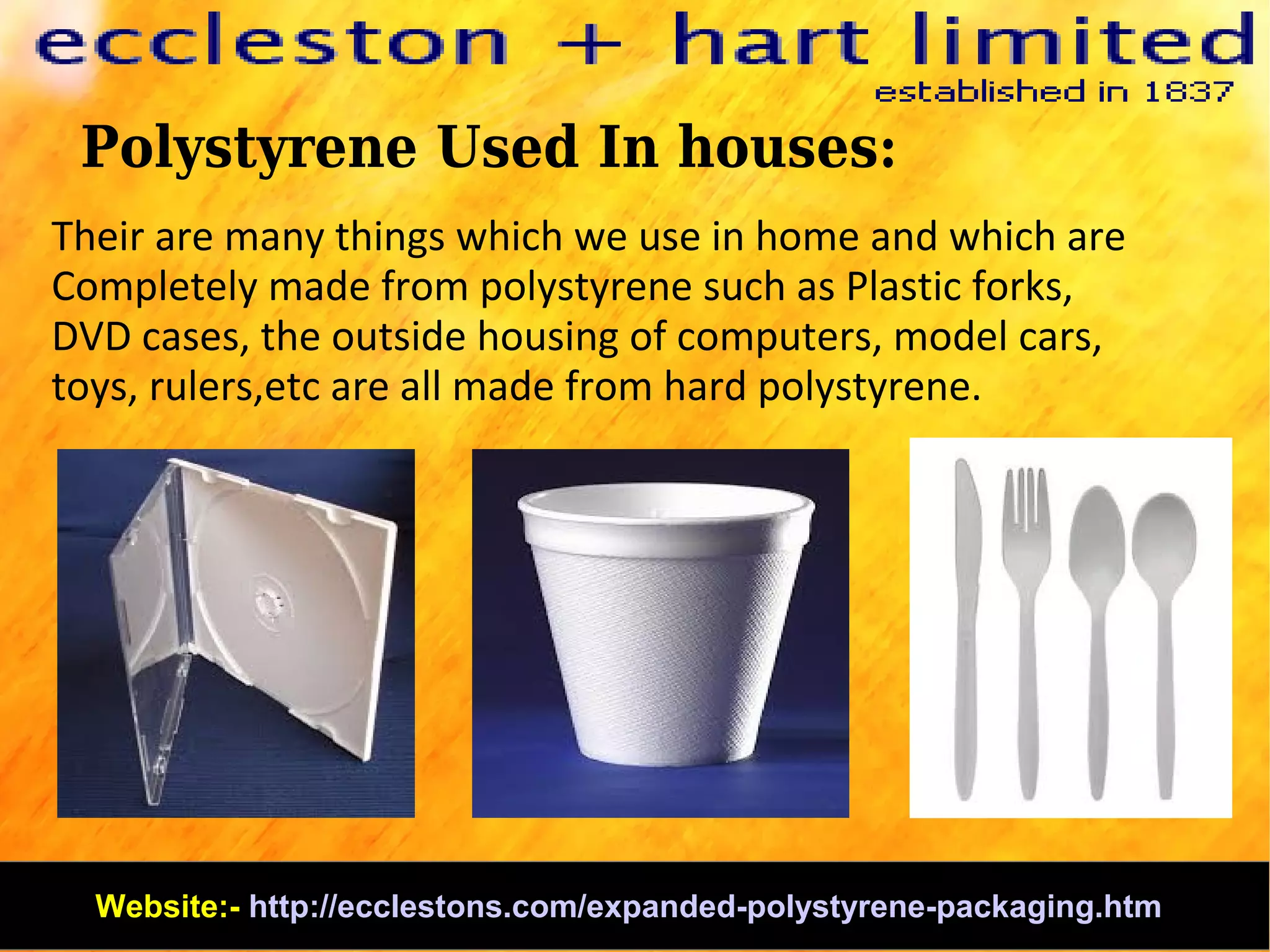
Polystyrene is a thermoplastic, meaning it becomes moldable at high temperatures and solidifies upon cooling. This property allows for high-speed injection molding and extrusion, processes that are essential for mass production. From a financial perspective, the ability to produce millions of identical units—such as disposable cutlery or CD cases—at a fraction of a cent per unit creates an unbeatable economy of scale. For startups and large-scale manufacturers alike, the low capital expenditure required for polystyrene components provides a significant competitive advantage.
Global Market Valuation and Industry Players
The global polystyrene market is valued at tens of billions of dollars, driven by massive demand in the Asia-Pacific region, North America, and Europe. Major chemical conglomerates, such as TotalEnergies, INEOS Styrolution, and BASF, invest heavily in the production of both General Purpose Polystyrene (GPPS) and High Impact Polystyrene (HIPS). For investors, these companies represent a play on the broader health of the manufacturing sector. When consumer spending rises, the demand for polystyrene-reliant goods follows suit, making the price of styrene monomers a key leading indicator for economic activity.
Strategic Business Applications: Why Industries Invest in Polystyrene
To understand what polystyrene is used for, one must look at the specific sectors where its physical properties translate directly into financial savings or revenue growth.
Logistics and Supply Chain Optimization
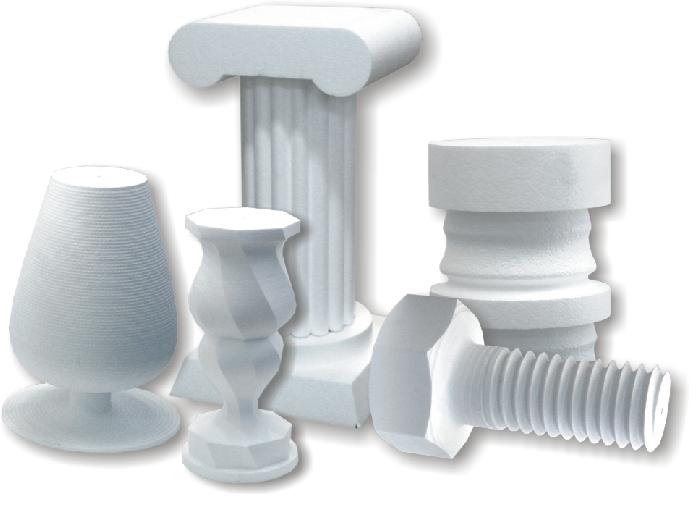
Expanded Polystyrene (EPS), often colloquially referred to by the brand name Styrofoam, is the gold standard for protective packaging. In the world of e-commerce and global shipping, “shrinkage”—the loss of inventory due to damage during transit—is a major financial drain. EPS is 98% air, making it incredibly lightweight, which reduces shipping costs (calculated by weight). Simultaneously, its shock-absorbing properties protect high-value electronics and fragile goods. For a business, investing in EPS packaging is essentially an insurance policy that ensures product integrity from the warehouse to the consumer’s doorstep.
The Food and Beverage Sector’s Financial Reliance
The food service industry operates on razor-thin margins. Polystyrene’s use in clamshell containers, coffee cups, and meat trays is driven by its thermal insulation and moisture resistance. These properties help maintain food quality and safety, reducing waste. From a business finance perspective, the move toward alternative materials like paper or compostables often involves a 200% to 300% increase in unit cost. For small businesses and fast-food franchises, the low cost of polystyrene is a vital component of their operational budget.
Construction and Insulation: A High-Yield Investment
In the construction industry, polystyrene is used as Rigid Foam Insulation. This is an area where the material provides a clear Return on Investment (ROI) for property owners. EPS and Extruded Polystyrene (XPS) boards offer high R-values (thermal resistance), which significantly reduce energy consumption for heating and cooling. As energy prices fluctuate, the financial incentive to use polystyrene in building envelopes grows. Furthermore, the longevity of the material ensures that the initial investment in insulation pays dividends over decades of reduced utility costs.
The Financial Risk of Regulation and the Shift to Sustainable Alternatives
While polystyrene is a financial powerhouse, it is currently facing significant headwinds. For the modern investor or business strategist, the “green” transition represents both a risk and an opportunity.
Impact of Environmental Policies on Corporate Bottom Lines
Governments worldwide are increasingly implementing bans on single-use plastics, including polystyrene food containers. These regulations pose a “stranded asset” risk for companies that have invested heavily in polystyrene production lines. For businesses in the retail and hospitality sectors, the legislative shift necessitates a mandatory capital reallocation toward more expensive, sustainable alternatives. Financial analysts now scrutinize “plastic risk” as part of ESG (Environmental, Social, and Governance) reporting, as companies with high reliance on polystyrene may face future carbon taxes or disposal fees.
The R&D Investment in Biodegradable Competitors
The market’s response to the environmental concerns surrounding polystyrene has sparked a gold rush in Material Science R&D. Venture capital is flowing into startups developing mycelium-based packaging, molded pulp, and PLA (Polylactic Acid) alternatives. While these materials currently lack the cost-parity of polystyrene, the “first-mover advantage” for a company that can produce a sustainable alternative at scale is worth billions. Forward-thinking businesses are diversifying their supply chains now to mitigate the financial shock of future polystyrene regulations.
Investing in the Future of Polymers: Opportunities and Side Hustles
The narrative of polystyrene is not just about its decline; it is about its evolution. There are still significant profit centers within this niche for those who know where to look.
Circular Economy: The Profitability of Polystyrene Recycling
Historically, polystyrene was difficult to recycle profitably due to its low density; transporting bulky, lightweight foam was more expensive than the recovered material was worth. However, new financial models and technologies are changing this. “Densifiers” can now shrink EPS by a ratio of 90:1 at the source, making logistics viable. Furthermore, chemical recycling—breaking polystyrene back down into its constituent styrene monomers—is becoming a high-growth sector. Companies specializing in the “Circular Economy” are finding that reclaimed polystyrene can be resold at a premium to brands looking to meet recycled-content mandates.
Equity Markets and Chemical Manufacturing Stocks
For personal finance enthusiasts looking for exposure to the industrial sector, the polystyrene value chain offers several entry points. One can look at mid-cap chemical companies that specialize in high-performance styrenic polymers used in the medical and automotive industries. Unlike single-use packaging, these high-tech applications of polystyrene are less likely to be banned and offer higher profit margins. Additionally, keeping an eye on the “Cracker” plants (facilities that produce ethylene and styrene) provides insight into the raw material costs that affect everything from the price of a toy to the cost of a new home.
The Rise of Supply Chain Consulting
As businesses struggle to navigate the transition away from traditional polystyrene, a new “side hustle” or consultancy niche has emerged: Sustainable Packaging Optimization. Experts who understand the financial implications of material switching—balancing cost, durability, and brand perception—are in high demand. Providing a roadmap for a company to reduce its polystyrene footprint without destroying its margins is a high-value service in today’s economy.
Conclusion: The Enduring Legacy of a Plastic Giant
What is polystyrene used for? It is used to build the modern world at a price point that makes global trade accessible. While its environmental footprint is a significant concern that is reshaping the market, its economic utility remains undeniable. For the business owner, it is a tool for cost-cutting and protection. For the investor, it is a barometer of industrial health and a sector ripe for “green” disruption.
The future of polystyrene lies in the balance between its unparalleled efficiency and the global demand for sustainability. Whether through the development of advanced recycling technologies or the strategic shift to high-value industrial applications, polystyrene will continue to be a major player in the global financial landscape for years to come. Understanding its role today is essential for anyone looking to navigate the complex intersection of industry, finance, and the environment.
aViewFromTheCave is a participant in the Amazon Services LLC Associates Program, an affiliate advertising program designed to provide a means for sites to earn advertising fees by advertising and linking to Amazon.com. Amazon, the Amazon logo, AmazonSupply, and the AmazonSupply logo are trademarks of Amazon.com, Inc. or its affiliates. As an Amazon Associate we earn affiliate commissions from qualifying purchases.