
Understanding the intricacies of insurance can often feel like navigating a complex maze of jargon and fine print. At the heart of every insurance policy lies a crucial figure: the policyholder. While often mentioned casually, the role of a policyholder carries significant weight, responsibilities, and implications, particularly when you glance at that small, yet vital, piece of plastic in your wallet – your insurance card. Far from being just a name on a document, the policyholder is the central figure in an insurance contract, the individual or entity who owns the policy and shoulders the primary financial and administrative duties associated with it. This deep dive will illuminate the policyholder’s multifaceted role, clarify their position on an insurance card, distinguish them from other key insurance players, and underscore the practical importance of understanding this critical designation in managing your financial well-being.
Unpacking the Role of the Policyholder
To truly grasp the significance of a policyholder, one must move beyond a superficial definition and delve into the core responsibilities and legal standing they possess within the framework of an insurance agreement. The policyholder is not merely a beneficiary or an insured party; they are the architect and primary custodian of the entire policy.
The Primary Payer and Decision-Maker
Fundamentally, the policyholder is the individual or entity responsible for initiating the insurance contract and typically for paying the premiums. This financial commitment is the bedrock of the policy’s existence. Beyond payments, the policyholder holds the authority to make critical decisions regarding the policy. They choose the type of coverage, select deductibles, determine coverage limits, and elect optional riders or endorsements. In essence, they dictate the terms of protection, tailoring the policy to meet specific needs and risk profiles. This decision-making power extends to renewal, modification, or even cancellation of the policy, placing the policyholder in a powerful position over their financial safety net.
Legal and Contractual Responsibilities
The relationship between the policyholder and the insurance company is a legally binding one, governed by the insurance contract. As the contracting party, the policyholder bears specific legal responsibilities. This includes providing accurate information during the application process, ensuring timely payment of premiums, and cooperating with the insurer during claims investigations. Failure to uphold these responsibilities can have serious repercussions, potentially leading to denial of claims, alteration of coverage, or even cancellation of the policy. The policyholder is also typically the person who receives official communications from the insurer, such as renewal notices, policy changes, and declarations pages, making them the primary point of contact for all contractual matters.
The Hub of the Insurance Policy
Consider the insurance policy as a wheel; the policyholder is the hub around which all other elements revolve. While other individuals might be covered under the policy (the “insureds”) or designated to receive benefits (the “beneficiaries”), it is the policyholder who maintains ultimate control and oversight. They are the central point for all administrative actions, from updating personal details to adding or removing covered individuals. This central role ensures a singular point of accountability and control, streamlining communication and management between the insured parties and the insurance provider. Without a clearly defined policyholder, the structure and administration of an insurance policy would quickly devolve into chaos, highlighting their indispensable position.
Decoding Your Insurance Card: Where the Policyholder Sits
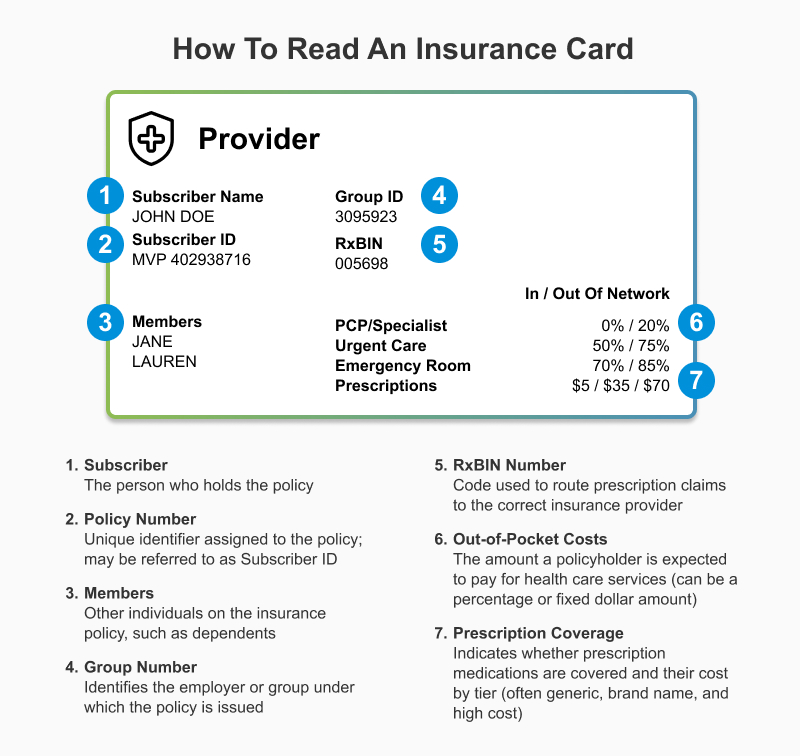
Your insurance card is more than just a piece of plastic; it’s a compact summary of your coverage, a crucial document for accessing services, and a direct link to your policy. Identifying the policyholder on this card is essential for understanding who is ultimately responsible for the policy and its administrative aspects.
Essential Information on the Card
An insurance card typically contains several key pieces of information: the insurance company’s name and logo, the type of policy (e.g., auto, health), the policy number, group number (for group plans), effective dates of coverage, and contact information for customer service and claims. Critically, it also lists the name(s) of the individuals covered under the policy. Often, the policyholder’s name is prominently displayed, acting as the primary identifier for the entire policy.
Identifying the Policyholder on Various Cards
While the exact layout varies by insurer and policy type, the policyholder’s name is usually found near the top of the card, often labeled as “Policyholder,” “Subscriber,” “Insured,” or “Member Name.” In family plans, particularly for health insurance, the policyholder (often the primary wage earner or the individual who secured the group benefits) will be listed, and other family members covered under the same policy will be identified as “dependents” or “insureds” under that policyholder’s name and policy number. For auto insurance, the policyholder is typically the registered owner of the insured vehicle(s) or the individual who purchased the policy. It’s crucial to locate this name to confirm your understanding of who holds the primary responsibility for the policy.
Why the Policyholder’s Name Matters for Claims and Verification
When seeking medical care, filing an auto accident report, or processing any claim, the service provider or other parties involved will almost always request your insurance card. The policyholder’s name, alongside the policy number, serves as the primary identifier for verifying coverage. If the person seeking services is not the policyholder but an insured dependent, the policyholder’s information is still paramount for the system to locate and confirm active coverage. Misidentifying the policyholder can lead to delays in service, billing errors, or even temporary denial of claims, making accurate identification on the card invaluable for smooth transactions and ensuring you receive the benefits you are entitled to.
Distinguishing Key Insurance Roles: Policyholder vs. Insured vs. Beneficiary
The world of insurance uses specific terminology to define various roles within a policy. While these roles can sometimes overlap, understanding their distinct definitions is crucial for proper policy management and comprehension. The policyholder, insured, and beneficiary each play a unique part in the lifecycle and payout of an insurance contract.
The Policyholder: Owner of the Contract
As established, the policyholder is the owner of the insurance contract. They are the entity (individual or organization) that enters into the agreement with the insurer, pays the premiums, and has the authority to make changes to the policy. They hold the ultimate control over the policy’s terms and existence. This role is about ownership, responsibility, and contractual authority.
The Insured: The Covered Individual(s)

The “insured” refers to the person or entity whose life, health, property, or liability is protected by the insurance policy. While the policyholder pays for the policy, the insured is the one whose potential loss triggers the insurance company’s obligation to pay benefits. For instance, in a health insurance policy, all family members covered are “insureds,” but only one may be the “policyholder.” In auto insurance, the drivers listed on the policy are the insureds, even if the vehicle owner is the primary policyholder. The key distinction here is that the insured is the subject of the coverage.
The Beneficiary: The Recipient of Benefits
A “beneficiary” is the person or entity designated to receive the benefits or proceeds from an insurance policy upon the occurrence of a covered event, particularly in life insurance. For example, in a life insurance policy, the beneficiary is the individual who receives the death benefit when the insured passes away. In property insurance, the policyholder is often also the beneficiary if their property is damaged. However, in life insurance, the beneficiary is often a separate individual (e.g., a spouse, child) chosen by the policyholder and insured. The beneficiary has no control over the policy’s terms but is designated to receive a payout.
Overlapping Roles: When One Person Wears Multiple Hats
It is quite common for one individual to fulfill multiple roles simultaneously. For instance, in a single-person health insurance policy, an individual is typically the policyholder, the insured (as their health is covered), and potentially even a beneficiary (if the policy has certain payout features for specific conditions). Similarly, in an auto insurance policy, the driver who owns the car might be both the policyholder and one of the insured drivers. Understanding when these roles converge or diverge is vital for navigating personal finance and insurance effectively, ensuring that the right people are covered and that benefits flow to their intended recipients.
Practical Implications for Managing Your Coverage
Understanding the policyholder’s role isn’t just an academic exercise; it has very real and practical implications for how you manage your insurance coverage on a day-to-day and long-term basis. From making simple changes to navigating complex claims, the policyholder’s authority and responsibilities are constantly at play.
Making Changes and Updates to the Policy
As the owner of the policy, the policyholder is the only one authorized to make significant changes to its terms. This includes updating personal information, changing coverage amounts, adding or removing insured individuals (like dependents in a health plan or vehicles in an auto plan), modifying beneficiaries, or altering deductible levels. If you are an insured individual but not the policyholder, you typically cannot unilaterally make these changes without the policyholder’s consent or direct action. This centralization of control ensures policy integrity and prevents unauthorized modifications that could affect coverage or premiums.
Premium Payments and Financial Accountability
The policyholder is primarily responsible for ensuring that premiums are paid on time. While an employer might contribute to health insurance premiums or someone else might offer to pay for an individual’s policy, the ultimate legal and financial accountability for premium payment rests with the policyholder. Non-payment can lead to policy lapse or cancellation, leaving all insured parties without coverage. Understanding this responsibility is crucial for budgeting and maintaining continuous protection against various risks. This financial accountability is a core aspect of the policyholder’s contractual obligations.
Navigating Claims as the Policyholder
When a covered event occurs, initiating and managing a claim often falls to the policyholder. Whether it’s reporting a car accident, submitting a health insurance claim for a medical procedure, or filing a homeowners claim for property damage, the policyholder is usually the first point of contact with the insurer. They are responsible for providing necessary documentation, cooperating with adjusters, and ensuring that all conditions of the policy are met during the claims process. While an insured individual can also file a claim, the policyholder typically has the broader oversight and authority to follow through on the claim’s progression and resolution.
Understanding Coverage for Dependents and Other Insureds
For policies that cover multiple individuals, such as family health insurance plans or multi-driver auto policies, the policyholder acts as the gatekeeper for all covered parties. They are responsible for understanding the scope of coverage for themselves and all dependents or additional insureds. This includes knowing what services are covered, what deductibles apply, and any limitations that might impact others under the policy. This knowledge empowers the policyholder to advise other insureds, facilitate their access to benefits, and advocate on their behalf if issues arise, ensuring that the policy provides the intended protection for everyone listed.
Beyond the Card: The Broader Significance of the Policyholder
The concept of a policyholder extends far beyond the details printed on a physical card. It represents a fundamental aspect of risk management, financial planning, and legal responsibility, impacting individuals, families, and businesses alike. Recognizing this broader significance is key to appreciating the depth of their role.
The Policyholder in Family and Group Plans
In a family context, one individual typically serves as the policyholder for health, auto, or home insurance. This person takes on the significant responsibility of securing protection for all family members or assets. Their decisions directly impact the financial security and access to critical services for everyone under their umbrella. Similarly, in group insurance plans (e.g., employer-sponsored health insurance), the employer or the organization often acts as the policyholder, negotiating terms and managing the master policy on behalf of its employees or members. Here, the entity policyholder plays a crucial role in providing essential benefits to a collective, demonstrating how the role scales beyond individual relationships.
Business Insurance: The Policyholder as an Entity
For businesses, the concept of a policyholder is just as critical, if not more so. A company itself can be the policyholder for various types of business insurance, such as general liability, commercial property, workers’ compensation, or professional liability insurance. In these scenarios, the business entity, through its authorized representatives, holds the contractual responsibility, pays the premiums, and manages the policies that protect its operations, assets, and employees. This highlights how the policyholder role is versatile, adapting to different legal structures and financial needs, extending its reach into corporate finance and risk management.

Empowering Financial Literacy and Protection
Ultimately, understanding what a policyholder is and their associated responsibilities is a cornerstone of financial literacy. It empowers individuals and organizations to take proactive control over their insurance needs, ensuring adequate protection against unforeseen events. By recognizing the authority and accountability tied to this role, policyholders can make informed decisions, manage their financial risks more effectively, and ensure that their insurance serves its intended purpose: to provide security and peace of mind. It underscores the importance of not just having insurance, but actively understanding and managing it.
In conclusion, the policyholder on an insurance card is much more than a name; they are the lynchpin of the entire insurance agreement. From initiating the contract and paying premiums to making crucial policy decisions and managing claims, their role is central and multifaceted. Distinguishing this role from others, such as the insured and beneficiary, clarifies the hierarchy and responsibilities within an insurance policy. For individuals and businesses alike, a clear understanding of the policyholder’s position is indispensable for effective financial planning, risk management, and ensuring seamless access to the vital protections that insurance provides.
aViewFromTheCave is a participant in the Amazon Services LLC Associates Program, an affiliate advertising program designed to provide a means for sites to earn advertising fees by advertising and linking to Amazon.com. Amazon, the Amazon logo, AmazonSupply, and the AmazonSupply logo are trademarks of Amazon.com, Inc. or its affiliates. As an Amazon Associate we earn affiliate commissions from qualifying purchases.