
Reclaiming the Narrative: The Evolution of Pole Dancing’s Brand Identity
Understanding “what is pole dancing” in the contemporary landscape is inherently a study in brand transformation and strategic repositioning. Once relegated to niche, often stigmatized contexts, pole dancing has undergone a profound brand evolution, shifting public perception from a sensationalized activity to a recognized form of fitness, sport, and art. This dramatic re-branding didn’t happen by accident; it was a deliberate, grassroots effort by practitioners, instructors, and communities to redefine its identity and communicate its true essence. The journey highlights the power of narrative control and persistent communication in shaping a brand’s public image.

From Taboo to Trend: A Historical Perspective on Perception
The historical brand identity of pole dancing was undeniably complex and largely influenced by its association with adult entertainment. This legacy created a potent, albeit negative, brand perception rooted in exoticism and taboo. For decades, the mere mention of “pole dancing” conjured specific, often restrictive, imagery in the public consciousness. This powerful, pre-existing brand image presented the most significant challenge for those seeking to redefine it. The initial phase of its re-branding involved a quiet rebellion within fitness studios and dance academies, where individuals discovered its immense physical and artistic demands, largely independent of its previous context. The narrative began to shift as participants shared their experiences, emphasizing the strength, skill, and dedication required. This organic re-contextualization laid the groundwork for a more formalized brand strategy that would eventually propel it into the mainstream. The initial hurdle was not just to introduce pole dancing in a new light but to actively dismantle deeply ingrained negative brand associations.
The Power of Re-contextualization: Positioning for a New Audience
The re-branding of pole dancing has been a masterclass in strategic re-contextualization. Instead of shying away from its past, proponents have actively re-framed the conversation around its inherent athleticism and artistry. The brand messaging shifted decisively to highlight core values such as strength, agility, flexibility, grace, and empowerment. Studios began to market pole dancing as a challenging and rewarding full-body workout, akin to gymnastics or aerial silks. Imagery and language were carefully curated to showcase the diverse individuals participating, emphasizing inclusivity rather than exclusivity. The focus moved from objectification to empowerment, from performance for others to personal achievement and self-expression. This re-positioning was critical in attracting a new, broader audience who might never have considered pole dancing otherwise. By clearly articulating its benefits as a fitness regimen and an artistic outlet, the brand successfully distanced itself from its previous connotations, carving out a legitimate and respected space in the health and wellness industry. This strategic pivot involved not just changing what was said about pole dancing, but fundamentally changing who was saying it and what they represented.
The Multi-faceted Brand: Pole Dancing as Fitness, Sport, and Art Form
The success of pole dancing’s brand transformation lies in its ability to simultaneously embody three distinct, yet complementary, identities: fitness, sport, and art. Each facet caters to different motivations and audiences, allowing for a broad market appeal and a rich, diverse brand narrative. This multi-faceted approach ensures that “what is pole dancing” can be answered in several compelling ways, each reinforcing its legitimacy and complexity. The strategic branding of these distinct aspects has been crucial in expanding its reach and deepening public understanding.
The Fitness Brand: Strength, Endurance, and Body Positivity
As a fitness brand, pole dancing excels by offering a comprehensive, full-body workout that builds immense core strength, upper body power, flexibility, and endurance. Studios effectively market these physical benefits, highlighting it as an engaging alternative to traditional gym routines. The brand messaging often emphasizes the fun and challenging aspects, framing it as an accessible path to physical transformation. Crucially, the fitness brand of pole dancing has also embraced a powerful message of body positivity and inclusivity. Unlike some fitness trends that might inadvertently promote specific body ideals, pole fitness communities generally celebrate diverse body types and skill levels. This inclusive branding fosters a supportive environment, encouraging individuals to focus on personal progress and strength rather than external appearance. This approach has resonated deeply with a generation seeking more holistic and affirming ways to engage with physical activity, establishing pole dancing as a legitimate and empowering fitness option.
The Sport Brand: Competition, Discipline, and Athleticism
The emergence of pole dancing as a recognized sport has further solidified its brand credibility, particularly in the athletic sphere. Organizations like the International Pole Sports Federation (IPSF) have been instrumental in standardizing rules, developing judging criteria, and organizing national and international competitions. This structured approach to competition has rebranded pole dancing alongside other highly disciplined athletic pursuits such as gymnastics, diving, and figure skating. The sport brand emphasizes technical precision, complex choreography, strength, flexibility, and artistic expression. Athletes dedicate countless hours to training, showcasing incredible feats of strength and agility that demand respect. The strategic aim of this brand facet is clear: to achieve Olympic recognition, which would further validate its status as a serious global sport. By highlighting the competitive spirit, the rigorous training, and the immense athletic skill involved, the sport brand effectively challenges lingering stereotypes and positions pole dancing firmly within the realm of elite physical achievement.
The Art Brand: Expression, Choreography, and Performance
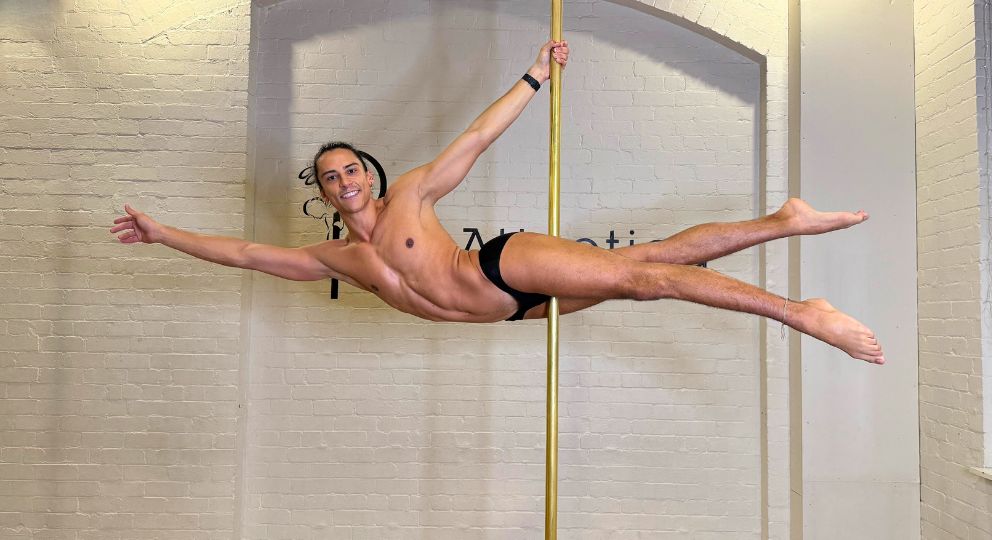
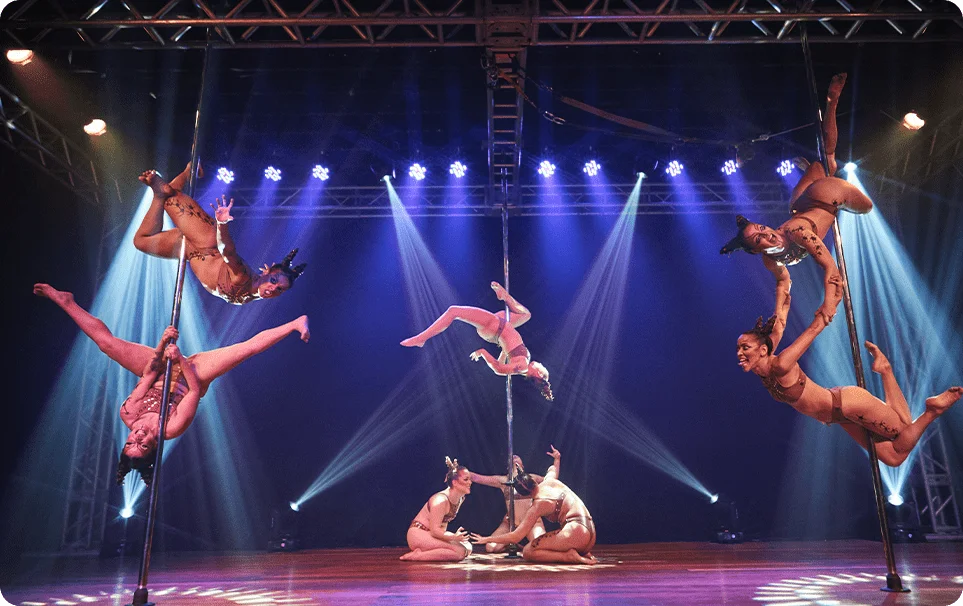
Beyond its athletic demands, pole dancing also thrives as an expressive art form. The art brand of pole dancing emphasizes its capacity for storytelling, emotional conveyance, and creative choreography. Dancers use the pole as a dynamic prop, integrating it into intricate routines that blend contemporary dance, ballet, and other movement styles. This artistic dimension appeals to those who seek a medium for self-expression and performance. The brand showcases pole as a legitimate stage art, where performers can explore themes, evoke emotions, and present captivating visual narratives. Artistic pole videos often go viral, demonstrating the sheer beauty and expressive power of the form. This branding angle not only attracts individuals with a background in dance or performing arts but also helps to elevate the overall perception of pole dancing as a sophisticated and nuanced artistic discipline, further diversifying its brand portfolio and appeal.
Building a Community and Cultivating a Positive Brand Image
The enduring success of pole dancing’s brand pivot is inextricably linked to the vibrant, supportive communities that have formed around it. These communities act as powerful brand ambassadors, driving positive sentiment and challenging outdated perceptions. From grassroots studio efforts to global social media movements, community building has been central to cultivating a robust and positive brand image. This collective effort demonstrates how shared values and experiences can effectively reshape an entire industry’s public face.
The Role of Social Media in Brand Building
Social media platforms have been instrumental in pole dancing’s brand revolution. Instagram, TikTok, and YouTube became virtual stages where practitioners could share their progress, performances, and the sheer joy of the activity with a global audience. This user-generated content provided authentic, unvarnished insights into the world of pole dancing, showcasing its diversity, athleticism, and the supportive nature of its community. Influencers and instructors leveraged these platforms to demonstrate complex tricks, offer tutorials, and share personal journeys, effectively humanizing the brand. The visual nature of these platforms was particularly powerful, allowing viewers to witness the artistry and athleticism firsthand, often directly contradicting their preconceived notions. This direct engagement circumvented traditional media filters, allowing for rapid dissemination of positive brand messaging and fostering a sense of connection and belonging among a global community.
Studio Branding and Personal Branding within Pole
Within the broader pole dancing brand, individual studios and practitioners have developed their own distinct sub-brands. Studios meticulously craft their identities, whether it’s an edgy, urban vibe; a luxurious, spa-like atmosphere; or a warm, community-focused sanctuary. These micro-brands cater to specific demographics and tastes, enriching the overall pole dancing ecosystem. Simultaneously, many instructors and professional pole dancers have become personal brands in their own right. Through consistent online presence, unique teaching styles, competitive achievements, or artistic performances, they build a loyal following. These personal brands often embody the core values of empowerment, strength, and artistry, serving as living testimonials to “what is pole dancing” at its highest level. Their influence extends beyond their immediate students, shaping broader perceptions and inspiring new generations of participants. The synergy between studio branding and personal branding reinforces the multifaceted nature of pole dancing and its strong community ties.
Advocacy and De-stigmatization Efforts
A significant part of cultivating pole dancing’s positive brand image has involved active advocacy and persistent de-stigmatization efforts. Communities and organizations have launched campaigns to directly address and challenge common misconceptions. This includes educational initiatives highlighting the health benefits, the dedication required, and the inclusive nature of the sport. Consistent messaging across various channels emphasizes mental health benefits, improved confidence, and a strong sense of self-worth that participants often gain. These efforts are not just about promoting pole dancing but about advocating for understanding and respect. By taking a proactive stance against outdated stereotypes and consistently presenting a unified, positive brand narrative, the pole community has successfully championed its re-positioning in the public eye. This ongoing advocacy is crucial for maintaining and strengthening the positive brand perception achieved over the last two decades.
Strategic Branding Challenges and Future Directions
Despite significant strides in brand transformation, pole dancing continues to face strategic branding challenges. The battle against persistent stereotypes remains an ongoing effort, requiring continuous, nuanced communication. Furthermore, as the activity gains mainstream appeal, balancing growth with maintaining authenticity becomes paramount. The future direction of pole dancing’s brand will depend on its ability to navigate these complexities, ensuring its essence is preserved while expanding its reach.
Overcoming Persistent Stereotypes
The shadow of its past brand identity, while significantly diminished, has not entirely disappeared. Persistent stereotypes about pole dancing can still surface, particularly in regions less exposed to its modern form or in traditional media portrayals. This requires continuous vigilance and strategic communication. Future branding efforts must focus on proactive education, engaging with diverse media outlets to share updated narratives, and showcasing a wider array of participants and purposes. Targeting broader audiences, such as corporate wellness programs or mainstream sports commentaries, can further normalize and legitimize the brand. The challenge lies in not just presenting a new image but actively overriding residual negative associations through sheer volume and consistency of positive, authentic storytelling. This is an ongoing brand management task that demands innovation and adaptation.
Maintaining Authenticity While Expanding Reach
As pole dancing’s brand grows in popularity, there’s an inherent tension between expanding its reach and maintaining the authenticity that defined its initial transformation. Commercialization, if not managed carefully, could dilute its core values of empowerment, inclusivity, and community. Strategic branding in the future will need to carefully navigate partnerships, sponsorships, and mainstream media representations to ensure they align with the community’s ethos. The goal is to avoid sacrificing the grassroots integrity that fueled its re-branding for broader market appeal. This involves empowering existing community leaders, ensuring diverse representation in marketing campaigns, and upholding ethical practices in commercial ventures. The future success of pole dancing’s brand will depend on its ability to grow sustainably, inviting new participants without alienating the dedicated community that built its new identity, thus ensuring that “what is pole dancing” continues to resonate with its true spirit.
aViewFromTheCave is a participant in the Amazon Services LLC Associates Program, an affiliate advertising program designed to provide a means for sites to earn advertising fees by advertising and linking to Amazon.com. Amazon, the Amazon logo, AmazonSupply, and the AmazonSupply logo are trademarks of Amazon.com, Inc. or its affiliates. As an Amazon Associate we earn affiliate commissions from qualifying purchases.