
The vibrant island of Hawaii has gifted the world with many treasures, from breathtaking landscapes to a rich cultural tapestry. Among its most celebrated culinary contributions is poke, a dish that has transcended its island origins to become a global sensation. But what exactly is poke Hawaiian food, and how has it evolved into the phenomenon we see today? This article will delve into the essence of poke, not just as a dish, but by examining its journey through the influential lenses of technology, branding, and the economic forces that have propelled its popularity.
The Core of Poke: A Culinary Foundation
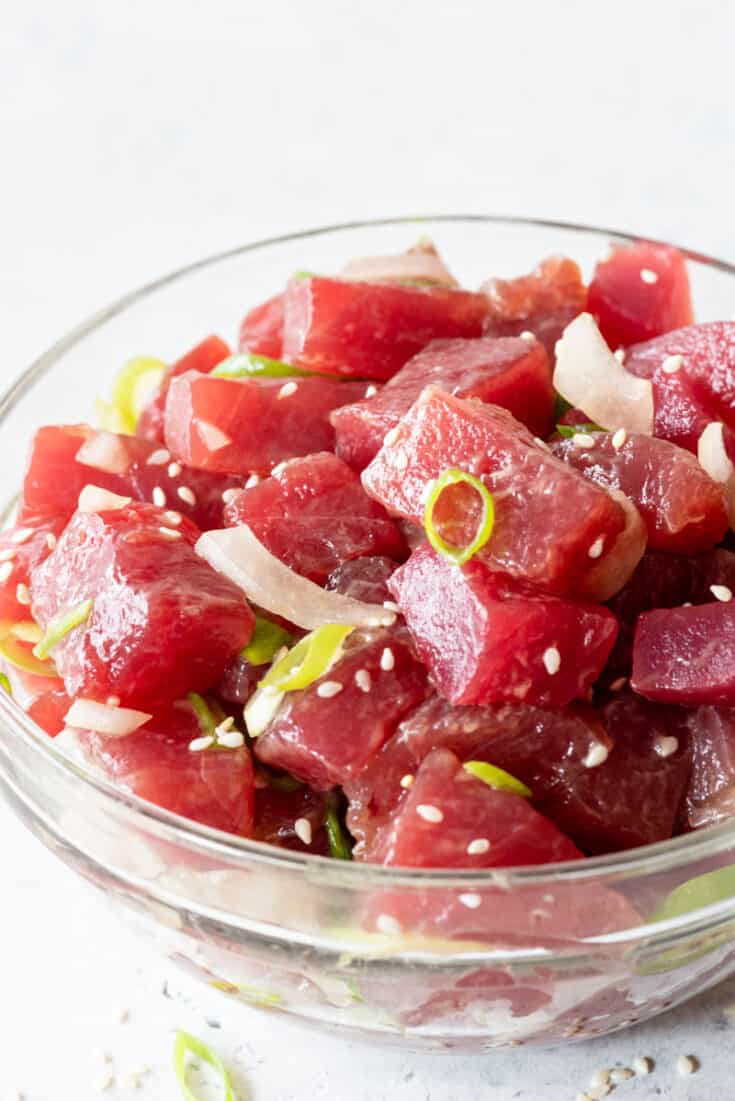
At its heart, poke is a Hawaiian dish that translates roughly to “to slice” or “to cut” in Hawaiian. This aptly describes the primary preparation method: raw, diced fish, most commonly tuna (ahi), marinated and seasoned. While the classic preparation features ahi, other seafood like salmon, octopus, and even various white fish are now commonly used.
Traditional Ingredients and Preparation
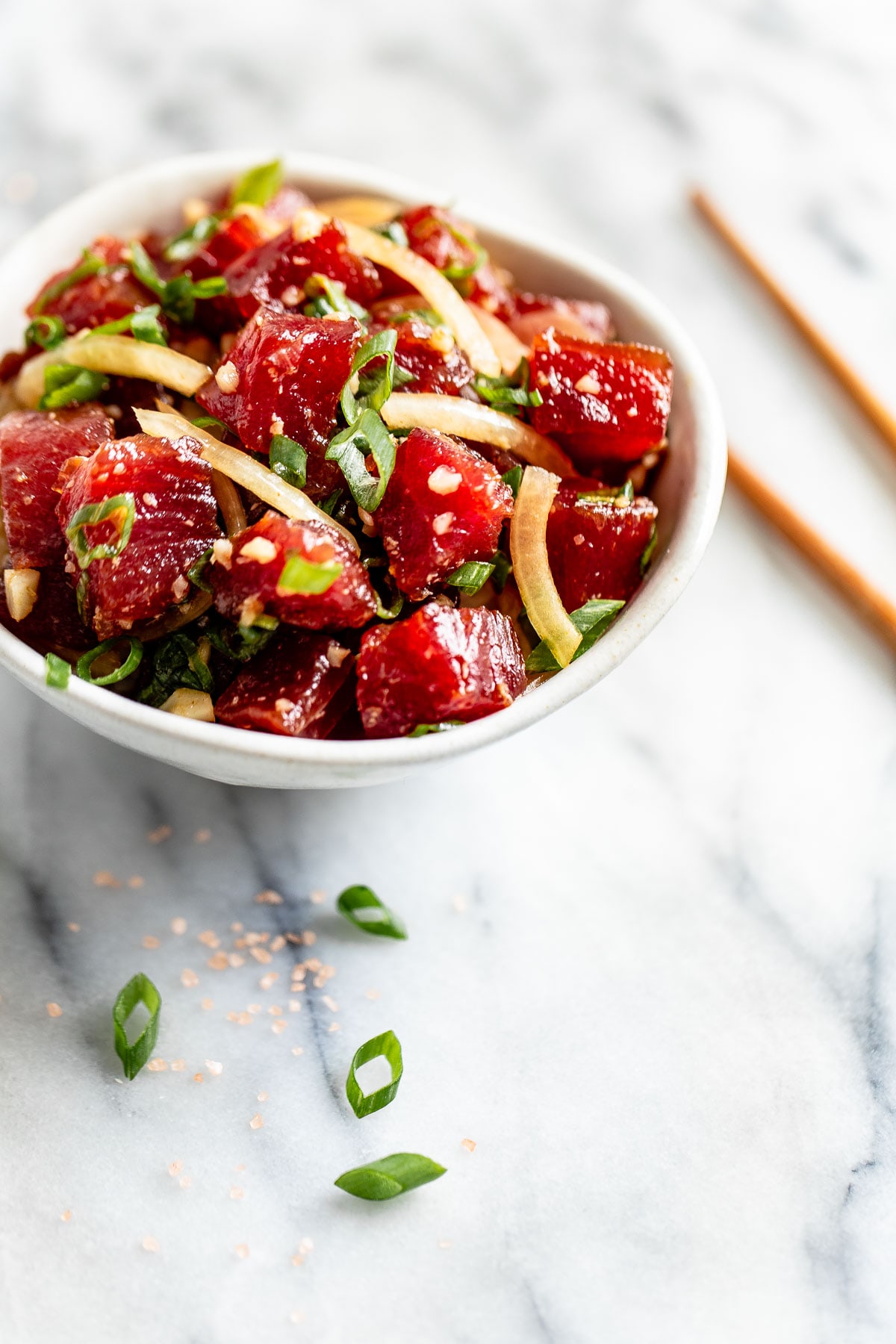
The beauty of traditional poke lies in its simplicity and the quality of its ingredients. The base is almost always raw, sushi-grade fish. The marinade, the soul of poke, typically includes:
- Soy Sauce (Shoyu): The savory, umami backbone.
- Sesame Oil: Adds a fragrant, nutty depth.
- Sea Salt: Enhances the natural flavors of the fish.
- Onions: Often thinly sliced green onions (scallions) or sweet Maui onions, providing a fresh, crisp counterpoint.
- Seaweed (Limu): A crucial element in traditional poke, adding a unique oceanic salinity and texture. Varieties like limu kohu are prized for their distinctive flavor.
- Chili Pepper: A touch of heat, either from fresh chilies or chili flakes, to awaken the palate.
Beyond these staples, regional variations and personal preferences introduce other elements like diced cucumber, avocado, garlic, ginger, and even tobiko (flying fish roe) for added crunch.
The Evolution of Poke: From Local Staple to Global Trend
For generations, poke was a cherished part of Hawaiian cuisine, enjoyed by locals as a casual meal, a side dish, or a refreshing snack. It was readily available at local fish markets, grocery stores, and small eateries. However, the turn of the millennium and the subsequent decades witnessed a dramatic shift in poke’s trajectory.
The rise of social media played an instrumental role in showcasing poke’s visual appeal. Vibrant colors, fresh ingredients, and customizable bowls made it an Instagram-worthy dish, instantly appealing to a broad audience. This digital exposure, coupled with a growing global interest in healthy and fresh food options, laid the groundwork for poke’s widespread adoption.
The simplicity of poke’s preparation also made it adaptable to various culinary styles and dietary needs. This adaptability, combined with its inherent freshness and perceived health benefits, allowed it to be reinterpreted and popularized by chefs and restaurateurs worldwide, transforming it from a regional delicacy into a mainstream culinary choice.
The Technological Underpinnings of Poke’s Global Reach
While poke is a dish rooted in tradition, its journey to global ubiquity is undeniably intertwined with technological advancements. These advancements have impacted everything from sourcing and preparation to marketing and customer experience.
Digitalization of the Culinary Landscape
The internet and mobile technology have fundamentally reshaped how we discover, order, and consume food. For poke, this has translated into several key areas:
- Online Ordering and Delivery Platforms: Services like Uber Eats, DoorDash, and Grubhub have been instrumental in bringing poke bowls to the doorsteps of consumers across the globe. These platforms allow for easy browsing of menus, customization of orders, and convenient payment, democratizing access to poke.
- Social Media Marketing and Influencer Culture: Platforms like Instagram, TikTok, and Pinterest are visual mediums perfectly suited to showcasing the colorful and aesthetically pleasing nature of poke bowls. Food bloggers, influencers, and everyday users alike share their poke experiences, creating a viral buzz and driving demand. High-quality photography and videography, often enhanced by smartphone camera technology and editing apps, have become essential marketing tools.
- Recipe Sharing and Culinary Education: Websites and apps dedicated to recipes have made it easier for home cooks to replicate poke dishes, further expanding their reach. Tutorials on how to prepare poke at home, often featuring video demonstrations, have demystified the dish and encouraged experimentation.
- Data Analytics for Business Optimization: Poke restaurants, like any modern business, leverage data analytics to understand customer preferences, optimize inventory, and streamline operations. Point-of-sale systems, loyalty programs, and online feedback mechanisms provide valuable insights that help businesses refine their offerings and marketing strategies.
The Role of Tech in Ingredient Sourcing and Quality Control
While the core ingredients of poke remain fresh fish and vegetables, technology plays a subtle yet significant role in ensuring their quality and accessibility:
- Advanced Logistics and Cold Chain Management: The ability to source high-quality, sushi-grade fish across vast distances relies on sophisticated logistics and a robust cold chain. Technological advancements in refrigeration, transportation, and tracking ensure that the fish remains fresh from ocean to plate.
- AI and Machine Learning in Supply Chain Management: In larger operations, AI and machine learning can be used to optimize supply chains, predict demand for specific types of fish, and reduce waste, ensuring a consistent supply of fresh ingredients.
- Food Safety Technologies: From temperature monitoring sensors to advanced traceability systems, technology plays a crucial role in ensuring the safety and integrity of the seafood used in poke.
Branding Poke: Crafting a Culinary Identity
The success of poke extends far beyond its delicious taste; it’s a testament to effective branding and marketing strategies that have transformed it from a local dish into a global culinary brand.
The “Healthy, Fresh, Customizable” Narrative
The primary brand narrative surrounding poke is its inherent healthiness and freshness. In an era where consumers are increasingly health-conscious, poke’s reliance on raw fish, vegetables, and whole grains positions it as a guilt-free and nutritious meal option.
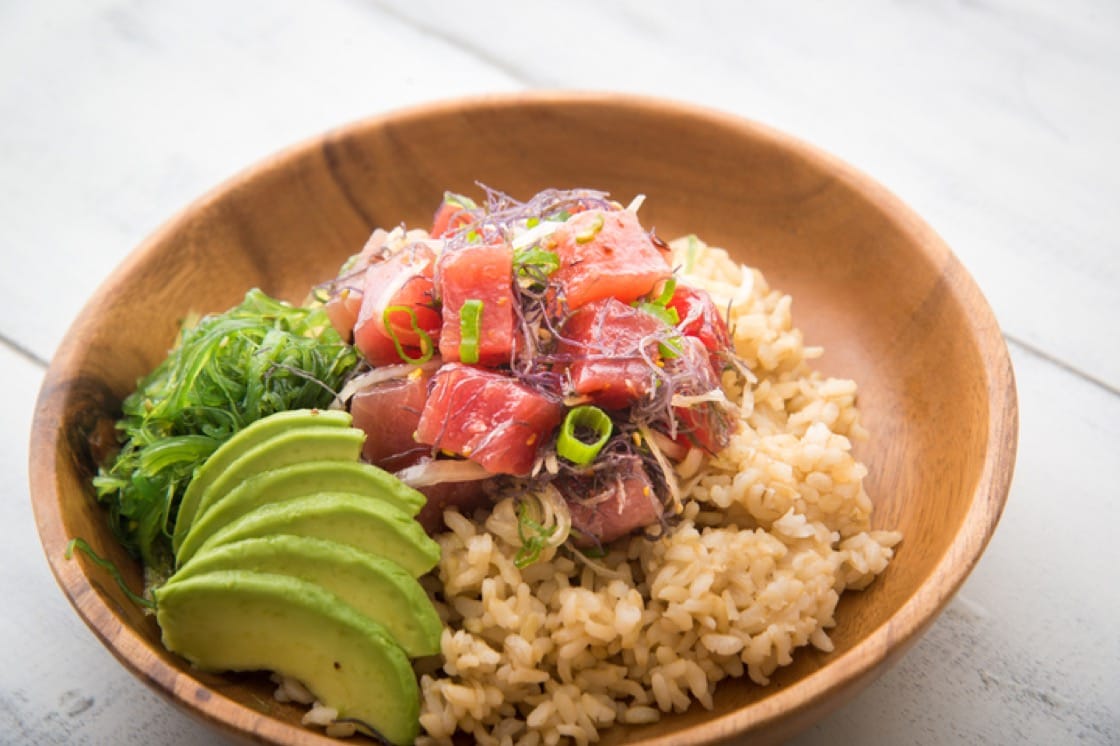
- The “Build-Your-Own-Bowl” Concept: This customizable nature is a cornerstone of poke’s brand appeal. Customers are empowered to select their base (rice, greens, quinoa), protein, toppings, and sauces, allowing for personalization that caters to diverse tastes and dietary restrictions. This fosters a sense of ownership and engagement, making each poke bowl experience unique.
- Visual Appeal as a Branding Tool: The vibrant colors and artful arrangement of ingredients in a poke bowl are highly photogenic. This visual appeal is leveraged through social media marketing, creating an aspirational and desirable image that drives interest and foot traffic to poke establishments.
- The “Island Vibe” and Lifestyle Association: Many poke brands incorporate elements of Hawaiian culture, surf culture, and an overall relaxed, tropical lifestyle into their branding. This association evokes feelings of escapism, wellness, and enjoyment, making poke more than just a meal – it’s an experience.
Strategies for Brand Differentiation
As the poke market has become increasingly saturated, brands have had to innovate to stand out.
- Unique Sauce and Topping Combinations: To differentiate themselves, poke restaurants often develop proprietary sauces or introduce unique topping options that go beyond the traditional. This can include fusion flavors, spicy aiolis, or exotic fruit additions.
- Focus on Sustainability and Ethical Sourcing: With growing consumer awareness of environmental issues, many poke brands highlight their commitment to sustainable seafood sourcing and ethical practices. This resonates with a conscious consumer base and builds trust.
- Premiumization and Upscale Poke Experiences: While poke started as a casual dish, some establishments have elevated the experience with higher-quality ingredients, more sophisticated flavor profiles, and refined dining environments, creating a premium poke offering.
- Storytelling and Authenticity: Brands that successfully tell the story of poke’s origins, connect with Hawaiian culture, and emphasize the freshness and quality of their ingredients can build a stronger emotional connection with consumers.
The Financial Currents of Poke: From Side Hustle to Franchise Powerhouse
The economic impact of poke is undeniable, evolving from a humble local dish into a significant sector within the food industry, attracting entrepreneurs and investors alike.
The Accessibility of Starting a Poke Business
One of the primary drivers of poke’s financial success is the relatively low barrier to entry for aspiring restaurateurs.
- Lower Overhead Costs: Compared to some other restaurant concepts, a poke business often requires less complex kitchen equipment and can be operated with a smaller staff, leading to lower initial investment and ongoing operational costs.
- Scalability and Franchise Potential: The standardized nature of poke bowls makes them highly scalable. This has paved the way for the proliferation of poke franchises, allowing for rapid expansion and significant revenue generation. Many successful poke chains have leveraged this model to achieve widespread market penetration.
- The “Side Hustle” Appeal: For individuals with culinary passion and entrepreneurial spirit, starting a small poke stand or food truck can be an attractive side hustle or a stepping stone to a larger business venture. The demand for quick, healthy, and customizable meals makes poke a viable option in various locations.
Market Growth and Investment Trends
The poke market has experienced significant growth over the past decade, attracting both independent entrepreneurs and larger food industry players.
- Surging Demand and Market Size: The global poke market is valued in the billions of dollars and continues to show strong growth projections. This demand is fueled by changing consumer lifestyles, a growing emphasis on healthy eating, and the convenience offered by poke establishments.
- Investment and Acquisition Activity: The profitability and growth potential of the poke market have attracted significant investment. Larger restaurant groups and private equity firms have acquired successful poke chains or invested in emerging brands, further solidifying its position in the food industry.
- The Economic Impact on Local Fisheries and Agriculture: The increased demand for raw fish, particularly tuna and salmon, has a direct economic impact on fisheries and aquaculture operations. Similarly, the demand for fresh produce and grains supports local agricultural sectors.
Navigating the Competitive Landscape and Financial Challenges
While the financial outlook for poke is bright, the market is also highly competitive, presenting its own set of challenges.
- Intense Competition: The ease of entry has led to a crowded market in many areas, requiring businesses to differentiate themselves through quality, service, branding, and innovative offerings to survive and thrive.
- Fluctuating Ingredient Costs: The price of fresh fish can be volatile, influenced by factors such as seasonality, fishing quotas, and global demand. Managing these fluctuating costs is crucial for maintaining profitability.
- Maintaining Quality and Consistency: As businesses scale, maintaining the consistent quality of ingredients and preparation across multiple locations becomes a significant operational and financial challenge.
Conclusion: A Culinary Icon Shaped by Modern Forces
What is poke Hawaiian food? It is a deceptively simple yet profoundly satisfying dish that has captured the global palate. Its essence lies in the fresh, diced raw fish, expertly seasoned and artfully presented. However, its journey from a local island staple to a worldwide culinary phenomenon is a powerful illustration of how modern forces – technology, sophisticated branding, and the dynamics of money and entrepreneurship – can transform a traditional food into a global icon.
As technology continues to evolve, influencing everything from how we discover restaurants to how ingredients are sourced, and as brands hone their strategies to connect with discerning consumers, poke is poised to remain a vibrant and evolving part of our culinary landscape. Its financial success story serves as an inspiration for entrepreneurs, demonstrating the power of a well-executed concept in the fast-paced world of food. Poke is more than just a meal; it’s a testament to the enduring appeal of freshness, customization, and the remarkable ability of a simple idea to conquer the world.
aViewFromTheCave is a participant in the Amazon Services LLC Associates Program, an affiliate advertising program designed to provide a means for sites to earn advertising fees by advertising and linking to Amazon.com. Amazon, the Amazon logo, AmazonSupply, and the AmazonSupply logo are trademarks of Amazon.com, Inc. or its affiliates. As an Amazon Associate we earn affiliate commissions from qualifying purchases.