
In the realm of strategic storytelling and corporate communication, understanding the “point of view” (POV) is not merely a literary exercise; it is a fundamental pillar of brand positioning. For a brand, the point of view acts as the lens through which the audience experiences your values, your mission, and your market authority. Choosing the right narrative perspective determines whether your brand feels like an empathetic peer, an authoritative expert, or a visionary leader. By mastering the mechanics of narrative voice, marketers and corporate communicators can architect more compelling campaigns that resonate deeply with their target demographic.

The Architecture of Narrative Perspective
At its core, the point of view is the vantage point from which a story is told. In the context of business and brand marketing, this translates to how a brand communicates its identity to the marketplace. Whether you are crafting a customer case study, a manifesto, or a social media campaign, the POV you select dictates the level of intimacy and trust you build with your consumer.
First-Person Perspective: The Intimate Brand
The first-person POV, characterized by the use of “I” or “we,” is the gold standard for personal branding and human-centric marketing. When a founder writes a LinkedIn article or a company shares a mission statement using “we,” they are inviting the audience into the inner workings of the organization.
This perspective is highly effective for fostering transparency and community. It strips away the corporate veneer and replaces it with human agency. In a digital landscape saturated with automated content, the first-person perspective signals authenticity. It allows a brand to own its mistakes, celebrate its wins, and share its origin story with a sense of vulnerability that drives engagement and loyalty.
Third-Person Perspective: The Objective Authority
The third-person POV, utilizing “he,” “she,” or “it,” provides a level of detachment that is often necessary for B2B communication, technical white papers, and industry reports. This perspective positions the brand as a knowledgeable observer rather than an active participant.
By utilizing third-person narration, a company can present data, market analysis, and product benefits without appearing self-obsessed. It creates an aura of objectivity. When a brand explains the benefits of its software or provides a breakdown of industry trends, the third-person voice acts as a neutral arbiter of facts. It signals to the reader that the information provided is based on research rather than purely anecdotal experience.
Strategic Selection: Why POV Matters for Brand Identity
The decision of which POV to adopt is not an aesthetic choice; it is a strategic decision that affects brand perception. A brand that oscillates wildly between a casual, intimate voice and an cold, detached voice often suffers from a fragmented identity. Consistency in POV is a prerequisite for building a recognizable brand voice.
Aligning POV with Customer Journey
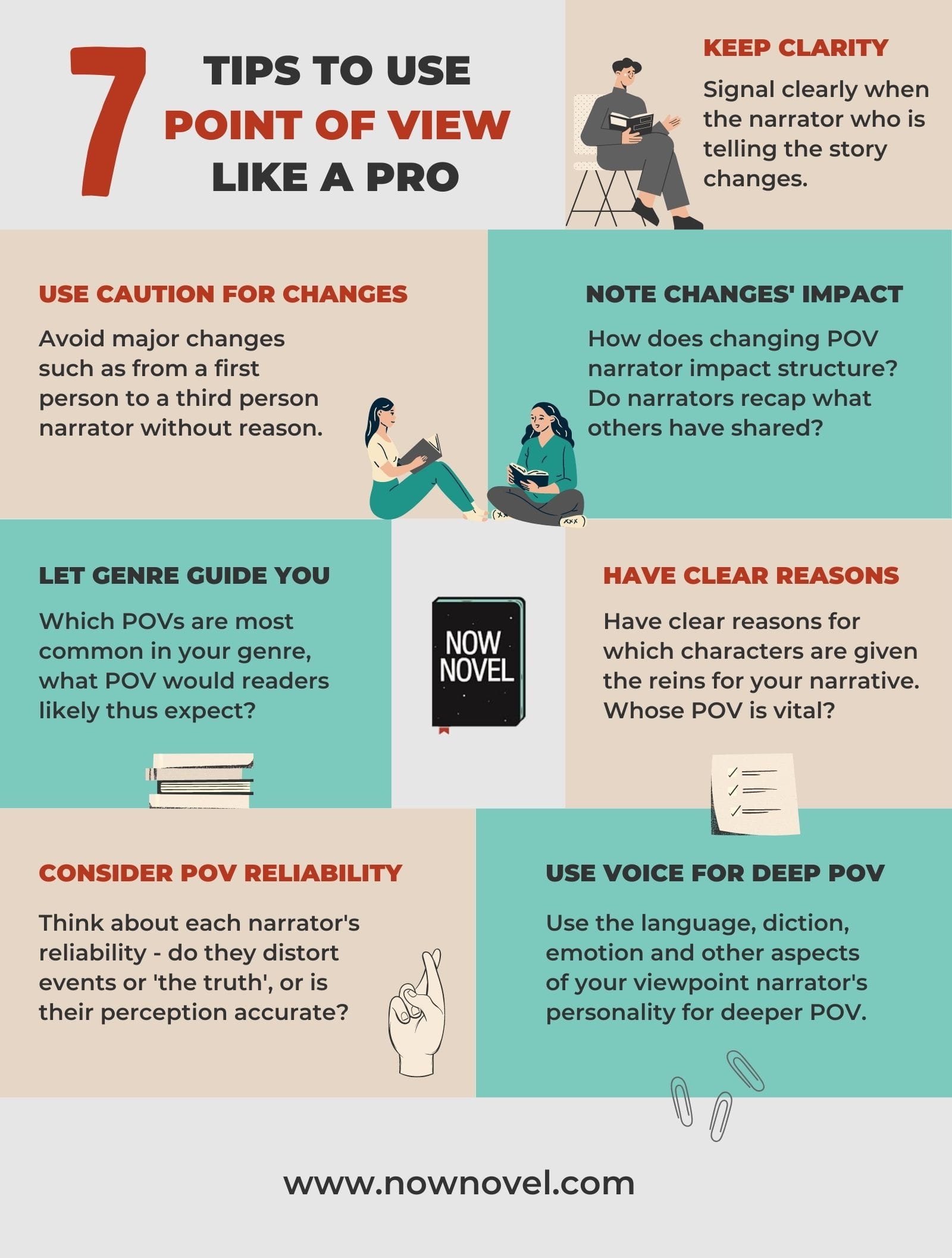
Different stages of the marketing funnel require different points of view. During the “Awareness” phase, where a brand is attempting to cast a wide net, an authoritative, third-person perspective can be effective for thought leadership. It establishes the brand as an expert that understands the broader landscape.
Conversely, as a potential client moves into the “Consideration” and “Decision” phases, the POV should shift toward the first-person plural (“We”). At this stage, the client wants to understand who they are partnering with. They want to know the brand’s culture, their philosophy, and their commitment to client success. By transitioning from the “Expert Observer” (Third-Person) to the “Partner/Collaborator” (First-Person), a brand guides the customer through an emotional narrative arc that leads naturally to conversion.
The Power of Second-Person: The Customer-Centric Narrative
Perhaps the most potent tool in a brand’s narrative arsenal is the second-person point of view, which utilizes “you.” This perspective centers the entire story on the audience. Rather than telling a story about what the brand does, the second-person POV tells a story about what the customer experiences.
“You will transform your workflow.”
“You are the architect of your financial future.”
When the reader is the protagonist of your marketing story, the brand ceases to be the hero. Instead, the brand becomes the mentor or the guide. This shift is essential for high-converting marketing. It empowers the reader, placing them in the driver’s seat of their own success and positioning the brand’s product or service as the essential tool for their journey.
Crafting the Omniscient Corporate Persona
In the world of massive enterprises, the omniscient point of view—a narrative stance that provides a comprehensive overview of all events and internal motivations—is often the default choice. This perspective allows a company to speak with the authority of a global leader. It implies a level of knowledge and stability that is comforting to stakeholders and enterprise clients.
Navigating the Risks of Distant Perspectives
While the omniscient perspective conveys power, it carries a significant risk: the perception of being out of touch. A company that speaks solely from a “God’s-eye view” can feel clinical or cold. To mitigate this, brands often utilize “limited omniscience.” This is a technique where the brand shares the high-level expertise of the organization while grounding that knowledge in specific, human-focused anecdotes.
By balancing macro-level trends with micro-level narratives—perhaps by highlighting the specific challenges of a single employee or client—the brand maintains its authoritative stance while retaining a human connection. This hybrid approach to POV is the mark of a sophisticated content strategy. It acknowledges that while the organization has vast reach, it is composed of individual actors working toward a collective goal.
The Role of Voice Consistency in Global Strategy
For global brands, the challenge of POV is compounded by language and cultural nuance. However, the fundamental structure of the narrative perspective remains the same. Whether communicating in English, Mandarin, or Spanish, the choice between “I,” “We,” “They,” or “You” creates the same psychological impact.
A brand strategy that defines its POV—for example, “We are the empathetic partner (First-Person Plural) to your personal success (Second-Person)”—creates a blueprint for copywriters and content creators worldwide. This consistency ensures that regardless of the medium or the region, the customer encounters a singular, recognizable personality. It turns scattered marketing tactics into a cohesive, long-form narrative that defines the brand’s legacy in the market.
Conclusion: The POV as a Competitive Advantage
In a crowded marketplace, what you say matters less than how you say it. Many companies offer similar products, services, and features. The differentiator that often tips the scales in a client’s decision-making process is the narrative identity of the firm.
By treating the point of view of your communication as a strategic asset, you gain the ability to manipulate the emotional and psychological distance between your brand and your audience. You can choose to be the intimate companion, the objective guide, or the audience-focused catalyst. Whatever you choose, ensure it is deliberate.
Ultimately, the stories a brand tells are the building blocks of its reputation. When you understand the mechanics of point of view, you are no longer just writing content; you are constructing a world in which your customer wants to participate. Mastery of these narrative perspectives is the key to moving beyond mere transactions and into the realm of lasting brand resonance. Whether you are drafting a tweet, a white paper, or a multi-year brand strategy, remember that every word you write is an opportunity to reinforce your perspective and deepen your relationship with the market you serve.
aViewFromTheCave is a participant in the Amazon Services LLC Associates Program, an affiliate advertising program designed to provide a means for sites to earn advertising fees by advertising and linking to Amazon.com. Amazon, the Amazon logo, AmazonSupply, and the AmazonSupply logo are trademarks of Amazon.com, Inc. or its affiliates. As an Amazon Associate we earn affiliate commissions from qualifying purchases.