
The world of agriculture, though seemingly rooted in the earth, is increasingly intertwined with cutting-edge technology. From precision farming to advanced genetic sequencing, innovation plays a critical role in safeguarding our food supply. In this context, understanding and combating plant diseases is paramount. One such persistent threat, particularly to stone fruit orchards, is the Plum Pox Virus (PPV). While the name might evoke images of a simple organic ailment, its management and understanding are deeply reliant on sophisticated technological approaches, making its study relevant to the broader landscape of agricultural technology.

PPV is not merely a biological curiosity; it is an economic and horticultural disaster waiting to happen if left unchecked. Its impact reverberates through supply chains, affecting farmers, processors, and consumers alike. The challenges it presents are complex, demanding innovative solutions that often lie at the intersection of biology, chemistry, and digital technology. This article delves into the nature of Plum Pox Virus, but with a distinct focus on the technological frameworks, diagnostic tools, and data-driven strategies that are employed to detect, monitor, and ultimately control its spread, thereby safeguarding the future of stone fruit production.
The Molecular Machinery of Plum Pox Virus: A Biological and Technological Perspective
At its core, Plum Pox Virus is a pathogen, a microscopic entity that hijacks the cellular machinery of its host to replicate. Understanding its structure, genetic makeup, and mode of transmission is the foundational step in developing any control strategy, and modern molecular biology has revolutionized this understanding.
Viral Structure and Genetic Blueprint
Plum Pox Virus belongs to the Potyviridae family, a group of filamentous RNA viruses. Its genome is a single strand of positive-sense RNA, approximately 9.6 kilobases in length. This RNA molecule contains all the genetic information necessary for the virus to infect a plant cell, replicate itself, and assemble new virus particles. The genome encodes a single large polyprotein that is subsequently cleaved into several functional proteins, including those essential for replication, movement within the plant, and encapsidation.
Technological Applications in Genetic Analysis: The ability to sequence the entire genome of PPV has been a monumental leap forward. Techniques like Next-Generation Sequencing (NGS) allow for rapid and cost-effective determination of the viral genetic code. This is crucial for several reasons. Firstly, it enables the identification of different strains or variants of PPV, which can exhibit varying degrees of virulence and host range. For example, the PPV-D (Dideron) and PPV-M (Marcus) strains are common, but understanding their genetic distinctions is vital for targeted control measures. Secondly, genomic sequencing aids in tracking the evolution and spread of the virus. By comparing viral genomes from different geographical locations and time points, scientists can reconstruct transmission pathways and identify potential sources of infection. This data is invaluable for epidemiological studies and for informing regulatory decisions. Furthermore, advanced bioinformatics tools are essential for analyzing these vast datasets, identifying specific genetic markers associated with resistance or susceptibility, and even predicting how the virus might evolve in response to control efforts.
Transmission Vectors: The Role of Aphids and Mechanical Spread
PPV is primarily transmitted by aphids, small sap-sucking insects that act as vectors. These aphids acquire the virus by feeding on infected plants and then transmit it to healthy plants while feeding. The efficiency of aphid transmission varies depending on the aphid species, environmental conditions, and the PPV strain. Mechanical transmission, through pruning tools, infected grafting material, or even human handling, can also play a role in spreading the virus within an orchard or across longer distances.
Technological Tools for Vector Monitoring and Management: The reliance on aphids for transmission necessitates technological approaches for their detection and control. Insect traps, often equipped with sensors and automated data loggers, are deployed in orchards to monitor aphid populations and species. These traps can provide real-time data on vector activity, allowing growers to anticipate potential outbreaks. Remote sensing technologies, such as drones equipped with multispectral or hyperspectral cameras, are also emerging as valuable tools. These cameras can detect subtle physiological changes in plants that indicate stress or infection, potentially even before visible symptoms appear. By analyzing the spectral signatures, drones can map out areas of high risk within an orchard, guiding targeted aphid scouting and spraying efforts. Furthermore, the development of GPS-enabled sprayers allows for precise application of insecticides only in areas identified as high-risk, minimizing chemical usage and environmental impact. This precision agriculture approach, driven by data from monitoring technologies, is a prime example of how technology mitigates the impact of a biological vector.
Detecting and Diagnosing Plum Pox Virus: The Technological Frontline
Early and accurate detection of PPV is the cornerstone of any effective management strategy. Traditional methods of visual inspection, while still important, are often insufficient due to the virus’s ability to remain latent or mimic symptoms of other disorders. Modern diagnostics leverage a range of advanced technological solutions.
Visual Symptoms and Their Limitations
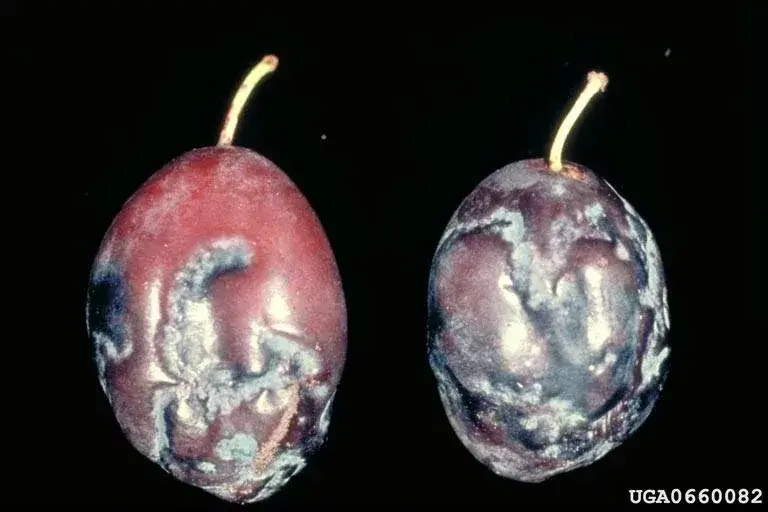
Symptoms of PPV infection can manifest in various ways, depending on the host plant, the PPV strain, and environmental factors. These can include yellow rings, spots, or mosaic patterns on leaves and fruit, as well as deformation, premature fruit drop, and reduced fruit quality. However, visual symptoms can be subtle, appear late in the infection cycle, or be confused with other diseases or nutrient deficiencies. This ambiguity underscores the need for more precise diagnostic tools.
Technological Enhancements in Symptom Analysis: While visual assessment is a starting point, technology is enhancing its precision. Digital imaging and image analysis software are being developed to help trained personnel identify and quantify disease symptoms more objectively. These systems can analyze patterns, color variations, and lesion sizes to provide a more consistent diagnosis. However, the true revolution in detection lies beyond visual cues.
Molecular Diagnostic Techniques: Precision at the Genetic Level
Molecular diagnostic techniques offer unparalleled sensitivity and specificity in detecting PPV. These methods target the virus’s genetic material or specific viral proteins, providing definitive identification.
Enzyme-Linked Immunosorbent Assay (ELISA): ELISA is a widely used serological technique that detects the presence of specific viral proteins (antigens). In PPV detection, antibodies specific to PPV proteins are used. If the virus is present in a sample (e.g., leaf tissue), these antibodies will bind to the viral proteins, triggering a color change or other detectable signal. ELISA kits are relatively cost-effective and can be used for large-scale screening of plants and for field testing. Technological advancements have led to more sensitive and rapid ELISA formats, including lateral flow assays, which provide results in minutes, making them ideal for quick on-site diagnostics.
Polymerase Chain Reaction (PCR) and its Derivatives: PCR is a molecular technique that amplifies specific segments of the viral RNA genome. By using primers designed to bind to unique PPV sequences, even a small amount of viral RNA can be detected and quantified. Real-time PCR (qPCR) allows for quantitative detection, providing information on the viral load within a sample. This is crucial for understanding the progression of the infection and the efficacy of treatments. Reverse Transcription PCR (RT-PCR) is specifically used for RNA viruses like PPV, as it first converts the viral RNA into complementary DNA (cDNA) before amplification. The development of multiplex PCR assays allows for the simultaneous detection of PPV and other relevant pathogens or genetic markers in a single test, increasing efficiency and reducing costs. The integration of PCR with automation in laboratory settings has significantly increased throughput and reduced turnaround times for diagnostics, enabling rapid responses to potential outbreaks.
Next-Generation Sequencing (NGS) for Viral Discovery and Characterization: As mentioned earlier, NGS offers a comprehensive approach. Beyond simply detecting PPV, it can identify novel strains, characterize resistance genes in host plants, and even provide insights into the complex interactions between the virus, its vectors, and the plant. This technology is transforming plant pathology from a reactive science to a proactive and predictive one, enabling the development of more robust and sustainable management strategies.
Management and Control Strategies: A Technological Toolkit
Combating Plum Pox Virus is a multi-faceted endeavor, requiring a combination of biological, chemical, and cultural strategies, all of which are increasingly informed and enhanced by technology.
Breeding for Resistance: The Genetic Engineering Advantage
One of the most sustainable methods for controlling PPV is the development of resistant plant varieties. Traditional breeding programs have aimed to identify and select naturally resistant individuals. However, this process can be time-consuming and challenging.
Genetically Modified Organisms (GMOs) and Gene Editing: Modern biotechnology has accelerated the development of resistant cultivars. The creation of genetically modified (GM) plum trees that express viral coat protein genes has proven highly effective in conferring resistance to PPV. This technology involves introducing genes from the virus itself into the plant’s genome, triggering a mechanism of cross-protection. Similar successes have been achieved with other GM crops. Furthermore, advancements in gene editing technologies, such as CRISPR-Cas9, offer even more precise ways to modify plant genomes. This allows scientists to potentially edit out susceptibility genes or introduce resistance traits without introducing foreign DNA, offering a pathway to develop resistant varieties with greater public acceptance and regulatory ease. These technologies represent the pinnacle of applying molecular biology to agricultural problem-solving.
Cultural Practices and Integrated Pest Management (IPM)
Beyond genetic solutions, effective management relies on integrated pest management (IPM) strategies, which leverage a range of tools and practices.
Data-Driven Orchard Management and Precision Agriculture: The principles of precision agriculture are vital for PPV control. This involves the use of sensors, weather stations, and Geographic Information Systems (GIS) to collect detailed data on orchard conditions, pest populations, and disease incidence. This data is then analyzed using specialized software and algorithms to make informed decisions about irrigation, fertilization, pruning, and pest control. For instance, GIS mapping can identify hot spots of PPV infection, allowing for targeted removal of infected trees and precise application of control measures. Remote sensing from drones or satellites can monitor tree health across large areas, flagging potential problem zones for further investigation. The adoption of decision support systems (DSS), often powered by AI, helps growers interpret this complex data and receive recommendations for optimal intervention timing and methods.
Sanitation and Biosecurity Protocols: Maintaining rigorous sanitation protocols is crucial to prevent the spread of PPV. This includes disinfecting pruning tools between cuts, using certified virus-free planting material, and promptly removing and destroying infected trees. While seemingly low-tech, the effectiveness of these protocols is amplified when integrated with digital record-keeping and traceability systems. These systems, often based on blockchain technology, can track the origin of planting material, document sanitation practices, and provide an auditable trail for biosecurity compliance.

Conclusion: Technology as the Shield Against Plum Pox Virus
Plum Pox Virus represents a persistent and economically significant threat to the stone fruit industry. While its origins and impact are biological, the modern arsenal for combating this pathogen is overwhelmingly technological. From the deep insights provided by genomic sequencing and molecular diagnostics to the precision of genetically engineered resistance and data-driven orchard management, technology is at the forefront of safeguarding vulnerable crops. The continuous development and adoption of these innovative tools are not just about managing a disease; they are about ensuring the resilience, sustainability, and economic viability of agriculture in the face of evolving biological challenges. As we move forward, the synergy between biological understanding and technological application will continue to be our strongest defense against threats like Plum Pox Virus, securing the future of our food production systems.
aViewFromTheCave is a participant in the Amazon Services LLC Associates Program, an affiliate advertising program designed to provide a means for sites to earn advertising fees by advertising and linking to Amazon.com. Amazon, the Amazon logo, AmazonSupply, and the AmazonSupply logo are trademarks of Amazon.com, Inc. or its affiliates. As an Amazon Associate we earn affiliate commissions from qualifying purchases.