
The question of “what is playing” in AMC theaters has evolved from a simple inquiry about weekend entertainment into a critical metric for market analysts, retail investors, and corporate strategists. In the high-stakes world of theatrical exhibition, the film slate is not merely a list of titles; it is the primary driver of liquidity, debt servicing capability, and shareholder value. For AMC Entertainment Holdings, the world’s largest movie theater chain, the composition of the marquee represents a complex interplay of capital allocation, studio negotiations, and consumer discretionary spending patterns.
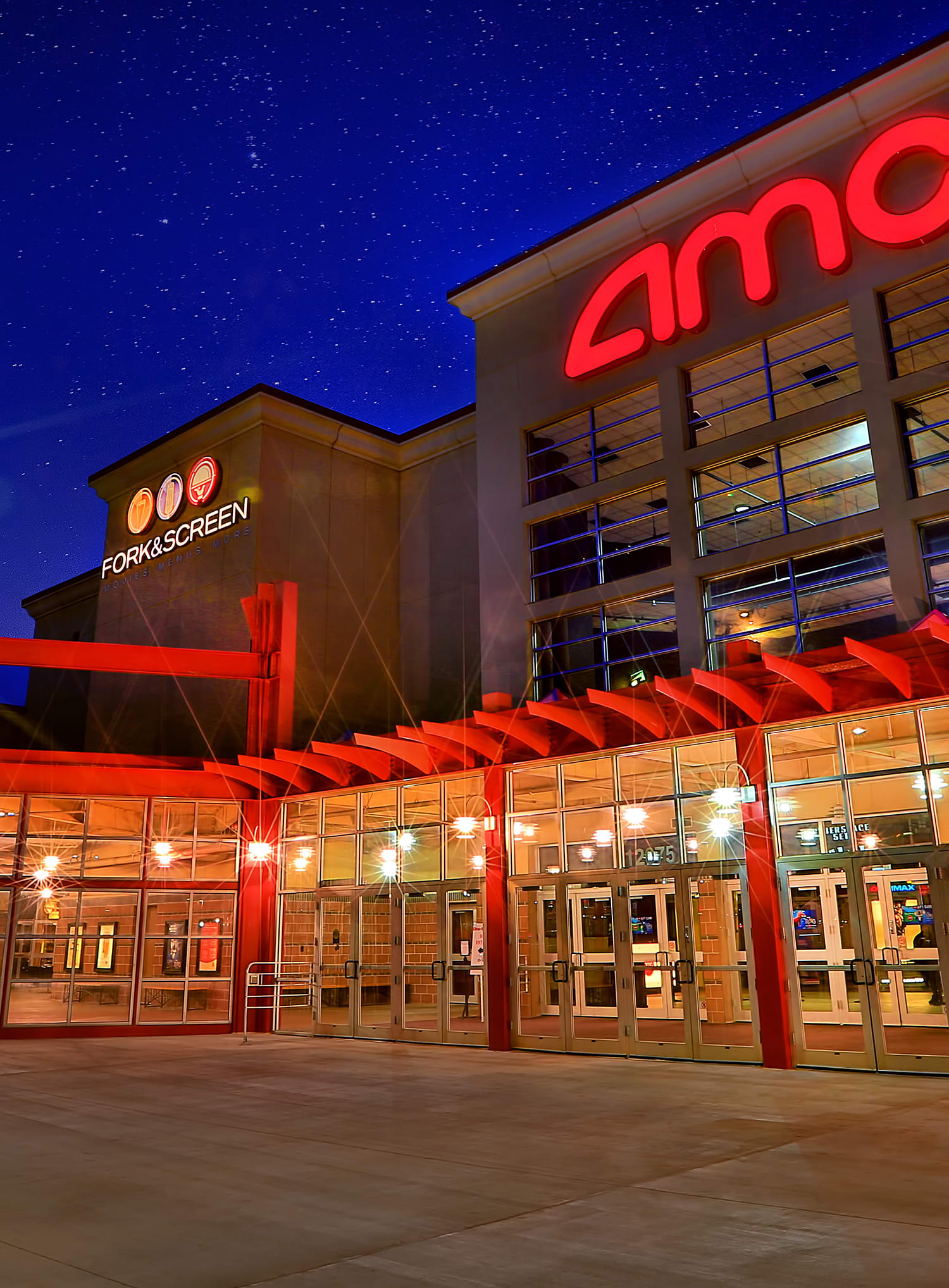
To understand the financial health of AMC, one must look beyond the screen and into the economic architecture that supports every screening. From the high-margin revenue of concession stands to the volatility of opening weekend box office numbers, what plays in these theaters dictates the fiscal trajectory of a company that has become a symbol of retail investor resilience and the enduring power of the “big screen” business model.
The Financial Stakes of the Blockbuster Slate
The core of AMC’s revenue model remains the theatrical window. While the company has diversified its interests, the “tentpole” film—the massive, high-budget blockbuster—is the engine that powers the entire ecosystem. When a film like an entry in the Marvel Cinematic Universe or a highly anticipated sequel hits the screens, it triggers a cascade of financial events.
The Revenue Sharing Hierarchy
The relationship between exhibitors like AMC and major studios (Disney, Warner Bros., Universal) is defined by a sliding scale of theatrical rentals. Traditionally, during the first week of a major release, the studio may command as much as 60% to 70% of the box office receipts. As the film stays in theaters, the percentage shifts in favor of the exhibitor. This creates a financial imperative for AMC to not only attract massive crowds for opening weekends but to ensure that “what is playing” has the cultural longevity to sustain attendance into its third, fourth, and fifth weeks.
Longevity is where the profit margins on ticket sales truly begin to widen. For AMC, the ideal slate consists of “four-quadrant” movies—films that appeal to all ages and demographics—which provide a steady, predictable cash flow rather than a short-lived spike.
The Impact of Volatility in Content Supply
The financial volatility of AMC is often tied to the consistency of the Hollywood production cycle. A “dry spell” in the release calendar, often caused by production delays or industry strikes, creates a direct hit to AMC’s quarterly earnings. Investors track the release schedule with the same scrutiny they apply to interest rate hikes. When the schedule is packed with high-performing IP, AMC’s ability to generate Free Cash Flow (FCF) improves, allowing the company to manage its significant debt load and reinvest in theater upgrades, such as Laser at AMC projection technology and plush recliner seating.
Diversifying the Portfolio: Alternative Content as a High-Margin Revenue Stream
In recent years, AMC has fundamentally altered the answer to “what is playing” by becoming a distributor itself. This shift represents one of the most significant strategic pivots in the company’s history, moving it from a passive exhibitor to an active player in the film industry’s value chain.
The Direct Distribution Model and the “Swift Effect”
The landmark deal to distribute Taylor Swift: The Eras Tour and Renaissance: A Film by Beyoncé served as a proof of concept for a new financial model. By bypassing traditional studio middlemen and dealing directly with artists, AMC was able to capture a significantly larger portion of the ticket revenue. In the case of the Eras Tour, the film became a financial juggernaut, generating over $260 million globally.
For AMC’s balance sheet, this was a transformative moment. The margins on direct-distributed content are vastly superior to traditional studio releases. This “alternative content” strategy allows AMC to fill seats during traditionally slow periods, maximizing the utility of its physical real estate and diversifying its income streams away from the whims of major Hollywood studios.
High-Margin Premium Large Format (PLF) Experiences
A crucial part of what is playing at AMC is how it is playing. The company has aggressively leaned into Premium Large Format (PLF) screens, including IMAX and Dolby Cinema. These screens command a significant price premium—often 30% to 50% higher than standard ticket prices. From an investment perspective, PLF screens are the highest ROI assets in an AMC theater. They cater to a “quality-over-quantity” consumer trend, where moviegoers are willing to pay more for an experience they cannot replicate at home. This segments the audience and allows AMC to extract more value per patron, a key metric for maintaining profitability in a post-streaming landscape.

The Concessions Multiplier and Ancillary Revenue
While the films bring people through the doors, the true profit center of an AMC theater is not the box office—it is the concession stand. The financial health of the company is inextricably linked to the “attachment rate,” or the percentage of ticket buyers who also purchase food and beverage.
Popcorn, Soda, and 80% Margins
The economics of movie theater concessions are legendary in the business world. While ticket sales have high overhead and revenue-sharing requirements, items like popcorn and fountain sodas have profit margins that can exceed 80%. What is playing on the screen acts as a loss leader (or at least a low-margin leader) to facilitate these high-margin transactions.
AMC has expanded this strategy by introducing “AMC Perfectly Popcorn” into retail environments like grocery stores, further diversifying its revenue. However, the in-theater experience remains the primary driver. The company’s focus on gourmet menus, MacGuffins bars, and commemorative merchandise (like the viral Dune: Part Two or Deadpool & Wolverine popcorn buckets) serves to increase the “per-patron spend,” a vital KPI for analysts evaluating AMC’s quarterly performance.
Subscription Models and Predictable MRR
The “AMC Stubs A-List” subscription program is another financial pillar driven by the theater’s slate. By charging a monthly fee for a set number of movies, AMC converts the variable “what is playing” into Monthly Recurring Revenue (MRR). This model provides a predictable cash flow buffer, ensuring that even in months with fewer blockbusters, the company maintains a steady stream of income. Furthermore, A-List members are historically more likely to visit the concessions stand, creating a synergistic effect that boosts total revenue per visit.
The Retail Investor Factor and Market Sentiment
No discussion of AMC’s finances is complete without acknowledging its status as a “meme stock.” For the millions of retail investors who identify as “Apes,” the question of what is playing in theaters is a matter of community pride and financial conviction.
Attendance as a Financial Metric
For AMC, box office numbers are more than just industry stats; they are a tool for narrative control in the equity markets. Strong attendance for a surprise hit can trigger a rally in share price, as it reinforces the “theaters are not dead” thesis. This retail support has allowed AMC to raise billions in capital through equity offerings over the last few years, providing the liquidity necessary to survive the total shutdown of the pandemic and the subsequent recovery period.
Strategic Capital Allocation
Management, led by CEO Adam Aron, has used the enthusiasm of the retail base to navigate a complex debt restructuring process. The money generated from theater attendance and equity sales has been used to buy back debt at a discount, acquire high-performing theaters from defunct competitors, and even diversify into unrelated ventures like gold mining (via the investment in Hycroft Mining). This unconventional financial strategy is fueled by the core business: the ability to draw a crowd to see what is playing on the screen.

The Future of Cinema Economics
As AMC moves forward, the economic landscape of the theater business will continue to be shaped by the evolution of theatrical windows and the cost of capital. The company’s ability to manage its debt maturity profile depends heavily on a robust 2025 and 2026 film slate.
The traditional 90-day theatrical window has largely vanished, replaced by a more flexible 17-to-45-day window. While this was initially viewed as a threat to theater finances, it has allowed for a more efficient churn of content. AMC’s strategy involves maximizing the “eventized” nature of cinema. In an era where digital content is infinite and cheap, the scarcity and scale of the theatrical experience are its most valuable assets.
In conclusion, “what is playing in AMC theaters” is the fundamental variable in a complex financial equation. It determines the success of the high-margin concessions business, the viability of the A-List subscription model, the strength of the company’s balance sheet, and the sentiment of a global army of retail investors. As long as there are stories that demand to be seen on a forty-foot screen, AMC’s role as a gatekeeper of that experience remains a central, albeit volatile, fixture of the entertainment economy. For the savvy investor or business observer, the marquee is not just a list of movies—it is a real-time report on the health of a multi-billion dollar enterprise.
aViewFromTheCave is a participant in the Amazon Services LLC Associates Program, an affiliate advertising program designed to provide a means for sites to earn advertising fees by advertising and linking to Amazon.com. Amazon, the Amazon logo, AmazonSupply, and the AmazonSupply logo are trademarks of Amazon.com, Inc. or its affiliates. As an Amazon Associate we earn affiliate commissions from qualifying purchases.