
In an age defined by instant gratification and endless digital choices, the simple question, “What is playing at theaters near me?” has transformed from a mere query into a sophisticated interplay of technology, data, and user experience. Gone are the days of flipping through newspaper listings or calling a theater’s automated line. Today, finding the perfect movie at the ideal showtime is an intricate dance facilitated by a myriad of apps, AI algorithms, and connected devices, all designed to streamline your cinematic journey. This exploration delves into the technological underpinnings that empower modern moviegoers, from the evolution of discovery tools to the cutting-edge innovations shaping the future of film consumption. For anyone looking to tap into the local cinema scene, understanding these tech trends is no longer a luxury but a necessity.

The Evolution of Movie Discovery: From Newspapers to Algorithms
The quest to find out what’s playing at local cinemas has undergone a profound transformation, mirroring the broader evolution of information technology. What began as a manual, often localized effort has blossomed into a global, algorithm-driven ecosystem designed for ultimate convenience and personalization.
The Analog Age: Directories and Showtimes
For generations, the primary method for discovering movie showtimes was remarkably low-tech. Local newspapers dedicated entire sections to daily movie listings, detailing showtimes, addresses, and sometimes a brief synopsis. Phone calls to theater hotlines, often greeted by pre-recorded messages, served as another common channel. This system, while functional, was inherently static and lacked real-time updates. Changes in schedules, sold-out shows, or last-minute additions were difficult to disseminate quickly, leading to potential frustration for eager moviegoers. The information was geographically constrained, relying on local publications, and offered no personalization beyond the rudimentary search for a specific film or theater. It was a testament to patience and local knowledge, a stark contrast to the dynamic digital landscape we inhabit today.
The Internet Revolution: Early Websites and Search Engines
The advent of the internet marked the first major paradigm shift in movie discovery. Early websites like IMDb (founded 1990) and later dedicated ticketing platforms began consolidating film information online. Users could, for the first time, search across multiple theaters in their area without leaving their homes. General search engines like Yahoo! and Google quickly became indispensable tools, allowing users to type queries like “movies playing in [city name]” and receive aggregated results. This era brought unparalleled accessibility and breadth of information. However, these early online platforms were often clunky, lacked robust mobile optimization, and were still primarily about information retrieval rather than a seamless booking experience. The data was more current than print, but real-time interactive features were still nascent.
The Mobile Transformation: Apps and Location Services
The true revolution for the modern moviegoer began with the proliferation of smartphones and the subsequent rise of mobile applications. The ability to carry a powerful computing device with always-on internet connectivity, coupled with GPS location services, irrevocably changed how we interact with local businesses, including cinemas. Apps like Fandango, Atom Tickets, and even Google’s integrated movie search quickly learned to leverage a user’s location to automatically display “what is playing at theaters near me.” This wasn’t just about convenience; it was about contextual relevance. These apps moved beyond simple listings, integrating features like seat selection, ticket purchasing, and even concessions ordering, all from a single interface. The mobile transformation made movie discovery and booking an impulse decision, a seamless extension of our digital lives.
Essential Tech Tools for the Modern Moviegoer
Today’s cinema enthusiast has an arsenal of technological tools at their disposal, each designed to enhance various aspects of the movie-going journey. These tools move beyond mere information display, offering personalized recommendations, secure transactions, and a greater sense of community.
Dedicated Movie Apps: Your Pocket Cinema Guide
Dedicated movie apps have become indispensable. Platforms like Fandango, Atom Tickets, and Cinemark/AMC/Regal’s proprietary apps offer a comprehensive suite of features. Beyond simply listing showtimes, they allow users to browse trailers, read synopses, view critic scores, and crucially, purchase tickets directly within the app. Many offer interactive seating charts, enabling users to select their preferred seats in advance, avoiding queues and ensuring the best view. Push notifications keep users updated on upcoming releases, special promotions, and even showtime changes. The seamless integration of search, discovery, and transaction makes these apps the primary gateway for most contemporary moviegoers. They often integrate loyalty programs, further incentivizing repeat use and offering exclusive perks.
Aggregator Platforms and Review Sites: Beyond Showtimes
While dedicated apps handle the transactional aspect, aggregator platforms and review sites provide the crucial context. Rotten Tomatoes and Metacritic are prime examples, compiling critical reviews and generating a consensus score (the “Tomatometer” or Metascore). This allows users to quickly gauge a film’s critical reception before committing to a ticket. IMDb (Internet Movie Database) provides an unparalleled wealth of information about films, actors, and crew, along with user ratings and reviews. Google Movies (accessible via a simple Google search) acts as an excellent aggregator, pulling showtimes from various sources, displaying critic and audience scores, and linking directly to ticketing partners. These platforms don’t just tell you what is playing; they help you decide if it’s worth seeing, providing a layer of informed decision-making that was previously unavailable.
AI-Powered Recommendations: Personalizing Your Picks
The power of Artificial Intelligence (AI) is increasingly being leveraged to personalize the movie discovery experience. Streaming services have long used sophisticated algorithms to suggest films based on viewing history, genre preferences, and even emotional responses. This technology is now extending to theatrical releases. Some movie apps and websites, drawing on a user’s past ticket purchases, favorited films, and browsing behavior, will proactively recommend upcoming movies or showtimes that align with their perceived tastes. This shift from generic listings to tailored suggestions streamlines the decision-making process, helping users cut through the noise of countless releases and pinpoint films they are genuinely likely to enjoy. The future promises even more nuanced AI, potentially considering factors like mood, companions, and current events to refine recommendations further.

Smart Home Integration: Voice Commands for Showtimes
The convenience of movie discovery extends beyond mobile devices into the realm of smart home technology. Voice assistants like Amazon Alexa and Google Assistant are increasingly capable of providing real-time movie information. A simple voice command, “Alexa, what movies are playing at the AMC near me tonight?” or “Hey Google, what are the showtimes for the new blockbuster?” can instantly retrieve relevant listings. This hands-free interaction represents the pinnacle of convenience, integrating movie information seamlessly into the ambient computing environment of a modern home. While direct ticketing via voice commands is still evolving, the ability to quickly get information without lifting a finger highlights the pervasive nature of technology in simplifying everyday tasks.
Enhancing the Cinematic Experience: Beyond Just Finding a Movie
Technology’s role in the movie-going journey extends far beyond the initial discovery. It enriches the entire experience, from the moment of purchase to post-film engagement, ensuring convenience, security, and a greater connection to the film community.
Digital Ticketing and Seamless Entry: QR Codes and Mobile Wallets
One of the most significant technological advancements for moviegoers is the widespread adoption of digital ticketing. Gone are the days of printing tickets or waiting in long lines at the box office. Today, once a ticket is purchased through an app or website, a QR code or barcode is typically sent directly to the user’s email or stored within the app or a mobile wallet (like Apple Pay or Google Pay). At the theater, a quick scan of this digital code by an usher allows for swift and contactless entry. This not only speeds up the process but also reduces paper waste and provides a secure, easily retrievable record of the purchase. The seamless integration with mobile devices has made last-minute decisions and spontaneous movie trips more feasible and less stressful.
User Reviews and Community Engagement: A Collective Voice
The internet has democratized film criticism, giving a collective voice to the audience. Platforms like IMDb, Rotten Tomatoes, and various social media channels allow moviegoers to share their opinions, rate films, and engage in discussions about plot points, performances, and overall impact. This user-generated content provides a valuable counterpoint to professional critics, offering insights from fellow viewers. Beyond simple ratings, many apps and websites facilitate active communities where users can post detailed reviews, recommend films to friends, or even organize group outings. This fosters a sense of shared experience and helps others make informed decisions, transforming movie-going from a solitary decision into a more communal activity, even before stepping into the cinema.
Digital Security in Online Transactions: Protecting Your Data
As more financial transactions move online, the importance of digital security cannot be overstated. When purchasing movie tickets or concessions through apps and websites, users entrust these platforms with sensitive financial and personal information. Reputable ticketing services employ robust encryption technologies (like SSL/TLS) to protect data during transmission and secure payment gateways to process transactions. They often adhere to industry standards like PCI DSS (Payment Card Industry Data Security Standard) to safeguard credit card information. Furthermore, features like two-factor authentication (2FA) for user accounts add an extra layer of protection against unauthorized access. Understanding these security measures gives users confidence that their information is safe, making the online purchase process as secure as it is convenient.
The Future of Movie Discovery: Immersive Tech and Predictive AI
The trajectory of movie discovery is one of continuous innovation, with emerging technologies promising even more immersive, intuitive, and personalized experiences. The next frontier involves leveraging advanced AI, augmented reality, and even the nascent metaverse to redefine how we interact with the cinematic world.
Augmented Reality (AR) and Virtual Reality (VR) Previews
Imagine not just watching a trailer, but stepping into a scene from an upcoming film. Augmented Reality (AR) and Virtual Reality (VR) are poised to revolutionize how we preview movies. AR apps could allow users to project characters or scenes into their living rooms, providing an interactive teaser experience. VR experiences, either in dedicated pods or via home VR headsets, could offer immersive snippets of a film, enabling users to explore sets, meet characters, or even “feel” the atmosphere of a movie world before it hits theaters. This level of experiential previewing would go far beyond current trailers, creating an unprecedented connection with the film and significantly influencing viewing decisions.
Predictive Analytics for Theater Programming
Currently, theater programming relies on a mix of industry buzz, historical data, and distributor agreements. However, predictive analytics driven by advanced AI could introduce a new level of precision. By analyzing vast datasets—including local demographics, past box office performance of similar films, social media sentiment, even weather patterns—AI could forecast demand for specific films at specific times in particular locations with remarkable accuracy. This could optimize showtimes, prevent empty theaters, and ensure that “what is playing near me” is perfectly aligned with local audience preferences. This not only benefits theaters by maximizing revenue but also enhances the moviegoer’s experience by ensuring the most relevant and desired films are always available.
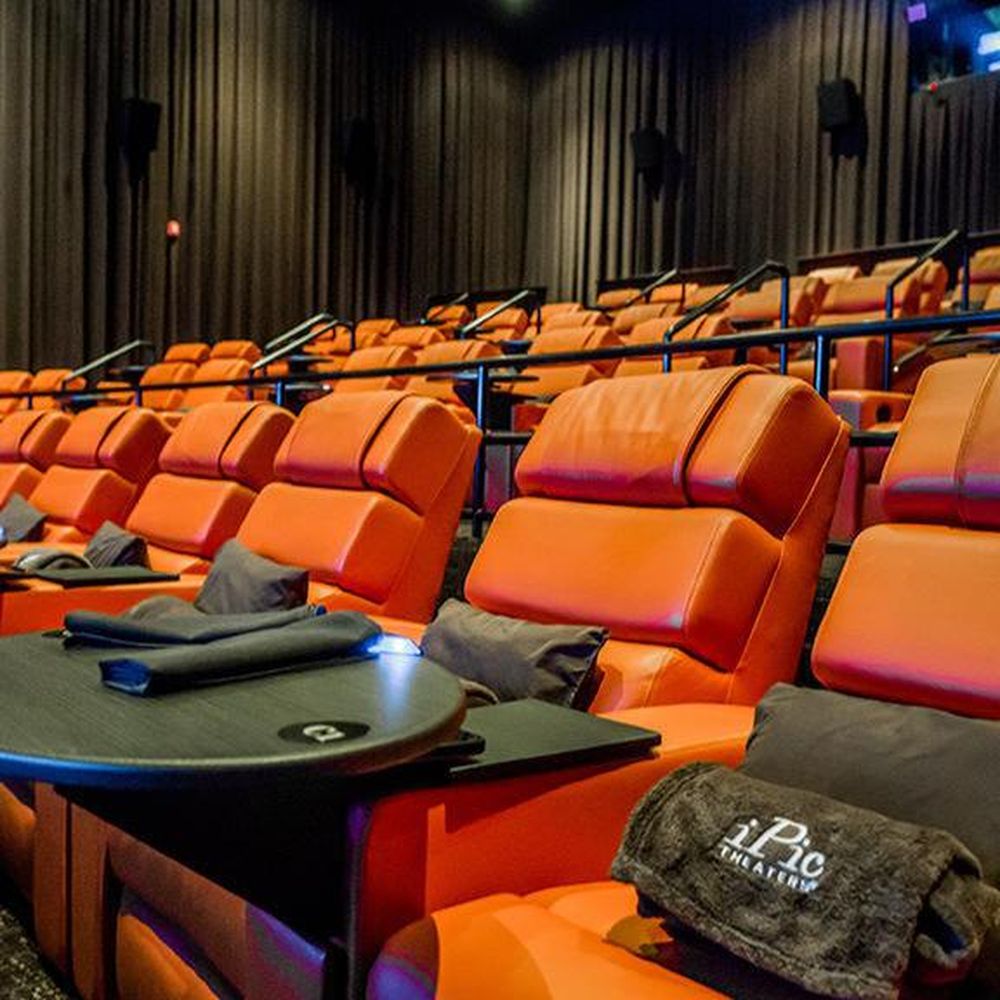
The Metaverse and Beyond: Experiential Cinema
Looking further ahead, the concept of the metaverse could fundamentally alter cinematic consumption. While still in its early stages, the metaverse envisions persistent, shared 3D virtual spaces. In this future, “what is playing near me” might evolve into “what immersive cinematic experience can I join in the metaverse?” Users could attend virtual red carpet premieres, interact with virtual avatars of actors, or even experience films in collective, shared virtual environments that blend traditional viewing with interactive elements. Imagine watching a movie with friends from across the globe in a custom virtual theater, or even participating in a movie’s narrative through an immersive, game-like experience. This futuristic vision promises to merge the lines between film, gaming, and social interaction, creating an entirely new dimension of cinematic engagement.
In conclusion, the simple question, “What is playing at theaters near me?” has become a powerful illustration of how technology underpins and enhances our daily lives. From the basic convenience of real-time listings on our smartphones to the sophisticated algorithms personalizing our recommendations, tech tools have democratized access, streamlined transactions, and fostered community among film enthusiasts. As AI, AR, VR, and the metaverse continue to evolve, the future of movie discovery promises an even more integrated, intuitive, and immersive journey into the world of cinema, making every film experience uniquely tailored and profoundly engaging.
aViewFromTheCave is a participant in the Amazon Services LLC Associates Program, an affiliate advertising program designed to provide a means for sites to earn advertising fees by advertising and linking to Amazon.com. Amazon, the Amazon logo, AmazonSupply, and the AmazonSupply logo are trademarks of Amazon.com, Inc. or its affiliates. As an Amazon Associate we earn affiliate commissions from qualifying purchases.