
Plaquenil, the brand name for hydroxychloroquine sulfate, is a medication that has garnered significant attention for its multifaceted therapeutic applications, primarily in the management of certain autoimmune diseases and the prevention and treatment of malaria. As a disease-modifying antirheumatic drug (DMARD), Plaquenil’s mechanism of action, while not fully elucidated, is understood to involve modulating the immune system, thereby reducing inflammation and its associated symptoms. This intricate interplay with the body’s defense mechanisms positions it as a cornerstone therapy for conditions such as rheumatoid arthritis and systemic lupus erythematosus (SLE), offering patients a pathway to improved quality of life and disease control.
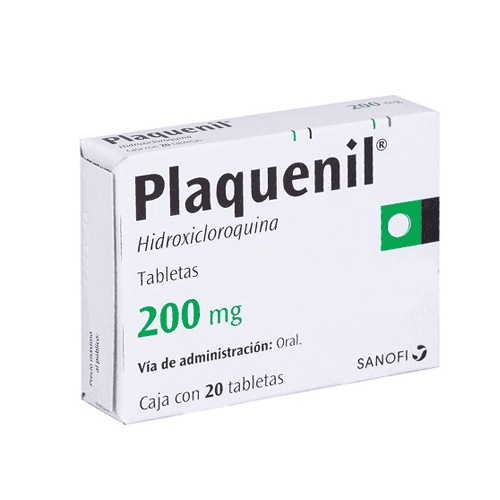
The pharmaceutical landscape of Plaquenil is a testament to its enduring utility. Developed and marketed by Sanofi, Plaquenil represents a significant product within the autoimmune and antimalarial drug markets. Its established safety profile and efficacy, honed over decades of clinical use, have solidified its position as a trusted treatment option. However, like all medications, Plaquenil is not without its considerations, and a comprehensive understanding of its applications, potential side effects, and appropriate usage is paramount for both healthcare professionals and patients alike. This article delves into the core aspects of Plaquenil, exploring its therapeutic roles, the science behind its action, and the vital considerations for its effective and safe deployment.
Understanding Plaquenil’s Therapeutic Applications
Plaquenil’s therapeutic efficacy spans a range of chronic and infectious conditions, with its most prominent roles found in rheumatology and infectious disease management. The ability of hydroxychloroquine to suppress aberrant immune responses and combat parasitic infections underpins its broad spectrum of use.
Autoimmune Disease Management
The use of Plaquenil in autoimmune diseases is perhaps its most widely recognized application. These conditions arise when the immune system, which normally protects the body from foreign invaders, mistakenly attacks its own tissues. Plaquenil’s immunomodulatory properties are crucial in dampening this misguided attack.
Rheumatoid Arthritis (RA)
Rheumatoid arthritis is a chronic inflammatory disorder that primarily affects the joints, causing pain, swelling, stiffness, and, over time, joint damage and deformity. Plaquenil is classified as a conventional synthetic disease-modifying antirheumatic drug (csDMARD) for RA. It works by suppressing the immune system’s inflammatory response, which is the root cause of joint damage in RA. By reducing inflammation, Plaquenil helps to alleviate pain and stiffness, prevent joint erosion, and preserve joint function, thereby significantly improving the quality of life for individuals living with this debilitating condition. While it does not cure RA, it plays a vital role in slowing disease progression and managing symptoms, often used in conjunction with other RA medications.
Systemic Lupus Erythematosus (SLE)
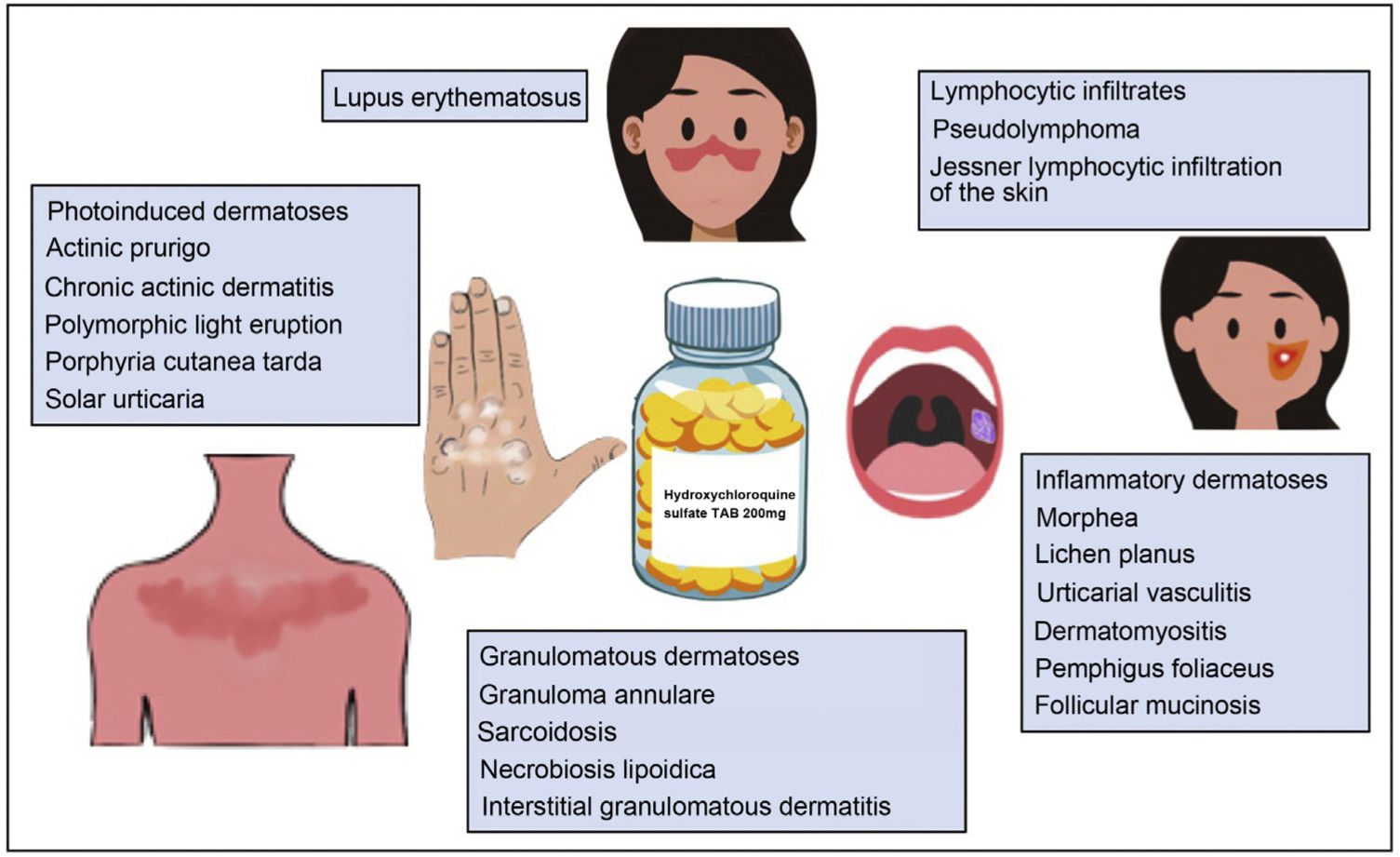
Systemic Lupus Erythematosus, commonly known as lupus, is a complex autoimmune disease that can affect various organs and tissues, including the skin, joints, kidneys, brain, heart, and lungs. Plaquenil is a foundational treatment for lupus, particularly for managing its dermatological and articular manifestations. It is effective in reducing the frequency and severity of skin rashes, such as the characteristic butterfly-shaped rash across the face, and in alleviating joint pain and inflammation. Beyond its anti-inflammatory effects, Plaquenil’s ability to reduce the risk of photosensitivity (increased sensitivity to sunlight, which can trigger lupus flares) is a significant benefit for lupus patients. For some individuals with SLE, Plaquenil can also help to prevent more serious systemic complications, such as lupus nephritis (kidney inflammation).
Malaria Prevention and Treatment
Beyond its autoimmune applications, Plaquenil has a long-standing history in the fight against malaria, a life-threatening disease caused by Plasmodium parasites transmitted through mosquito bites.
Antimalarial Prophylaxis
Plaquenil is prescribed as an antimalarial prophylactic agent for individuals traveling to regions where malaria is endemic. It functions by preventing the Plasmodium parasites from maturing in the liver and red blood cells, thus inhibiting the development of the disease. Its efficacy against certain strains of malaria and its relatively favorable side-effect profile have made it a common choice for travelers seeking to protect themselves from this potentially fatal illness. The regimen typically involves starting the medication before travel, continuing it during the stay, and for a specified period after returning home.
Treatment of Acute Malaria
In cases of malaria infection, Plaquenil can be used as part of a treatment regimen, particularly for Plasmodium vivax and Plasmodium ovale malaria, which can cause relapsing infections due to dormant liver stages. While it effectively targets the blood stages of these parasites, it is often used in combination with other antimalarial drugs or followed by a course of primaquine to eradicate the dormant liver forms and prevent relapses. Its role in malaria treatment is crucial, especially in regions where resistance to other antimalarials is prevalent.
The Mechanism of Action: How Plaquenil Works
The precise mechanisms by which Plaquenil exerts its therapeutic effects are complex and continue to be a subject of ongoing research. However, key pathways have been identified that shed light on its efficacy in treating autoimmune diseases and malaria.
Immunomodulatory Effects in Autoimmune Diseases
Plaquenil’s impact on the immune system is multifaceted. It is believed to interfere with the function of lysosomes, which are cellular organelles involved in breaking down waste materials and cellular debris. In autoimmune diseases, these processes are often dysregulated, contributing to inflammation.
Inhibition of Lysosomal Enzymes and Antigen Presentation
By altering the pH of intracellular compartments, Plaquenil is thought to inhibit the activity of lysosomal enzymes. This inhibition can interfere with the processing and presentation of antigens (foreign substances that trigger an immune response) by antigen-presenting cells (APCs), such as macrophages and dendritic cells. By hindering antigen presentation, Plaquenil can reduce the activation of T-cells, a key component of the adaptive immune system that drives inflammatory responses in autoimmune conditions.
Reduction of Cytokine Production
Plaquenil has also been shown to suppress the production of pro-inflammatory cytokines, such as interleukin-1 (IL-1), IL-6, and tumor necrosis factor-alpha (TNF-α). These signaling molecules play a critical role in orchestrating the inflammatory cascade. By reducing the levels of these cytokines, Plaquenil helps to dampen the inflammatory process, leading to a decrease in pain, swelling, and tissue damage associated with autoimmune diseases.
Antiparasitic Action in Malaria
In the context of malaria, Plaquenil’s mechanism involves targeting the parasite within the red blood cells.
Interference with Hemoglobin Digestion
The malaria parasite, Plasmodium, resides within red blood cells and feeds on hemoglobin, the protein responsible for oxygen transport. During this process, the parasite releases toxic byproducts. Plaquenil accumulates within the parasite’s food vacuole, an organelle responsible for digesting hemoglobin. By raising the pH of this vacuole, Plaquenil is believed to interfere with the parasite’s ability to detoxify the heme released from hemoglobin. This leads to the accumulation of toxic heme, which is lethal to the parasite.
Considerations for Plaquenil Use: Safety and Monitoring
While Plaquenil is a valuable therapeutic agent, its use necessitates careful consideration of potential side effects and requires diligent monitoring to ensure patient safety and optimize treatment outcomes.
Ocular Toxicity: A Primary Concern
The most significant and well-documented side effect of Plaquenil is ocular toxicity, which can lead to irreversible retinal damage and vision loss. This risk is dose-dependent and is influenced by the duration of treatment.
Regular Ophthalmological Examinations
To mitigate the risk of Plaquenil-induced retinopathy, regular and comprehensive eye examinations are mandatory for all patients receiving long-term Plaquenil therapy. These examinations typically include visual acuity testing, visual field testing, and spectral-domain optical coherence tomography (SD-OCT) to assess the health of the retina. The frequency of these examinations is determined by individual risk factors, the prescribed dose of Plaquenil, and the duration of treatment. Early detection of any retinal changes is crucial for preventing permanent vision impairment.
Risk Factors and Early Detection
Factors that may increase the risk of ocular toxicity include higher daily doses, longer treatment durations, pre-existing retinal conditions, and concurrent use of other medications that can affect vision. Patients are advised to report any visual disturbances, such as blurred vision, difficulty reading, or changes in color perception, to their healthcare provider immediately. Prompt discontinuation of Plaquenil and appropriate management can often halt or reverse early-stage retinal damage.
Other Potential Side Effects
Beyond ocular concerns, Plaquenil can cause a range of other adverse effects, though these are generally less severe and often manageable.
Gastrointestinal Disturbances
Common gastrointestinal side effects include nausea, vomiting, diarrhea, and abdominal cramps. These symptoms are often transient and can be minimized by taking Plaquenil with food or milk.
Dermatological Reactions
Skin rashes, itching, and hair changes (such as thinning or bleaching) can occur. In rare cases, more severe dermatological reactions may develop.
Neuromuscular Effects
Muscle weakness and nerve damage (neuropathy) are less common but potential side effects. Patients experiencing unusual fatigue or sensory disturbances should consult their physician.
Cardiovascular Considerations
While less common, Plaquenil can affect the heart, particularly in individuals with pre-existing cardiac conditions. Electrocardiogram (ECG) monitoring may be recommended in certain high-risk patients.
The Brand and Market Position of Plaquenil
As a long-established pharmaceutical product, Plaquenil holds a significant position in the global healthcare market. Its brand recognition is strong, built upon decades of clinical evidence and physician trust.
A Legacy of Trust and Efficacy
Plaquenil’s journey from its initial development to its current status as a widely prescribed medication underscores its enduring value. For many patients battling chronic autoimmune conditions or facing the threat of malaria, Plaquenil represents a beacon of hope and a tangible pathway towards symptom management and disease control. The consistent performance and predictable therapeutic outcomes associated with the drug have fostered a deep-seated trust among healthcare providers, who rely on it as a dependable component of their treatment armamentarium. This trust translates into a sustained demand and a robust market presence for the brand.

Navigating the Pharmaceutical Landscape
In the dynamic pharmaceutical industry, Plaquenil, as a branded generic, has had to navigate evolving market conditions. While facing competition from newer therapeutic agents, its established efficacy, favorable cost-effectiveness (compared to some biologics), and broad applicability continue to secure its market share. The manufacturer’s ongoing commitment to pharmacovigilance and post-marketing surveillance further solidifies its reputation. The widespread availability of Plaquenil, often as a prescription medication covered by insurance plans, contributes to its accessibility and continued relevance for a broad patient population. Its legacy is not merely one of chemical efficacy but also of sustained impact on public health and individual well-being.
aViewFromTheCave is a participant in the Amazon Services LLC Associates Program, an affiliate advertising program designed to provide a means for sites to earn advertising fees by advertising and linking to Amazon.com. Amazon, the Amazon logo, AmazonSupply, and the AmazonSupply logo are trademarks of Amazon.com, Inc. or its affiliates. As an Amazon Associate we earn affiliate commissions from qualifying purchases.