
In the rapidly evolving landscape of wearable technology and specialized equipment, the categorization of “plantar fasciitis shoes” has shifted from simple comfort wear to a complex field of biomechanical engineering. To the casual observer, these shoes may appear to be standard athletic or casual footwear, but beneath the surface lies a sophisticated integration of materials science, structural integrity, and ergonomic data. Understanding what constitutes a plantar fasciitis shoe requires a deep dive into the technical specifications that differentiate these tools from standard retail footwear.
At its core, a plantar fasciitis shoe is a precision-engineered device designed to manage the mechanical load placed on the plantar fascia—the thick band of tissue that connects the heel bone to the toes. When this tissue is overstrained, it results in micro-tears and inflammation. The “tech” in these shoes is specifically calibrated to redirect force, stabilize the kinetic chain, and provide the structural reinforcement necessary to facilitate healing while maintaining mobility.

The Structural Architecture: Precision Engineering for Foot Health
The efficacy of footwear designed for plantar fasciitis is rooted in its structural blueprint. Unlike standard lifestyle sneakers, which often prioritize aesthetics or lightweight flexibility at the expense of support, orthopedic-grade footwear utilizes a multi-layered approach to stability. This is not merely about “cushioning”; it is about the engineering of a stable platform that dictates how the foot interacts with the ground.
Kinetic Chain Alignment and Heel Stability
The primary technical requirement for a plantar fasciitis shoe is a reinforced heel counter. In engineering terms, the heel counter acts as the chassis of the shoe. It is a stiff, cup-like structure integrated into the rear of the footwear. Its purpose is to lock the calcaneus (heel bone) into a neutral position, preventing over-pronation—the inward rolling of the foot that places excessive tension on the plantar fascia. By stabilizing the heel, the shoe ensures that the entire kinetic chain, from the ankle to the knee and hip, remains aligned, reducing the mechanical stress that propagates upward through the body.
Dynamic Arch Support Mechanisms
Arch support in high-end orthopedic shoes is often misunderstood as a passive “pillow” for the foot. In reality, it is a dynamic mechanical feature. Technical footwear for this condition employs a contoured midsole that mimics the natural geometry of a healthy arch. These supports are often reinforced with TPU (Thermoplastic Polyurethane) or nylon shanks—stiff inserts placed between the insole and outsole. This “tech” prevents the shoe from twisting or collapsing under the wearer’s weight, ensuring that the arch is protected from the flattening force of each step.
Rocker Bottom Geometry
One of the most significant technological advancements in this niche is the implementation of “rocker” soles. Inspired by the mechanics of a rocking chair, this design features a tapered toe and heel. From a mechanical perspective, this reduces the range of motion required at the midfoot and toe joints. By facilitating a smoother transition from heel-strike to toe-off, the shoe effectively bypasses the phase of the gait cycle that puts the most tension on the plantar fascia.
Material Innovation: The Role of Advanced Polymers and Composite Shanks
The materials used in plantar fasciitis shoes represent some of the most advanced developments in polymer chemistry. Manufacturers are no longer relying on basic rubber; instead, they are utilizing proprietary foam blends and composite materials to achieve specific durometer (hardness) ratings tailored to therapeutic needs.
Energy Return vs. Shock Absorption
A critical challenge in footwear engineering is balancing shock absorption with energy return. For a patient with plantar fasciitis, a shoe that is too soft will cause the foot to sink, leading to instability and further strain. Conversely, a shoe that is too hard will fail to dampen the impact forces of walking on concrete.
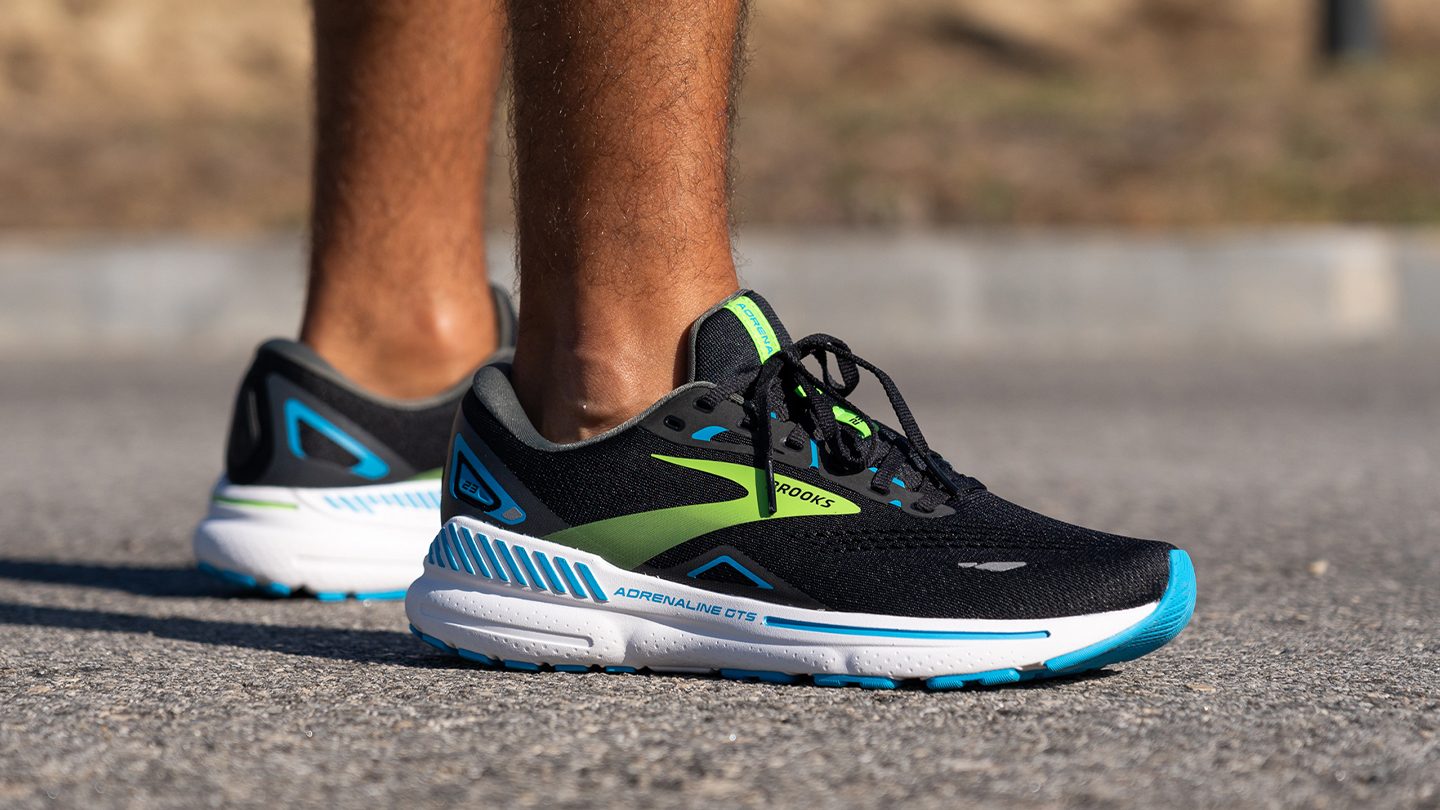
To solve this, tech-focused brands utilize dual-density midsoles. The “medial post”—a firmer section of foam on the inner side of the shoe—uses high-density EVA (Ethylene Vinyl Acetate) to provide structural rigidity. Meanwhile, the outer edges and heel utilize softer, nitrogen-infused foams. These foams contain micro-bubbles that compress to absorb impact and then rapidly expand to provide a “rebound” effect, reducing the muscular effort required to walk.
Torsional Rigidity and the Carbon Fiber Revolution
Borrowing technology from elite marathon racing shoes, many modern orthopedic designs are incorporating carbon fiber or composite plates. These plates are engineered to provide high torsional rigidity, meaning the shoe will not twist easily. For someone suffering from plantar fasciitis, this prevents the midfoot from rotating excessively, which is a major contributor to fascia inflammation. The integration of carbon-composite shanks allows for a shoe that is incredibly lightweight yet structurally as rigid as traditional, heavy orthopedic boots.
Antimicrobial and Moisture-Wicking Fabrics
Beyond the sole, the “upper” of the shoe utilizes advanced textile engineering. Engineered mesh and 3D-printed overlays provide a “zonal” fit—stretching where the foot needs room (such as the toe box) while remaining rigid where support is needed (the midfoot). High-tech liners often incorporate silver-ion technology or copper-infused fabrics to provide antimicrobial properties, essential for users who must wear these specialized shoes for extended durations throughout the day.
Digital Integration: The Rise of Smart Insoles and Gait Analysis Software
The definition of “what is a plantar fasciitis shoe” is currently being expanded by the integration of digital tools and software-driven customization. We are moving away from “off-the-shelf” solutions toward data-driven, personalized orthopedic technology.
IoT-Enabled Footwear and Pressure Mapping
The latest frontier in foot health tech is the “smart” shoe. Some manufacturers are embedding pressure-sensitive sensors directly into the midsole. These sensors sync via Bluetooth to mobile applications, providing real-time data on the user’s gait. For someone managing plantar fasciitis, this software can identify “hot spots”—areas where excessive pressure is being applied—and alert the user to adjust their stride. This transition from reactive treatment to proactive data monitoring represents a major shift in how we view footwear as a health tool.
3D Printing and Customization Algorithms
Artificial Intelligence (AI) and 3D printing are revolutionizing the manufacturing process. By using 3D foot scanners, companies can now generate a digital twin of a consumer’s foot. Sophisticated algorithms analyze the specific arch height, heel width, and pressure distribution of the individual. This data is then sent to a 3D printer that fabricates a custom midsole with varying lattice densities. These lattices can be tuned to be stiffer in the arch and softer in the heel, providing a level of precision that traditional injection molding cannot achieve.
The Future of Footwear Technology: AI and Adaptive Support
As we look toward the future, the “tech” in plantar fasciitis shoes is set to become even more adaptive. We are seeing the early stages of “active” footwear—shoes that can change their structural properties in real-time.
Biomimetic Design and Shape-Memory Alloys
Researchers are currently experimenting with shape-memory alloys and polymers that can react to heat or electrical impulses. Imagine a shoe that becomes stiffer when it detects you are running and more flexible when you are standing still. This biomimetic approach aims to replicate the natural function of the human foot while providing a “cybernetic” layer of protection for the injured fascia.

Predictive Analytics for Wear and Tear
One of the biggest issues with orthopedic footwear is that the mechanical properties of the foam degrade over time, often before the shoe looks “worn out.” Future plantar fasciitis shoes will likely include embedded wear-sensors that use predictive analytics to notify the user when the midsole’s shock absorption has dropped below a therapeutic threshold. This ensures that the user is always protected by the optimal level of technology, preventing the recurrence of injury due to equipment failure.
In conclusion, a plantar fasciitis shoe is not merely a piece of apparel; it is a sophisticated piece of biomechanical hardware. It represents the intersection of orthopedic medicine, advanced materials science, and digital innovation. By utilizing structural engineering to stabilize the gait, specialized polymers to manage impact, and digital tools to customize the experience, these shoes serve as a primary example of how technology is being harnessed to improve human mobility and quality of life. As materials become lighter and sensors become smaller, the line between “medical device” and “everyday shoe” will continue to blur, making high-tech foot health accessible to everyone.
aViewFromTheCave is a participant in the Amazon Services LLC Associates Program, an affiliate advertising program designed to provide a means for sites to earn advertising fees by advertising and linking to Amazon.com. Amazon, the Amazon logo, AmazonSupply, and the AmazonSupply logo are trademarks of Amazon.com, Inc. or its affiliates. As an Amazon Associate we earn affiliate commissions from qualifying purchases.