
In today’s increasingly interconnected world, where our lives are intertwined with the digital realm, a persistent and evolving threat lurks: phishing. While the term “phishing” itself might sound benign, its impact can be devastating, compromising everything from our personal data and online brand to our hard-earned finances. Understanding what phishing is, how it operates, and how to defend against it is no longer optional; it’s a fundamental aspect of digital literacy and security.
This article will delve into the multifaceted nature of phishing, exploring its various forms, the sophisticated tactics employed by cybercriminals, and the potential repercussions across the core pillars of our digital lives: Tech, Brand, and Money. We’ll equip you with the knowledge to identify phishing attempts, safeguard your digital assets, and maintain the integrity of your online presence.
The Evolving Landscape of Phishing Attacks
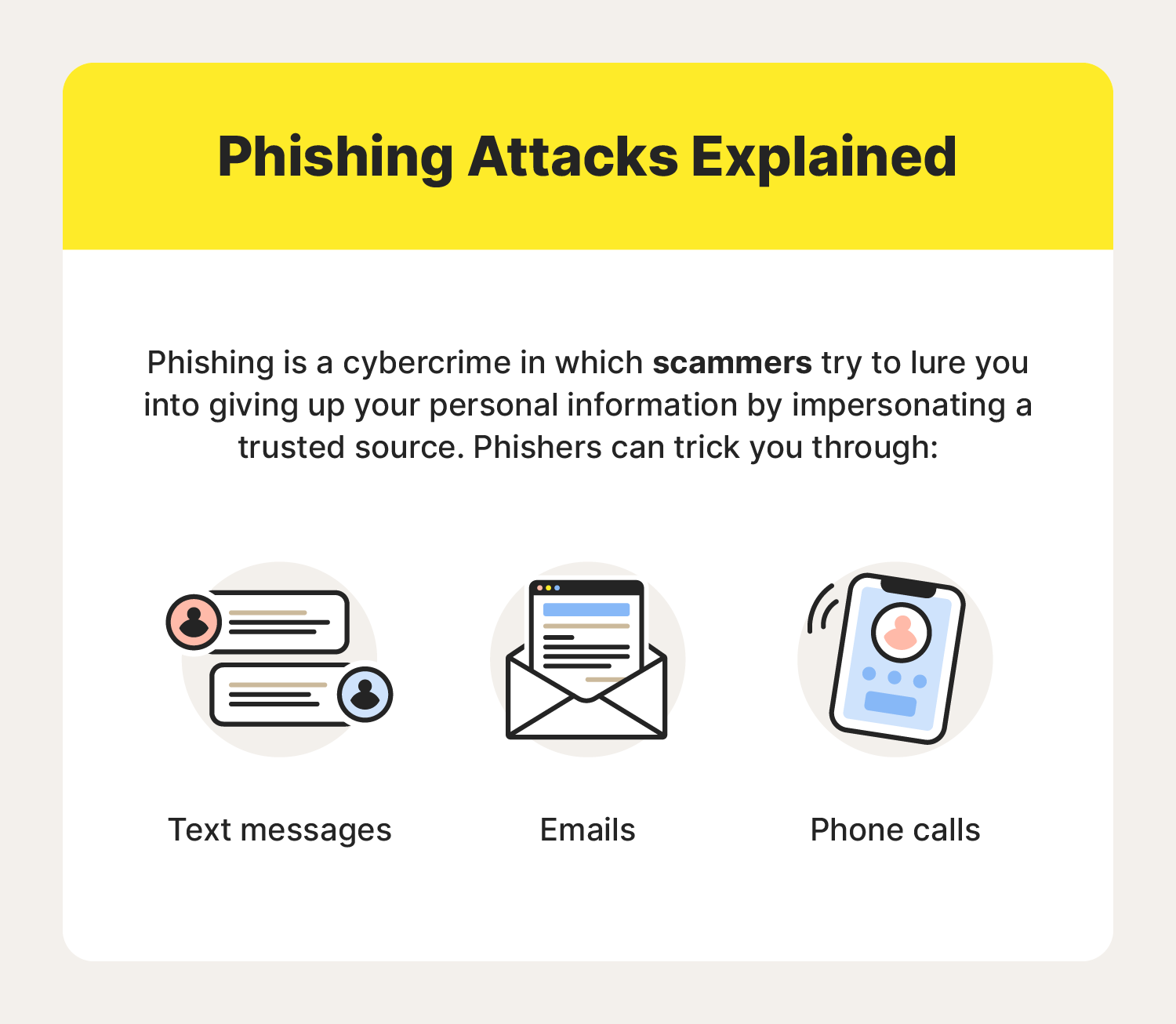
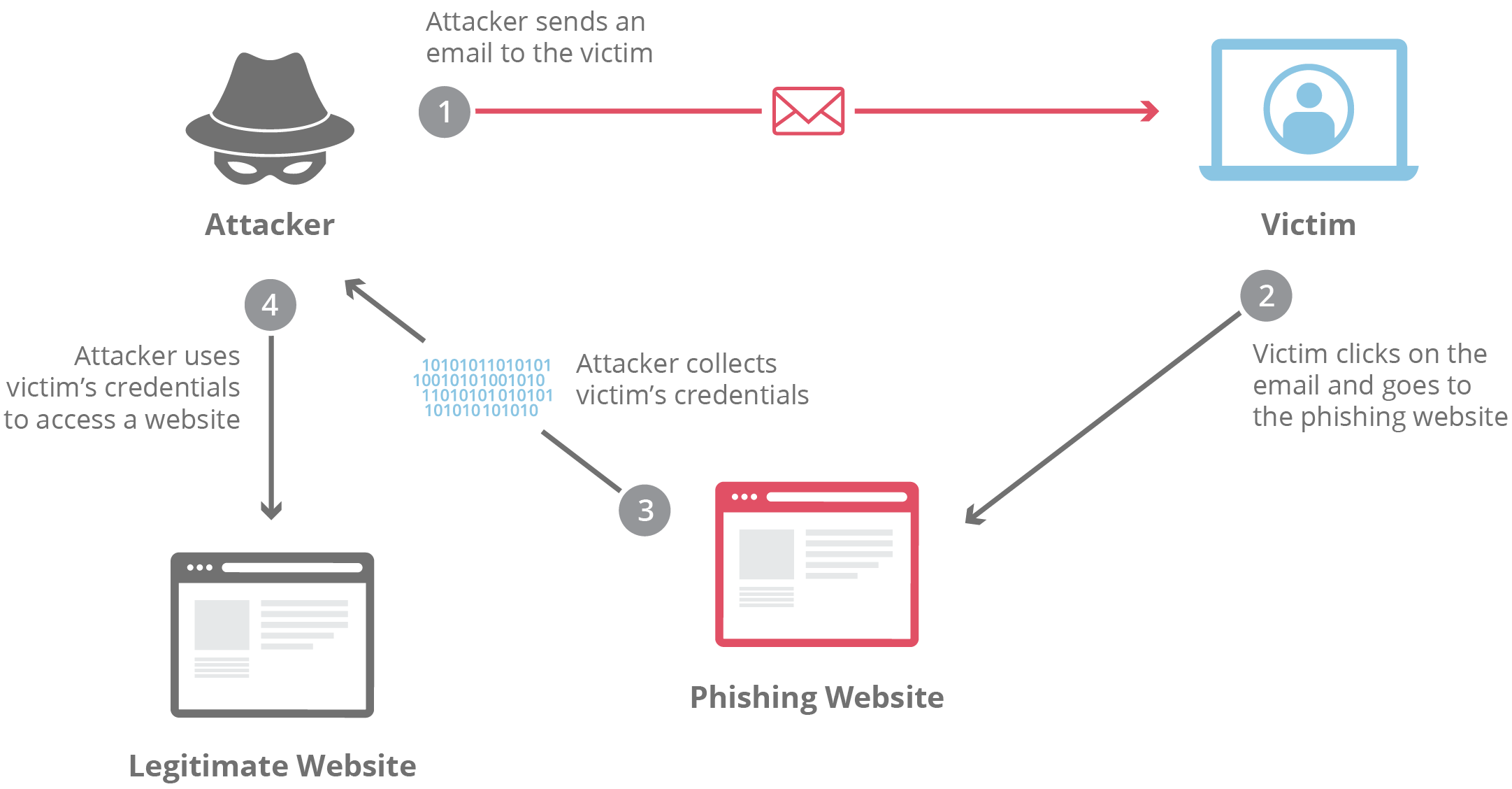
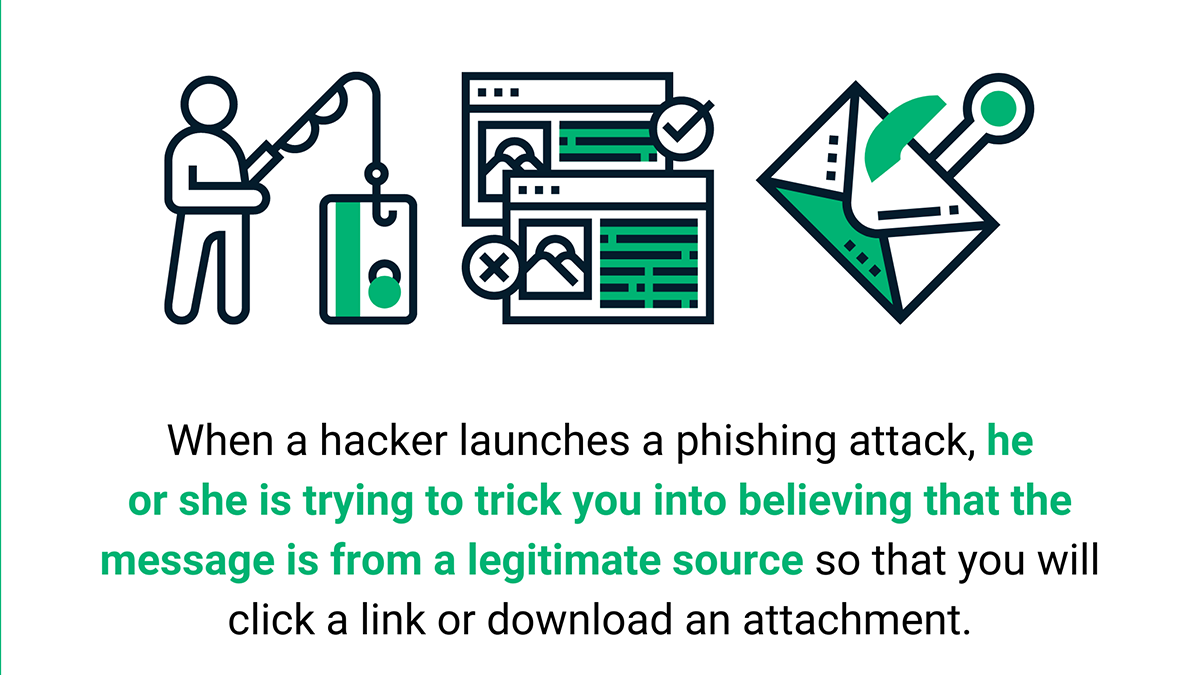
Phishing is essentially a form of online deception where attackers impersonate legitimate entities – such as banks, social media platforms, or well-known companies – to trick individuals into revealing sensitive information. This information can range from login credentials, credit card numbers, and social security numbers to proprietary company data. The goal is always the same: to gain unauthorized access to valuable assets, whether personal or financial, for malicious purposes.
The evolution of phishing has been rapid and insidious. What began as simple, often poorly crafted emails with obvious grammatical errors has transformed into highly sophisticated, targeted attacks that are increasingly difficult to distinguish from legitimate communications. This evolution is driven by several factors, including advancements in technology, the accessibility of powerful tools for cybercriminals, and a deeper understanding of human psychology.
Spear Phishing: The Art of Targeted Deception
One of the most significant advancements in phishing tactics is spear phishing. Unlike broad, indiscriminate phishing campaigns, spear phishing attacks are meticulously crafted and highly personalized. Attackers invest time in researching their targets, gathering information about their interests, professional affiliations, and even personal relationships. This allows them to create messages that appear remarkably authentic, often referencing specific projects, colleagues, or upcoming events.
Imagine receiving an email that looks like it’s from your CEO, discussing an urgent financial transaction related to a project you’re actively involved in. The email might even contain details about the project that only someone within the organization would know. This level of personalization makes spear phishing exceptionally dangerous, as it exploits trust and familiarity to bypass an individual’s usual skepticism. The success rate of spear phishing attacks is significantly higher than generic phishing attempts because the recipient feels a greater sense of urgency and legitimacy.
Whaling: The Big Game Hunters
A particularly malicious subset of spear phishing is whaling, which specifically targets senior executives, high-profile individuals, and C-suite personnel within organizations. The stakes are incredibly high with whaling attacks, as these individuals often have access to sensitive financial information, strategic plans, and corporate secrets. The objective of a whaling attack is typically to trick the executive into authorizing fraudulent wire transfers, divulging confidential intellectual property, or granting remote access to critical systems.
Whaling attacks are characterized by their extreme sophistication and the meticulous attention to detail in their execution. Attackers often impersonate trusted advisors, legal counsel, or even government officials. The language used is professional and authoritative, designed to instill a sense of urgency and compliance. The consequences of a successful whaling attack can be catastrophic for a company, leading to significant financial losses, severe reputational damage, and potential legal ramifications.
Phishing’s Impact on Your Tech, Brand, and Money
The repercussions of a successful phishing attack ripple across the core aspects of our digital lives, impacting our technology, our personal and professional brands, and our financial well-being.
The Tech Under Siege: Compromised Accounts and Stolen Data
At its most fundamental level, phishing is an assault on our technology. When credentials are stolen, attackers gain access to our online accounts. This can lead to:
- Identity Theft: Stolen personal information can be used to open fraudulent accounts, apply for loans, or commit other crimes in your name.
- Data Breaches: Personal and sensitive data stored within compromised accounts, such as photos, documents, and private messages, can be exfiltrated and misused or sold on the dark web.
- Malware Infections: Phishing emails often contain malicious attachments or links that, when clicked, can install malware onto your devices. This malware can range from ransomware that locks your files and demands payment to spyware that silently records your keystrokes and steals your information.
- Account Takeovers: Attackers can completely take over your email, social media, or banking accounts, using them to further their malicious activities, send phishing emails to your contacts, or drain your financial resources.
- Loss of Productivity: For businesses, a compromised system can lead to downtime, requiring extensive IT intervention to clean up infections and restore operations, resulting in significant loss of productivity and revenue.
The sophisticated nature of modern phishing means that even the most advanced security software can sometimes be bypassed. Therefore, the first line of defense remains the educated user.
The Brand Tarnished: Reputational Damage and Loss of Trust
In the digital age, our online presence is often synonymous with our brand – whether it’s a personal brand built through social media and professional networking or a corporate brand representing a business. Phishing attacks can inflict severe and lasting damage to this brand:
- Personal Brand Erosion: If your social media or professional accounts are compromised, attackers can post inappropriate content, spread misinformation, or conduct fraudulent activities in your name. This can lead to a significant loss of credibility and trust among your followers, colleagues, and potential employers. Rebuilding a damaged personal brand can be a long and arduous process.
- Corporate Reputation Damage: For businesses, a successful phishing attack can have devastating consequences for their reputation. If customer data is breached, or if the company appears to be vulnerable to cyber threats, it can erode customer confidence and lead to a mass exodus of clients. Negative publicity surrounding a data breach can significantly impact market share and investor relations.
- Loss of Client and Partner Trust: Businesses rely on trust to build strong relationships with clients and partners. A security incident stemming from a phishing attack can shatter this trust, making it difficult to secure new business or maintain existing partnerships.
- Legal and Regulatory Scrutiny: Significant data breaches can attract the attention of regulatory bodies, leading to investigations, fines, and mandatory disclosures, further compounding the reputational damage.
The perception of security and trustworthiness is paramount in both personal and professional spheres. Phishing attacks directly challenge this perception, leaving lasting scars.
The Money Drained: Financial Ruin and Economic Loss
The ultimate goal for many phishers is financial gain. The impact on an individual’s or organization’s finances can be profound:
- Direct Financial Theft: This is the most obvious consequence. Stolen credit card details, bank account credentials, or instructions to make fraudulent wire transfers can lead to immediate and significant financial losses.
- Ransomware Attacks: As mentioned earlier, ransomware can encrypt your files and demand a ransom payment for their decryption. While paying the ransom is never guaranteed to result in data recovery, it can be a financially crippling decision.
- Investment Scams: Phishing attempts can lead individuals to fraudulent investment platforms or schemes, promising unrealistic returns and ultimately disappearing with their invested capital.
- Business Interruption Costs: For businesses, the downtime caused by a cyberattack, coupled with the costs of IT remediation, legal fees, and potential regulatory fines, can amount to substantial economic losses.
- Loss of Livelihood: For individuals operating online income streams or side hustles, compromised accounts can mean the inability to access earnings, disrupt client work, and ultimately lead to a loss of income.
The financial implications of phishing can range from minor inconveniences to complete financial ruin, highlighting the critical need for vigilance.
Defending Your Digital Fortress: Strategies Against Phishing
The good news is that while phishing is a persistent threat, it is not an insurmountable one. By understanding the common tactics and implementing robust defense strategies, individuals and organizations can significantly reduce their vulnerability.
H2: Recognizing the Red Flags: How to Spot a Phishing Attempt
The first and most crucial step in combating phishing is the ability to recognize it. While phishing attacks are becoming more sophisticated, certain telltale signs often persist. Developing a keen eye for these red flags can be your strongest defense.
H3: Deconstructing Suspicious Communications: What to Look For
- Urgency and Threats: Phishing messages often create a sense of immediate urgency, demanding immediate action. They might threaten account closure, legal action, or loss of access if you don’t comply. Legitimate organizations typically don’t employ such high-pressure tactics for routine matters.
- Grammar and Spelling Errors: While not as common as they once were, poorly written messages with obvious grammatical mistakes or awkward phrasing are still a significant indicator of a phishing attempt.
- Generic Greetings: Instead of using your name, phishing emails often start with generic greetings like “Dear Customer,” “Dear User,” or “Dear Account Holder.” Legitimate communications from trusted entities will usually address you by your name.
- Suspicious Sender Email Addresses: Carefully examine the sender’s email address. Phishers often use addresses that are very similar to legitimate ones, but with slight variations (e.g., “support@amaz0n.com” instead of “support@amazon.com”). Hovering your mouse over the sender’s name without clicking can reveal the actual email address.
- Unsolicited Attachments and Links: Be extremely wary of unexpected attachments or links in emails, even if they appear to be from a known sender. These can be vectors for malware or lead to fake login pages. Always verify the legitimacy of attachments and links through a separate communication channel if you have any doubts.
- Requests for Sensitive Information: Legitimate organizations will rarely ask you to provide sensitive personal or financial information via email or through a link in an email. If an email requests your password, social security number, or credit card details, it is almost certainly a phishing attempt.
- Unusual Requests or Offers: Be skeptical of offers that seem too good to be true, such as winning a lottery you never entered or receiving a large sum of money unexpectedly. These are common phishing lures.
H3: The Power of Verification: Don’t Click, Connect
When in doubt, always err on the side of caution. If an email, text message, or social media message raises any suspicion, do not click on any links or download any attachments. Instead, verify the information through an independent channel. For example:
- Visit the website directly: If an email claims to be from your bank, do not click the link in the email. Instead, open a web browser and manually type in the bank’s official website address.
- Call the company: If you are concerned about an account, find the official customer service number for the company (not the one provided in the suspicious communication) and call them to inquire.
- Use official apps: For mobile communications, rely on official apps to access your accounts rather than clicking on links in messages.
H2: Fortifying Your Digital Defenses: Proactive Measures
Beyond recognizing red flags, adopting proactive security measures is essential to building a robust defense against phishing and other cyber threats.
H3: Strengthening Your Tech Security
- Multi-Factor Authentication (MFA): Enable MFA on all your online accounts. This adds an extra layer of security by requiring a second form of verification (e.g., a code from your phone) in addition to your password. Even if your password is compromised, attackers will still need access to your second factor to gain entry.
- Strong, Unique Passwords: Use strong, complex passwords that are unique for each of your online accounts. Consider using a reputable password manager to generate and store these passwords securely.
- Keep Software Updated: Regularly update your operating system, web browsers, antivirus software, and all other applications. Updates often include security patches that fix vulnerabilities exploited by cybercriminals.
- Be Cautious with Public Wi-Fi: Avoid accessing sensitive accounts or conducting financial transactions when using public Wi-Fi networks, as these are often less secure and more susceptible to interception.
- Antivirus and Anti-malware Software: Install and maintain reputable antivirus and anti-malware software on all your devices and ensure it is regularly updated.
H3: Protecting Your Brand and Financial Health
- Monitor Your Accounts Regularly: Routinely check your bank statements, credit card bills, and online account activity for any unauthorized transactions or suspicious activity. Report any discrepancies immediately.
- Be Mindful of What You Share Online: The less personal information you share publicly, the harder it is for attackers to conduct targeted spear phishing attacks. Review your social media privacy settings and be selective about the information you post.
- Educate Yourself and Your Team: Continuous education about emerging phishing tactics and cybersecurity best practices is crucial. For businesses, regular cybersecurity training for employees is paramount, as human error remains a significant vulnerability.
- Consider Identity Theft Protection: For individuals, subscribing to an identity theft protection service can provide monitoring and assistance in case your identity is compromised.
- Secure Your Business’s Digital Assets: Implement robust cybersecurity policies and procedures within your organization, including employee training, access controls, and incident response plans.
H2: The Ongoing Battle: Staying Ahead of the Phishers
Phishing is a dynamic and ever-evolving threat. Cybercriminals are constantly adapting their methods, developing new techniques to bypass security measures and exploit human vulnerabilities. Therefore, staying informed and vigilant is not a one-time task; it’s an ongoing commitment.
The digital landscape is an integral part of modern life, impacting our technology, our brands, and our financial security. By understanding the insidious nature of phishing, recognizing its various forms, and actively implementing robust defense strategies, we can collectively build a more secure and resilient digital future. Your vigilance is your most powerful weapon in this ongoing battle.
aViewFromTheCave is a participant in the Amazon Services LLC Associates Program, an affiliate advertising program designed to provide a means for sites to earn advertising fees by advertising and linking to Amazon.com. Amazon, the Amazon logo, AmazonSupply, and the AmazonSupply logo are trademarks of Amazon.com, Inc. or its affiliates. As an Amazon Associate we earn affiliate commissions from qualifying purchases.