
In the dynamic world of technology, staying ahead often means harnessing the right tools. For anyone venturing into software development, data science, or even simple scripting, encountering “pip install” is an inevitable and crucial step. This seemingly simple command is the gateway to an expansive ecosystem of Python packages, powerful libraries that extend Python’s capabilities far beyond its core functionalities. But what exactly is pip install, and why is it so fundamental to the modern tech landscape, impacting everything from innovative AI tools to your personal brand and even your financial ventures?
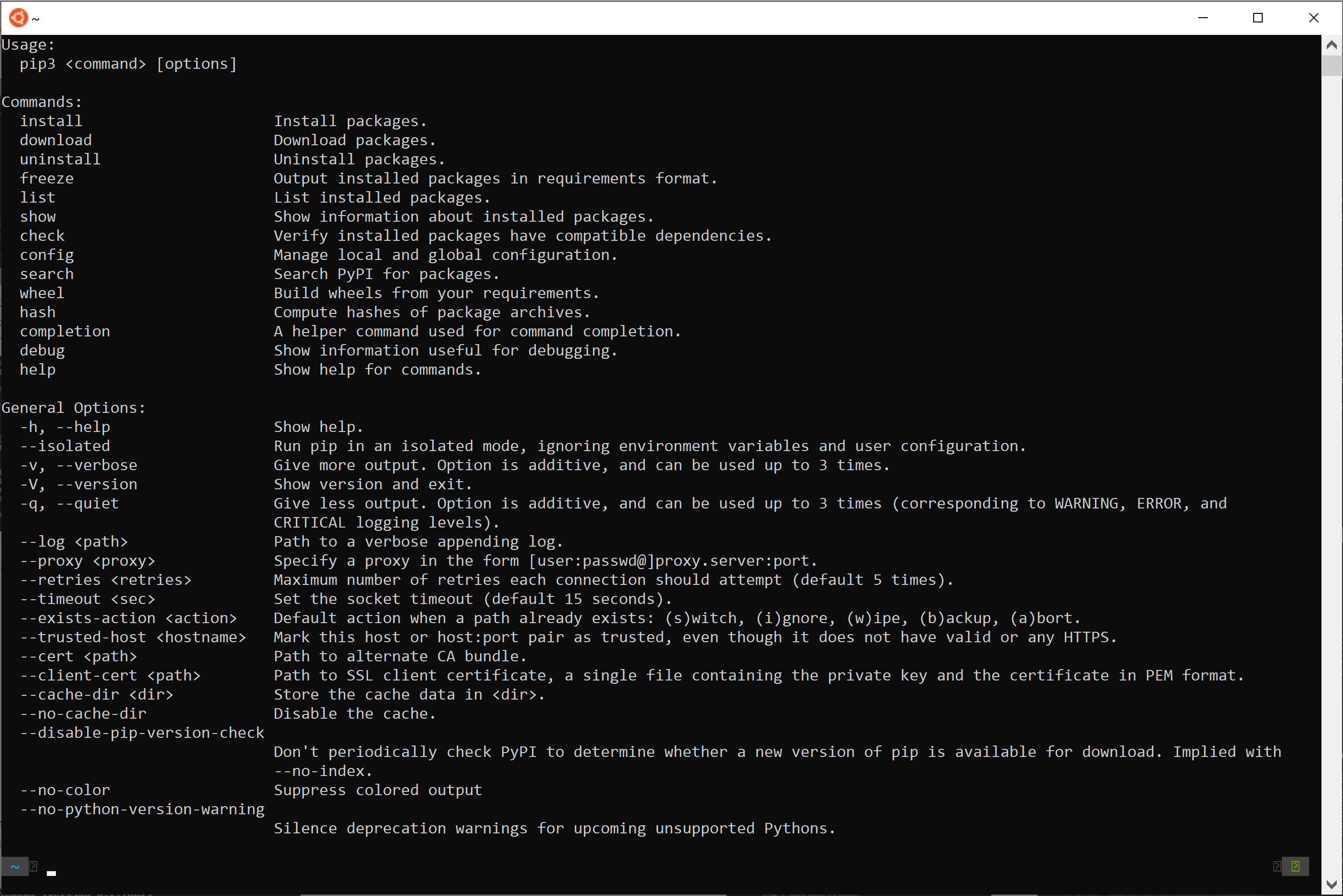
At its heart, pip install is the command-line interface for Pip, the de facto package installer for Python. Think of Python as a versatile toolbox, and Pip as the highly efficient system that allows you to readily add new, specialized tools to that box. Without Pip, installing third-party Python libraries would be a manual, arduous, and often error-prone process. Pip automates this, making it incredibly easy to download, install, and manage these external software components, ensuring you have the exact functionalities you need at your fingertips.
This article will delve into the core of pip install, exploring its significance within the broader context of technology. We’ll uncover how it fuels innovation in AI and software development, how it can be a valuable asset in building and managing your personal or corporate brand, and surprisingly, how a solid understanding of package management can even have implications for your financial literacy and online income strategies.
The Engine of Python Innovation: How pip install Powers Tech Advancements
The realm of technology is characterized by rapid evolution, with new tools and frameworks emerging constantly. Python, with its elegant syntax and vast community support, has become a cornerstone of this innovation. The power of Python is amplified exponentially by its rich ecosystem of third-party packages, and pip install is the mechanism that unlocks this potential.
Understanding Pip: Python’s Package Manager
Before diving deeper into pip install, it’s essential to grasp what Pip is. Pip stands for “Pip Installs Packages” (a recursive acronym) or “Preferred Installer Program.” It’s a standard component of modern Python installations, typically included by default. Its primary role is to interact with the Python Package Index (PyPI), a public repository containing tens of thousands of reusable software packages.
When you execute pip install <package_name>, you’re instructing Pip to:
- Search PyPI: Pip queries the Python Package Index for the specified package.
- Download: If found, Pip downloads the package files (and any dependencies it requires) to your local machine.
- Install: Pip then installs these files in a way that makes the package accessible to your Python interpreter.
- Manage Dependencies: One of Pip’s most crucial features is its ability to handle dependencies. Most Python packages don’t exist in isolation; they rely on other packages to function. Pip automatically identifies and installs these necessary components, preventing compatibility issues and saving you considerable manual effort.
This automated process is what makes Python so incredibly versatile and accessible. Developers don’t need to reinvent the wheel for common tasks. Whether it’s building complex web applications, performing intricate data analysis, creating sophisticated machine learning models, or developing cutting-edge AI tools, there’s likely a Python package already available, installable with a single pip install command.
Fueling the AI Revolution and Software Development
The artificial intelligence (AI) and machine learning (ML) revolution is, in large part, powered by Python and its extensive suite of libraries. Libraries like TensorFlow, PyTorch, Scikit-learn, and Keras are indispensable for researchers and developers building AI models. Each of these powerful frameworks, along with countless others that support data manipulation (NumPy, Pandas), visualization (Matplotlib, Seaborn), and natural language processing (NLTK, SpaCy), are made readily available through pip install.
Consider the process of building an AI model:
- Data Preprocessing: You’ll likely
pip install pandasandpip install numpyto efficiently load, clean, and manipulate your datasets. - Model Development: For deep learning, you might
pip install tensorfloworpip install torch. For traditional ML algorithms,pip install scikit-learnis your go-to. - Evaluation and Visualization: To understand your model’s performance, you’ll use libraries like
pip install matplotlibandpip install seaborn.
This seamless integration of specialized tools, orchestrated by pip install, dramatically accelerates the development cycle. It allows developers to focus on the innovative aspects of their projects rather than on the foundational engineering of common functionalities.
Beyond AI, the broader software development landscape benefits immensely. Web frameworks like Django and Flask, essential for building robust web applications, are installed via pip install django and pip install flask. Task automation, scripting, scientific computing, game development – almost any domain where software is being built or utilized can leverage Python packages installed through pip install. This democratization of powerful tools means that individuals and small teams can achieve results previously only accessible to large, well-funded organizations.
Beyond Code: How pip install Concepts Influence Branding and Marketing
While pip install is intrinsically tied to technology, the underlying principles of building, distributing, and utilizing modular components have fascinating parallels in the world of branding and marketing. Understanding how to effectively leverage external “packages” (in a metaphorical sense) can be crucial for building a strong brand identity, executing effective marketing campaigns, and even managing one’s personal brand.

Leveraging Pre-built Solutions for Brand Identity and Marketing Campaigns
Think of brand assets, marketing collateral, design elements, and communication strategies as the “packages” that contribute to a company’s or individual’s overall brand. Just as a developer uses pip install to quickly incorporate pre-built functionalities, brands can leverage existing frameworks, templates, and proven strategies to accelerate their development and enhance their market presence.
- Design Systems and UI Kits: Just as Pip accesses libraries for specific functions, design teams can utilize pre-designed UI kits and component libraries (like Material Design or Bootstrap) as their “packages.” These provide consistent, high-quality design elements that can be quickly implemented across various platforms, ensuring a cohesive brand identity. This is akin to
pip install bootstrapfor web development, but applied to visual design. - Marketing Automation Tools: Platforms like HubSpot, Mailchimp, or Marketo act as sophisticated “packages” for marketing efforts. They offer pre-built workflows, analytics dashboards, and campaign management tools that streamline marketing processes, much like
pip install <marketing_tool>would integrate a new library into a development workflow. - Content Strategy Frameworks: Established content marketing frameworks, SEO best practices, and social media engagement strategies can be viewed as pre-existing “packages” that brands can adopt and adapt. Instead of devising every tactic from scratch, businesses can “install” proven methodologies to build authority and reach their target audience.
- Reputation Management Tools: Similar to dependency management in Pip, which ensures all necessary components are present and compatible, reputation management tools help brands monitor their public perception and address potential issues. These are the “packages” that maintain the health and integrity of a brand’s online presence.
The key takeaway here is efficiency and leverage. By identifying and implementing proven, pre-built solutions, brands can save time and resources, allowing them to focus on their unique value proposition and strategic differentiation. This proactive adoption of external “packages” is a hallmark of effective brand strategy and modern marketing.
Personal Branding: Curating Your Digital Toolkit
For individuals, especially in today’s gig economy and creator landscape, personal branding is paramount. The concept of pip install can even be applied metaphorically to how individuals curate their skills, tools, and online presence.
- Skill Acquisition as Package Installation: Learning a new skill, whether it’s graphic design, digital marketing, or coding, is akin to
pip installing a new capability into your personal “toolkit.” Online courses, workshops, and certifications are your “repositories” from which you download and integrate these valuable skills. - Online Presence as a Modular Application: Your online presence – your LinkedIn profile, personal website, social media accounts – can be seen as a modular application. Each platform is a component that you “install” and configure to present a specific facet of your personal brand. Your resume, portfolio, and testimonials are the “dependencies” that support and validate your core offering.
- Networking as API Integration: Building your professional network can be viewed as integrating with APIs. Each contact represents a potential connection that can offer insights, opportunities, or collaborations. Effective networking is about establishing robust connections that allow for seamless information exchange and mutual benefit.
By consciously curating and managing these “packages” of skills, online presence, and network connections, individuals can build a powerful and coherent personal brand that attracts opportunities and fosters professional growth.
The Financial Implications of pip install: Understanding Dependencies and Investment
While the connection might seem tenuous at first, the principles of package management, dependency resolution, and efficient resource allocation inherent in pip install have direct relevance to personal finance and online income generation.
Dependencies in Finance: Understanding Risk and Return
In the world of investing and financial planning, every decision has dependencies. Just as installing a Python package might require several other packages to function correctly, financial decisions are interconnected and influence each other.
- Investment Diversification: A diversified investment portfolio is a prime example of managing dependencies. Relying too heavily on a single asset class or investment is like having a Python application with a single, critical dependency that, if it fails, brings down the entire system. Diversification spreads risk across various “packages” (stocks, bonds, real estate, etc.) so that the failure of one doesn’t cripple your overall financial health.
- Budgeting and Cash Flow: Your personal budget is a complex system where income and expenses are dependencies. Mismanaging one aspect – overspending on entertainment – can create a deficit that impacts your ability to save for long-term goals like retirement or a down payment on a house. This is analogous to a software dependency issue that prevents a critical feature from working.
- Financial Planning Tools: Just as
pip installprovides access to advanced programming libraries, financial planning tools (budgeting apps, investment platforms, tax software) can be considered “packages” that help individuals manage their money more effectively. Using these tools can be likened topip install <financial_tool>to gain essential functionalities for financial success.
Understanding these financial dependencies is crucial for making informed decisions. It’s about recognizing that actions in one area of your financial life will have ripple effects elsewhere.
Online Income Streams: Building Modular Revenue
For those looking to generate online income or side hustles, the concept of pip install can inspire a modular and scalable approach.
- Creating Digital Products: Developing an e-book, an online course, or a software tool is like building a standalone Python package. Once created, it can be distributed and sold multiple times, generating passive or semi-passive income. The initial development is the “installation” phase, and subsequent sales are the “usage” of that package.
- Affiliate Marketing as a Referral System: In affiliate marketing, you promote other companies’ products. This is akin to integrating an external API or library. You’re leveraging someone else’s “package” (their product) and earning a commission for referring customers. The success of your affiliate income often depends on the quality and relevance of the “packages” you choose to promote.
- Building Scalable Services: For freelancers or service providers, the goal is often to move beyond trading time for money. This involves creating reusable “packages” of your services, perhaps through templates, standardized processes, or by productizing aspects of your work. This allows you to serve more clients efficiently, much like a well-designed Python library can be used by many developers.
By thinking in terms of modularity, reusability, and leveraging external resources, individuals can build more robust and scalable online income streams, mirroring the efficiency and power that pip install brings to the world of software development.
In conclusion, pip install is far more than just a command for Python developers. It represents a fundamental principle of modern problem-solving: the efficient integration of pre-built, specialized components to achieve complex goals. Whether you’re coding the next groundbreaking AI, building a memorable brand, or striving for financial stability, understanding the power of modularity and leveraging external “packages” is key to unlocking success in today’s interconnected world.