
Pink rock salt, a substance often relegated to the realm of gourmet cooking and decorative lamps, possesses a surprisingly diverse range of applications that extend far beyond its culinary fame. While its vibrant hue and mineral composition are undoubtedly attractive, understanding what pink rock salt is truly used for requires delving into its properties and exploring its impact across various sectors. This article will illuminate the multifaceted value of pink rock salt, examining its roles in health and wellness, home decor, industrial applications, and even its surprising connection to the technological and business worlds.
Beyond the Plate: Pink Rock Salt’s Health and Wellness Applications
The most commonly recognized use of pink rock salt is in the kitchen, as a healthier alternative to refined table salt. However, its benefits in the realm of health and wellness are far more profound and scientifically supported than simply adding a touch of color to your meals.
The Mineral Richness of Pink Rock Salt: A Nutritional Advantage
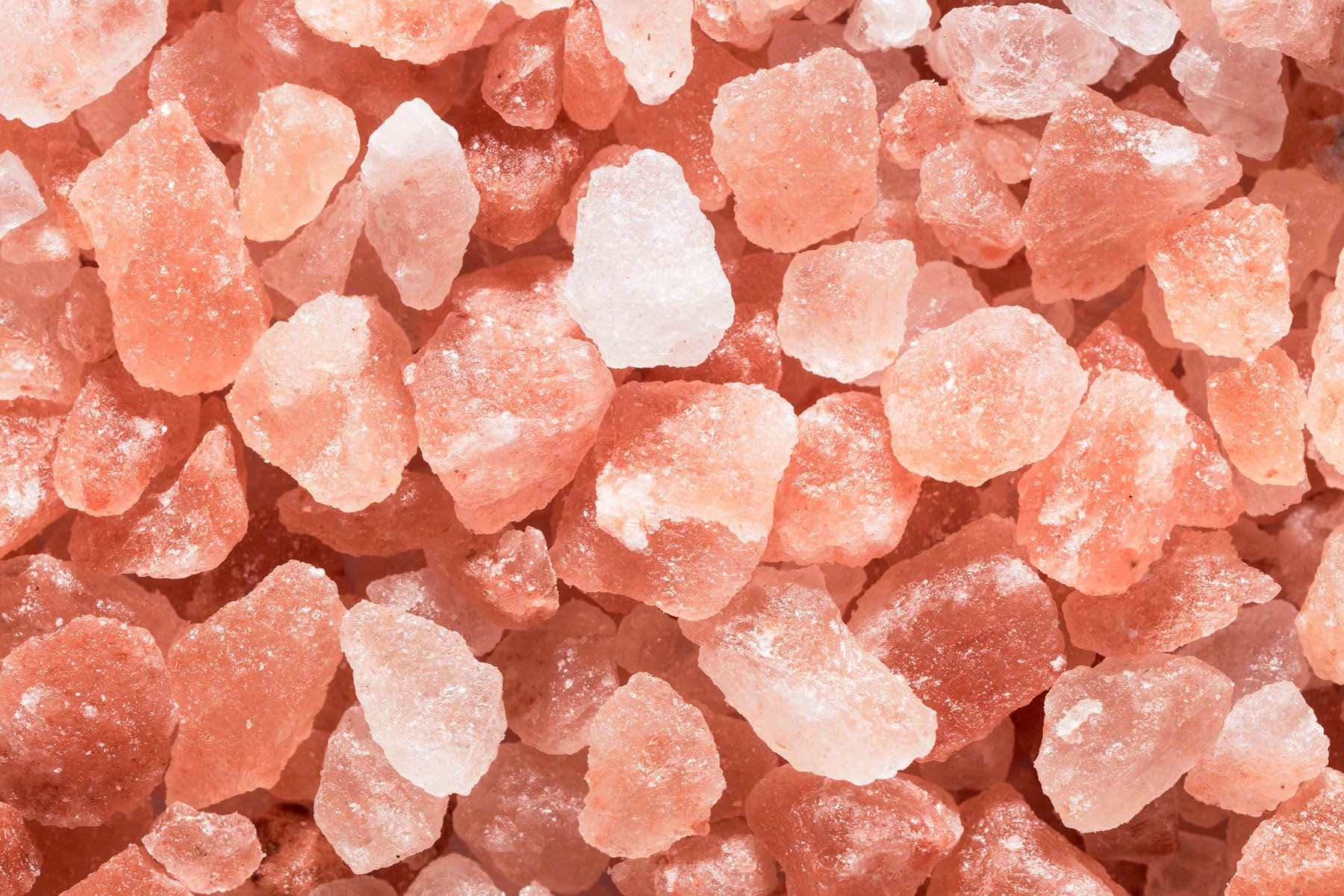
Unlike highly processed table salt, which is primarily sodium chloride with added anti-caking agents, pink rock salt, most notably Himalayan pink salt, is a complex mineral medley. It boasts over 80 trace minerals, including potassium, magnesium, calcium, and iron, which contribute to its characteristic pinkish hue. While the quantities of these minerals are small, their presence is significant.
- Electrolyte Balance and Hydration: Sodium, in its natural form found in pink rock salt, is a crucial electrolyte essential for maintaining fluid balance, nerve signal transmission, and muscle contractions. When consumed in moderation, it aids in proper hydration. The other trace minerals present can also play supporting roles in electrolyte functions.
- Detoxification and Cleansing: Proponents of salt therapy, or halotherapy, suggest that inhaling air infused with salt particles can help clear airways, reduce inflammation, and promote detoxification. While scientific evidence for the widespread efficacy of at-home salt inhalers is still developing, the principle behind it relates to the osmotic properties of salt drawing impurities from the respiratory system. Pink rock salt, with its natural mineral content, is often preferred for such applications due to its perceived purity.
- Skin Health and Therapeutic Baths: Pink rock salt is a popular ingredient in bath salts. Soaking in a bath infused with these crystals can offer several benefits for the skin. The minerals are believed to help exfoliate dead skin cells, soften rough patches, and potentially draw out toxins from the skin. The magnesium content, in particular, is known for its muscle-relaxing properties, making it a favorite for post-workout recovery or simply for a soothing soak. The osmotic effect of the salt can also help to balance the skin’s pH and retain moisture.
- Potential for Improved Sleep and Stress Reduction: The presence of magnesium, a mineral known for its calming effects, in pink rock salt is often cited as a benefit for sleep quality and stress management. While direct consumption of pink rock salt is not a primary treatment for sleep disorders or anxiety, incorporating it into a balanced diet and using it in therapeutic baths can contribute to overall well-being and relaxation.
Navigating the Digital Wellness Landscape: AI and Personal Health
While the direct use of pink rock salt in technology is limited, its growing popularity in health and wellness has indirectly influenced the digital landscape.
- AI-Powered Nutrition and Wellness Apps: With the rise of personalized health, AI-powered apps are analyzing dietary habits, including salt intake. These apps can offer insights into the benefits of choosing mineral-rich salts like pink rock salt over refined options, guiding users towards healthier choices. They might even provide recipes that leverage the unique flavor profile of pink rock salt.
- Online Marketplaces and Product Reviews: The burgeoning demand for natural and mineral-rich products has fueled online marketplaces. Consumers seeking pink rock salt can find it easily, and the abundance of online reviews and forums provides platforms for individuals to share their experiences with its various uses, from culinary to therapeutic. This user-generated content indirectly contributes to the broader understanding and adoption of pink rock salt.
Aesthetic and Functional Innovations: Pink Rock Salt in Home and Design
Beyond its practical health benefits, pink rock salt has carved out a significant niche in home decor and interior design, offering both aesthetic appeal and functional advantages.
The Allure of the Pink Salt Lamp: More Than Just Ambiance
Perhaps the most visually striking application of pink rock salt is in the creation of salt lamps. These lamps, typically carved from larger chunks of pink rock salt and fitted with a light bulb, emit a warm, soft glow that is both inviting and visually appealing.
- Ambiance and Mood Enhancement: The gentle, ambient light produced by pink salt lamps is believed to create a calming and relaxing atmosphere, making them popular choices for bedrooms, living rooms, and meditation spaces. The unique color adds a touch of natural beauty to any room.
- The (Debated) Air-Purifying Claims: While widely marketed as air purifiers, the scientific evidence supporting the claim that pink salt lamps actively purify the air by attracting and neutralizing airborne pollutants is largely anecdotal. The theory suggests that the heat from the bulb causes the salt to release negative ions, which can then bind with positively charged particles like dust, allergens, and pollutants. However, the extent of this effect in a typical home environment remains a subject of debate within the scientific community. Regardless, their aesthetic appeal and the soothing light they provide are undeniable.
- Negative Ion Generation and its Potential Benefits: The concept of negative ions is linked to feelings of well-being, often associated with natural environments like waterfalls or beaches. While the significant release of negative ions from a salt lamp is questionable, the very idea taps into a desire for more natural and health-conscious living spaces.
Beyond Lamps: Decorative and Utilitarian Salt Applications
The versatility of pink rock salt extends beyond its illuminated forms, finding its way into various other home applications.

- Salt Blocks for Cooking and Serving: These thick slabs of pink rock salt can be heated and used for cooking a variety of foods, from searing steaks to grilling vegetables. They impart a subtle, pleasant saltiness to the food and offer a unique presentation. After cooking, they can also be used to serve chilled items like sushi or desserts, keeping them at the optimal temperature.
- Gourmet Grinders and Seasoning: The distinct flavor of pink rock salt, with its mineral undertones, makes it a preferred choice for gourmet salt grinders. Its crystalline structure grinds beautifully, adding a nuanced saltiness to dishes that is often missing with regular table salt.
- Natural De-icers (with a caveat): While traditional rock salt is a common de-icer for roads and sidewalks, pink rock salt can also be used. However, its higher mineral content can be more corrosive to surfaces and potentially more damaging to surrounding vegetation than refined salt. Therefore, its use as a de-icer is less common and generally not recommended for large-scale applications where environmental impact is a concern.
The Industrial and Commercial Footprint of Pink Rock Salt
While often associated with luxury and wellness, pink rock salt also plays a role in certain industrial and commercial sectors, though its prominence here is often overshadowed by its more common counterparts.
Chemical Properties and Niche Industrial Uses
The chemical composition of pink rock salt, while different in trace mineral content, is still predominantly sodium chloride. This fundamental property lends itself to some industrial applications.
- Water Softening: Like other forms of salt, pink rock salt can be used in water softening systems. Ion exchange resins in water softeners use sodium ions to remove calcium and magnesium ions, which cause hardness in water. Pink rock salt, with its natural salt content, can be a part of this process. However, due to cost and availability, more refined salts are typically used for large-scale water treatment.
- Chemical Manufacturing (Limited): In very specific chemical processes, where a particular mineral composition is required, pink rock salt might find a niche application. However, for bulk chemical production, more readily available and cost-effective sources of sodium chloride are preferred.
- Food Preservation (Historical and Niche): Historically, salt has been a cornerstone of food preservation. While modern refrigeration has reduced the widespread reliance on salt for preservation, certain niche food industries might still utilize the specific properties of pink rock salt for its unique flavor profile in cured meats or artisanal products.
Branding and Marketing: Leveraging the “Natural” Appeal
The visually distinctive nature and perceived natural purity of pink rock salt offer significant advantages in branding and marketing.
- Premium Product Positioning: The “Himalayan” origin and unique color allow brands to position pink rock salt as a premium product. This premium positioning is often reflected in higher price points, appealing to consumers seeking higher quality and natural alternatives.
- Storytelling and Origin: The narrative surrounding pink rock salt, often emphasizing its ancient origins and mineral richness, is a powerful marketing tool. Brands can leverage this “storytelling” to connect with consumers on an emotional level, highlighting health benefits and a connection to nature.
- Visual Merchandising and Packaging: The attractive pink hue makes pink rock salt visually appealing in packaging and retail displays. This visual appeal can draw consumer attention and contribute to impulse purchases, especially in specialty food stores or home decor boutiques.
- Corporate Identity and Brand Values: For businesses that emphasize natural products, sustainability, or a connection to wellness, incorporating pink rock salt into their product lines or even their branding (e.g., a color palette) can reinforce their corporate identity and communicate their core values.
The Future of Pink Rock Salt: Innovation and Integration
As our understanding of natural resources and their potential applications grows, pink rock salt is poised for continued exploration and integration across various industries.
Emerging Technologies and Potential Discoveries
While the primary uses of pink rock salt are well-established, ongoing research and technological advancements may uncover new applications.
- Advanced Material Science: The unique crystalline structure and mineral composition of pink rock salt might hold potential in advanced material science research. While speculative, future breakthroughs could see its incorporation into novel composites or functional materials.
- Biotechnology and Mineral Extraction: As biotechnology evolves, there might be more efficient and sustainable methods for extracting specific minerals from sources like pink rock salt, potentially leading to new applications in pharmaceuticals or nutraceuticals.
- Sustainable Packaging Solutions: The natural, biodegradable nature of salt crystals could inspire innovative approaches to sustainable packaging, though challenges in durability and moisture resistance would need to be addressed.
The Intersection of Pink Rock Salt with Digital and Financial Trends
The growing appreciation for natural and artisanal products, coupled with the pervasive influence of digital platforms and financial markets, creates an interesting intersection for pink rock salt.
- E-commerce and Global Accessibility: The digital age has made pink rock salt more accessible than ever. Online platforms allow consumers worldwide to purchase it, fostering a global market and enabling smaller producers to reach a wider audience.
- Investment in Natural Resources: While not a primary commodity investment, the growing demand for natural and ethically sourced products can indirectly influence investment trends. Companies involved in the ethical sourcing and sustainable distribution of pink rock salt might attract investors looking for opportunities in the wellness and natural product sectors.
- Personal Finance and Budgeting for Wellness: For individuals prioritizing health and wellness, understanding the cost-benefit of premium ingredients like pink rock salt becomes part of personal finance planning. Comparing its price and perceived benefits against less refined alternatives is a common consumer decision-making process.
- Side Hustles and Entrepreneurship: The popularity of pink rock salt has opened doors for entrepreneurs. From creating artisanal bath products to selling uniquely crafted salt lamps, individuals can leverage their creativity and understanding of this versatile mineral to build successful side hustles or small businesses.
In conclusion, pink rock salt is far more than just a seasoning. Its journey from ancient geological formations to modern kitchens, spas, and even industrial applications highlights its enduring value. As technology advances and our appreciation for natural, mineral-rich resources deepens, the multifaceted uses of pink rock salt are likely to continue expanding, solidifying its place as a truly remarkable and versatile substance.
aViewFromTheCave is a participant in the Amazon Services LLC Associates Program, an affiliate advertising program designed to provide a means for sites to earn advertising fees by advertising and linking to Amazon.com. Amazon, the Amazon logo, AmazonSupply, and the AmazonSupply logo are trademarks of Amazon.com, Inc. or its affiliates. As an Amazon Associate we earn affiliate commissions from qualifying purchases.