
In the rapidly evolving landscape of mobile technology, terms often emerge that capture the public’s imagination before they are fully understood. The “Pink App” is one such phenomenon. Depending on who you ask, the term might refer to a specific aesthetic movement in UI/UX design, a niche lifestyle application, or a notorious security threat that has made headlines globally.
To understand what the “Pink App” is, one must look through the lens of modern software development, digital aesthetics, and the persistent challenges of cybersecurity. This article explores the multifaceted nature of the Pink App, ranging from its origins as a design trend to its darker transformation into a cautionary tale for mobile users.

The Evolution of “Pink” in Mobile Application Design
The first way to understand the “Pink App” concept is through the lens of tech aesthetics. For years, the tech industry was dominated by “tech blue”—a color associated with reliability and professionalism (think Facebook, LinkedIn, and Twitter). However, as mobile usage diversified, a shift occurred toward more expressive, personalized color palettes.
The Psychology of Color in UI/UX
Color theory plays a pivotal role in how applications are built. Pink is no longer just a gendered color; in the tech world, it represents energy, creativity, and a break from the sterile corporate look of early 2010s software. Developers use shades of rose, fuchsia, and salmon to evoke different emotional responses. For instance, soft pinks are often utilized in wellness and meditation apps to create a sense of calm, while vibrant “hot pink” is used in social and dating platforms to signify excitement and connectivity.
Soft Aesthetics and the “Barbiecore” Tech Wave
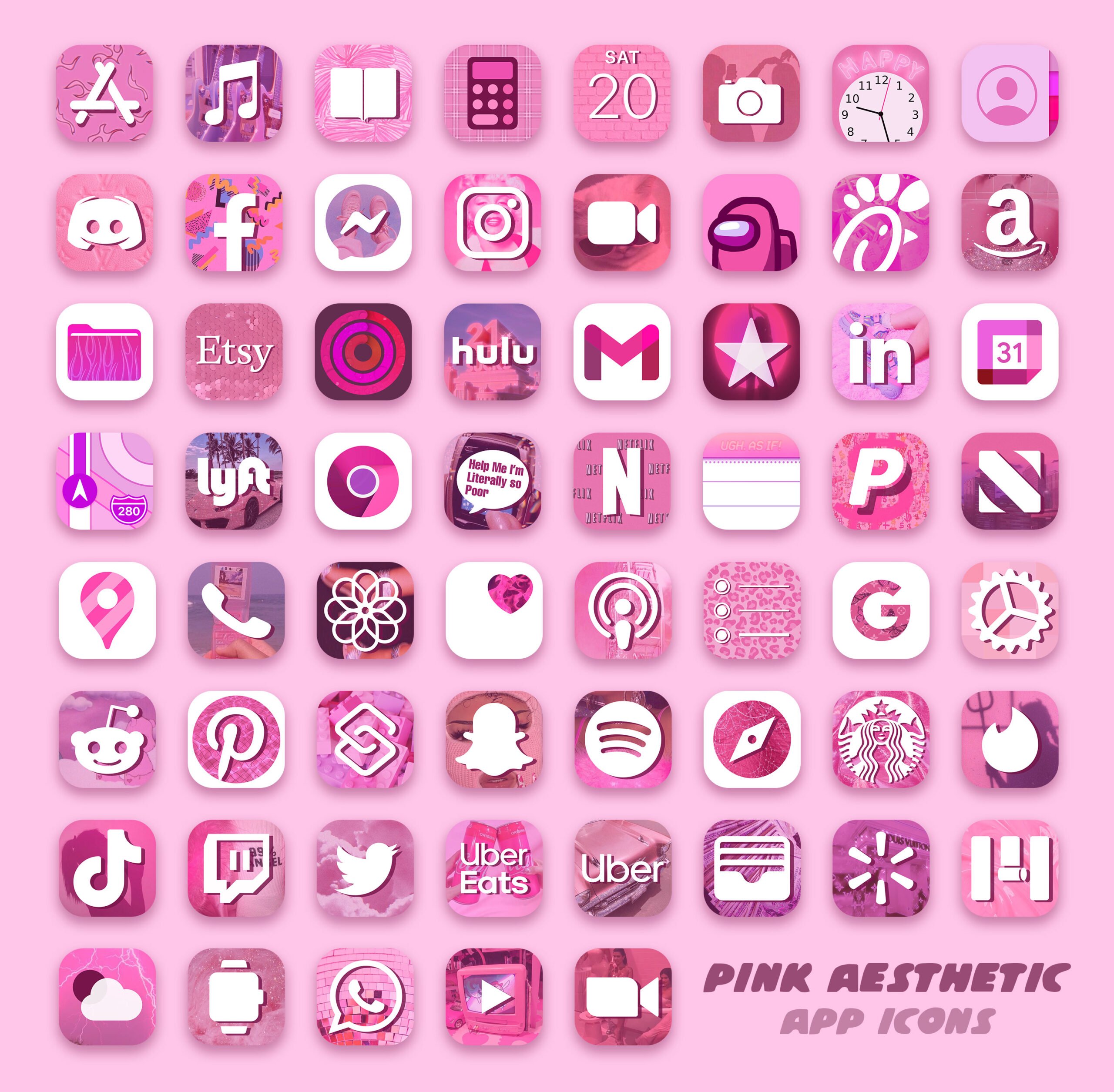
The rise of “Barbiecore” and similar aesthetic movements influenced digital interfaces significantly. We have seen a surge in “Pink Apps”—legitimate software that prioritizes a highly stylized, pink-centric user interface. This trend reflects a broader shift in technology where personalization is a core feature. Users are no longer satisfied with a standard interface; they want their digital tools to reflect their personal identity. This has led to the development of custom themes and skins that transform standard utility apps into “Pink Apps.”
Identifying the Most Notable “Pink” Apps in the Current Market
When users search for a “Pink App,” they are often looking for specific functional tools that have adopted this vibrant branding. Several legitimate platforms have successfully used this color identity to carve out a niche in the saturated app market.
Lifestyle and Wellness Platforms
In the health and wellness sector, pink branding is prevalent. Apps like Flo (a period tracker) or various skincare and aesthetic dermatology apps use pink to create a professional yet approachable environment. These apps leverage the “Pink App” identity to build community and trust among a specific demographic, proving that color choice is a powerful tool for user retention and brand loyalty.
Social Media Modifications and Custom Skins
A significant portion of the “Pink App” discourse revolves around “modded” versions of popular social media platforms. Tech-savvy users often seek out third-party modifications (mods) of apps like WhatsApp, Instagram, or Telegram that allow for deep customization. These “Pink Mods” offer features that the official apps do not, such as the ability to change the entire layout to a pink theme, hide online status, or download media that is normally restricted. While these are popular, they exist in a grey area of software legality and security.
The Dark Side of Pink: The WhatsApp Pink Malware Scam
While “Pink App” can refer to beautiful design, in the world of digital security, it has become synonymous with one of the most persistent mobile scams of the last few years: WhatsApp Pink. This is a critical case study in how hackers exploit tech trends to compromise user data.
How the Pink App Scam Spreads
The “WhatsApp Pink” scam typically begins with a message sent to a user, often appearing to come from a contact they trust. The message claims that a new, official “Pink Version” of WhatsApp is available with exclusive features and a new look. It includes a link to an APK (Android Package) file hosted on a third-party website rather than the official Google Play Store.
Because users are often eager to customize their tech experience, many click the link and install the software, inadvertently bypassing the security protocols of their operating system. This is a classic example of social engineering—using the “Pink” aesthetic as a lure to bypass a user’s natural skepticism.
Technical Analysis: What the Malware Does to Your Device
Once the “Pink App” is installed, it functions as a Trojan horse. Unlike legitimate apps, this malicious software requests extensive permissions, including access to contacts, messages, cameras, and microphones.
From a technical perspective, the malware operates in the background. It can intercept One-Time Passwords (OTPs) sent via SMS, allowing hackers to gain access to the user’s banking apps or social media accounts. Furthermore, it often turns the infected device into a “bot” that automatically sends the malicious “Pink App” link to everyone in the user’s contact list, creating a viral chain of infection that is difficult to break.
How to Protect Your Digital Identity from Malicious Clone Apps
The rise of the “Pink App” scam highlights the vulnerabilities inherent in the mobile app ecosystem. For users and tech enthusiasts, understanding how to differentiate between a legitimate aesthetic trend and a security threat is essential.
Recognizing Red Flags in Third-Party APKs
The most important rule in mobile security is to avoid downloading apps from unofficial sources. Whether it is a “Pink App,” a “Gold App,” or a “Pro Version,” if it is not hosted on the Google Play Store or the Apple App Store, it is a high-risk entity. Official stores have rigorous vetting processes (like Google Play Protect) that scan for malicious code. Third-party sites have no such oversight, making them the primary breeding ground for “Pink App” malware.
Essential Security Protocols for Mobile Users
To defend against malicious software disguised as trendy apps, users should implement several layers of digital security:
- Permission Management: Regularly review which apps have access to your location, contacts, and microphone. If a simple “themed” app asks for access to your SMS, it is likely a security risk.
- Two-Factor Authentication (2FA): Even if a “Pink App” manages to steal your password, 2FA provides a secondary barrier that prevents unauthorized access to your accounts.
- Software Updates: Keep your OS updated. Security patches often include fixes for vulnerabilities that “Pink App” Trojans exploit.
The Future of Niche-Themed Applications and Interface Customization
Despite the risks associated with scams, the demand for personalized “Pink Apps” is not going away. The tech industry is moving toward a future where “theming” is a built-in feature rather than a third-party risk.
The Rise of Modular and Theme-Based App Architecture
Modern operating systems like Android 13 and 14 have introduced “Material You,” a design language that automatically themes apps based on the user’s wallpaper. This is the tech industry’s answer to the “Pink App” demand. By allowing users to safely customize their entire interface—including turning every icon and menu pink—through the OS settings, the need for risky third-party “modded” apps is greatly reduced.

Balancing Personalization with Security
The challenge for future developers is to provide the “Pink App” experience without compromising the integrity of the device. We are seeing more legitimate apps offer “Aesthetic Packs” or “Themes” as in-app purchases or settings. This satisfies the user’s desire for a specific look while keeping the code within the secure environment of the original application.
In conclusion, “What is Pink App?” is a question with a moving answer. It is a vibrant UI trend that celebrates individuality; it is a successful branding strategy for wellness and lifestyle tech; and it is a reminder of the constant vigilance required in the digital age. By understanding the technology behind these apps and the risks associated with unofficial software, users can enjoy the aesthetic beauty of a “Pink App” world without falling prey to the hidden dangers of the dark web.
aViewFromTheCave is a participant in the Amazon Services LLC Associates Program, an affiliate advertising program designed to provide a means for sites to earn advertising fees by advertising and linking to Amazon.com. Amazon, the Amazon logo, AmazonSupply, and the AmazonSupply logo are trademarks of Amazon.com, Inc. or its affiliates. As an Amazon Associate we earn affiliate commissions from qualifying purchases.