
For the uninitiated, the phrase “pinching a plant” might evoke images of a gardener absentmindedly plucking at leaves. However, this simple act is a cornerstone of plant cultivation, holding secrets that can unlock vigorous growth, bountiful blooms, and healthier, more aesthetically pleasing specimens. While the immediate association is with the green thumb brigade, the principles behind “pinching” extend far beyond the garden bed, offering valuable insights that resonate with concepts in technology, branding, and even finance. This article will delve into the horticultural practice of pinching, exploring its “why” and “how,” and then artfully weave in parallels to these broader, influential domains, revealing how strategic pruning and targeted adjustments can lead to remarkable outcomes.
The Gardener’s Art: Understanding Plant Pinching
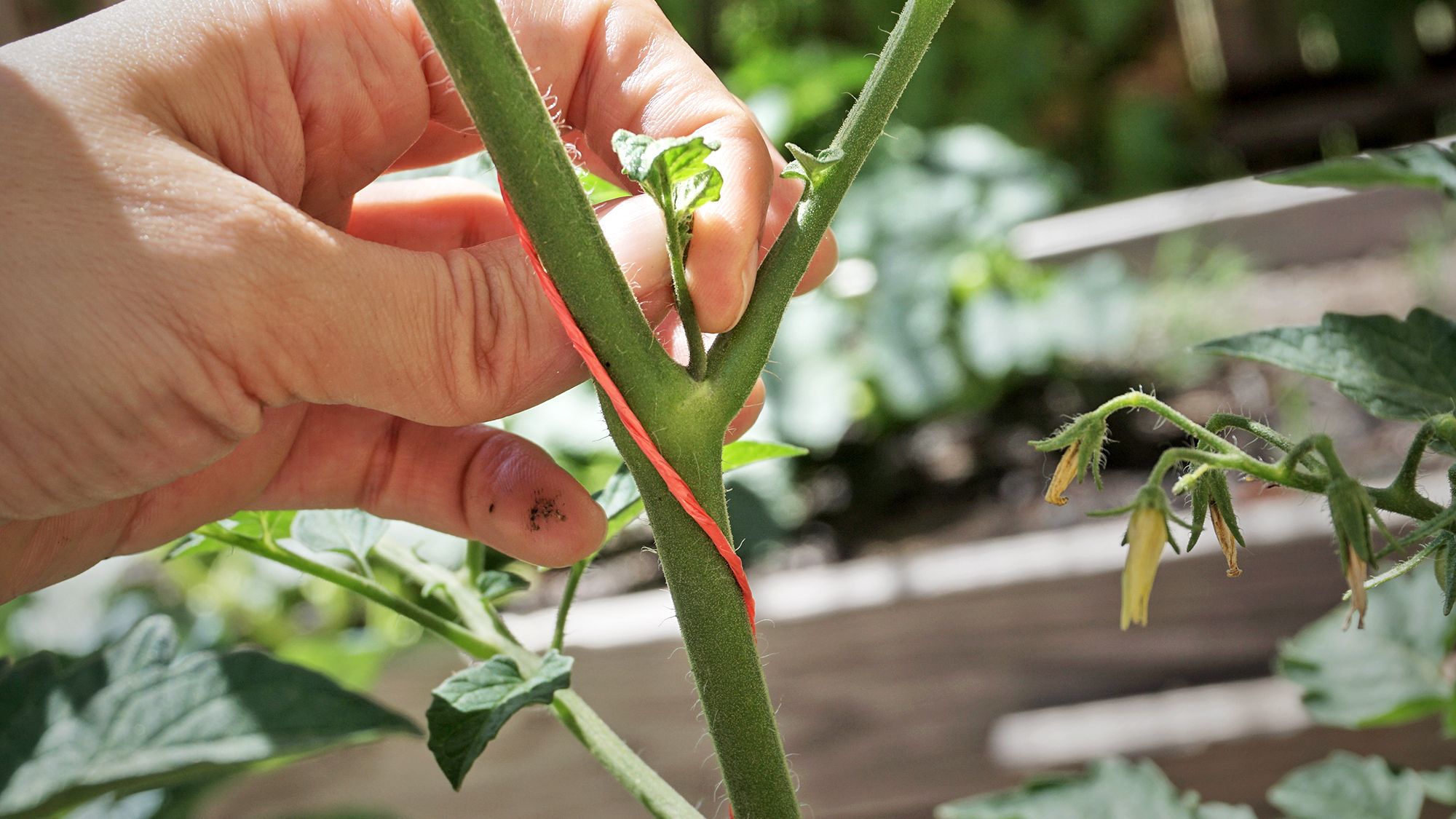
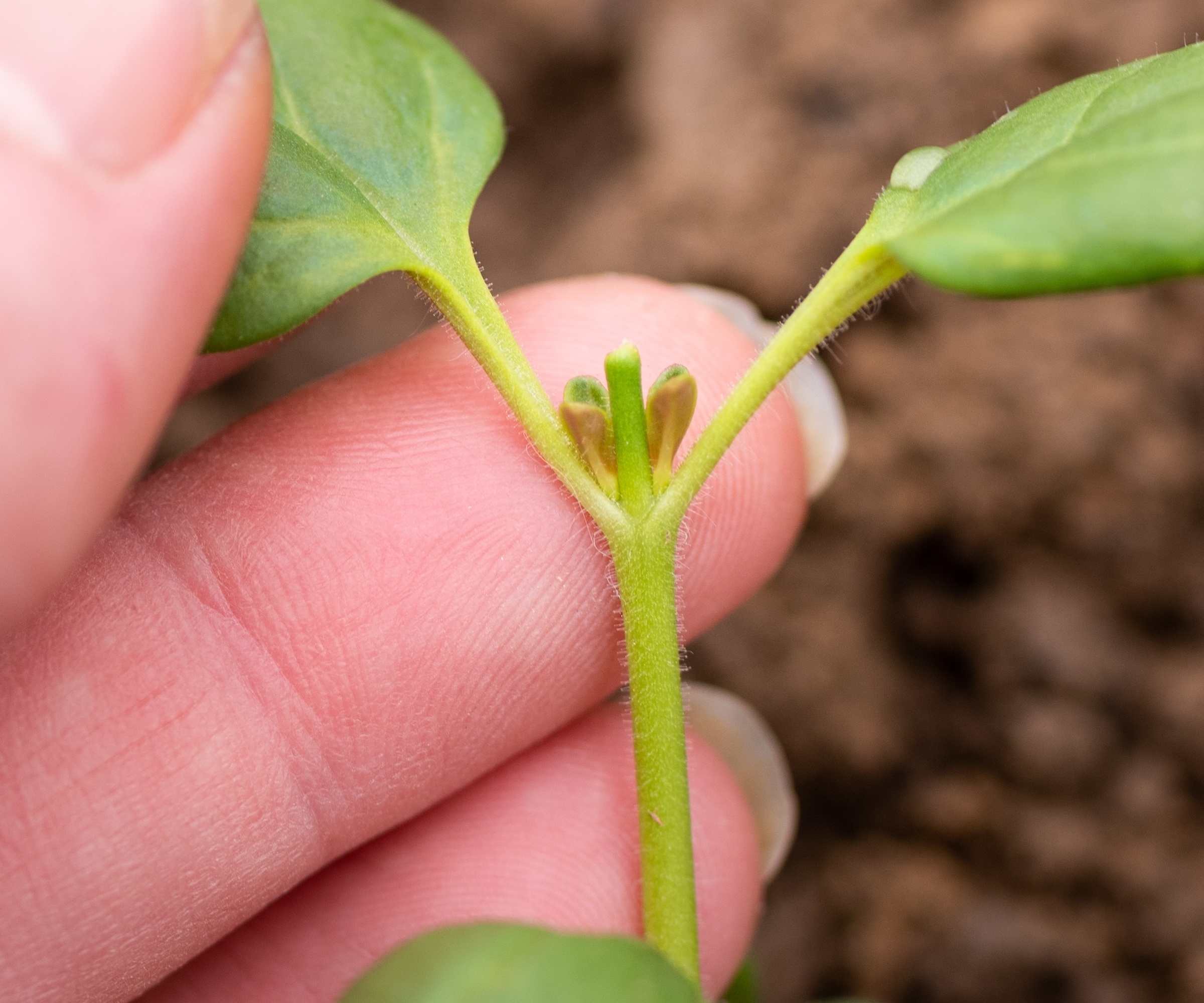
At its core, pinching a plant is the selective removal of the terminal bud – the growing tip of a stem or branch. This action is not about haphazard destruction but a deliberate intervention designed to redirect the plant’s energy. When a plant’s terminal bud is removed, it signals a shift in its growth hormones. Instead of all the plant’s resources flowing upwards, they are encouraged to branch out. This redirection leads to a bushier, fuller plant, with more potential for flowering and fruit production.
There are generally two main types of pinching:
Soft Pinching and Hard Pinching
Soft pinching involves removing only the very tip of a new, soft shoot. This is typically done when the stem is still tender and easily snapped between the fingers. It’s a gentle encouragement for lateral growth and is often used on young, actively growing plants to encourage them to fill out without stunting their development too severely. Think of it as a subtle nudge, guiding the plant towards a more desirable shape.
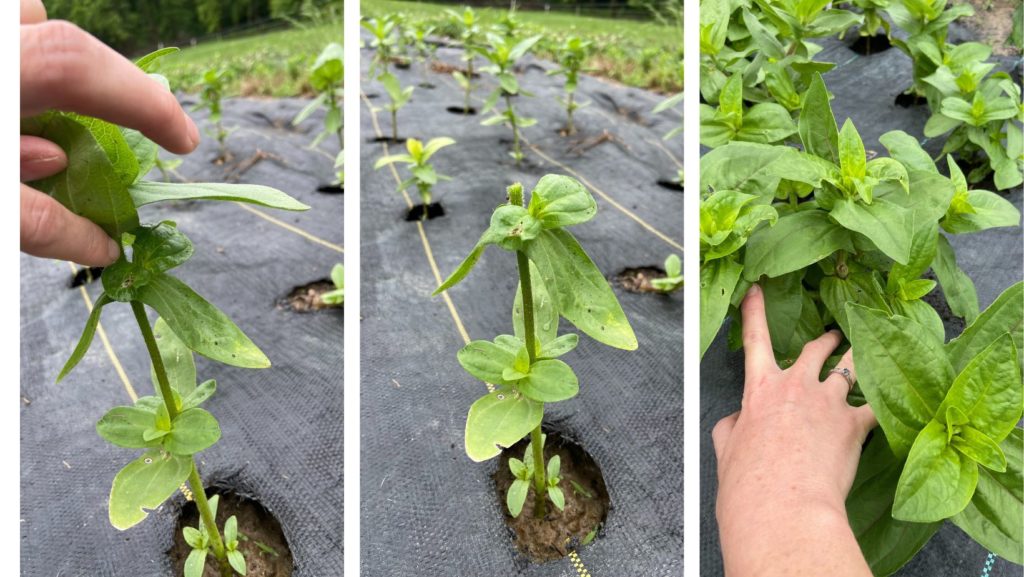
Hard pinching, on the other hand, involves removing a larger portion of the stem, often down to a set of leaves. This is a more aggressive technique and is used on more mature stems or when a significant increase in branching is desired. It’s akin to a more decisive pruning, forcing the plant to respond with more substantial new growth. This method is crucial for shaping plants and encouraging them to produce more flower buds, especially in annuals and perennials grown for their blooms.
Why Pinch? The Multifaceted Benefits
The decision to pinch a plant is driven by a desire to achieve specific outcomes:
- Increased Bushiness and Fuller Growth: This is the most common reason. By removing the apical dominance (the tendency of the terminal bud to suppress the growth of lateral buds), pinching encourages the development of multiple side shoots. This results in a plant that is denser, more compact, and visually more appealing, especially for ornamental plants.
- Enhanced Flowering and Fruit Production: Many plants, particularly those grown for their flowers or fruits, benefit greatly from pinching. By creating more stems, you create more potential sites for flower buds to form. For fruit-bearing plants, increased branching can lead to a larger overall harvest, although careful consideration of plant maturity and energy reserves is crucial.
- Improved Plant Structure and Shape: Pinching is a vital tool for shaping plants, whether it’s to create a neat hedge, a specific topiary form, or simply to manage an overgrown specimen. It allows gardeners to guide the plant’s natural growth habit into a more desirable and manageable form.
- Disease and Pest Management: A plant that is too dense can have poor air circulation, creating an ideal environment for fungal diseases and pests. By promoting branching and a more open structure, pinching can indirectly help to improve air flow and reduce the risk of these issues.
Beyond the Bloom: Pinching as a Metaphor in Tech and Business
While the literal act of pinching might seem confined to horticulture, the underlying principle of strategic intervention for improved growth and output resonates powerfully in the world of technology and business. The concept of redirecting resources, refining focus, and promoting diversified development is a recurring theme in innovation and strategic planning.
Tech: Optimizing AI and Software Development
In the realm of Tech, the idea of “pinching” can be likened to the process of refining and optimizing algorithms, particularly in Artificial Intelligence (AI).
AI Model Refinement and Hyperparameter Tuning
Think of an AI model as a young plant. When it’s first trained, it might exhibit a tendency to focus too heavily on certain data points, leading to biases or overfitting – essentially, growing too tall and lanky in one specific direction. Hyperparameter tuning is akin to pinching. Developers meticulously adjust parameters that control the learning process, much like a gardener pinches off a bud.
For instance, in deep learning, parameters like the learning rate, the number of layers, or the regularization strength are adjusted. If a model is over-reliant on specific features (an overgrowth in one area), tuning can “pinch” that over-reliance by adjusting the weight given to those features or introducing dropout layers (which randomly deactivate neurons, forcing the network to rely on multiple pathways – a form of branching). This redirection of computational “energy” leads to a more robust, generalizable, and efficient AI model.
Software Development: Streamlining Processes and Feature Prioritization
In broader software development, “pinching” can represent the strategic decision-making around feature prioritization and product development. A product roadmap, like a plant’s growth, can become overgrown with too many potential features, each vying for development resources.
- Feature “Pruning”: Just as a gardener removes unproductive branches, product managers often “pinch” or de-prioritize features that are not aligned with the core product vision or user needs. This redirects development effort towards features that will provide the most value and contribute to the product’s overall health and market success.
- Agile Methodologies: Agile development cycles, with their iterative sprints and regular retrospectives, embody a form of continuous “pinching.” Teams constantly evaluate what’s working and what’s not, adjusting their approach and focusing their efforts on the most impactful tasks, rather than letting development efforts become diffuse and unfocused.
- Bug Fixing and Performance Optimization: Identifying and fixing critical bugs or optimizing slow-performing sections of code can be seen as “pinching” away at inefficiencies that are hindering the software’s overall growth and user experience. It’s about removing the “weed” or the “unproductive stem” to allow the core functionality to flourish.
Digital Security: Targeted Vulnerability Patches
Even in Digital Security, the concept of targeted intervention applies. Instead of letting vulnerabilities fester and grow (potentially leading to a catastrophic “plant death”), security teams apply targeted patches. These are like precise “pinches” that address specific weaknesses, preventing them from being exploited and allowing the overall system’s security to grow stronger and more resilient.
Branding: Cultivating a Distinctive Identity
The world of Brand strategy is also deeply intertwined with the principles of “pinching” – refining, focusing, and encouraging strategic growth.
Personal Branding: Sculpting Your Professional Identity
For individuals, Personal Branding is very much about cultivating a distinct and impactful professional identity. Imagine your skillset and professional journey as a plant.
- Skill Development: Just as you pinch a plant to encourage branching, you strategically focus on developing specific, high-impact skills. Instead of trying to be a jack-of-all-trades, you “pinch” away at less relevant areas to foster deep expertise in your chosen domain. This leads to a more defined and valuable personal brand.
- Content Creation and Thought Leadership: When creating content (articles, social media posts, presentations), a strong personal brand involves a consistent focus on core themes. This is like pinching off irrelevant tangents to ensure your message is clear and impactful. Each piece of content contributes to the overall “bushiness” of your expertise and thought leadership.
- Networking and Collaboration: Deciding whom to network with and collaborate with is a form of strategic “pinching.” You focus your energy on relationships that will genuinely foster your growth and enhance your professional visibility, rather than spreading yourself too thin with superficial connections.
Corporate Identity: Pruning the Message for Maximum Impact
For businesses, the concept of Corporate Identity and Marketing involves a similar process of strategic refinement.
- Brand Messaging: A strong brand has a clear, consistent message. This involves “pinching” away extraneous or confusing communication. Marketing campaigns need to be focused, targeting specific audiences with a clear value proposition. Trying to appeal to everyone often results in appealing to no one effectively.
- Product Portfolio Management: Companies with diverse product lines must periodically “pinch” or prune their offerings. If a product is no longer profitable or aligned with the company’s strategic direction, it can be a drain on resources. Divesting from or discontinuing such products allows the company to focus its energy and investment on areas that have the greatest potential for growth.
- Reputation Management: Building and maintaining a positive Reputation requires constant attention. Identifying and addressing negative feedback or potential PR crises swiftly and effectively is akin to “pinching” off a problematic stem before it damages the entire plant. It’s about proactive and targeted intervention to protect the brand’s overall health.
- Design and Aesthetics: Even the visual identity of a brand involves “pinching.” Logo design, website layout, and marketing collateral all benefit from simplification and focus. Removing unnecessary elements creates a cleaner, more memorable, and ultimately more impactful visual presence.
Money: Strategic Investment and Financial Pruning
The principles of strategic growth and resource allocation are perhaps most acutely felt in the domain of Money.
Personal Finance: Cultivating Financial Health
In Personal Finance, “pinching” translates to making deliberate choices about spending, saving, and investing.
- Budgeting and Expense Tracking: Creating a budget is essentially “pinching” your spending. You identify areas where you can reduce expenditure – “pinching” off non-essential costs – to redirect those funds towards more important goals, like saving for a down payment or paying off debt.
- Debt Management: Aggressively paying down high-interest debt is a form of financial “pinching.” You are removing the “unproductive” drain of interest payments to allow your overall financial health to grow stronger.
- Investment Diversification: While not strictly “pinching” in the removal sense, the principle of diversification in Investing is about spreading your “growth potential” across different assets. However, there’s also a “pinching” aspect in deciding which investments to not pursue, or which underperforming assets to sell off to reinvest in more promising ventures.
Business Finance: Optimizing Profitability and Growth
For businesses, Business Finance leverages “pinching” principles to maximize profitability and sustainable growth.
- Cost Cutting and Efficiency: Identifying and eliminating unnecessary operational costs is a direct application of “pinching.” Streamlining processes, renegotiating supplier contracts, or investing in more efficient technology can all lead to significant savings.
- Strategic Investments: Just as a gardener chooses where to “pinch” to encourage the best growth, businesses make strategic decisions about where to allocate capital. This might involve investing in R&D, marketing, or new equipment that will foster future growth, while divesting from or scaling back on less profitable ventures.
- Profit Margins: Maintaining healthy profit margins is crucial. Businesses must constantly monitor their pricing, production costs, and operational efficiencies to ensure they are not “losing energy” on unprofitable activities.
Conclusion: The Art of Strategic Growth
The seemingly simple act of “pinching a plant” offers a profound metaphor for success across diverse fields. Whether it’s guiding a delicate seedling, optimizing a complex AI algorithm, sculpting a powerful personal brand, or managing a company’s finances, the core principle remains the same: strategic intervention leads to more robust and targeted growth. By understanding where and how to apply these “pinches” – whether it’s removing unproductive elements, redirecting resources, or refining focus – we can cultivate stronger, healthier, and more fruitful outcomes in all aspects of our lives and endeavors. The gardener’s secret is, in essence, a universal truth for innovation and flourishing.
aViewFromTheCave is a participant in the Amazon Services LLC Associates Program, an affiliate advertising program designed to provide a means for sites to earn advertising fees by advertising and linking to Amazon.com. Amazon, the Amazon logo, AmazonSupply, and the AmazonSupply logo are trademarks of Amazon.com, Inc. or its affiliates. As an Amazon Associate we earn affiliate commissions from qualifying purchases.