
In the modern digital landscape, data is often described as the new oil—a resource that powers the global economy, drives innovation, and facilitates seamless user experiences. However, unlike physical commodities, digital data carries profound ethical and legal implications, particularly when it pertains to individual identity and health status. For technology professionals, software developers, and cybersecurity experts, two acronyms sit at the center of the security architecture: PII (Personally Identifiable Information) and PHI (Protected Health Information).
Understanding the nuances between PII and PHI is not merely an academic exercise; it is a fundamental requirement for building compliant software, securing cloud infrastructures, and maintaining user trust. As data breaches become increasingly sophisticated and regulatory fines reach record highs, the technical implementation of data protection strategies must be precise. This guide explores the definitions, technical distinctions, and security frameworks necessary to manage these critical data types in a digital-first world.
Understanding the Building Blocks of Data Privacy
To secure data effectively, one must first be able to classify it. Data classification is the process of organizing data into categories based on its sensitivity and the impact its loss would have on the organization or the individual.
Defining PII (Personally Identifiable Information)
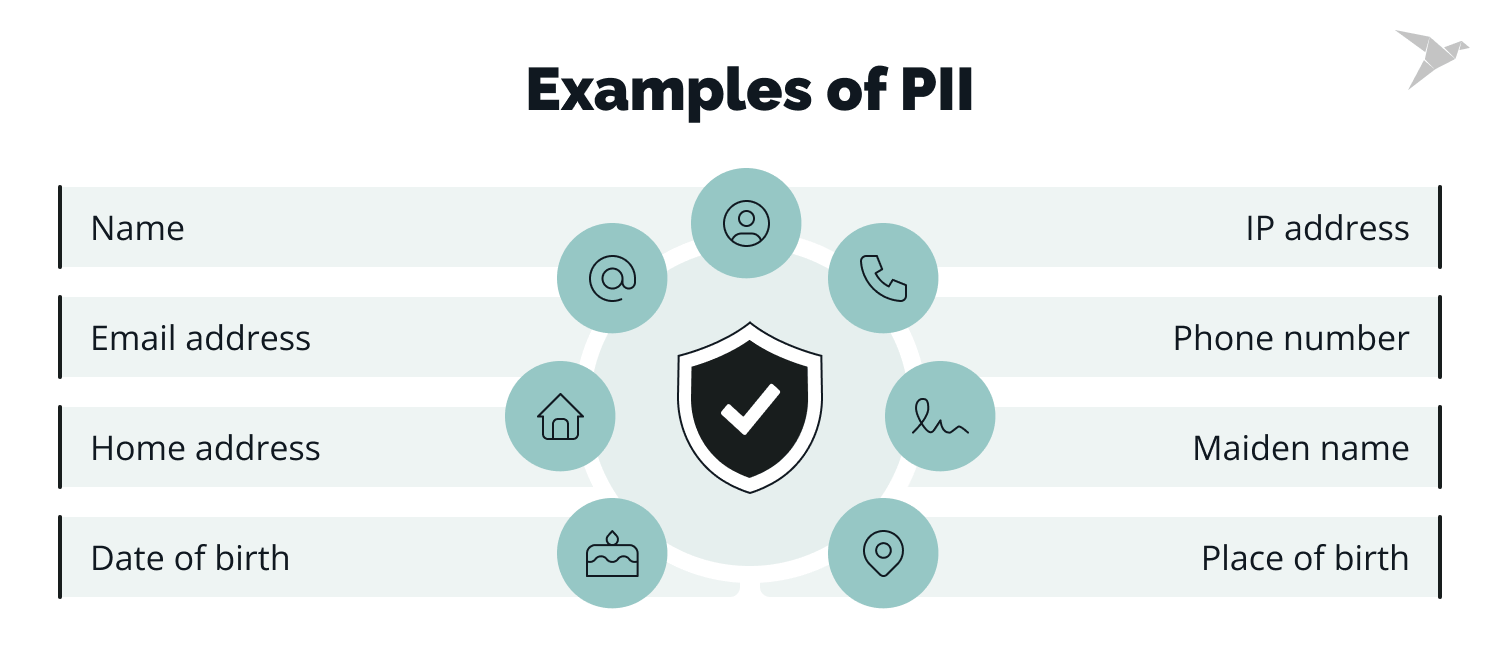
Personally Identifiable Information (PII) refers to any data that can be used to distinguish or trace an individual’s identity. This definition is intentionally broad because the “identifiability” of data often depends on the context and the availability of other data points. PII is generally divided into two categories: sensitive and non-sensitive.
Sensitive PII includes information that, if compromised, could result in significant harm to the individual, such as identity theft or financial fraud. Examples include Social Security Numbers (SSN), passport numbers, driver’s license numbers, and biometric records like fingerprints or facial recognition templates. From a technical standpoint, sensitive PII requires the highest level of encryption and strict access controls.
Non-sensitive PII, also known as “linkable” information, consists of data that is publicly available or does not inherently cause harm if disclosed in isolation. This includes full names, business phone numbers, and physical addresses. However, when multiple pieces of non-sensitive PII are aggregated—a process often called “re-identification”—they can become sensitive. For example, a zip code, date of birth, and gender can uniquely identify a significant percentage of the population.
Defining PHI (Protected Health Information)
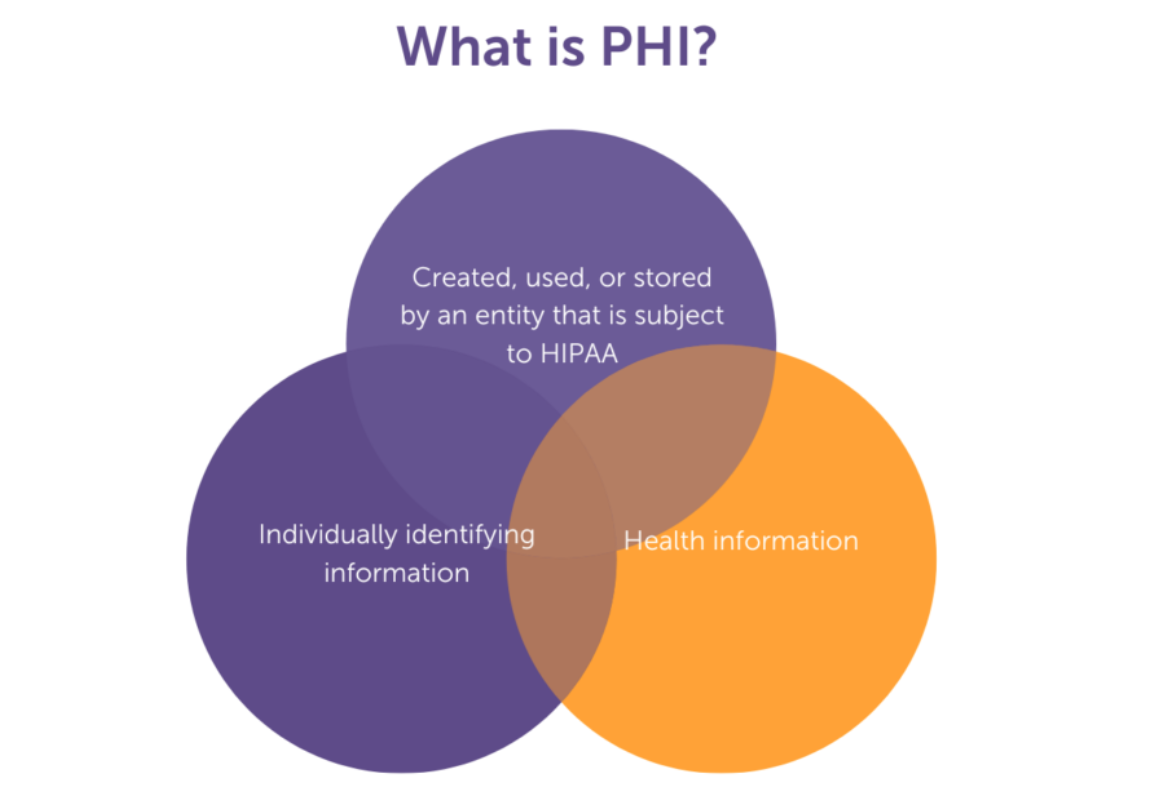
Protected Health Information (PHI) is a specific subset of PII that relates to an individual’s past, present, or future physical or mental health condition, the provision of healthcare to that individual, or the payment for that healthcare. While PII is a general term, PHI is a legal designation primarily defined under the Health Insurance Portability and Accountability Act (HIPAA) in the United States.
PHI includes a wide array of data points, including medical records, laboratory results, health insurance claims, and even appointment schedules. What makes data PHI is its association with a “covered entity” (such as a hospital or health insurer) or a “business associate” (such as a cloud service provider hosting medical data). If a fitness app collects heart rate data for personal use, it may be PII; if that same data is transmitted to a physician for clinical diagnosis, it becomes PHI.
The Technical Infrastructure of Data Protection
Protecting PII and PHI requires a multi-layered defense strategy that spans the entire data lifecycle—from ingestion and storage to transmission and disposal. Relying on a single security measure is insufficient in an era of advanced persistent threats (APTs).
Encryption at Rest and in Transit
Encryption is the primary technical control for safeguarding sensitive data. For data in transit, Transport Layer Security (TLS) is the industry standard. By utilizing modern cryptographic protocols (TLS 1.2 or 1.3), organizations ensure that PII and PHI moving between a client’s browser and a server cannot be intercepted via man-in-the-middle (MITM) attacks.
Data at rest—data stored on hard drives, databases, or cloud buckets—requires equally rigorous protection. Advanced Encryption Standard (AES) with a 256-bit key (AES-256) is the benchmark for securing stored PII and PHI. However, encryption is only as secure as its key management system. Technical teams must implement robust Key Management Services (KMS) that utilize Hardware Security Modules (HSMs) to ensure that encryption keys are rotated regularly and are never stored alongside the encrypted data itself.
Tokenization and Anonymization Techniques
To minimize the footprint of sensitive data within an application environment, developers often turn to tokenization and anonymization. Tokenization involves replacing a sensitive data element (like a credit card number or an SSN) with a non-sensitive equivalent, known as a token. The actual data is stored in a highly secure, centralized “vault,” while the rest of the application ecosystem uses the token for transactions and workflows. This significantly reduces the scope of compliance audits, as fewer systems are exposed to the actual PII.
Anonymization and pseudonymization are used when data is needed for analytics or machine learning without compromising individual privacy. Pseudonymization replaces identifiers with artificial identifiers (pseudonyms), allowing the data to be re-linked if necessary by authorized parties. True anonymization, however, is an irreversible process where identifiers are scrubbed so thoroughly that the individual can never be identified again. Techniques such as differential privacy—adding mathematical “noise” to datasets—allow organizations to derive insights from health trends or user behavior while guaranteeing that individual records remain private.
Regulatory Frameworks and Compliance Standards
The technical management of PII and PHI is governed by a complex web of international and regional laws. Failure to comply with these frameworks can result in catastrophic financial penalties and loss of operational licenses.
HIPAA: The Standard for PHI
In the United States, HIPAA sets the national standard for the protection of PHI. HIPAA’s Security Rule specifically addresses the technical safeguards required for Electronic Protected Health Information (ePHI). These safeguards include access controls (ensuring only authorized personnel can view PHI), integrity controls (ensuring PHI is not altered or destroyed in an unauthorized manner), and transmission security.
A critical aspect of HIPAA for tech providers is the Business Associate Agreement (BAA). If a software company provides a platform that processes PHI for a healthcare provider, they are considered a “business associate” and must legally commit to maintaining HIPAA-compliant security standards.
GDPR and CCPA: Global PII Mandates
The General Data Protection Regulation (GDPR) in the European Union and the California Consumer Privacy Act (CCPA) in the United States represent a shift toward “Privacy by Design.” Under these regulations, PII is treated as a property of the individual rather than the organization.
GDPR is particularly stringent, requiring organizations to have a legal basis for processing PII and granting individuals the “right to be forgotten.” Technically, this requires developers to build systems capable of locating and deleting every instance of a specific user’s PII across distributed databases and backup systems—a significant engineering challenge. CCPA, while similar, focuses heavily on the “sale” of PII and provides consumers with the right to opt-out of data sharing.
Risk Management and the Cost of Data Breaches
In the realm of cybersecurity, it is often said that it is not a matter of if a breach will occur, but when. Managing the risks associated with PII and PHI involves identifying vulnerabilities within the tech stack and having a battle-tested incident response plan.
Identifying Vulnerabilities in Modern Tech Stacks
Modern applications often rely on a vast web of third-party APIs, microservices, and open-source libraries. Each of these represents a potential “leak” point for PII or PHI. For instance, an improperly configured Amazon S3 bucket is a common source of massive PII leaks. Similarly, “shadow IT”—where employees use unauthorized software to process company data—creates unmonitored silos of sensitive information.
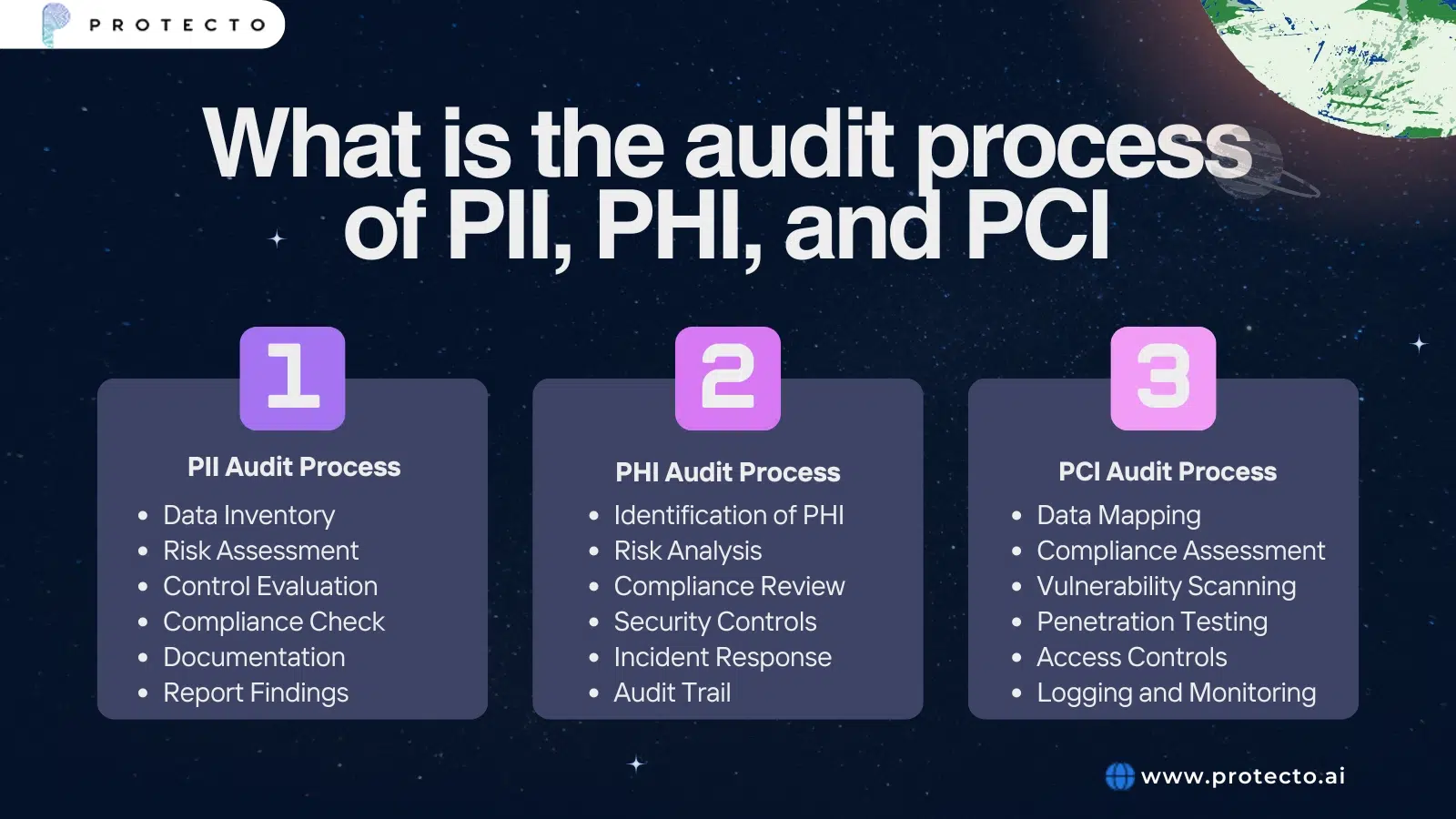
Automated vulnerability scanning and static/dynamic application security testing (SAST/DAST) are essential for identifying misconfigurations or code-level weaknesses that could expose data. Regular penetration testing, where ethical hackers attempt to breach the system, provides a real-world assessment of how well PII and PHI are protected.
Incident Response and Mitigation Strategies
When a breach occurs involving PII or PHI, the response must be immediate and structured. The first technical step is containment: isolating affected servers or revoking compromised credentials to prevent further data exfiltration. Following containment, forensic analysis is required to determine exactly what data was accessed.
The distinction between PII and PHI is crucial during the notification phase. Under HIPAA, if PHI for more than 500 individuals is compromised, the organization must notify the Department of Health and Human Services (HHS) and, in some cases, the media. Under GDPR, organizations typically have only 72 hours to report a breach to the supervisory authority after becoming aware of it. These tight timelines necessitate automated logging and alerting systems that can provide a clear audit trail of data access.
Future Trends in Privacy-Preserving Technology
As the volume of PII and PHI continues to grow, the technology used to protect it is evolving. We are moving away from “perimeter-based” security toward more granular, data-centric models.
Zero-Trust Architecture
The “Zero Trust” model operates on the principle of “never trust, always verify.” In a traditional network, once a user is inside the firewall, they often have broad access to data. In a Zero-Trust architecture, every request for PII or PHI is treated as a potential threat. Identity and Access Management (IAM) systems use multi-factor authentication (MFA) and context-aware policies (checking the user’s location, device health, and time of access) before granting access to sensitive databases. This micro-segmentation ensures that even if one part of the system is compromised, the attacker cannot easily move laterally to access the PII/PHI vaults.
AI in Data Classification and Monitoring
Artificial Intelligence and Machine Learning are becoming double-edged swords in data security. While hackers use AI to find vulnerabilities, security teams use it to automate the classification of PII and PHI. Large Language Models (LLMs) and Natural Language Processing (NLP) can scan massive unstructured datasets—such as emails or support tickets—to identify and flag sensitive information that would be impossible for humans to monitor manually.
Furthermore, AI-driven User and Entity Behavior Analytics (UEBA) can detect anomalies in how data is accessed. If a database administrator suddenly downloads a large volume of PHI records at 3:00 AM from an unusual IP address, the AI can automatically trigger a lockout, preventing a potential insider threat or credential theft from escalating into a full-scale breach.
In conclusion, PII and PHI are the most sensitive components of the modern digital ecosystem. Protecting this information requires a deep integration of legal understanding and technical excellence. By implementing robust encryption, adhering to global compliance standards, and embracing emerging technologies like Zero Trust and AI-driven monitoring, organizations can safeguard individual privacy while continuing to leverage the power of data in the digital age.
aViewFromTheCave is a participant in the Amazon Services LLC Associates Program, an affiliate advertising program designed to provide a means for sites to earn advertising fees by advertising and linking to Amazon.com. Amazon, the Amazon logo, AmazonSupply, and the AmazonSupply logo are trademarks of Amazon.com, Inc. or its affiliates. As an Amazon Associate we earn affiliate commissions from qualifying purchases.