
In the realm of global tourism, few locations have managed to transform a quiet, rural landscape into a billion-dollar powerhouse of destination branding as effectively as Pigeon Forge, Tennessee. While many see it simply as a mountain getaway, from a strategic perspective, Pigeon Forge is known for its world-class destination branding, the unprecedented “celebrity anchor” effect of Dolly Parton, and a unique positioning strategy that balances kitsch with high-end commercial hospitality.
To understand what Pigeon Forge is known for is to understand how a town of fewer than 7,000 residents manages to attract over 10 million visitors annually. It is a case study in how a unified brand identity, built on the pillars of family-centric values and Appalachian heritage, can create a sustainable economic ecosystem.

The Anchor Brand: The Impact of Dollywood on Regional Identity
At the heart of the Pigeon Forge brand is an anchor that most municipalities only dream of: a global icon. While the Great Smoky Mountains provide the scenery, Dollywood provides the soul. The park is more than just an attraction; it is the cornerstone of the city’s corporate identity.
Strategic Partnership and Personality-Driven Marketing
Pigeon Forge is fundamentally known for its association with Dolly Parton. This is a rare example where a personal brand and a geographic brand have merged so seamlessly that they are indistinguishable. When Dolly Parton entered the partnership to transform the former “Silver Dollar City” into Dollywood in 1986, it wasn’t just a business investment; it was a rebranding of the entire region.
The city’s identity transitioned from a pass-through town on the way to the National Park to a primary destination. By leveraging Parton’s brand attributes—authenticity, storytelling, kindness, and hard work—Pigeon Forge adopted a persona that felt accessible yet legendary. For marketers, this represents the “Halo Effect,” where the positive attributes of a celebrity spokesperson transfer directly to the location, providing it with an instant competitive advantage over other mountain destinations like Branson, Missouri, or Asheville, North Carolina.
Consistency in Brand Experience
One of the most difficult aspects of brand management is maintaining consistency across a wide variety of stakeholders. In Pigeon Forge, the Dollywood influence enforces a high standard of hospitality. From the “Dollywood’s DreamMore Resort” to the individual theaters on the Parkway, there is a pervasive “Southern Hospitality” brand promise. This consistency ensures that the visitor’s psychological journey—from seeing a billboard to checking into a hotel—remains cohesive. The brand is known for being “wholesome,” a deliberate positioning that filters through every local ordinance and business development plan.
Destination Positioning: Defining the “Family-Friendly” Brand
Pigeon Forge has mastered the art of market segmentation. While neighboring Gatlinburg focuses on a “quaint, walkable mountain village” aesthetic, Pigeon Forge has positioned itself as the “Action-Packed Gateway.” It is a brand built on scale, entertainment, and accessibility.
Creating a Niche in the Smoky Mountains
The brand identity of Pigeon Forge is defined by its contrast to the National Park. It serves as the commercial buffer, providing the modern amenities and high-energy entertainment that the wilderness cannot. This positioning is strategic; it captures the segment of the market that wants the beauty of the Appalachian outdoors during the day but expects high-production dinner shows and luxury shopping by night.
In marketing terms, Pigeon Forge has effectively “commodified nostalgia.” By offering experiences like the Old Mill (built in 1830) alongside modern interactive museums like Titanic Pigeon Forge or Alcatraz East, the city bridges the gap between historical heritage and contemporary entertainment. This allows the brand to appeal to multiple generations simultaneously—a key factor in the longevity of any family-based destination brand.
The Role of Theatrical Branding and Attractions
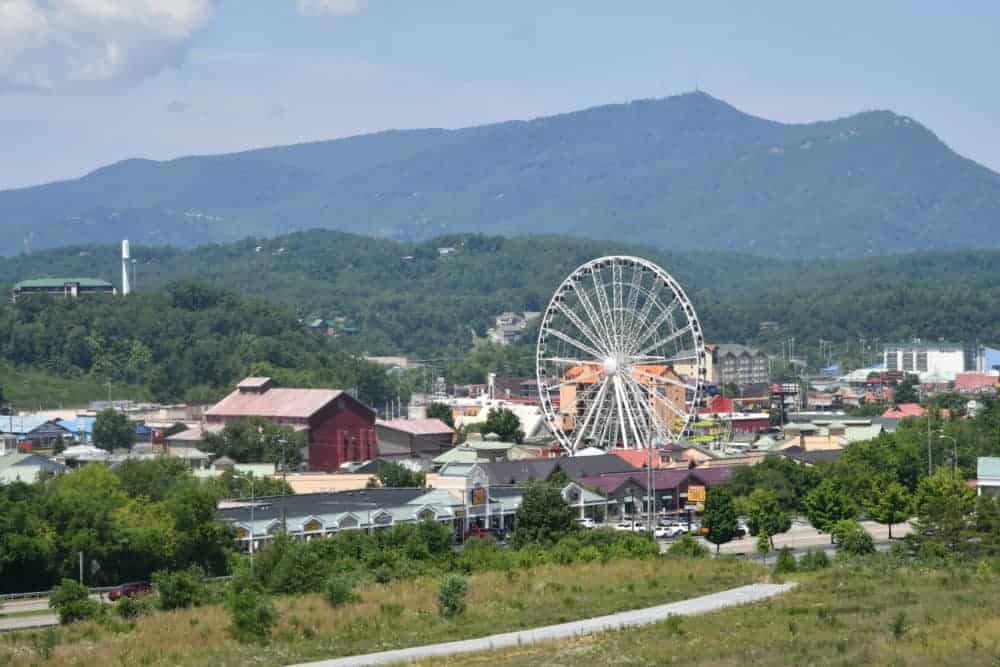
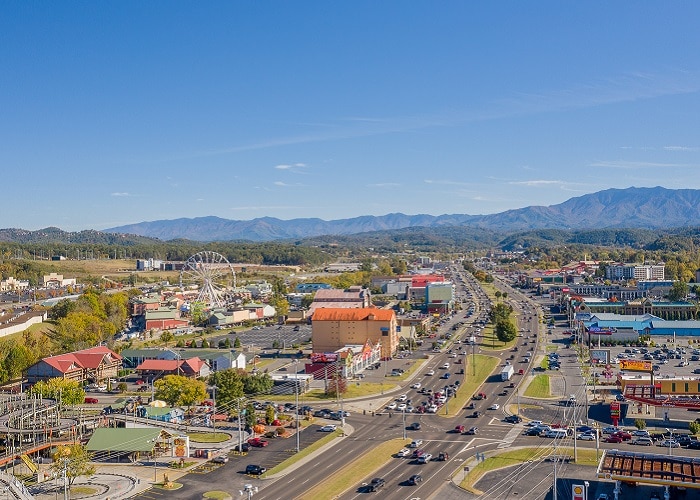
If you ask a strategist what Pigeon Forge is known for, they will point to the “Parkway.” This five-mile stretch is a physical manifestation of the city’s brand strategy. The city uses “Theatrical Architecture” to create an immersive brand environment. Buildings shaped like upside-down houses (WonderWorks) or massive ocean liners are not just buildings; they are physical advertisements.
The abundance of dinner theaters—such as Dolly Parton’s Stampede or Pirates Voyage—reinforces the brand’s identity as an entertainment hub. These are not merely shows; they are “Brand Experiences” that allow visitors to participate in the storytelling of the region. This focus on immersive entertainment differentiates Pigeon Forge from standard tourist traps, elevating it into a structured “Themed Environment.”
Economic Synergy: How Small Businesses Leverage the Pigeon Forge Umbrella
A brand is only as strong as its ecosystem. Pigeon Forge is known for its highly integrated business community, where the local Department of Tourism and independent operators work in a symbiotic relationship that maximizes the “Visitor Share of Wallet.”
Unified Marketing Efforts
The Pigeon Forge Department of Tourism operates with the sophistication of a Fortune 500 marketing firm. They don’t just promote individual shops; they promote the feeling of Pigeon Forge. Their “Mountain Tough” and “My Pigeon Forge” campaigns are designed to foster emotional loyalty.
This collective branding allows small businesses—mom-and-pop pancake houses, local craft distilleries, and boutique hotels—to thrive. When the city brand attracts 10 million people, even a niche business with a small marketing budget can achieve high visibility. The city is known for this “rising tide lifts all boats” economic model, where the success of the major attractions feeds the success of the peripheral services.
Infrastructure as Brand Support
The city’s infrastructure is a vital component of its brand strategy. Pigeon Forge is known for its “Fun Time Trolley” system, which is more than just transportation; it is a branded experience that reduces the friction of travel. For a brand that targets families, reducing stress (parking, traffic, navigation) is essential to the brand promise. By investing in aesthetic improvements, wide sidewalks, and reliable transit, the city reinforces its identity as a user-friendly, high-accessibility destination.
Evolution and Modernization: Keeping the Brand Relevant
The most dangerous thing for a legacy brand is stagnation. Pigeon Forge is known for its relentless pace of development. The brand is never “finished”; it is constantly being refreshed to meet the expectations of new generations of travelers.
Digital Presence and Content Strategy
In the digital age, Pigeon Forge has pivoted toward a content-heavy marketing strategy. They utilize influencer partnerships, high-production video content, and interactive social media campaigns to reach younger demographics. By focusing on “Instagrammable” moments—such as the seasonal light displays at The Island in Pigeon Forge or the scenic vistas from the Great Smoky Wheel—the city ensures that its brand is consistently shared across digital platforms.
This digital transformation has allowed the city to move beyond its traditional “Southern” demographic and attract international visitors and travelers from across the United States. The brand is no longer just a regional secret; it is a national contender in the travel industry.
Adapting to Global Tourism Trends
Pigeon Forge is increasingly known for its shift toward luxury and boutique experiences. The development of high-end resorts and sophisticated dining options shows an understanding of the “Premiumization” trend in the travel industry. While the core brand remains family-friendly and affordable, the addition of luxury tiers allows the city to capture higher-spending segments without alienating its base.
This adaptability is the hallmark of a world-class brand. Whether it is responding to a global pandemic with rigorous safety protocols or integrating sustainable practices into its park management, Pigeon Forge demonstrates a brand agility that keeps it relevant in a rapidly changing market.
The Enduring Legacy of the Pigeon Forge Brand
Ultimately, Pigeon Forge is known for being a master of “Themed Hospitality.” It is a city that has successfully commercialized its culture without losing its heart. Through the strategic use of a celebrity anchor, a clear niche positioning, and a unified marketing ecosystem, it has built a brand that is both a destination and a tradition.
For brand strategists and marketing professionals, Pigeon Forge serves as a blueprint for how to build a destination brand that lasts. It proves that with a consistent brand promise, strategic partnerships, and a focus on the visitor experience, a small mountain town can become a global benchmark for success. What Pigeon Forge is known for is not just its mountains or its rides; it is known for the meticulous, strategic, and emotional execution of a brand identity that invites every visitor to become part of the story.
aViewFromTheCave is a participant in the Amazon Services LLC Associates Program, an affiliate advertising program designed to provide a means for sites to earn advertising fees by advertising and linking to Amazon.com. Amazon, the Amazon logo, AmazonSupply, and the AmazonSupply logo are trademarks of Amazon.com, Inc. or its affiliates. As an Amazon Associate we earn affiliate commissions from qualifying purchases.