
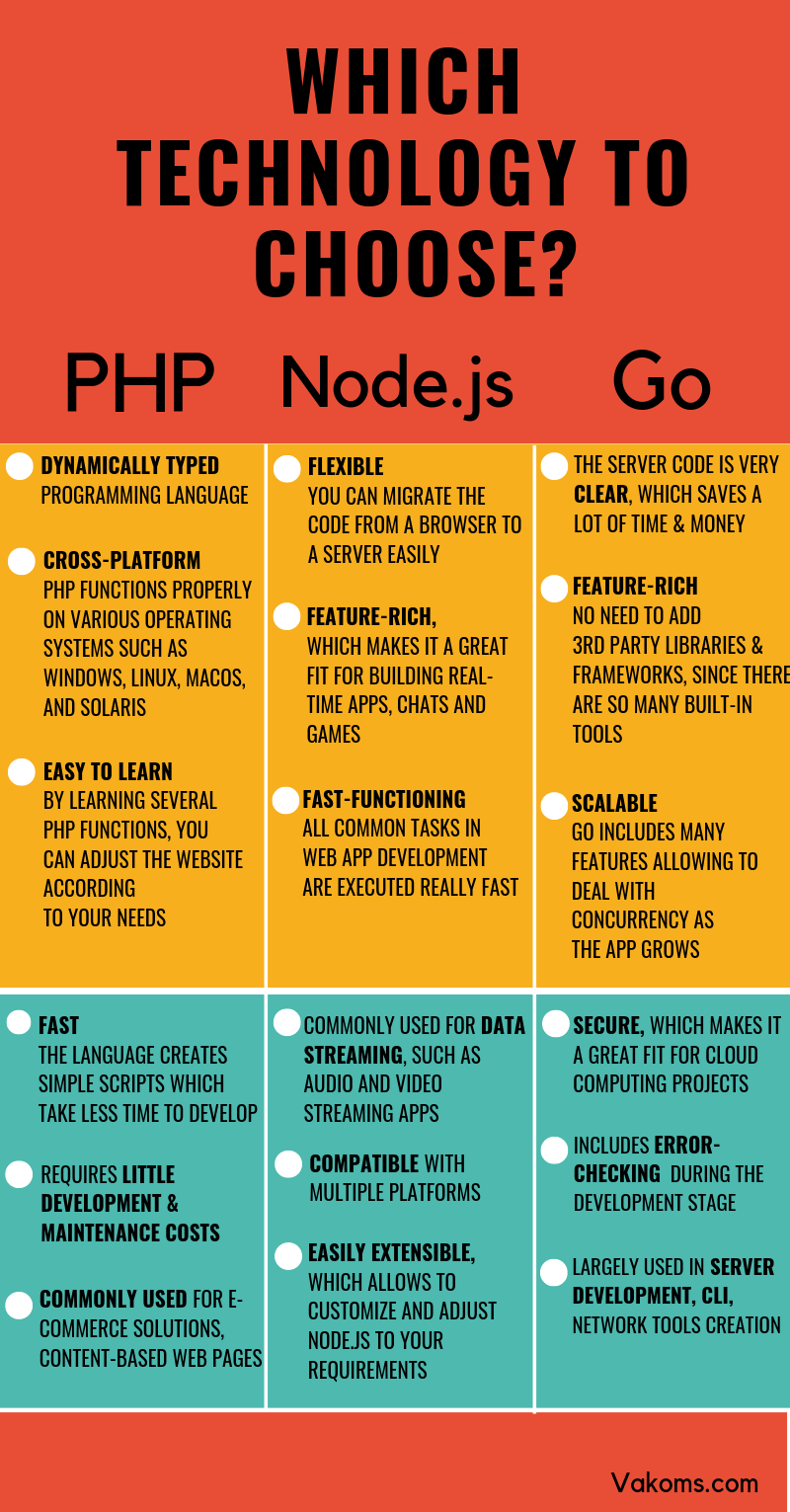
In the rapidly evolving landscape of software engineering, few languages have demonstrated the staying power and ubiquity of PHP. Originally created by Rasmus Lerdorf in 1994, PHP (a recursive acronym for Hypertext Preprocessor) has transformed from a simple set of Common Gateway Interface (CGI) binaries into a robust, server-side scripting language that powers a significant portion of the internet. Despite the emergence of newer technologies like Node.js, Python, and Go, PHP remains a foundational pillar of the web, currently utilized by over 70% of all websites whose server-side programming language is known.
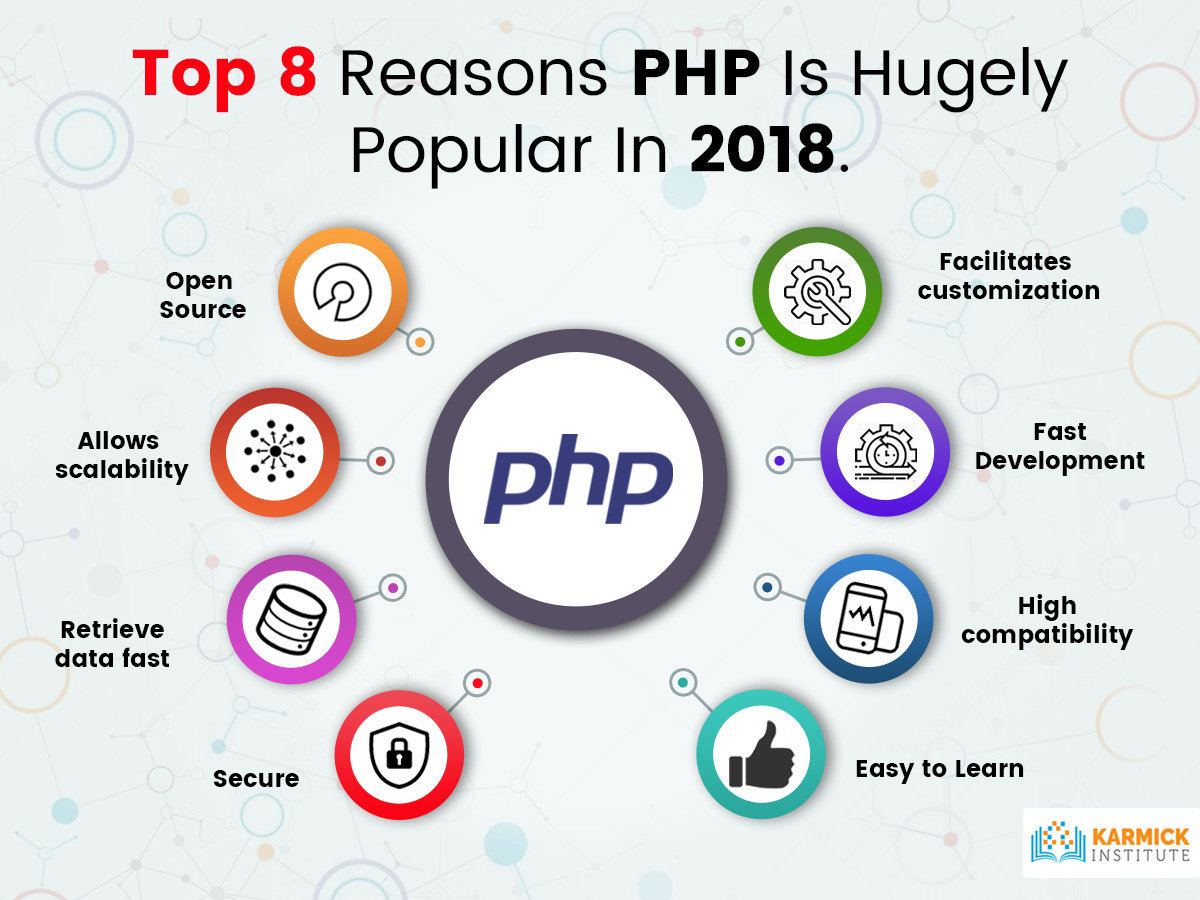
To understand what PHP is used for today, one must look beyond its history and examine its role in building dynamic, data-driven, and scalable digital environments. This article explores the multifaceted applications of PHP within the technology sector, ranging from core web functionality to advanced application frameworks.
1. The Core Architecture: Server-Side Scripting and Dynamic Content
At its most fundamental level, PHP is a server-side scripting language. Unlike client-side languages such as HTML, CSS, or JavaScript—which are executed within the user’s web browser—PHP code is executed on the server before the resulting information is sent to the browser. This distinction is critical to understanding the language’s primary purpose.
The Request-Response Cycle
When a user visits a PHP-based website, the server processes the PHP code, interacts with databases if necessary, and then generates a plain HTML file to be displayed to the user. This allows developers to create dynamic content that changes based on user input, time of day, or specific data parameters. This “hidden” execution makes PHP an essential tool for protecting source code and sensitive logic, as the end-user never sees the actual PHP scripts.
Generating Dynamic Page Content
One of the most common uses of PHP is the creation of dynamic web pages. In the early days of the web, sites were largely static, meaning every user saw the exact same content until a developer manually edited the HTML file. PHP revolutionized this by allowing templates. For example, a single PHP file can serve as a template for a news site; depending on which article link is clicked, PHP fetches the specific headline and body text from a database and populates the template on the fly. This efficiency is why PHP became the standard for high-traffic, content-heavy websites.
2. Powering Content Management Systems (CMS)
Perhaps the most visible use of PHP in the modern tech ecosystem is its role as the backbone for Content Management Systems. A CMS allows non-technical users to create, manage, and modify website content without needing to write code.
The Dominance of WordPress
WordPress, the world’s most popular CMS, is built entirely on PHP. It utilizes the language to manage everything from the user dashboard to the themes and plugins that extend the site’s functionality. Because PHP is easy to learn and widely supported, a massive ecosystem of developers has grown around it, creating thousands of PHP-based tools that allow businesses to launch complex websites in a fraction of the time it would take to build them from scratch.
Enterprise Solutions: Drupal and Joomla
Beyond WordPress, PHP powers other major platforms like Drupal and Joomla. These systems are often used for enterprise-level websites, government portals, and complex community sites. PHP’s ability to handle large amounts of data and its mature security libraries make it an ideal choice for these robust systems. These platforms use PHP to manage complex user permissions, content taxonomies, and high volumes of concurrent visitors.
3. Database Integration and Data Management
A programming language is only as powerful as the data it can manipulate. PHP is renowned for its seamless integration with nearly every type of modern database, making it a premier choice for data-driven applications.
Seamless MySQL Connectivity
While PHP can work with PostgreSQL, Oracle, and Sybase, it is most famously paired with MySQL. This combination, often part of the “LAMP” stack (Linux, Apache, MySQL, PHP), provides a reliable and free open-source platform for web development. PHP is used to perform “CRUD” operations—Create, Read, Update, and Delete. Whether a user is registering for an account, posting a comment, or searching for a product, PHP is the engine that communicates those requests to the database and retrieves the relevant information.
Handling Forms and User Input
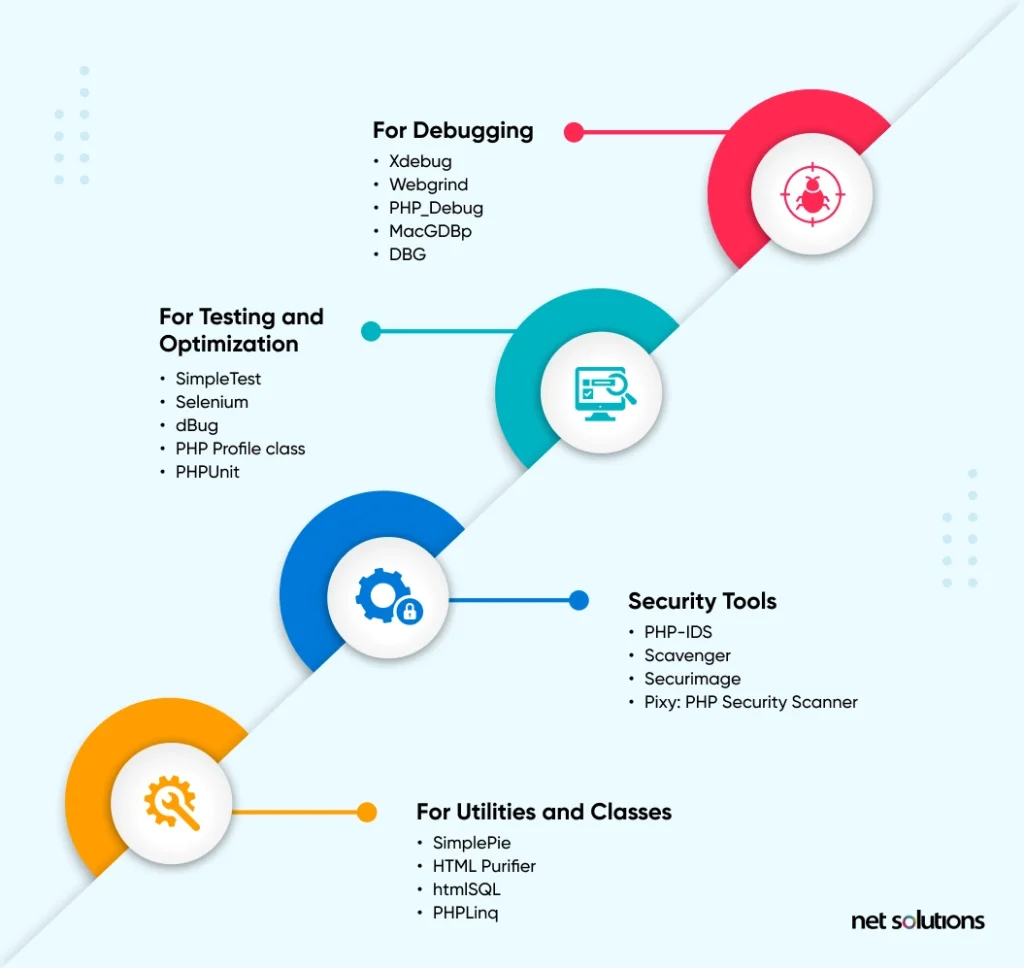
Every time you fill out a contact form, upload a file, or log into a secure area of a website, PHP is likely working behind the scenes. It is used to collect data from web forms, sanitize that data to prevent malicious attacks (like SQL injection), and process it. This might involve sending an automated email, updating a user’s profile, or processing an encrypted password. The language’s built-in functions for handling “POST” and “GET” requests make it incredibly efficient for these interactive tasks.
4. Building Scalable Web Applications with Frameworks
As web development has grown more complex, the tech industry has moved toward using frameworks to standardize code and speed up production. PHP has some of the most sophisticated frameworks in the software world, which have modernized the language and kept it competitive with newer alternatives.
Laravel: The Modern Standard
Laravel is currently the most popular PHP framework. It provides developers with a clean, expressive syntax and tools for common tasks such as authentication, routing, sessions, and caching. By using Laravel, developers can build complex web applications—such as social media platforms, SaaS (Software as a Service) tools, and collaborative project management software—with a focus on maintainability and security. Laravel has transitioned PHP from a “scripting language” to a “platform for application development.”
Symfony and High-Performance Projects
For even larger, more complex projects, developers often turn to Symfony. It is a set of reusable PHP components used by many other projects (including Drupal and even parts of Laravel). Symfony is designed for high-end enterprise applications where stability and long-term support are paramount. Through these frameworks, PHP is used to implement architectural patterns like MVC (Model-View-Controller), which separates the data logic from the user interface, leading to cleaner and more professional software development.
5. E-commerce and Secure Digital Transactions
The digital economy relies heavily on PHP. Because e-commerce requires a mix of database management, secure user sessions, and integration with third-party APIs (like payment gateways), PHP is a natural fit for building online stores.
Leading E-commerce Platforms
Platforms such as Magento, OpenCart, and PrestaShop are built on PHP. Furthermore, WooCommerce—a PHP-based plugin for WordPress—powers a staggering percentage of online stores worldwide. These tools use PHP to manage product catalogs, shopping carts, and inventory tracking in real-time.
Security and Encryption
Security is a primary concern in the tech world, especially when handling financial transactions. PHP has evolved to include robust built-in tools for hashing passwords, managing encrypted sessions, and validating SSL certificates. While no language is inherently secure, PHP provides the necessary functions for developers to build highly secure environments that comply with industry standards for data protection. In the tech niche, PHP’s role in “Backend Security” is a major part of its continued relevance.
6. The Evolution and Future of PHP
One of the most common discussions in technology circles is the longevity of programming languages. PHP has defied the odds by continuously evolving to meet modern performance standards.
Performance Leaps in PHP 7 and 8
With the release of PHP 7 and more recently PHP 8, the language saw massive improvements in speed and memory usage. The introduction of the JIT (Just-In-Time) compiler in PHP 8 allows the engine to compile parts of the code during runtime, significantly narrowing the performance gap between PHP and “faster” languages like C++ or Java. This means PHP is no longer just for simple websites; it is capable of handling heavy computational tasks and high-traffic applications that require lightning-fast response times.
The Strength of the Global Community
A programming language is defined by its community. PHP benefits from one of the largest and most active developer communities in the world. This means that for almost any technical problem, a solution already exists in documentation, forums, or open-source libraries. This support system ensures that PHP remains a low-risk, high-reward choice for startups and established tech companies alike.
In conclusion, PHP is far more than a legacy language. It is a versatile, high-performance tool used for everything from simple personal blogs to complex enterprise-level web applications. Its ability to manage databases, power the world’s most popular CMS platforms, and provide a foundation for modern development frameworks ensures that it will remain a cornerstone of the technology industry for years to come. Whether you are browsing a major news outlet, shopping online, or using a corporate portal, you are likely interacting with the results of PHP programming.
aViewFromTheCave is a participant in the Amazon Services LLC Associates Program, an affiliate advertising program designed to provide a means for sites to earn advertising fees by advertising and linking to Amazon.com. Amazon, the Amazon logo, AmazonSupply, and the AmazonSupply logo are trademarks of Amazon.com, Inc. or its affiliates. As an Amazon Associate we earn affiliate commissions from qualifying purchases.