
The human pharynx, an integral part of both the digestive and respiratory systems, is often understood in simple anatomical terms: a muscular tube connecting the nasal and oral cavities to the larynx and esophagus. While its fundamental biological role remains constant, our comprehension, diagnosis, and intervention capabilities concerning the pharynx have been dramatically transformed by advancements in technology. From high-resolution imaging to AI-driven diagnostics and robotic surgery, the pharynx has become a fascinating frontier where biology meets cutting-edge engineering. This article delves into “what is the pharynx” not merely as an anatomical structure, but as a dynamic biological system increasingly explored, analyzed, and managed through sophisticated technological applications.
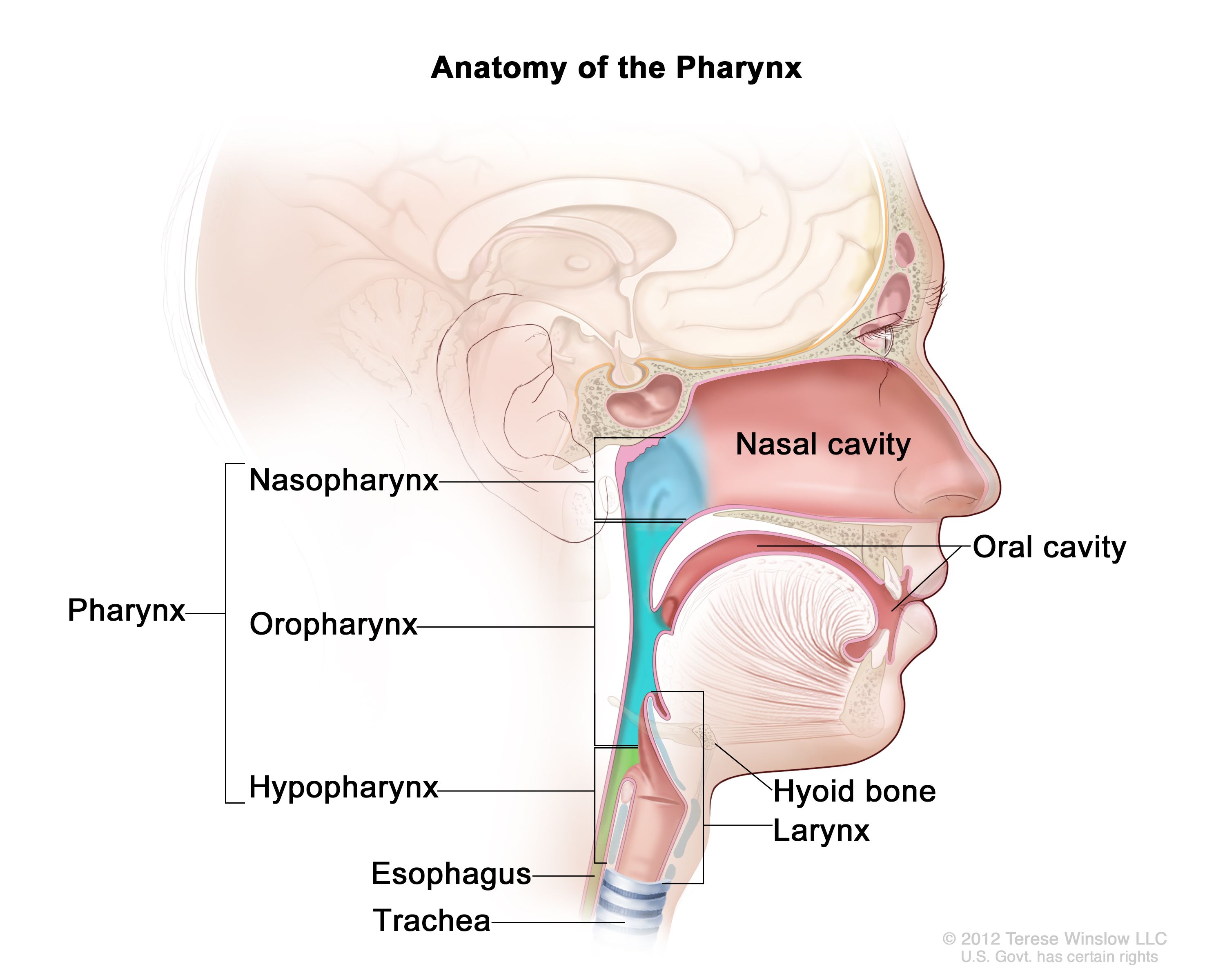
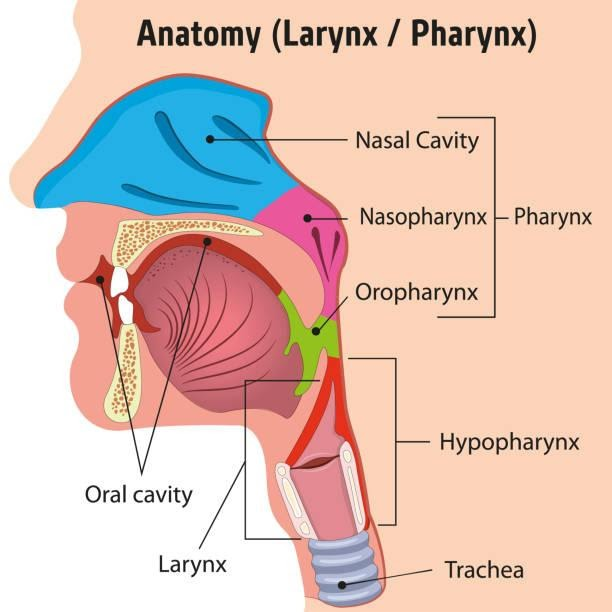
At its core, the pharynx serves several vital functions. It acts as a passageway for air from the nose and mouth to the larynx (voice box) and lungs, and for food and liquids from the mouth to the esophagus and stomach. It is crucial for speech articulation, facilitating the modulation of sound produced by the larynx. The pharynx is divided into three main sections: the nasopharynx (upper part, behind the nose), the oropharynx (middle part, behind the mouth), and the laryngopharynx (lower part, behind the larynx). Each section plays distinct roles, but their collective function is orchestrated with remarkable precision. Historically, understanding these intricate functions relied on direct observation and limited invasive procedures. Today, technology offers unprecedented, non-invasive insights and revolutionary therapeutic approaches.
Advanced Diagnostics: Peering Into the Pharynx with Cutting-Edge Tech
The journey to truly understand the pharynx’s structure and function has been dramatically accelerated by technological breakthroughs in medical imaging and computational analysis. These innovations allow medical professionals and researchers to visualize this complex region with unparalleled clarity, paving the way for earlier and more accurate diagnoses.
High-Resolution Imaging Techniques
Traditional X-rays offered rudimentary views, but modern imaging modalities have revolutionized our ability to ‘see’ inside the pharynx. Magnetic Resonance Imaging (MRI) provides detailed soft-tissue contrast, invaluable for visualizing tumors, inflammatory processes, and structural anomalies without ionizing radiation. Computed Tomography (CT) scans, on the other hand, excel in depicting bone structures and can rapidly capture cross-sectional images, crucial for assessing the extent of disease or trauma. Beyond these, advanced endoscopic technologies have transformed direct visualization. Flexible endoscopes, equipped with high-definition miniature cameras and fiber optics, can navigate the intricate pathways of the pharynx, transmitting real-time video to external monitors. Narrow Band Imaging (NBI) and autofluorescence endoscopy further enhance these views, highlighting subtle mucosal changes indicative of pre-cancerous lesions or early-stage cancers that might otherwise be missed. The digital nature of these images allows for post-processing, 3D reconstruction, and collaborative review by multidisciplinary teams, enhancing diagnostic precision.
AI-Powered Analysis and Early Detection
The sheer volume and complexity of data generated by advanced imaging techniques present a formidable challenge for human interpretation alone. This is where Artificial Intelligence (AI) and machine learning algorithms step in. AI tools are being developed and deployed to analyze imaging scans for subtle patterns and biomarkers associated with various pharyngeal conditions. For instance, AI can assist in the early detection of head and neck cancers by identifying minute textual changes or irregular growth patterns in tissue that might elude the human eye. In sleep medicine, AI analyzes polysomnography data, including pharyngeal airflow and vibration patterns, to accurately diagnose and classify sleep apnea severity, even predicting response to treatment. Furthermore, machine learning models are being trained on vast datasets of vocal recordings to detect early signs of neurological disorders or vocal cord pathologies affecting the pharynx, often before symptoms become apparent to the patient. This predictive and diagnostic capability of AI promises to transform early intervention and personalized treatment strategies.
Telemedicine and Remote Diagnostics
The digital revolution has also brought about significant changes in how healthcare is delivered, particularly impacting accessibility. Telemedicine platforms now enable specialists to conduct virtual consultations, review pharyngeal imaging studies, and monitor patients remotely. A patient in a rural area can have their endoscopic images uploaded to a secure cloud server, where a leading otolaryngologist hundreds or thousands of miles away can meticulously review them. This digital infrastructure facilitates second opinions, reduces the need for patient travel, and allows for continuous monitoring of chronic pharyngeal conditions. Remote speech-language pathology sessions, often involving biofeedback devices connected via digital networks, help patients with dysphagia (swallowing difficulties) to retrain their pharyngeal muscles under expert guidance, improving outcomes and quality of life. The seamless integration of digital records, secure communication channels, and remote monitoring devices makes comprehensive pharyngeal care more accessible and efficient than ever before.
Therapeutic Innovations: Robotics, Smart Devices, and Digital Interventions
Understanding the pharynx is one step; effectively treating its ailments is another, and here too, technology has ushered in an era of unprecedented precision and effectiveness. From surgical robots to intelligent rehabilitation tools, technological solutions are reshaping therapeutic approaches.
Robotic-Assisted Surgery (RAS) in Pharyngeal Procedures
The advent of robotic-assisted surgery (RAS), exemplified by systems like the da Vinci Surgical System, has revolutionized interventions in the complex anatomy of the pharynx. Transoral Robotic Surgery (TORS) allows surgeons to access hard-to-reach areas of the oropharynx and laryngopharynx with enhanced dexterity, magnification, and 3D visualization. For conditions such as tonsillar or base-of-tongue cancers, TORS enables minimally invasive resections, leading to less pain, faster recovery times, and reduced functional impairments compared to traditional open surgeries. The robotic arms can articulate in ways human hands cannot, navigating tight spaces with tremor-free precision, minimizing damage to surrounding healthy tissues and preserving vital structures essential for swallowing and speech. This technological leap has significantly improved patient outcomes, particularly in the challenging field of head and neck oncology.
Smart Devices for Pharyngeal Health
Beyond the operating theatre, smart devices are playing an increasingly crucial role in managing chronic pharyngeal conditions and supporting rehabilitation. For individuals suffering from sleep apnea, advanced Continuous Positive Airway Pressure (CPAP) machines integrate smart sensors that monitor breathing patterns, track usage, and adjust pressure settings dynamically throughout the night, with data synced to cloud platforms for physician review. Oral appliances designed to reposition the jaw and tongue during sleep are often custom-fitted using digital scanning and 3D printing technologies for optimal comfort and efficacy. For dysphagia patients, smart biofeedback devices provide real-time visual or auditory cues to help them strengthen and coordinate their pharyngeal muscles during swallowing exercises. These devices might use surface electromyography (sEMG) to measure muscle activity, providing immediate feedback that empowers patients to actively participate in their therapy and track their progress digitally.

Digital Therapeutics and Virtual Reality for Rehabilitation
The realm of digital therapeutics (DTx) and virtual reality (VR) is opening new avenues for pharyngeal rehabilitation. DTx involves software programs designed to prevent, manage, or treat a medical disorder or disease. For pharyngeal issues, this could include gamified apps that guide patients through specific swallowing exercises, providing objective data on performance and adherence. Virtual reality environments offer immersive, interactive experiences for rehabilitation. For example, VR simulations can recreate real-life eating scenarios, allowing dysphagia patients to practice swallowing strategies in a safe, controlled digital space. This helps them overcome anxiety and gradually adapt to eating different textures and consistencies. VR can also be used for pain management and distraction therapy during recovery from pharyngeal surgery, enhancing patient comfort and accelerating the healing process by leveraging the power of psychological engagement.
The Pharynx in Digital Communication and AI Voice Synthesis
The pharynx isn’t just a conduit for air and food; it’s a critical component of human vocalization. Its shape, musculature, and resonance properties profoundly influence the sounds we produce. Modern technology, particularly in the fields of speech science and AI, leverages this understanding to model, synthesize, and even diagnose based on pharyngeal acoustics.
Understanding Speech Production through Digital Models
Engineers, linguists, and computer scientists create sophisticated digital models of the human vocal tract, including the pharynx, to understand the intricate mechanics of speech production. These computational models simulate how air from the lungs passes through the larynx, vibrates the vocal cords, and then resonates and is shaped by the pharynx, oral cavity, and nasal cavity. By manipulating virtual parameters within these models—such as pharyngeal constriction, tongue position, or velopharyngeal closure—researchers can study how different sounds are formed. This fundamental research underpins advancements in automatic speech recognition (ASR) systems, allowing computers to accurately transcribe human speech, and in text-to-speech (TTS) synthesis, enabling machines to generate natural-sounding human voices. The precision with which these digital pharyngeal models can mimic human anatomy is crucial for creating highly realistic and intelligible synthetic speech.
AI and Voice Biometrics
Each individual’s pharyngeal structure, combined with other vocal tract characteristics, contributes to a unique “voiceprint.” AI and machine learning algorithms are incredibly adept at analyzing these subtle acoustic features. Voice biometrics systems utilize these unique voiceprints for security and authentication purposes, allowing individuals to access devices, accounts, or facilities simply by speaking. The technology identifies specific spectral and temporal patterns in a person’s voice that are influenced by their individual pharyngeal resonance characteristics. In forensic analysis, voice biometrics can help identify individuals from audio recordings, providing crucial evidence. As AI models become more sophisticated, they can even detect attempts at voice spoofing or mimicry by analyzing deeper acoustic nuances that are challenging to replicate.
Pharyngeal Health and AI-Driven Voice Diagnostics
Beyond identification and synthesis, AI is increasingly being used to diagnose medical conditions by analyzing changes in voice quality, which are often directly or indirectly linked to the health of the pharynx. Conditions affecting the pharynx, such as inflammation, masses, muscle weakness, or neurological impairments, can alter its shape, flexibility, and resonance properties, thereby changing the sound of a person’s voice. AI algorithms can detect these subtle changes in pitch, loudness, timbre, and articulation patterns that might indicate the presence of conditions like dysphonia (hoarseness), vocal cord paralysis, or even early-stage head and neck cancers. Researchers are developing AI applications that can screen for disease using smartphone voice recordings, offering a non-invasive, accessible, and cost-effective method for early detection and ongoing monitoring of pharyngeal-related health issues.
Future Frontiers: Emerging Tech and the Pharynx
The synergy between biology and technology is an ever-evolving field, and the future holds even more transformative potential for understanding and interacting with the pharynx.
Personalized Medicine and 3D Bioprinting
The concept of personalized medicine, where treatments are tailored to an individual’s unique genetic and anatomical profile, is being propelled by technological advancements. For the pharynx, this could mean using 3D imaging data to create highly accurate anatomical models for surgical planning, ensuring interventions are perfectly customized. Even more groundbreaking is the potential of 3D bioprinting. This technology holds promise for creating custom prosthetic implants for pharyngeal reconstruction following extensive surgery or trauma, precisely matching the patient’s anatomy. In the longer term, researchers envision bioprinting functional pharyngeal tissues or even entire organs using a patient’s own cells, minimizing rejection and restoring function with unprecedented fidelity.
Nanotechnology and Targeted Drug Delivery
Nanotechnology, the manipulation of matter on an atomic and molecular scale, offers a revolutionary approach to treating pharyngeal diseases. Nanoparticles can be engineered to carry drugs directly to specific diseased cells in the pharynx, such as cancerous tumors, minimizing systemic side effects and maximizing therapeutic efficacy. For example, nanoparticles loaded with chemotherapy agents or gene-editing tools could be precisely targeted to pharyngeal cancer cells, leaving healthy tissue untouched. Nanobots, still largely in the conceptual and early research stages, could potentially navigate the pharyngeal environment to deliver therapies, perform micro-surgeries, or even detect and destroy pathogens at a cellular level.
Advanced Sensor Integration and Biofeedback
The future of pharyngeal health management will likely see an increased integration of miniaturized sensors and advanced biofeedback systems. Imagine implantable or ingestible sensors that continuously monitor pharyngeal muscle activity, pH levels, or inflammation markers, transmitting data wirelessly to a patient’s smartphone or healthcare provider. This real-time, continuous monitoring could provide early warnings for conditions like aspiration (food or liquid entering the airway), detect silent reflux, or track the progress of healing post-surgery. Advanced biofeedback systems, potentially integrating augmented reality (AR) with real-time physiological data, could provide highly intuitive and engaging rehabilitation exercises, allowing patients to visualize and control their pharyngeal functions with unprecedented precision.
Conclusion
The question “what is the pharynx” transcends a mere anatomical definition in the modern era. It has evolved into a dynamic inquiry into how technology continually expands our understanding, diagnostic capabilities, and therapeutic interventions for this vital organ. From AI-driven insights into diagnostic images and voice patterns to robotic surgical precision and the promise of bioprinted tissues, technology has transformed the pharynx from a passively observed structure into an active participant in the digital health revolution. The ongoing synergy between biological science and technological innovation promises a future where pharyngeal health is managed with greater precision, accessibility, and personalization, ultimately enhancing the quality of life for countless individuals worldwide.
aViewFromTheCave is a participant in the Amazon Services LLC Associates Program, an affiliate advertising program designed to provide a means for sites to earn advertising fees by advertising and linking to Amazon.com. Amazon, the Amazon logo, AmazonSupply, and the AmazonSupply logo are trademarks of Amazon.com, Inc. or its affiliates. As an Amazon Associate we earn affiliate commissions from qualifying purchases.