
In the landscape of modern automotive engineering, the quest for efficiency, longevity, and peak performance is a continuous evolution of chemical and mechanical synergy. At the heart of this pursuit lies a sophisticated class of chemical compounds known as petrol additives. While the average consumer may view gasoline as a singular, uniform commodity, the reality is that the liquid fuel powering modern internal combustion engines (ICE) is a complex mixture of hydrocarbons supplemented by high-tech additive packages.
A petrol additive is a specialized chemical formulation integrated into fuel to enhance its properties, stabilize its composition, or provide cleaning and protective functions within the engine. These are not merely supplementary “boosters”; they are essential components of the modern energy ecosystem, designed to bridge the gap between crude fuel refining and the rigorous demands of high-tech powertrain systems.

The Science of Fuel Chemistry: Understanding Additive Formulations
To understand what a petrol additive is, one must first look at the molecular challenges inherent in fuel combustion. When petrol is refined from crude oil, it contains various impurities and chemical traits that can lead to inefficient burning or the accumulation of residue. Additives act as the “software” of the fuel, optimizing the physical “hardware” of the engine.
Detergents and Deposit Control Technology
The most critical category of petrol additives is Deposit Control Additives (DCAs). Modern engines utilize Gasoline Direct Injection (GDI) and high-pressure fuel systems that operate under extreme temperatures. Without detergents, carbon deposits—essentially charred fuel remains—begin to accumulate on fuel injectors, intake valves, and combustion chambers.
Technological advancements in detergents, such as Polyetheramine (PEA) and Polyisobuteneamine (PIBA), have revolutionized engine maintenance. These molecules are engineered with a “polar head” that attaches to carbon deposits and a “non-polar tail” that remains soluble in the fuel. As the fuel flows, these molecules chemically lift the carbon away and carry it into the combustion chamber to be safely burned and exhausted. This process ensures that fuel spray patterns remain precise, preventing “misfires” and maintaining the stoichiometric ratio required for peak efficiency.
Friction Modifiers and Lubricity Agents
In the drive toward higher fuel economy, manufacturers have moved toward low-viscosity engine oils. However, internal friction remains a primary thief of kinetic energy. Friction modifiers are additives designed to reduce the mechanical resistance between piston rings and cylinder walls. These chemicals create a microscopic sacrificial layer on metal surfaces, allowing components to glide with minimal heat generation. By reducing internal drag, these additives contribute to measurable gains in miles per gallon (MPG) and reduce the thermal stress on engine components.
Antioxidants and Metal Deactivators
Fuel is an organic substance that begins to degrade the moment it leaves the refinery. Oxidation occurs when fuel is exposed to air, leading to the formation of gums and varnishes that can clog fuel filters and pumps. Antioxidant additives interrupt the chain reaction of oxidation, extending the shelf life of the fuel. Furthermore, metal deactivators are used to neutralize the catalytic effect of trace metals like copper, which can accelerate fuel breakdown. This is particularly vital for vehicles that may sit idle for periods, ensuring the fuel remains chemically stable and ready for ignition.
Advanced Engineering: How Additives Interact with Modern Powertrains
The relationship between petrol additives and engine technology is symbiotic. As automotive manufacturers push the limits of compression ratios and turbocharging, the requirements for fuel chemistry become significantly more stringent.
Optimizing High-Pressure Direct Injection (GDI)
The shift from port fuel injection to direct injection has been one of the most significant technological leaps in the last two decades. In a GDI system, fuel is sprayed directly into the combustion chamber at pressures exceeding 2,000 PSI. This provides better cooling and more power, but it also exposes the fuel injectors to the intense heat of combustion.
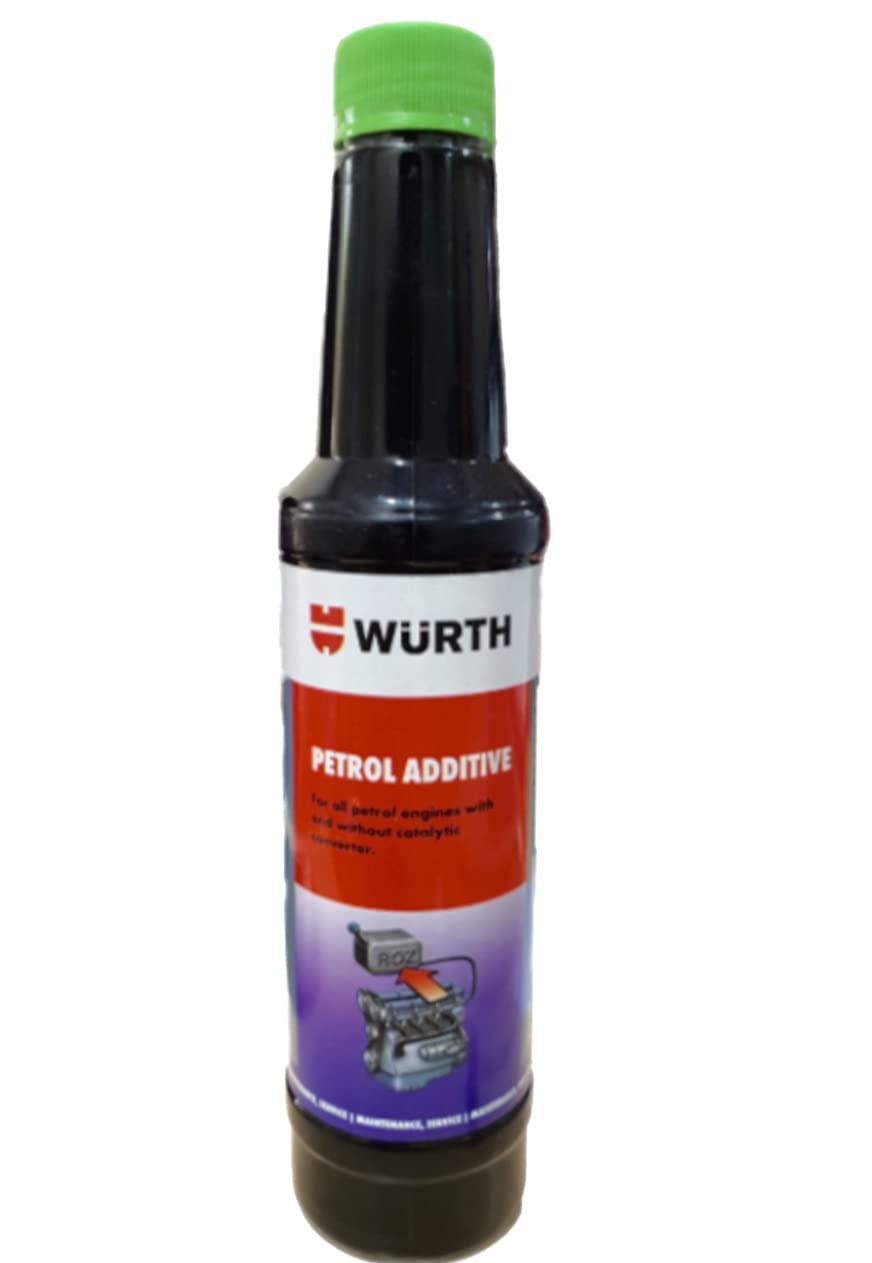
High-tech additives are designed specifically to survive these temperatures. If an injector tip becomes even slightly fouled with carbon, the atomization of fuel is disrupted. Instead of a fine mist, the injector may produce a solid stream, leading to “wall wetting” and incomplete combustion. Sophisticated additive packages ensure that these micro-apertures remain clear, allowing the engine’s digital management system to maintain perfect control over the combustion event.
Managing Turbocharged and Downsized Engines
Modern “downsized” engines use turbochargers to produce high power from small displacements. This creates a high-load environment where the risk of Low-Speed Pre-Ignition (LSPI) is prevalent. LSPI is a phenomenon where the fuel-air mixture ignites prematurely, potentially causing catastrophic engine damage. Tech-focused fuel additives work in tandem with specialized engine oils to mitigate these risks by altering the surface tension and chemistry of the oil-fuel droplets that can trigger these premature explosions.
The Role of Octane Boosters in High-Compression Performance
While “octane” is often misunderstood as a measure of energy content, it is actually a measure of a fuel’s resistance to detonation. Octane-improving additives, such as Methylcyclopentadienyl Manganese Tricarbonyl (MMT) or various ethers, allow engines to run at higher compression ratios without “knocking.” This technological lever enables engineers to extract more work from the same volume of fuel, directly linking chemical additives to the mechanical output of the vehicle.
Digital Integration and the Future of Smart Fuel Technology
The future of petrol additives is increasingly intertwined with the digital sensors and Electronic Control Units (ECUs) that govern modern vehicles. We are entering an era where fuel quality is no longer a static variable but a data point for the vehicle’s “brain.”
Sensor Feedback Loops and Adaptive Fuel Mapping
Modern vehicles are equipped with sophisticated knock sensors and oxygen sensors that provide real-time feedback to the ECU. When a high-quality additive package is present, the engine detects a cleaner, more stable combustion. The ECU can then “advance” the ignition timing—sparking the fuel earlier—to capture more energy.
Conversely, when using low-quality fuel lacking these additives, the sensors detect “pinging” or inefficient combustion, and the ECU “retards” the timing to protect the engine. This technological safeguard highlights why additives are essential: they provide the chemical headroom necessary for the vehicle’s digital systems to operate in their most efficient performance maps.
The Shift Toward Sustainable and Bio-Based Additive Tech
As the global tech industry moves toward decarbonization, the chemistry of additives is also shifting. There is significant research into bio-derived additives that can provide the same cleaning and lubricating properties as synthetic chemicals but with a lower carbon footprint. This includes the development of additives that help stabilize ethanol-blended fuels (like E10 or E15), which are prone to phase separation and water absorption. These “stabilizer” technologies are crucial for making renewable fuel components compatible with existing engine infrastructure.
Evaluating Efficacy: Tech-Driven Performance Metrics
For the tech-savvy consumer or fleet manager, the value of a petrol additive must be backed by data. The efficacy of these chemicals is measured through rigorous testing protocols that simulate hundreds of thousands of miles of operation.
Laboratory Bench Testing vs. Real-World Telemetry
Before an additive reaches the consumer, it undergoes “no-harm” testing and “performance” testing. Using methodologies like the ASTM D6201 engine test, engineers measure exactly how many milligrams of deposit accumulate on intake valves over a set duration. In the digital age, this is supplemented by real-world telemetry. Large-scale fleet data can now track fuel consumption and maintenance intervals across thousands of vehicles, providing a statistical “heat map” of how specific additive formulations impact the Total Cost of Ownership (TCO).

The Impact on Long-Term Vehicle Longevity
The primary “gadget” in this equation is the engine itself. By maintaining the cleanliness of the fuel system, additives prevent the gradual degradation of performance that most drivers accept as “aging.” From a technical perspective, an engine using premium additive-treated fuel at 100,000 miles can exhibit the same compression and flow characteristics as a new engine. This longevity is a testament to the preventative maintenance capabilities of chemical engineering.
In conclusion, petrol additives represent the intersection of chemistry and mechanical engineering. They are the invisible technicians working at the molecular level to ensure that the hardware of the internal combustion engine can meet the high-efficiency demands of the modern world. As engine technology continues to advance, the “liquid tech” in our fuel tanks will remain a foundational element in the pursuit of automotive excellence.
aViewFromTheCave is a participant in the Amazon Services LLC Associates Program, an affiliate advertising program designed to provide a means for sites to earn advertising fees by advertising and linking to Amazon.com. Amazon, the Amazon logo, AmazonSupply, and the AmazonSupply logo are trademarks of Amazon.com, Inc. or its affiliates. As an Amazon Associate we earn affiliate commissions from qualifying purchases.