
In the modern industrial landscape, the intersection of human labor and hazardous environments is managed by a critical set of standards known as Permissible Exposure Limits (PELs). Traditionally, these limits were viewed through a purely regulatory or biological lens. However, as we move further into the era of Industry 4.0, the definition and management of PELs have shifted into the realm of high technology. Today, ensuring that a worker is not exposed to harmful levels of chemicals, noise, or radiation is no longer just a matter of following a handbook; it is a sophisticated technological challenge involving IoT sensors, AI-driven predictive analytics, and integrated software ecosystems.

Understanding Permissible Exposure Limits (PEL) in the Digital Age
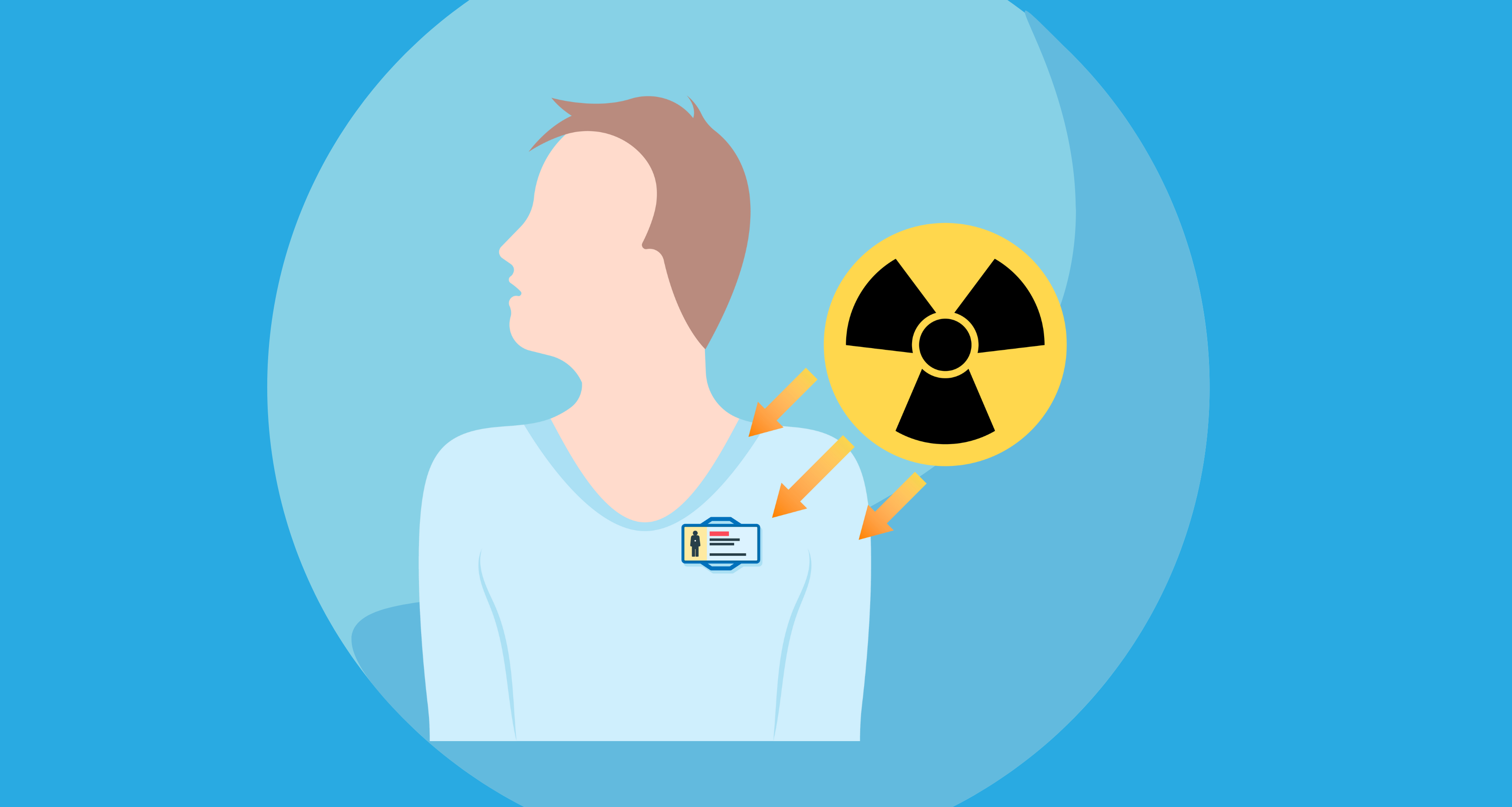
The concept of a Permissible Exposure Limit (PEL) originated as a legal standard established by organizations like OSHA (Occupational Safety and Health Administration) to protect workers against the health effects of exposure to hazardous substances. A PEL is typically based on an 8-hour time-weighted average (TWA), representing the maximum amount or concentration of a chemical or physical agent to which a worker may be exposed without experiencing adverse effects.
Defining the Standard through Data
While the fundamental definition remains anchored in safety regulation, technology has refined how we interpret these standards. In a tech-centric environment, a PEL is more than a number; it is a data threshold. In semiconductor manufacturing, biotechnology labs, and chemical processing plants, these thresholds are programmed into automated systems. The “limit” serves as a trigger point for digital protocols—automatic ventilation increases, machine shutdowns, or instant alerts sent to a supervisor’s mobile app.
From Paper Logs to Real-Time Data
Historically, monitoring PEL compliance was a reactive process involving manual air sampling and laboratory analysis that could take days to return results. This lag time meant that workers could potentially be over-exposed before the danger was even identified. The digital transformation has replaced these “lagging indicators” with “leading indicators.” Real-time data streaming allows companies to visualize exposure levels as they happen, shifting the paradigm from forensic reporting to proactive prevention.
IoT and Sensor Integration: Revolutionizing PEL Monitoring
The most significant technological leap in managing permissible exposure limits is the deployment of the Industrial Internet of Things (IIoT). By embedding sensors throughout a facility and on the workers themselves, companies can create a comprehensive digital “shield” that monitors the environment with millisecond precision.
Wearable Tech for Worker Protection
Smart wearables have moved beyond fitness tracking and into the industrial safety sector. Modern “connected workers” wear devices equipped with multi-gas sensors, noise dosimeters, and heat-stress monitors. These gadgets are designed to monitor the immediate micro-environment of the individual. For instance, if a technician enters a confined space where carbon monoxide levels approach the PEL, the wearable device provides haptic feedback (vibration), visual alerts, and simultaneously transmits a high-priority signal to a central monitoring dashboard. This localized tech ensures that the PEL is never just a theoretical limit but a tangible, guarded boundary.
Wireless Sensor Networks and Area Monitoring
Beyond wearables, the infrastructure of a smart factory includes a mesh network of stationary sensors. These devices monitor “ambient” exposure. Using low-power wide-area networks (LPWAN) or 5G connectivity, these sensors feed data into a centralized EHS (Environment, Health, and Safety) software platform. This allows for “heat mapping” of a facility, identifying zones where chemical concentrations might be pooling or where noise levels consistently hover near the PEL. By analyzing these digital maps, engineers can redesign ventilation systems or modify equipment layouts using data-driven insights rather than guesswork.
AI and Predictive Analytics in Exposure Management
The sheer volume of data generated by IoT sensors would be overwhelming for human supervisors to manage alone. This is where Artificial Intelligence (AI) and Machine Learning (ML) become indispensable tools for maintaining permissible exposure limits.
Machine Learning for Risk Forecasting
AI algorithms are exceptionally proficient at identifying patterns that the human eye might miss. By analyzing historical exposure data alongside variables like humidity, temperature, production speed, and equipment age, ML models can predict when a PEL is likely to be exceeded. For example, an AI system might notice that whenever a specific turbine runs at 90% capacity while the ambient temperature is above 85 degrees, the localized noise exposure exceeds the PEL. The system can then preemptively alert maintenance or automatically throttle the equipment to stay within safe digital parameters.
Automating Compliance Reporting
One of the most labor-intensive aspects of PEL management is the regulatory documentation required by law. Modern EHS software leverages AI to automate these tutorials and reports. Instead of a safety officer manually calculating time-weighted averages, the software aggregates data from all sensors, calculates the TWA for every employee automatically, and generates compliance reports in real-time. This ensures that the digital record of safety is always audit-ready, reducing the administrative burden and allowing safety professionals to focus on high-level strategy rather than data entry.
Digital Security and Data Privacy in Safety Monitoring
As we integrate more technology into the monitoring of human health and environmental limits, the conversation inevitably turns toward digital security. When a company tracks the exposure levels of its employees, it is collecting sensitive biometric and environmental data that must be protected.
Protecting Sensitive Health Data
The data collected to monitor PELs often borders on personal health information. If a wearable device tracks a worker’s heart rate to prevent heat exhaustion (a form of exposure limit), that data falls under various privacy regulations like GDPR or HIPAA. Modern safety tech platforms must employ robust encryption protocols—both in transit and at rest—to ensure that individual worker data is not compromised. Digital security in this context is not just about protecting corporate secrets; it is about protecting the digital identity and privacy of the workforce.
Cybersecurity in EHS Software Ecosystems
The hardware used to monitor PELs—the sensors and gateways—represents a series of “endpoints” in a corporate network. Each of these is a potential entry point for cyber threats. As industrial facilities become more connected, the cybersecurity of EHS tools becomes paramount. A breach could lead to “data spoofing,” where an attacker masks high exposure levels, leading workers into dangerous environments. Therefore, the implementation of PEL-monitoring tech must include rigorous firewall management, regular firmware updates, and multi-factor authentication for anyone accessing the safety dashboard.
The Future of PEL Compliance: AR and Integrated Management Systems
The trajectory of technology suggests that the way we interact with permissible exposure limits will become even more immersive and integrated. We are moving toward a future where safety is a seamless layer of the digital workspace.
Augmented Reality (AR) Training and Visualization
Augmented Reality (AR) is beginning to play a role in how workers understand PELs. Using AR headsets or mobile device overlays, workers can “see” invisible hazards. Imagine a technician looking at a chemical tank through an AR lens and seeing a digital overlay of the current vapor concentration levels relative to the PEL. This visual representation of data makes the abstract concept of an “exposure limit” immediate and understandable, drastically improving situational awareness and safety training.

Scaling Safety Infrastructure through Cloud Solutions
Finally, the transition to cloud-based EHS management systems allows companies to scale their safety protocols across multiple global sites instantly. When a regulatory body updates a PEL for a specific chemical, a global enterprise can update the threshold across its entire digital fleet with a single configuration change. This ensures “safety parity,” where a worker in a satellite facility receives the same tech-enabled protection as a worker at the corporate headquarters.
In conclusion, the Permissible Exposure Limit is no longer a static number in a dusty regulatory manual. It has evolved into a dynamic, tech-driven boundary that sits at the heart of the modern smart factory. By leveraging IoT for real-time monitoring, AI for predictive analytics, and robust digital security to protect the resulting data, organizations can move beyond mere compliance. They can create an environment where technology doesn’t just monitor the limit—it actively works to ensure that the limit is never reached, fostering a culture of safety that is as innovative as it is protective.
aViewFromTheCave is a participant in the Amazon Services LLC Associates Program, an affiliate advertising program designed to provide a means for sites to earn advertising fees by advertising and linking to Amazon.com. Amazon, the Amazon logo, AmazonSupply, and the AmazonSupply logo are trademarks of Amazon.com, Inc. or its affiliates. As an Amazon Associate we earn affiliate commissions from qualifying purchases.