
Perishable food, at its core, refers to food items that have a limited shelf life and will spoil, decay, or become unsafe to eat relatively quickly if not stored properly. While this definition seems straightforward, its implications for personal finances, business profitability, and even the global economy are anything but simple. From the weekly grocery bill to the intricate logistics of international food trade, understanding the nature of perishable food is crucial for making informed financial decisions, minimizing waste, and maximizing value. This article delves into the financial facets of perishable food, exploring its impact across various economic scales and offering insights into how better management can lead to significant monetary gains and savings.

The Financial Definition of Perishable Food
To truly grasp the financial ramifications of perishable food, we must look beyond its scientific definition and consider its economic impact. Perishability translates directly into financial risk, requiring careful planning, precise timing, and robust infrastructure to mitigate potential losses.
Beyond Shelf Life: A Cost Perspective
While “shelf life” is the most common measure of perishability, from a financial perspective, it represents the window during which an item retains its saleable or consumable value. Once this window closes, the item transitions from an asset to a liability. The costs associated with perishable food include:
-
Acquisition Cost: The initial price paid for the food item.
-
Storage Costs: Energy for refrigeration, specialized packaging, and climate-controlled environments. For businesses, this includes warehouse space, equipment maintenance, and labor.
-
Handling Costs: Labor for sorting, rotating stock, and quality control.
-
Waste Costs: The most significant financial drain. This includes the initial acquisition cost of spoiled food, the labor involved in its disposal, and the opportunity cost of what could have been sold or consumed. Food waste isn’t just a loss of the food itself; it’s a loss of all the resources (water, energy, labor, packaging, transportation) that went into producing and delivering it.
-
Logistical Costs: Rapid transportation and specialized vehicles required to move perishable goods before they spoil.
For consumers, these costs are often internalized as “spoiled groceries” that necessitate another shopping trip, effectively doubling the expense for the lost item. For businesses, the cumulative effect of these costs can be staggering, directly impacting profit margins.
The Spectrum of Perishability and Its Economic Impact
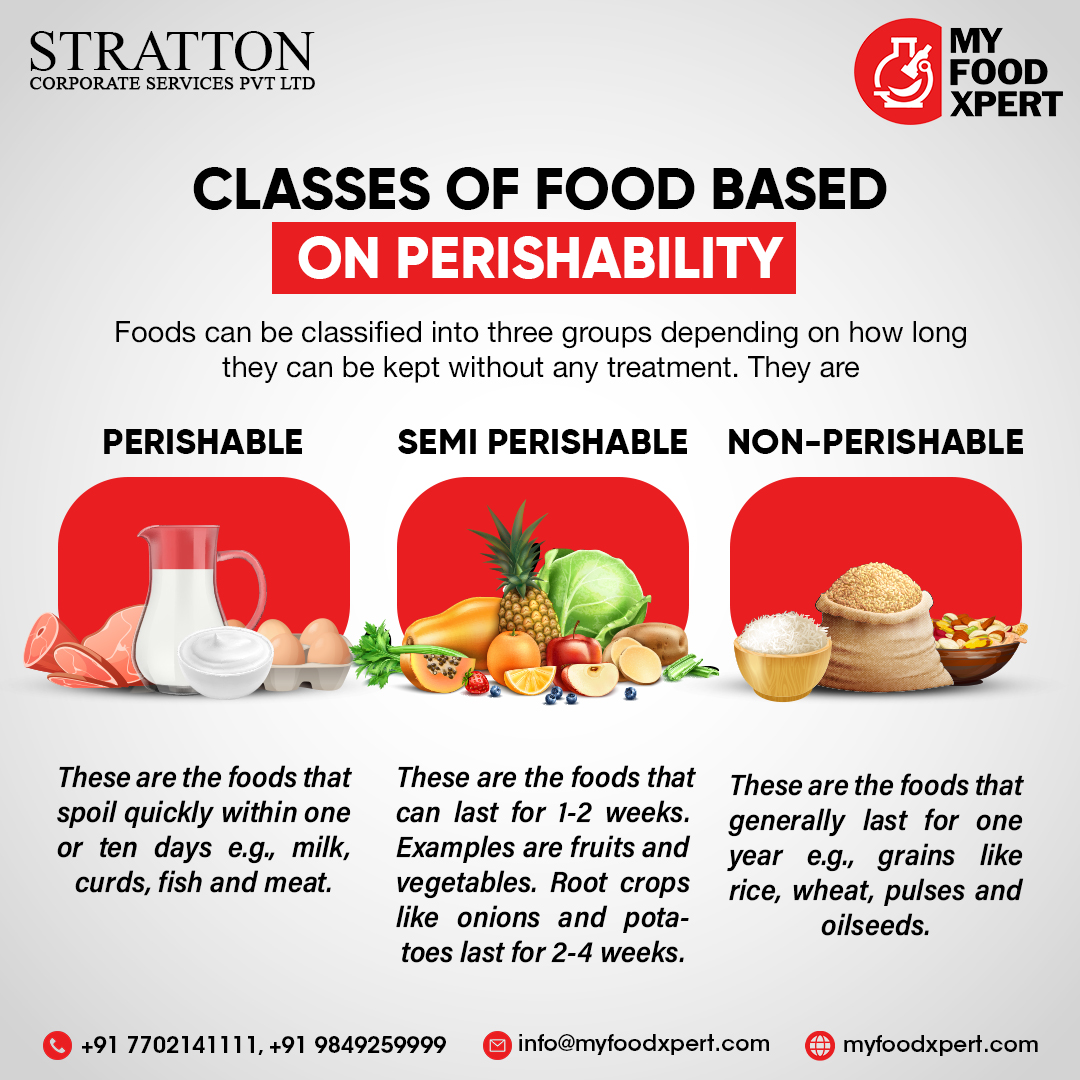
Perishable foods aren’t a monolithic category. They exist on a spectrum, with varying degrees of shelf life that dictate different financial strategies:
-
Highly Perishable: Items like fresh berries, leafy greens, cooked meals, unpasteurized dairy, and fresh fish. These have a very short window (days) and demand immediate consumption or processing. Financially, they represent high risk but can also yield high returns due to their freshness and perceived quality. Businesses dealing with these items require agile supply chains and robust cold chain management, often incurring higher operational costs. Consumers must plan to consume them quickly to avoid waste.
-
Moderately Perishable: Items like most fruits (apples, oranges), hard cheeses, and cured meats. These can last weeks to a few months under proper conditions. They offer more flexibility in inventory management for businesses and slightly more leeway for consumers, but still require attention.
-
Semi-Perishable: Items like potatoes, onions, root vegetables, and canned goods (once opened). These can last several months or even a year if stored correctly. While their initial shelf life is longer, their perishability increases once processed or opened. From a financial perspective, these items allow for larger bulk purchases and longer inventory holding times, potentially reducing per-unit costs.
Understanding this spectrum is vital for both households budgeting for groceries and businesses managing vast inventories. Mismanaging any category of perishable food leads directly to financial loss.
Perishable Food and Personal Finance: Mitigating Waste, Maximizing Savings
For the average household, perishable food represents a substantial portion of the grocery budget. The unfortunate reality is that a significant amount of this food often goes to waste, translating directly into lost money. By adopting smarter strategies, individuals can dramatically reduce waste and unlock substantial savings.
Smart Shopping Strategies for Perishable Goods
The journey to saving money on perishable food begins even before you leave for the store.
-
Shop with a Plan: Impulse buys, especially of perishable items, are a leading cause of waste. Create a detailed meal plan for the week and a corresponding shopping list. Stick to it.
-
Buy in Appropriate Quantities: Resist the urge to buy in bulk unless you are absolutely certain you can consume or preserve the entire quantity before it spoils. A “good deal” on a large pack of fresh chicken isn’t a deal if half of it ends up in the bin.
-
Check Dates and Quality Carefully: Always check “best by,” “sell by,” and “use by” dates. While “best by” and “sell by” dates are often about quality rather than safety, opting for fresher items gives you more time. Inspect produce for bruising, wilting, or mold. Prioritize quality to extend usability.
-
Consider Frozen Alternatives: For items you don’t use frequently or quickly, like certain vegetables or fruits for smoothies, frozen options can be more cost-effective as they eliminate spoilage risk until needed.
-
Leverage Sales Wisely: If a highly perishable item is on sale, buy only what you can realistically use or freeze immediately.
Effective Storage Techniques to Extend Food Life and Save Money
Proper storage is the frontline defense against food spoilage and financial loss. Simple changes can make a big difference.
-
Understand Temperature Zones: Refrigerators have different temperature zones. Store dairy and meats in the coldest parts, and produce in humidity-controlled crisper drawers.
-
Airtight Containers: Use airtight containers to protect leftovers and opened packages from air exposure, which accelerates spoilage.
-
Separate Ethylene-Producing Produce: Some fruits (like apples, bananas, tomatoes) release ethylene gas, which ripens other produce faster. Store them separately from sensitive items like leafy greens, broccoli, and carrots.
-
Freeze Strategically: Learn what foods can be frozen effectively (meats, breads, many fruits and vegetables, cooked meals). Portion them before freezing to facilitate easier thawing and usage, avoiding refreezing.
-
First-In, First-Out (FIFO): Practice this inventory management principle at home. When unpacking groceries, move older items to the front of your fridge and pantry, placing newer items behind them. This ensures older food is consumed first.
Meal Planning and Inventory Management: A Household Budgeting Essential
Integrating meal planning with an awareness of your current food inventory is perhaps the most powerful tool for minimizing financial waste.
-
Regular Inventory Checks: Before grocery shopping, take stock of what you already have, especially perishable items. Plan meals around ingredients that need to be used soon.
-
“Use It Up” Meals: Designate certain meals (e.g., “fridge clean-out omelets,” “everything-but-the-kitchen-sink stir-fry”) to incorporate ingredients nearing their end.
-
Portion Control: Cook only what you need to avoid excess leftovers that might spoil before being eaten. If cooking in larger batches, immediately portion and freeze extra servings.
-
Understand Expiration vs. Quality: Learn the difference between “best by” (quality), “sell by” (retailer’s guide), and “use by” (safety). Many foods are perfectly safe and delicious past their “best by” date. Trust your senses (smell, sight, texture) as a secondary guide.
By diligently applying these principles, households can significantly reduce their food waste, translating directly into hundreds or even thousands of dollars saved annually.
The Business of Perishable Goods: Navigating Costs and Opportunities
For businesses, particularly in the food industry, managing perishable goods is not just about avoiding waste; it’s about optimizing a complex system to ensure profitability. The stakes are much higher, with spoilage translating into millions in lost revenue and operational inefficiencies.
Supply Chain Challenges and Their Financial Weight
The journey of perishable food from farm to fork is a race against time, with financial implications at every step.
-
Cold Chain Management: Maintaining consistent temperature control from harvest to point of sale is critical. Breaks in the cold chain lead to rapid spoilage and necessitate costly write-offs. Investing in robust refrigeration, refrigerated transport, and temperature monitoring systems is a significant expense but a necessary one to preserve product value.
-
Logistics and Speed: Perishable goods demand rapid transportation. This often means higher freight costs due to specialized carriers, dedicated routes, and expedited shipping. Delays can be financially catastrophic.
-
Forecasting and Demand Planning: Accurately predicting consumer demand for perishable items is incredibly complex. Overstocking leads to spoilage and waste, while understocking leads to lost sales and customer dissatisfaction. Sophisticated data analytics and AI-driven forecasting tools are becoming essential investments.
-
Regulatory Compliance: Meeting stringent food safety standards, labeling requirements, and health regulations adds layers of cost in terms of testing, compliance officers, and potential fines for non-compliance.

Inventory Management for Profitability in the Food Industry
Effective inventory management is the bedrock of financial success for businesses dealing with perishables.
-
Just-In-Time (JIT) Inventory: While challenging with perishables, JIT principles aim to minimize holding costs by receiving goods only as they are needed. This reduces storage space requirements and the risk of spoilage, but demands highly reliable suppliers and logistics.
-
Advanced Inventory Tracking Systems: Using barcode scanning, RFID tags, and inventory management software allows businesses to track products in real-time, monitor expiration dates, and apply FIFO principles rigorously. This minimizes manual errors and ensures older stock is sold first.
-
Dynamic Pricing Strategies: For items nearing their “best by” date, businesses may employ dynamic pricing (discounts) to encourage quick sales rather than incurring a total loss from spoilage. This requires careful balance to avoid devaluing the product.
-
Collaboration with Suppliers: Strong relationships with suppliers can enable more flexible ordering, quicker deliveries, and better information sharing, all of which help manage perishable inventory more effectively.
Innovative Solutions for Reducing Spoilage and Boosting Bottom Lines
The industry is constantly innovating to mitigate the financial risks associated with perishables.
-
Smart Packaging: Modified atmosphere packaging (MAP), vacuum sealing, and edible coatings extend shelf life by controlling the environment around the food, reducing spoilage and waste.
-
Waste-to-Value Initiatives: Instead of discarding spoiled or excess food, businesses are exploring options like composting, anaerobic digestion for biogas, or donating to food banks. While some of these don’t directly recover the initial cost, they can reduce disposal fees, offer tax benefits, and enhance corporate social responsibility (CSR) image, which has indirect financial benefits.
-
Traceability Systems: Blockchain technology and advanced digital traceability systems enhance transparency throughout the supply chain, allowing for quick identification of issues and minimizing the scope of recalls, thereby reducing financial and reputational damage.
Perishable Food in the Gig Economy: Unlocking New Income Streams
The rise of the gig economy has created numerous opportunities for individuals to earn income by engaging with perishable food, turning a potential liability into a profitable venture.
Food Delivery Services: A Market Built on Perishability
Platforms like Uber Eats, DoorDash, and Grubhub have revolutionized how consumers access meals, creating income streams for millions.
-
Drivers and Couriers: Individuals can earn money by delivering perishable prepared meals from restaurants to customers. The efficiency of the delivery, ensuring food arrives fresh and at the correct temperature, is directly tied to customer satisfaction and the driver’s earnings (tips, ratings).
-
Dark Kitchens/Virtual Restaurants: Entrepreneurs can launch food businesses from commercial kitchens without a storefront, relying entirely on delivery platforms. Managing ingredient freshness and preparing meals quickly are paramount to their financial success, as spoilage can directly erode narrow profit margins.
Home-Based Food Businesses: Managing Freshness for Financial Success
The internet and social media have made it easier than ever for individuals to turn home cooking or baking into a side hustle or full-time business.
-
Bakers, Caterers, and Meal Prep Services: Offering homemade perishable goods (cakes, pastries, meal prep kits, catering for small events) allows individuals to generate income from their culinary skills. Financial success hinges on precise ingredient management to prevent waste, efficient production to maximize output, and careful delivery/pickup logistics to ensure freshness.
-
Farmers’ Markets and Local Sales: Selling fresh produce, artisanal cheeses, or homemade jams at local markets provides direct income. Understanding the perishability of their specific products dictates pricing, selling strategies, and how much inventory to bring.
Reducing Food Waste for Profit: Upcycling and Repurposing Ventures
An emerging area of income generation involves tackling the food waste problem directly.
-
“Ugly” Produce Subscriptions: Services that collect cosmetically imperfect but perfectly edible produce from farms and deliver it to consumers for a discount. This creates income for the service provider, provides affordable food for consumers, and reduces farm waste.
-
Value-Added Products from Excess: Turning excess perishable ingredients into non-perishable or longer-lasting products. For example, making jams from overripe fruit, stocks from vegetable scraps, or dried fruit snacks. This extends the financial life of the raw ingredients.
-
Food Waste Apps: Platforms that connect consumers with restaurants or grocery stores offering discounted perishable food nearing its expiration date, preventing waste and generating revenue for businesses. Individuals can sometimes profit by acting as intermediaries or by offering delivery services for these platforms.
The Broader Economic Impact of Perishable Food Management
Beyond individual and business finances, the efficient management of perishable food has profound implications for national and global economies.
Food Security and Global Financial Stability
The ability to produce, distribute, and store perishable food efficiently is a cornerstone of food security. Inefficient systems lead to higher food prices, scarcity, and potential socio-economic instability, especially in developing nations. Investments in improved agricultural practices, better cold chain infrastructure, and waste reduction technologies contribute to more stable food supplies and, by extension, more stable economies. The financial burden of food insecurity on governments, through aid programs and health crises, is immense.
Investment Opportunities in Sustainable Food Systems
The challenges presented by perishable food also create significant investment opportunities.
-
Agri-Tech: Investments in vertical farming, hydroponics, precision agriculture, and sustainable farming practices that reduce spoilage and increase yields.
-
Food Preservation Technology: Funding for startups developing innovative packaging, natural preservatives, and advanced refrigeration technologies.
-
Logistics and Supply Chain Optimization: Investing in companies that offer cutting-edge cold chain logistics, AI-driven demand forecasting, and efficient transportation solutions.
-
Waste Valorization: Opportunities in businesses that process food waste into new products (e.g., bio-plastics, animal feed, energy) or facilitate redistribution.
These investments aim to create more resilient, efficient, and less wasteful food systems, leading to long-term financial returns and broader societal benefits.
Policy and Regulation: Shaping the Financial Landscape of Food
Government policies and regulations play a critical role in shaping the financial landscape of perishable food.
-
Food Safety Standards: Robust regulations protect consumers but also impose compliance costs on businesses. Striking a balance is crucial.
-
Subsidies and Incentives: Governments may offer subsidies for adopting sustainable farming practices, investing in cold chain infrastructure, or donating excess food, thereby influencing business financial decisions.
-
Date Labeling Standardization: Clearer, more consistent labeling laws (e.g., distinguishing “best by” from “use by”) can reduce consumer confusion and prevent premature disposal of edible food, leading to national savings from reduced waste.
-
Tariffs and Trade Agreements: International trade policies impact the cost and availability of imported perishable goods, affecting both consumer prices and the competitiveness of domestic industries.
In conclusion, “what is perishable food” is far more than a simple culinary definition; it is a critical lens through which to view a vast array of financial decisions and economic forces. From a household’s weekly budget to the complex financials of multinational food corporations, and from individual side hustles to global food security, the efficient management of perishable goods is intrinsically linked to monetary outcomes. By understanding the inherent financial risks and opportunities, we can cultivate habits and systems that lead to greater savings, enhanced profitability, and a more sustainable, financially resilient food future.
aViewFromTheCave is a participant in the Amazon Services LLC Associates Program, an affiliate advertising program designed to provide a means for sites to earn advertising fees by advertising and linking to Amazon.com. Amazon, the Amazon logo, AmazonSupply, and the AmazonSupply logo are trademarks of Amazon.com, Inc. or its affiliates. As an Amazon Associate we earn affiliate commissions from qualifying purchases.