
In a world driven by data and growth, understanding change is paramount. Whether you’re a seasoned investor, a small business owner, or simply managing your personal budget, recognizing and quantifying growth is a critical skill. This is precisely where the percentage increase calculator steps in – not merely as a mathematical tool, but as an indispensable financial instrument. It empowers individuals and organizations to measure progress, evaluate performance, and make informed decisions by transforming raw numbers into meaningful insights about expansion and development. Far from being a niche concept, understanding and utilizing this calculator is fundamental to navigating the complexities of modern finance.
The Fundamental Concept: Understanding Percentage Increase
At its core, a percentage increase calculator is designed to quantify the relative change between two values over time, expressing that change as a percentage of the initial value. This concept is foundational to financial analysis, providing a standardized way to compare growth across different scales and contexts.
Defining Percentage Increase: More Than Just Numbers
Percentage increase represents how much a value has grown in relation to its starting point. For instance, if your investment grew from $100 to $120, the absolute increase is $20. However, the percentage increase contextualizes this growth, telling you that your investment grew by 20%. This relative measure is crucial because a $20 increase on a $100 investment (20%) is far more significant than a $20 increase on a $1,000,000 investment (0.002%). It normalizes the growth, allowing for apples-to-apples comparisons regardless of the initial magnitude. It’s a measure of proportional growth, indicating the intensity of the change.
Why Percentage Increase Matters in Finance
The significance of percentage increase in the financial realm cannot be overstated. It is the language through which financial performance, market movements, and economic indicators are often communicated.
- Performance Evaluation: Investors use it to gauge portfolio returns, companies to assess revenue growth, and individuals to track salary raises or debt reduction progress.
- Trend Analysis: By observing percentage changes over time, one can identify upward or downward trends, predict future movements, and understand the cyclical nature of markets or business operations.
- Decision Making: Knowing the percentage increase in costs, prices, or profits directly influences strategic decisions regarding pricing, budgeting, and investment allocation.
- Inflation Adjustment: Understanding the percentage increase in the cost of living (inflation) is vital for maintaining purchasing power and planning for future expenses.
Without percentage increase, financial analysis would be a cumbersome task of comparing absolute figures that often lack context and comparability.
The Core Formula: A Quick Review
While calculators automate the process, understanding the underlying formula enhances one’s financial literacy. The formula for percentage increase is straightforward:
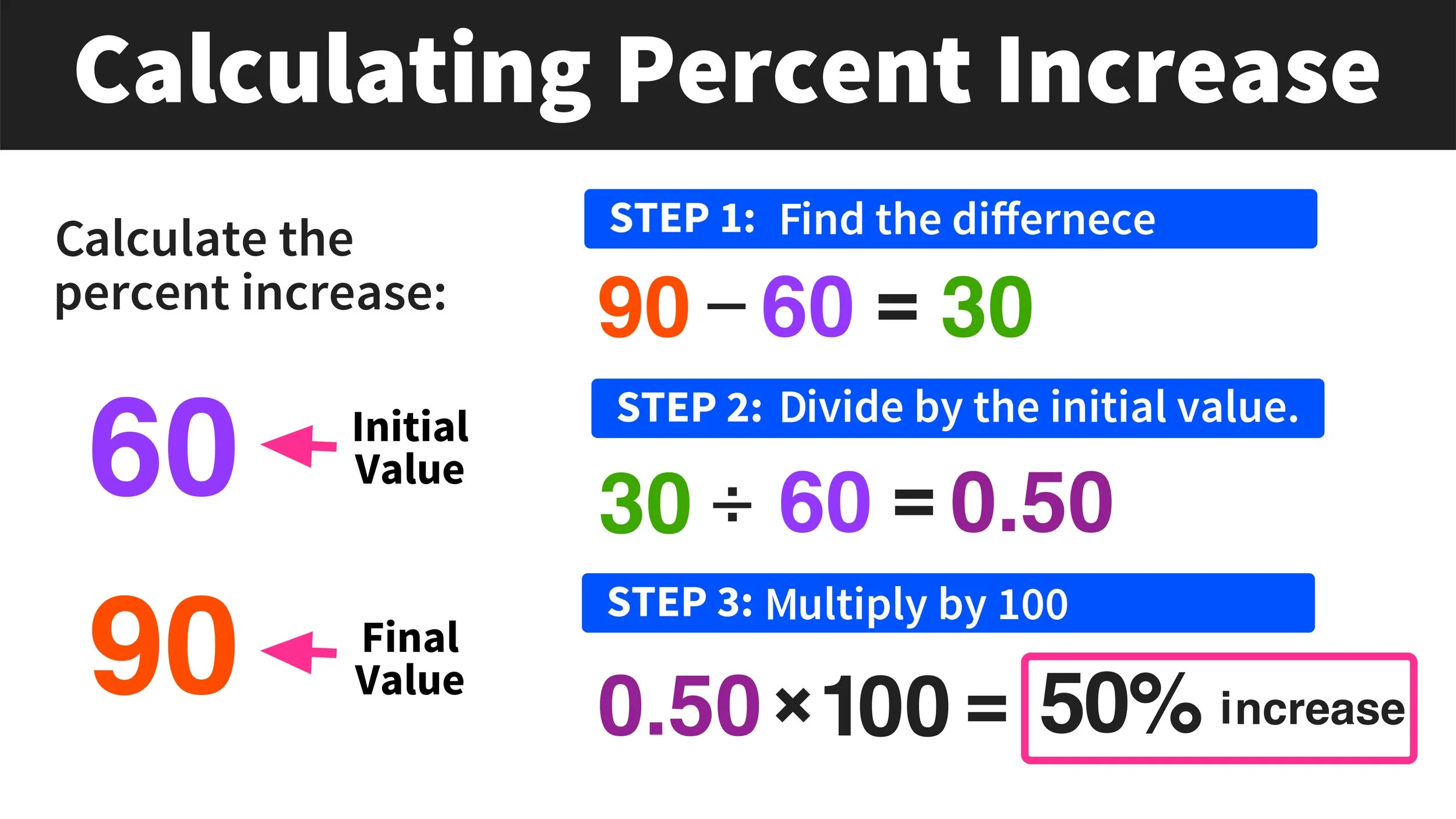
Percentage Increase = ((New Value – Original Value) / Original Value) × 100
Let’s break it down:
- Find the Difference: Subtract the original value from the new value to determine the absolute increase.
- Divide by the Original: Divide this difference by the original value. This step gives you the decimal representation of the increase relative to the starting point.
- Multiply by 100: Convert the decimal to a percentage by multiplying by 100.
This simple formula is the engine behind every percentage increase calculator, providing a transparent and universally accepted method for quantifying growth.
Dissecting the Percentage Increase Calculator: Functionality and Design
A percentage increase calculator, in its various forms, embodies simplicity in function but profound impact in application. It serves as a bridge, transforming raw data into actionable financial intelligence.
How the Calculator Simplifies Complexities
The primary benefit of a percentage increase calculator is its ability to instantly perform the necessary calculations, saving time and eliminating the potential for human error. For someone tracking multiple financial metrics – from stock performance to monthly expenditure fluctuations – manually calculating each percentage change can be tedious and prone to mistakes. The calculator streamlines this process, allowing users to focus on interpreting the results rather than crunching numbers. It democratizes complex calculations, making sophisticated financial analysis accessible to everyone, regardless of their mathematical proficiency. This simplicity fosters greater engagement with financial data, encouraging users to regularly monitor and understand their monetary changes.
Key Inputs and Outputs: What You Need to Know
Most percentage increase calculators are designed with intuitive interfaces, requiring only two fundamental inputs:
- Original Value (or Start Value): This is the baseline figure from which the growth is measured. It could be last year’s revenue, the initial investment amount, or last month’s expense.
- New Value (or End Value): This is the figure after the change has occurred, which you are comparing against the original value. It could be current revenue, the current investment value, or this month’s expense.
Once these two values are entered, the calculator instantly provides the output:
- Percentage Increase: The relative growth expressed as a percentage.
- Absolute Increase (optional): Many calculators also display the raw numerical difference between the new and original values, offering a complete picture of the change.
Understanding these inputs and outputs ensures you are feeding the calculator accurate data and correctly interpreting its results for your financial analysis.
Different Forms of the Calculator: Web, App, and Spreadsheet
The ubiquity of the percentage increase calculator is reflected in its diverse forms, catering to various user preferences and technological access:
- Web-Based Calculators: These are the most common and accessible, found on countless financial websites. They require no installation, are free to use, and are perfect for quick, on-the-spot calculations. Their convenience makes them a go-to for many individuals.
- Mobile Apps: Dedicated financial apps often incorporate percentage increase functionality. These offer the convenience of calculation on the go, often integrating with other financial tracking tools within the app ecosystem. They are ideal for managing personal finance or checking investment changes anytime, anywhere.
- Spreadsheet Functions (Excel/Google Sheets): For more complex financial models or ongoing tracking, spreadsheet software like Microsoft Excel or Google Sheets provides robust functionality. Users can input the formula directly (e.g.,
=(B2-A2)/A2) and apply it across numerous data points. This is particularly powerful for businesses or advanced personal finance users who need to automate calculations over large datasets and integrate them into broader financial models. - Dedicated Financial Software: High-end financial planning or business intelligence software often has built-in features for calculating percentage increases as part of their comprehensive analytical suites, providing advanced visualization and reporting capabilities.
Each form offers specific advantages, but all serve the same core purpose: to simplify and expedite the calculation of percentage growth.
Applications Across the Financial Landscape
The utility of a percentage increase calculator spans virtually every facet of finance, from individual budgeting to corporate strategy and investment decisions. It’s a versatile tool that provides clarity and insight into financial dynamics.
Personal Finance: Tracking Growth and Costs
For individuals, the percentage increase calculator is an invaluable aid in understanding and managing personal financial health.
Savings and Investments Growth
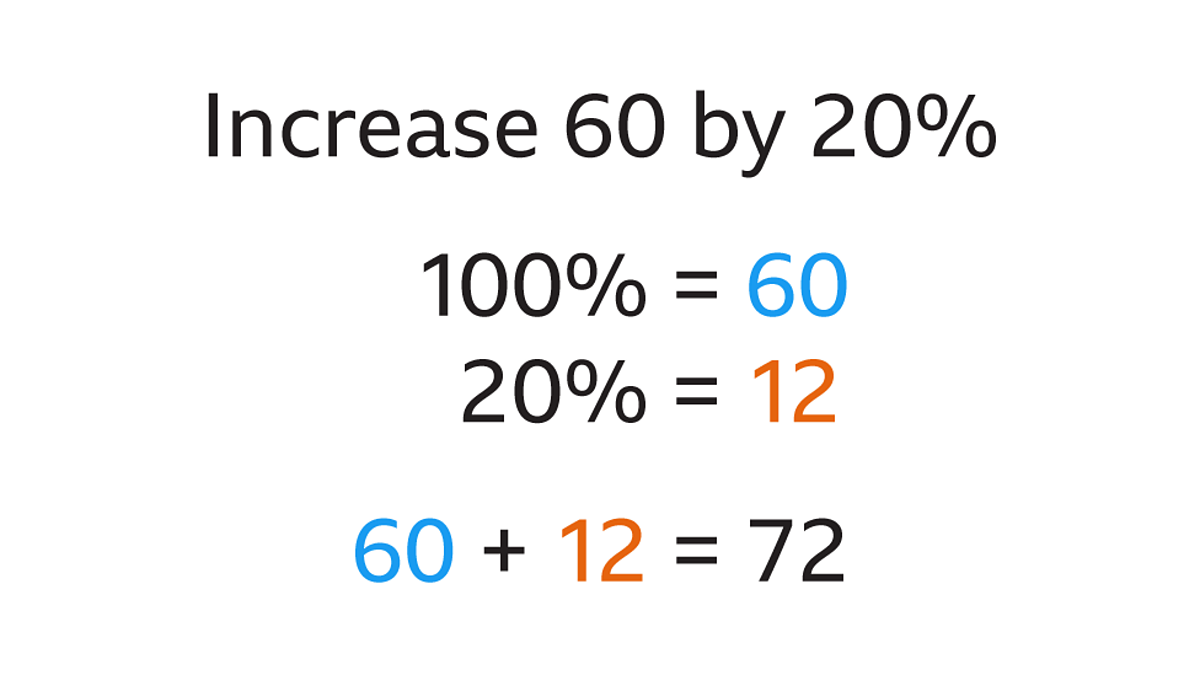
Monitoring the growth of savings accounts, retirement funds, or brokerage portfolios is crucial for achieving financial goals. A calculator quickly shows the percentage return on investments over specific periods, allowing you to assess performance and compare it against benchmarks or other opportunities. For instance, knowing that your mutual fund grew by 15% this year provides a clearer picture than just seeing a dollar amount, especially if you added more capital throughout the year.
Budgeting and Expense Increases
Inflation and lifestyle changes mean expenses rarely stay static. Calculating the percentage increase in housing costs, utility bills, or grocery spending helps you understand how your cost of living is evolving. This insight is vital for adjusting your budget proactively and ensuring you don’t overspend or fall behind your financial targets. Identifying a significant percentage increase in one category might prompt you to look for cost-saving alternatives.
Salary Negotiations and Raises
When discussing salary adjustments or evaluating job offers, understanding the percentage increase is key. A 5% raise on your current salary means a very different absolute amount than a 5% increase on a friend’s much higher or lower salary. This calculator helps you quantify the real impact of a raise and negotiate effectively, ensuring your compensation keeps pace with inflation and your professional growth.
Business Finance: Measuring Performance and Profitability
Businesses rely heavily on percentage increases to evaluate operational efficiency, market penetration, and overall financial health.
Revenue and Sales Growth Analysis
Tracking the percentage increase in revenue or sales from quarter to quarter or year over year is fundamental for assessing business performance. A consistent upward trend indicates healthy growth, while stagnation or decline alerts management to potential issues. This metric is also critical for setting future sales targets and forecasting.
Cost Management and Price Adjustments
Analyzing the percentage increase in operational costs (e.g., raw materials, labor, marketing expenses) is essential for maintaining profitability. If costs are increasing at a higher percentage rate than revenue, it’s a red flag. Similarly, when considering price adjustments for products or services, understanding the percentage increase required to cover rising costs or improve margins is a strategic necessity.
Profit Margin Evolution
Profit margins (gross and net) are key indicators of a business’s financial efficiency. Calculating the percentage increase or decrease in these margins over time reveals whether the business is becoming more or less profitable relative to its sales. This analysis can inform decisions on everything from production efficiency to pricing strategies.
Investing: Evaluating Returns and Market Movements
For investors, the percentage increase calculator is a daily tool for assessing the health of their portfolio and the broader market.
Stock Price Changes and Portfolio Performance
Tracking the percentage increase in stock prices, bond values, or cryptocurrency assets allows investors to quantify their gains or losses. It provides a standardized way to compare the performance of different assets within a portfolio or benchmark their portfolio against market indices (e.g., S&P 500). A stock’s 10% gain over a month tells a more complete story than just its dollar value increase.
Yield Increases and Dividend Growth
Investors focused on income often monitor the percentage increase in dividend payouts or bond yields. A consistent percentage growth in dividends can signal a healthy company, while increasing yields might indicate changing market conditions or perceived risk.
Inflation Impact
Understanding the percentage increase in inflation is crucial for preserving purchasing power. Investors need to ensure their portfolio returns (e.g., 7% percentage increase) exceed the rate of inflation (e.g., 3% percentage increase) to experience real growth in wealth. The calculator helps contextualize nominal returns against the eroding power of inflation.
Beyond the Basics: Advanced Insights and Strategic Use
While the calculation itself is simple, its strategic application yields profound insights that can shape financial decisions. Leveraging a percentage increase calculator effectively moves beyond mere computation to active financial intelligence.
Identifying Trends and Making Informed Decisions
The true power of percentage increase lies in its ability to reveal patterns over time. By calculating and comparing percentage changes across multiple periods, users can identify trends – consistent growth, cyclical fluctuations, or sudden shifts. For instance, noticing a consistent 10% month-over-month increase in online sales for a small business is a powerful trend. This understanding enables more accurate forecasting, allowing businesses to anticipate future demand or resource needs. For investors, identifying a consistent upward percentage trend in a stock’s price might signal a strong long-term investment, while a series of declining percentage increases in a company’s revenue could suggest impending challenges. These trends serve as critical inputs for making data-driven decisions, whether it’s scaling operations, rebalancing a portfolio, or adjusting personal spending habits.
Avoiding Common Pitfalls: Context is King
While the calculator provides objective numbers, interpretation requires context. A common pitfall is to look at percentage increases in isolation.
- Small Base Effect: A large percentage increase from a very small original value can be misleading. For example, growing from $10 to $20 is a 100% increase, but only an absolute $10 gain. This might not be as significant as a 10% increase from $1,000,000, which is an absolute $100,000 gain. Always consider the absolute values alongside the percentages.
- Time Period: The duration over which the increase is measured is critical. A 5% increase over one month is far more impactful than a 5% increase over a year. Ensure you are comparing percentage changes over equivalent timeframes.
- External Factors: Always consider external factors that might influence the change. A sudden spike in revenue might be due to a one-off event rather than sustainable growth. Similarly, a dip might be market-wide rather than company-specific.
Understanding the context surrounding the numbers prevents misinterpretation and ensures that financial decisions are grounded in a comprehensive understanding of the situation.
Integrating Percentage Increase Analysis into Your Financial Strategy
To maximize the benefits, integrate percentage increase analysis into your ongoing financial strategy:
- Set Percentage-Based Goals: Instead of vague goals, aim for specific percentage increases, e.g., “increase savings by 15% this year,” or “reduce operating costs by 5% next quarter.”
- Regular Review: Periodically review your financial metrics using percentage increase calculations. This could be weekly for day traders, monthly for budgeters, or quarterly for businesses.
- Scenario Planning: Use the calculator to model different scenarios. “What if sales increase by 12% instead of 8%?” or “What if my investment grows by 7% annually?” This helps in planning and contingency development.
- Benchmarking: Compare your percentage increases against industry averages, competitors, or personal benchmarks to gauge relative performance.
By embedding this analytical approach into your financial habits, you transition from reactive observation to proactive management and strategic foresight.
The Future of Financial Calculation Tools
The landscape of financial tools is constantly evolving, driven by technological advancements and the increasing demand for accessible, powerful insights. The percentage increase calculator, while fundamental, is also benefiting from these innovations.
AI and Automation in Percentage Analysis
Artificial intelligence (AI) and machine learning are revolutionizing how financial data is processed and analyzed. Future percentage increase calculators might integrate AI to:
- Predictive Analysis: Not just calculate past increases, but predict future percentage changes based on historical data and market trends.
- Anomaly Detection: Automatically flag unusually high or low percentage increases that might indicate errors or significant market shifts.
- Contextual Interpretation: Provide richer insights by automatically factoring in relevant economic indicators, industry news, or seasonal trends when presenting percentage changes.
This automation will free up even more time for strategic decision-making, shifting the focus from manual calculations to sophisticated data interpretation.
User-Friendly Interfaces and Accessibility
The trend towards intuitive, user-centric design will continue to enhance the accessibility of percentage increase calculators. Expect:
- Voice Commands: Interacting with calculators using natural language.
- Visualizations: Instant graphs and charts accompanying percentage changes, making trends immediately apparent.
- Seamless Integration: Calculators embedded within broader financial dashboards, accounting software, and personal finance apps, allowing for effortless data flow and analysis without switching between tools.
The goal is to make these powerful tools as simple to use as possible for everyone, regardless of their technical proficiency.

Empowering Financial Literacy
Ultimately, the evolution of financial calculation tools, including the percentage increase calculator, serves a larger purpose: empowering financial literacy. By making complex calculations simple and insights readily available, these tools help individuals and businesses better understand their financial health, make smarter decisions, and achieve their monetary goals. They act as educators, demystifying the world of numbers and fostering a greater sense of control and confidence in financial management.
In conclusion, the percentage increase calculator is far more than a simple arithmetic function; it is a vital lens through which financial growth and change are understood. From personal budgeting to intricate investment strategies and robust business analysis, its consistent application empowers individuals and organizations to navigate their financial journeys with clarity, precision, and strategic foresight. As financial landscapes continue to evolve, this essential tool will remain at the forefront, guiding decisions and illuminating the path to progress.
aViewFromTheCave is a participant in the Amazon Services LLC Associates Program, an affiliate advertising program designed to provide a means for sites to earn advertising fees by advertising and linking to Amazon.com. Amazon, the Amazon logo, AmazonSupply, and the AmazonSupply logo are trademarks of Amazon.com, Inc. or its affiliates. As an Amazon Associate we earn affiliate commissions from qualifying purchases.