
Peer-to-peer (P2P) lending has emerged as a transformative force in the financial landscape, fundamentally altering how individuals and businesses access capital and how investors seek returns. At its core, P2P lending is a method of debt financing that connects individual borrowers directly with individual lenders, bypassing traditional financial intermediaries like banks. This innovative model leverages online platforms to facilitate transactions, offering a decentralized and often more efficient alternative to conventional banking systems. For borrowers, it can mean quicker access to funds, potentially lower interest rates, and greater flexibility. For investors, it opens up new avenues for diversifying portfolios, generating passive income, and achieving potentially higher yields than traditional savings accounts or bonds. Understanding P2P lending is crucial for anyone looking to navigate the modern financial world, whether seeking capital for a personal project or a business venture, or looking for novel ways to grow their wealth.
The Mechanics of P2P Lending: How It Works
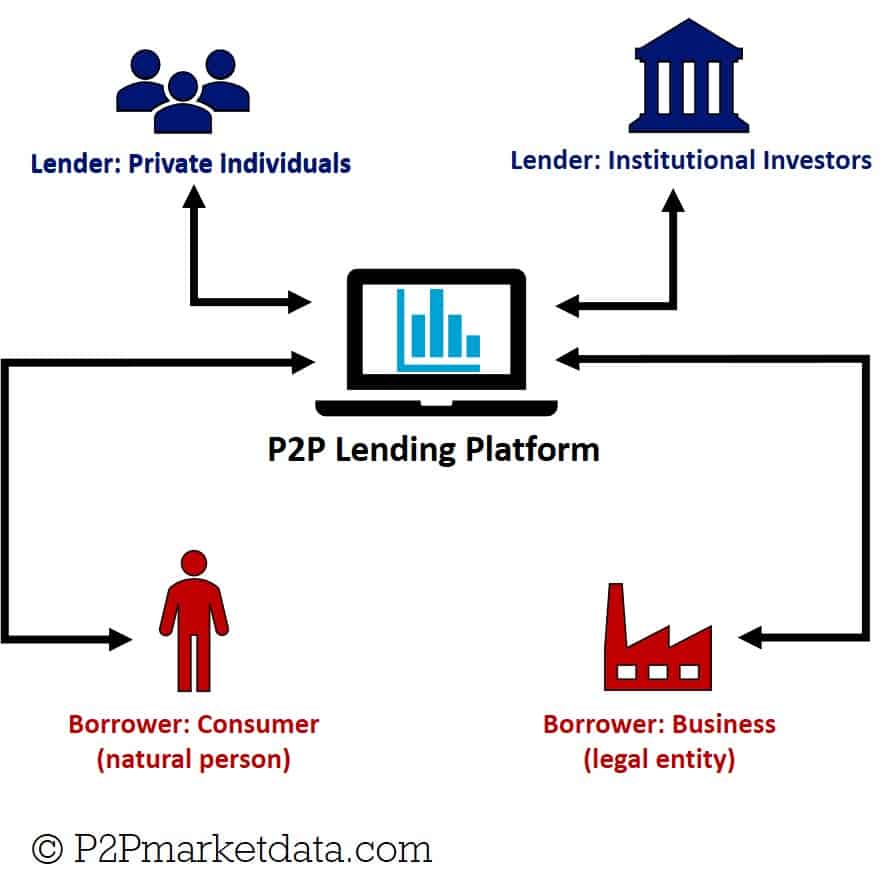
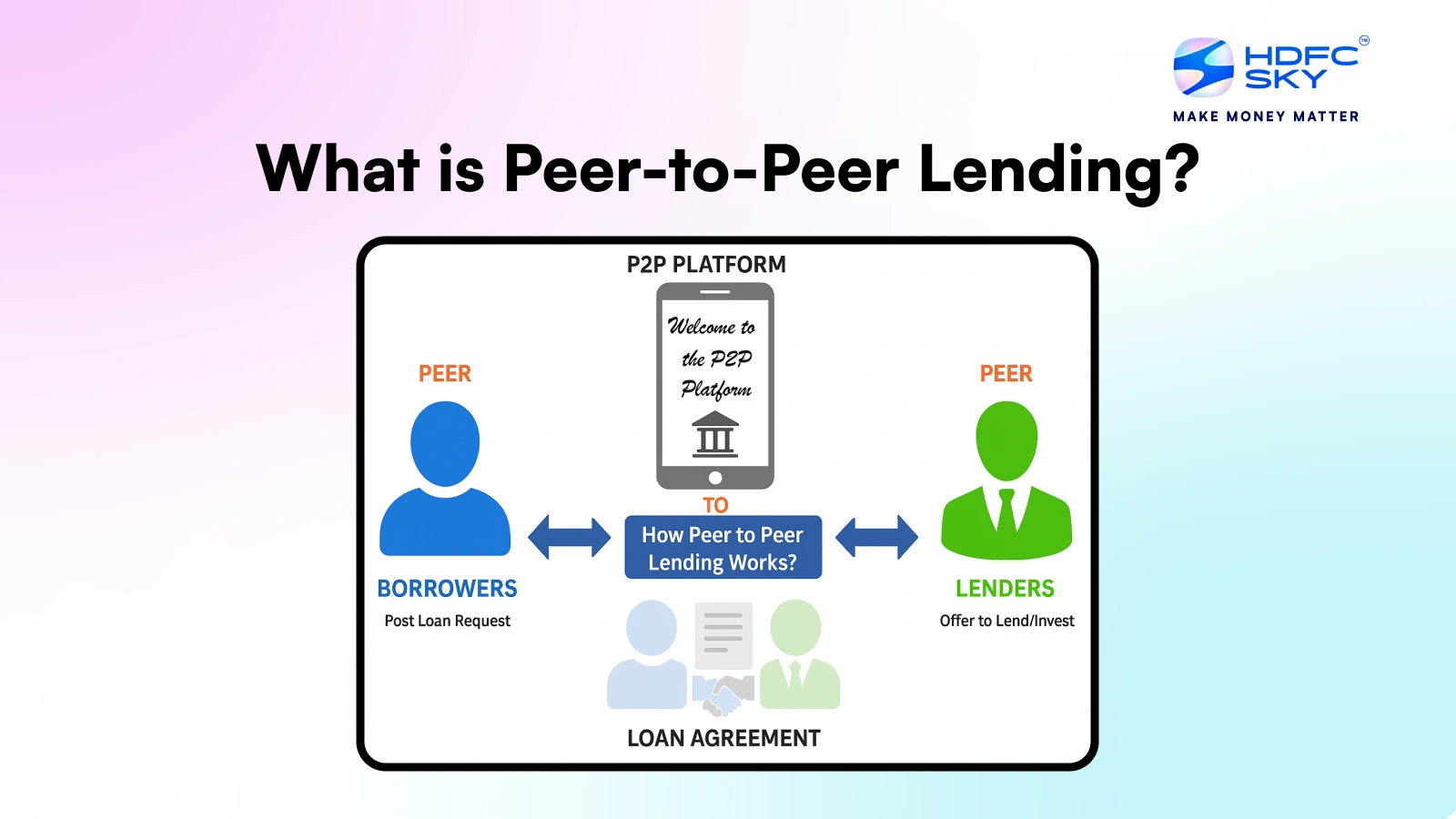
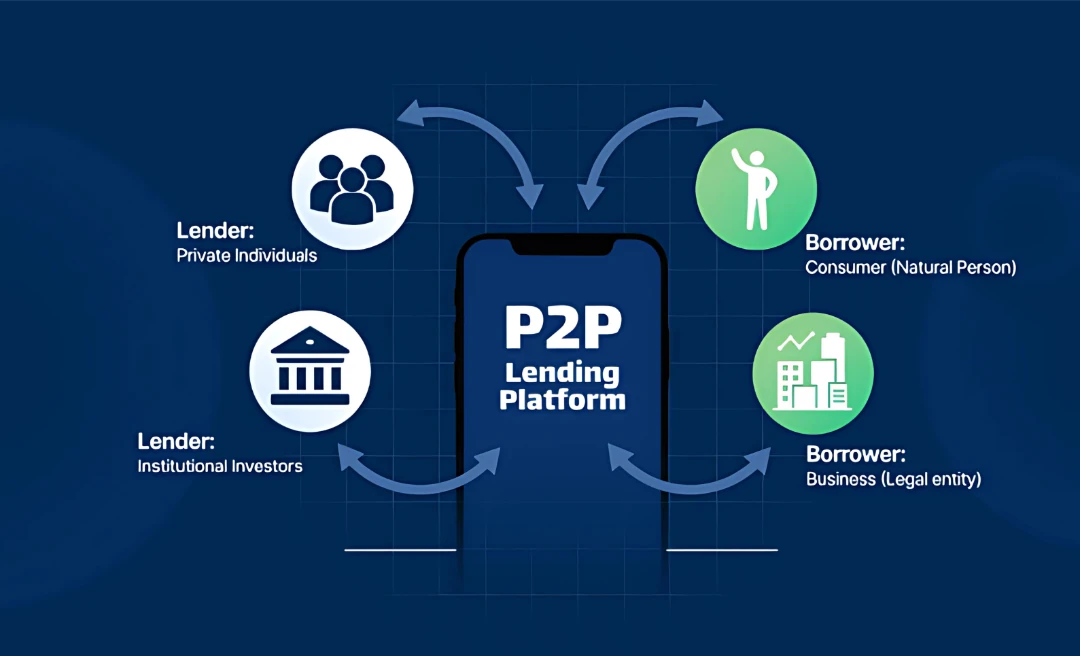
The operational framework of peer-to-peer lending is built upon a digital ecosystem designed to connect two distinct groups: those seeking funds and those willing to provide them. This system is orchestrated by online platforms that act as sophisticated matchmakers, facilitating the entire loan process from application to repayment.
Borrowing Through P2P Platforms
For individuals or businesses in need of capital, P2P platforms offer a streamlined alternative to conventional bank loans. The process typically begins with an online application where prospective borrowers provide personal and financial information, similar to a traditional loan application. This data is then used by the P2P platform to conduct a comprehensive credit assessment. Unlike banks, which often rely on rigid scoring models, many P2P platforms incorporate a broader range of data points—including employment history, income stability, and even alternative credit data—to create a more nuanced risk profile.
Based on this assessment, borrowers are assigned a risk grade, which in turn determines the interest rate offered. The types of loans available through P2P platforms are diverse, encompassing personal loans for debt consolidation, home improvements, or major purchases; small business loans for expansion, working capital, or equipment; and even specialized loans for niche sectors like real estate or green energy projects. The advantages for borrowers often include faster approval times, potentially lower interest rates (especially for those with good credit scores), and a more accessible application process, particularly for those underserved by traditional banking institutions. However, borrowers must also be aware of origination fees and other platform charges that can impact the overall cost of the loan.
Investing in P2P Loans
On the other side of the equation are the investors, who leverage P2P platforms to deploy capital and earn interest. Investors browse a marketplace of available loan requests, each detailing the borrower’s risk grade, the loan purpose, the interest rate, and the repayment term. Rather than funding an entire loan themselves, investors typically invest small amounts across numerous loans, a practice known as fractionalization. This allows for significant diversification, spreading risk across a wide pool of borrowers.
When a borrower makes a repayment, the principal and interest are distributed proportionally to the investors who funded that loan. This creates a steady stream of passive income. The potential returns for investors can be attractive, often exceeding those offered by traditional savings products or fixed-income investments. Furthermore, P2P lending offers a level of transparency not always found in other investment vehicles, as investors can often see detailed information about the underlying loans. Many investors are also drawn to the ‘impact investing’ aspect, knowing their money is directly helping individuals or small businesses achieve their financial goals. However, investors must carefully consider their risk tolerance, as defaults are a distinct possibility, and the capital invested is not typically FDIC insured.
The Role of P2P Platforms
The P2P platform is the central nervous system of this financial model. Its primary function is to connect borrowers and lenders, but its responsibilities extend far beyond simple matchmaking. Platforms perform rigorous underwriting and risk assessment on borrowers, employing proprietary algorithms and data analytics to assign credit scores and interest rates. This crucial step is designed to mitigate risk for investors while ensuring fair pricing for borrowers.
Once a loan is funded, the platform takes on the role of loan servicer. This includes collecting monthly payments from borrowers, distributing interest and principal repayments to investors, and handling any late payments or collection efforts. Many platforms also offer features like auto-invest, allowing investors to automatically allocate funds to new loans based on predefined criteria, and secondary markets, where investors can sell their loan parts to other investors for liquidity. Regulatory compliance and robust digital security measures are paramount for these platforms, as they handle sensitive financial data and are responsible for ensuring the integrity of transactions within their ecosystems. Their ability to innovate in credit assessment and deliver seamless user experiences is key to their success and the broader adoption of P2P lending.
Key Advantages and Disadvantages for Participants
Peer-to-peer lending, while offering a compelling alternative to traditional finance, comes with its own set of unique benefits and drawbacks for both borrowers and investors. Understanding these nuances is critical for making informed financial decisions.
Benefits for Borrowers
P2P lending often provides a lifeline for individuals and small businesses that may struggle to secure financing through conventional channels. One significant advantage is increased accessibility; platforms are often more willing to consider applicants with less-than-perfect credit histories or those who lack extensive credit data, which traditional banks typically require. This opens up capital access for underserved markets. Furthermore, the application process is generally streamlined and entirely online, leading to faster approval times and quicker disbursement of funds compared to the lengthy procedures of traditional banks. Borrowers can potentially secure lower interest rates if they have excellent credit, as P2P platforms often have lower overheads than brick-and-mortar banks, allowing them to pass on savings. Finally, P2P loans often come with more flexible terms and fixed interest rates, providing clarity on repayment schedules.
Benefits for Investors
For investors, P2P lending presents an attractive opportunity to achieve higher potential returns compared to traditional low-yield savings accounts, certificates of deposit (CDs), or even some bond investments. This higher yield is often a direct result of taking on slightly more risk (primarily default risk) than with government-backed securities. It also offers a valuable avenue for portfolio diversification, adding an asset class that is less correlated with stock market fluctuations. Investors can generate a consistent passive income stream from the monthly interest payments. Moreover, the transparency offered by most platforms allows investors to have greater control over their investment choices, scrutinizing individual loan profiles and making informed decisions based on their risk appetite. The ability to invest in fractional shares of many loans enables broad diversification with a relatively small starting capital.
Risks for Borrowers
While P2P lending offers numerous benefits, borrowers must also be aware of potential downsides. The interest rates, while potentially lower than some high-interest credit cards, can still be higher than traditional bank loans for borrowers with lower credit scores due to the perceived increased risk. There are often origination fees and other administrative charges that are deducted from the loan principal, meaning the borrower receives less than the approved amount and still pays interest on the full amount. P2P loans are typically unsecured, which means they carry higher interest rates than secured loans. Moreover, defaulting on a P2P loan can have a significant negative impact on a borrower’s credit score, just like any other loan default, potentially hindering future borrowing capabilities.
Risks for Investors
The primary risk for P2P investors is borrower default. There is no guarantee that borrowers will repay their loans, and unlike bank deposits, P2P investments are not typically insured by government agencies. This means investors could lose some or all of their principal if a borrower defaults. Another significant concern is liquidity risk; while some platforms offer secondary markets for selling loan parts, there’s no guarantee of finding a buyer quickly or at a favorable price, making the investment relatively illiquid until maturity. Platform risk is also a factor; if a P2P platform goes out of business, the process for recovering investments or managing existing loans can become complex and uncertain. Finally, changes in the regulatory environment or economic downturns can significantly impact loan performance and investor returns.
Navigating the P2P Landscape: Tips for Success
Participating in the peer-to-peer lending market, whether as a borrower or an investor, requires a strategic and informed approach. Success hinges on understanding the market dynamics, managing risks, and making judicious choices.
For Borrowers
To maximize the benefits of P2P lending, borrowers should proactively work to improve their credit score before applying. A higher credit score signals lower risk to platforms, often translating into more favorable interest rates and terms. It’s crucial to compare rates and terms across multiple platforms; different platforms have varying underwriting criteria and fee structures, so shopping around can yield significant savings. Always understand all fees involved, including origination fees, late payment penalties, and any other charges, to accurately calculate the total cost of the loan. Most importantly, borrow responsibly. Only take on debt that you are confident you can comfortably repay, and ensure the loan’s purpose aligns with your financial goals. Over-leveraging can lead to financial distress, regardless of the lending source.
For Investors
Successful P2P investing begins with robust diversification. Instead of putting all your capital into a few large loans, spread your investment across numerous small loan fractions. This strategy significantly reduces the impact of any single borrower default on your overall portfolio. It’s advisable to start small, investing a manageable amount initially to gain experience and understand the platform’s performance before committing larger sums. Thoroughly research any platform you consider, examining their underwriting models, historical default rates, fee structures, and regulatory compliance. Understand and manage your risk tolerance; invest only what you are prepared to lose. Reinvesting your earnings can lead to powerful compounding growth over time, accelerating your returns. Finally, remember to consider the tax implications of your P2P investment income, as interest earned is generally taxable.
The Evolution and Future of P2P Lending
Peer-to-peer lending has come a long way since its inception, evolving from a niche financial service into a significant player in the global credit market. Its future trajectory is shaped by ongoing technological advancements, an increasingly sophisticated regulatory environment, and shifting market dynamics.
Regulatory Environment and Investor Protection
Initially operating in a relatively unregulated space, P2P lending platforms have increasingly attracted the attention of financial regulators worldwide. Governments and financial authorities, such as the Securities and Exchange Commission (SEC) in the U.S. and the Financial Conduct Authority (FCA) in the UK, have implemented stricter rules to protect both borrowers and investors. These regulations often pertain to disclosure requirements, capital adequacy for platforms, and robust grievance redressal mechanisms. This heightened regulatory scrutiny aims to instill greater confidence in the P2P market, ensuring transparency and accountability. However, it also means platforms must invest heavily in compliance, which can sometimes lead to increased operational costs or influence product offerings. For investors, understanding the regulatory status of a platform is crucial for assessing its legitimacy and the extent of investor protection available.
Technological Advancements
The future of P2P lending is inextricably linked to technological innovation. Artificial intelligence (AI) and machine learning (ML) are poised to revolutionize credit scoring, moving beyond traditional FICO scores to analyze vast amounts of alternative data, potentially leading to more accurate risk assessments and even fairer interest rates. Blockchain technology offers the potential for enhanced transparency, security, and efficiency in loan origination and servicing, by creating immutable records of transactions and potentially enabling smart contracts for automated repayments. Furthermore, the integration of P2P lending with broader fintech ecosystems—such as payment apps, robo-advisors, and personal finance management tools—will likely make P2P investments and borrowing even more accessible and seamless for users. These technological leaps are expected to drive down costs, improve user experience, and expand the reach of P2P finance.
Market Trends and Outlook
The P2P lending market is projected to continue its robust growth, driven by increasing digital adoption, evolving consumer preferences for speed and convenience, and a continued demand for alternative financing solutions. We are likely to see increased specialization within the sector, with platforms focusing on specific niches such as green loans, student loans, or particular types of small business financing. There’s also a potential for greater convergence with traditional finance, as banks and other institutional investors increasingly recognize the value of P2P platforms for sourcing loans and diversifying their portfolios. However, the market’s resilience will be tested by economic cycles; downturns can lead to higher default rates, impacting investor returns and platform stability. The long-term outlook remains positive, with P2P lending poised to become an even more integral part of the global financial infrastructure, continually adapting to meet the dynamic needs of borrowers and investors alike.
Conclusion
Peer-to-peer lending represents a significant paradigm shift in how financial transactions are conducted, embodying the power of digital connectivity to democratize access to capital and investment opportunities. For borrowers, it offers a path to financing that can be more flexible, faster, and sometimes more affordable than traditional banks, particularly for those with unique financial profiles. For investors, it provides an engaging avenue for portfolio diversification and the pursuit of potentially higher returns, all while contributing directly to economic activity.
However, the advantages of P2P lending are balanced by inherent risks that demand careful consideration from all participants. Borrowers must commit to responsible repayment, understanding the full cost of their loans. Investors, in turn, must embrace diversification, conduct thorough due diligence, and maintain a clear understanding of their risk tolerance. As technology continues to evolve and regulatory frameworks mature, P2P lending is set to become an even more sophisticated and integrated component of the financial world. Its disruptive potential lies in its ability to foster a more efficient, inclusive, and transparent financial ecosystem. Engaging with P2P lending, whether as a borrower or an investor, requires an informed strategy, but for those who navigate it wisely, the rewards can be substantial, cementing its role as a vital tool in modern personal and business finance.
aViewFromTheCave is a participant in the Amazon Services LLC Associates Program, an affiliate advertising program designed to provide a means for sites to earn advertising fees by advertising and linking to Amazon.com. Amazon, the Amazon logo, AmazonSupply, and the AmazonSupply logo are trademarks of Amazon.com, Inc. or its affiliates. As an Amazon Associate we earn affiliate commissions from qualifying purchases.