
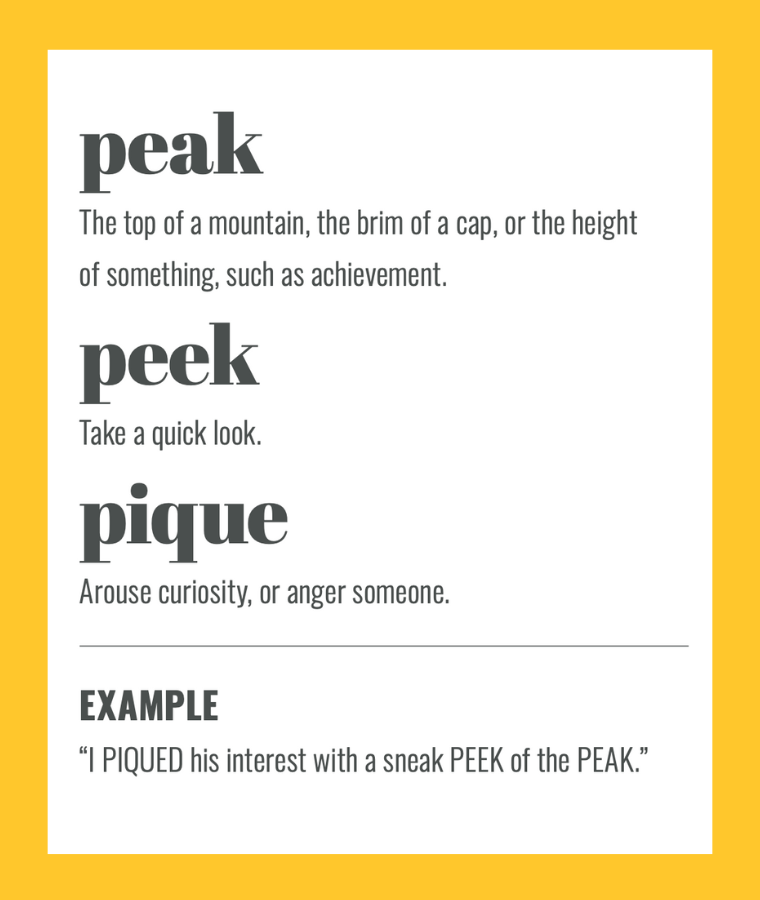
The term “peaked” holds profound significance in the financial world, evoking images of market tops, economic zeniths, and the culminating point of a growth cycle. Far from a mere academic concept, understanding what it means for something to have “peaked” is crucial for investors, businesses, and policymakers alike. It signifies the moment a trend, a market, an economic indicator, or even a company’s performance reaches its absolute highest point before inevitably beginning a descent. This peak is not always a sharp, dramatic event; it can be a plateau, a gradual topping-out, or a point of maximum acceleration before deceleration. Identifying a peak in real-time is notoriously challenging, often becoming clear only in hindsight. Yet, the pursuit of understanding these inflection points is central to sound financial strategy, risk management, and the prudent allocation of capital.
For investors, recognizing a market peak can be the difference between substantial gains and significant losses. For businesses, understanding an economic peak dictates strategic decisions regarding expansion, hiring, and inventory management. For policymakers, an awareness of economic peaks informs monetary and fiscal interventions aimed at stabilizing the economy. This article will delve into the multifaceted concept of “peaked” within the financial landscape, exploring its manifestations across economic cycles and asset markets, the psychological pitfalls it presents, and strategies for navigating these crucial turning points.
Understanding Economic Peaks: The Business Cycle Explained
The global economy moves in predictable, albeit irregular, patterns known as business cycles. These cycles are characterized by alternating periods of expansion and contraction, with a peak representing the transition from growth to slowdown. Recognizing where an economy stands within this cycle is fundamental to financial decision-making.
The Anatomy of a Business Cycle
A typical business cycle consists of four distinct phases:
-
Expansion: A period of economic growth, characterized by rising employment, increased consumer spending, business investment, and often, inflation.
-
Peak: The highest point of the expansion phase, where economic activity reaches its maximum. At this juncture, growth typically starts to decelerate, inflation may be a concern, and asset prices are often at their highest.
-
Contraction (Recession): A period of economic decline, marked by decreasing employment, reduced consumer spending, declining business profits, and often, falling asset prices. A severe and prolonged contraction is known as a depression.
-
Trough: The lowest point of the contraction phase, after which economic activity begins to recover, signaling the start of a new expansion.
The “peak” is a critical turning point. It’s not necessarily a disaster, but rather an indicator that the rate of growth is unsustainable or that underlying imbalances have accumulated, setting the stage for a reversal. Identifying this peak helps businesses prepare for leaner times and investors adjust their portfolios to defensive positions.
Key Economic Indicators Signaling a Peak
Forecasting an economic peak involves monitoring a complex array of macroeconomic indicators. While no single indicator provides a definitive signal, a confluence of several can suggest that an economy is approaching its zenith:
-
Inflation: Persistently high and accelerating inflation can signal an overheated economy, prompting central banks to raise interest rates, which often curtails growth.
-
Gross Domestic Product (GDP) Growth: A slowdown in the rate of GDP growth, even if still positive, can indicate the economy is losing momentum after a robust expansion.
-
Employment: While employment tends to be strong at a peak, a deceleration in job creation, an uptick in unemployment claims, or a decrease in average weekly hours worked can precede a contraction.
-
Interest Rates: Central banks typically raise interest rates as an economy strengthens to control inflation. Historically, an inverted yield curve (where short-term bond yields are higher than long-term yields) has been a reliable predictor of economic slowdowns and peaks.
-
Manufacturing Indices: Surveys like the Purchasing Managers’ Index (PMI) for manufacturing and services can show a decline in new orders, production, or employment, suggesting a peak in industrial activity.
-
Consumer Confidence: While often strong at a peak, a sudden drop in consumer confidence can signal a coming reduction in spending, a major driver of economic growth.
The interplay of these indicators provides a more holistic view, helping economists and investors gauge the proximity of an economic peak.
The Impact of Economic Peaks on Businesses and Consumers
For businesses, an economic peak often means that demand is at its strongest, but costs (labor, raw materials) might also be elevated. Management teams need to decide whether to continue aggressive expansion or to consolidate and prepare for a potential downturn. Over-leveraged companies or those with high fixed costs are particularly vulnerable if demand suddenly drops post-peak. Consumers, on the other hand, typically experience peak employment and wage growth leading up to an economic high point. However, if inflation erodes purchasing power, or if rising interest rates make borrowing more expensive, their financial comfort can quickly diminish. Post-peak, job insecurity and reduced disposable income become prevalent concerns, prompting a shift towards saving and away from discretionary spending.
Market Peaks: Identifying the Apex of Asset Bubbles and Bull Runs
Beyond the broader economy, individual financial markets—stocks, bonds, real estate, commodities—also experience peaks. These market peaks often coincide with or precede economic peaks, reflecting investor sentiment and expectations about future economic conditions and corporate earnings.
Characteristics of a Market Peak
Market peaks are distinct from economic peaks, though intertwined. They are characterized by a combination of factors that, in hindsight, seem obvious but are incredibly difficult to discern in the moment:
-
Valuation Extremes: Assets become expensive relative to their historical averages or underlying fundamentals (e.g., high price-to-earnings ratios for stocks, low rental yields for real estate).
-
Speculation and Euphoria: A widespread belief that prices will continue to rise indefinitely, often leading to speculative buying by novice investors, excessive leverage, and a focus on “story stocks” or “hot properties” rather than fundamentals.
-
Herd Mentality: Investors follow the crowd, fearful of missing out on gains, even if their own analysis suggests caution.
-
Narrow Market Leadership: Often, only a few large-cap stocks or sectors continue to drive the market higher, masking underlying weakness in the broader market.
-
Increasing Volatility: While markets might still be rising, there can be increased choppiness and more frequent, sharp corrections that are quickly bought up.
-
“Peak Sentiment”: Financial news becomes overwhelmingly positive, with stories of rapid wealth creation and dismissals of potential risks.
These characteristics often converge to create what is known as an asset bubble, which inevitably bursts after the peak.
Different Asset Classes and Their Peak Dynamics
The dynamics of peaking vary across different asset classes:
-
Stocks: A stock market peak is often associated with the end of a bull run. It can be marked by excessive valuations, retail investor frenzy, and a disconnect between stock prices and corporate earnings. Technology bubbles (like the dot-com bubble of 2000) and housing bubbles (like 2007) are classic examples where specific sectors or asset classes peaked dramatically.
-
Real Estate: Real estate peaks typically involve surging property values driven by speculative buying, loose lending standards, and the belief that “they aren’t making any more land.” Rental yields often compress, and homes become increasingly unaffordable relative to incomes.
-
Commodities: Commodity peaks (e.g., oil, gold, agricultural products) are often triggered by supply shocks, geopolitical tensions, or strong global demand, leading to price spikes that eventually become unsustainable as supply catches up or demand wanes.
-
Bonds: Bond market peaks are often seen as the trough in interest rates. When interest rates are at their lowest, bond prices are at their highest. A subsequent rise in rates (often to combat inflation or stimulate a slowing economy) causes bond prices to fall.
Understanding the specific drivers and indicators for each asset class is vital for astute portfolio management.
Technical vs. Fundamental Signals of a Market Peak
Investors use various analytical tools to identify potential market peaks:
-
Fundamental Analysis: Focuses on the intrinsic value of an asset. At a peak, fundamental analysts might observe that asset prices have become detached from underlying earnings, revenues, cash flow, or economic realities. High price-to-earnings (P/E) ratios, low dividend yields, and stagnant revenue growth are all fundamental red flags.
-
Technical Analysis: Studies price and volume patterns to forecast future movements. Technical indicators suggesting a peak might include divergence between price and momentum indicators (e.g., prices making new highs while the Relative Strength Index (RSI) makes lower highs), declining trading volume on upward moves, or key resistance levels holding firm. Chart patterns like “double tops” or “head and shoulders” formations are also classic technical signals of potential reversals from a peak.
A combination of both fundamental and technical analysis often provides the most robust framework for identifying potential peaks.
The Psychology of Peak: Investor Behavior at the Top
Perhaps the most challenging aspect of recognizing a peak is overcoming the powerful psychological forces that grip investors during periods of euphoria. Human nature often works against rational decision-making at these critical junctures.
Fear of Missing Out (FOMO) and Irrational Exuberance
As markets ascend towards a peak, the “Fear Of Missing Out” (FOMO) becomes a dominant psychological driver. Stories of friends, neighbors, or colleagues getting rich quickly fuel a pervasive sense that one must participate lest they be left behind. This often leads to a phenomenon termed “irrational exuberance” by former Federal Reserve Chairman Alan Greenspan. Investors, driven by emotion rather than logic, chase returns, buying assets at inflated prices based on the hope of further gains, rather than fundamental value. This herd mentality can push markets far beyond what rational analysis would dictate, making it incredibly difficult for individual investors to go against the prevailing tide.
The Challenge of Selling at the Peak
Everyone dreams of selling at the absolute top, but very few ever achieve it. The reasons are primarily psychological. Firstly, the fear of missing out on further gains is potent. As prices continue to tick higher, even cautious investors might second-guess their decision to sell. Secondly, there’s a strong desire for confirmation. Investors tend to seek out information that validates their bullish stance, dismissing any dissenting opinions or warning signs. Finally, the “endowment effect” plays a role, where individuals value assets they own more highly than if they did not own them, making it harder to part with them, even when prudence dictates. The reality is that a peak is a single point in time, and selling near the peak is a far more realistic and prudent goal.
Cognitive Biases Clouding Judgment
Several cognitive biases exacerbate the difficulty of identifying and acting on market peaks:
-
Confirmation Bias: Seeking out and interpreting information in a way that confirms existing beliefs, ignoring contradictory evidence.
-
Hindsight Bias: Believing, after an event has occurred, that one “knew it all along,” which can lead to overconfidence in future predictions.
-
Anchoring Bias: Over-relying on the first piece of information encountered (e.g., a stock’s historical high) and failing to adjust sufficiently for new information.
-
Availability Heuristic: Overestimating the likelihood of events based on their availability in memory (e.g., vividly remembering recent market gains, thus downplaying risks).
Awareness of these biases is the first step towards mitigating their impact on investment decisions, especially when markets are at their most ebullient.
Strategies for Navigating Peaked Markets and Economies
While pinpointing the exact peak is an elusive goal, adopting a disciplined and informed approach can significantly enhance financial resilience and protect wealth when markets or economies are approaching their zenith.
Diversification and Risk Management
The cornerstone of prudent investing, diversification becomes even more critical as markets mature and approach potential peaks. Spreading investments across different asset classes (stocks, bonds, real estate, commodities), geographies, and sectors can help cushion the blow if one particular area begins to decline. Risk management involves not only diversification but also regularly rebalancing one’s portfolio to maintain a desired asset allocation and reviewing risk exposure, especially to volatile assets. Reducing leverage and having a clear understanding of one’s risk tolerance are also paramount.
Valuing Assets Prudently: A Focus on Fundamentals
As markets near their peaks, a return to fundamental analysis becomes invaluable. Instead of chasing momentum, investors should focus on the intrinsic value of assets. This means scrutinizing company earnings, revenue growth, debt levels, competitive advantages, and management quality for stocks. For real estate, it involves looking at rental yields, cap rates, and affordability ratios. The discipline of buying assets for less than their fundamental value, and being willing to sell when they become significantly overvalued, is a powerful antidote to market euphoria.
The Role of Cash and Defensive Assets
Increasing cash reserves or shifting towards more defensive assets can be a wise strategy as signs of a market or economic peak emerge. Cash provides liquidity and optionality, allowing investors to capitalize on opportunities when asset prices inevitably fall. Defensive assets, such as high-quality government bonds, utilities, consumer staples, and dividend-paying stocks, tend to be less volatile during downturns, providing a relative safe haven. While these assets may underperform during bull markets, their protective qualities become invaluable during market corrections or recessions.
Long-Term Perspective vs. Market Timing
Finally, perhaps the most critical strategy is to maintain a long-term investment perspective and resist the temptation of precise market timing. While it’s tempting to try and sell at the peak and buy at the trough, consistently achieving this is nearly impossible. Instead, a long-term strategy focuses on compounding returns over decades, weathering various market cycles. This approach emphasizes time in the market over timing the market. For those who are nearing retirement or have shorter time horizons, a more conservative allocation might be appropriate to protect capital from an imminent downturn, but for most, staying invested through cycles, with periodic adjustments, yields superior results.

Conclusion
Understanding “what is peaked” is a central challenge in the financial world. Whether it refers to an economic cycle, a specific market, or an asset’s valuation, recognizing these zeniths is not about predicting the future with certainty, but about making informed, risk-aware decisions. Economic and market peaks are natural, inevitable components of dynamic financial systems, driven by a complex interplay of fundamentals, policy, and human psychology.
While the allure of “selling at the top” is strong, a more practical and effective approach involves a deep understanding of economic indicators, rigorous fundamental analysis, disciplined risk management through diversification, and a steadfast commitment to a long-term investment strategy. By acknowledging the cyclical nature of finance and guarding against the psychological pitfalls of euphoria, investors and businesses can navigate the often-turbulent waters beyond the peak, positioning themselves for resilience and renewed growth in the cycles that inevitably follow. The wisdom lies not in pinpointing the exact moment of decline, but in being prepared for its eventual arrival.
aViewFromTheCave is a participant in the Amazon Services LLC Associates Program, an affiliate advertising program designed to provide a means for sites to earn advertising fees by advertising and linking to Amazon.com. Amazon, the Amazon logo, AmazonSupply, and the AmazonSupply logo are trademarks of Amazon.com, Inc. or its affiliates. As an Amazon Associate we earn affiliate commissions from qualifying purchases.