
In the world of economics and personal finance, time is more than just a chronological measurement; it is a variable commodity. The concept of “peak hours” represents those specific intervals during the day when demand for a service or resource reaches its highest point. Whether it pertains to the electricity powering a home, the surge pricing of a ride-sharing app, or the volatile liquidity of the global stock market, peak hours dictate the flow of capital. Understanding the mechanics of these periods is essential for anyone looking to reduce overhead costs, maximize side-hustle earnings, or navigate the complexities of financial trading.
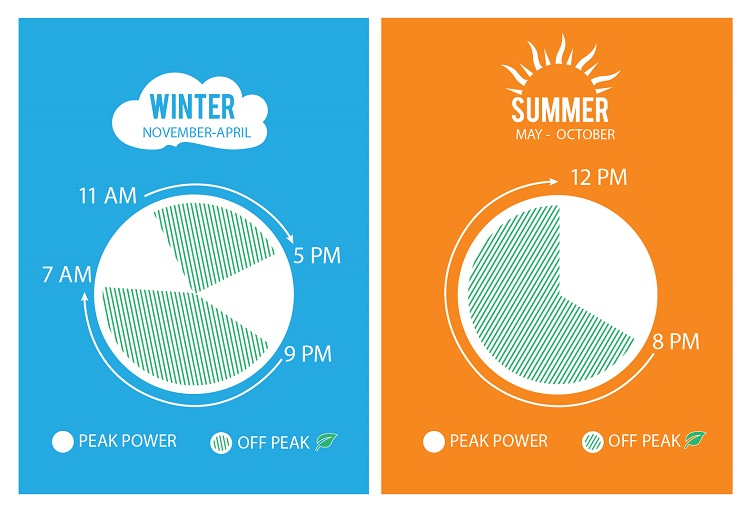
Peak hours are fundamentally a manifestation of the law of supply and demand. When demand outstrips supply during concentrated timeframes, prices inevitably rise. For the savvy consumer and the strategic professional, these fluctuations are not merely inconveniences—they are opportunities for financial optimization. By analyzing how peak hours function across different sectors of the economy, individuals can shift their behavior to capitalize on lower costs during “off-peak” times or target higher revenue when the market is at its most active.
Optimizing Household Expenses: Mastering Utility Peak Hours
One of the most direct ways peak hours impact personal finance is through utility billing, specifically electricity. Many utility providers have transitioned to “Time-of-Use” (TOU) pricing models. Unlike flat-rate billing, where a kilowatt-hour costs the same regardless of when it is consumed, TOU rates fluctuate based on the total load on the power grid.
Understanding Time-of-Use (TOU) Rates
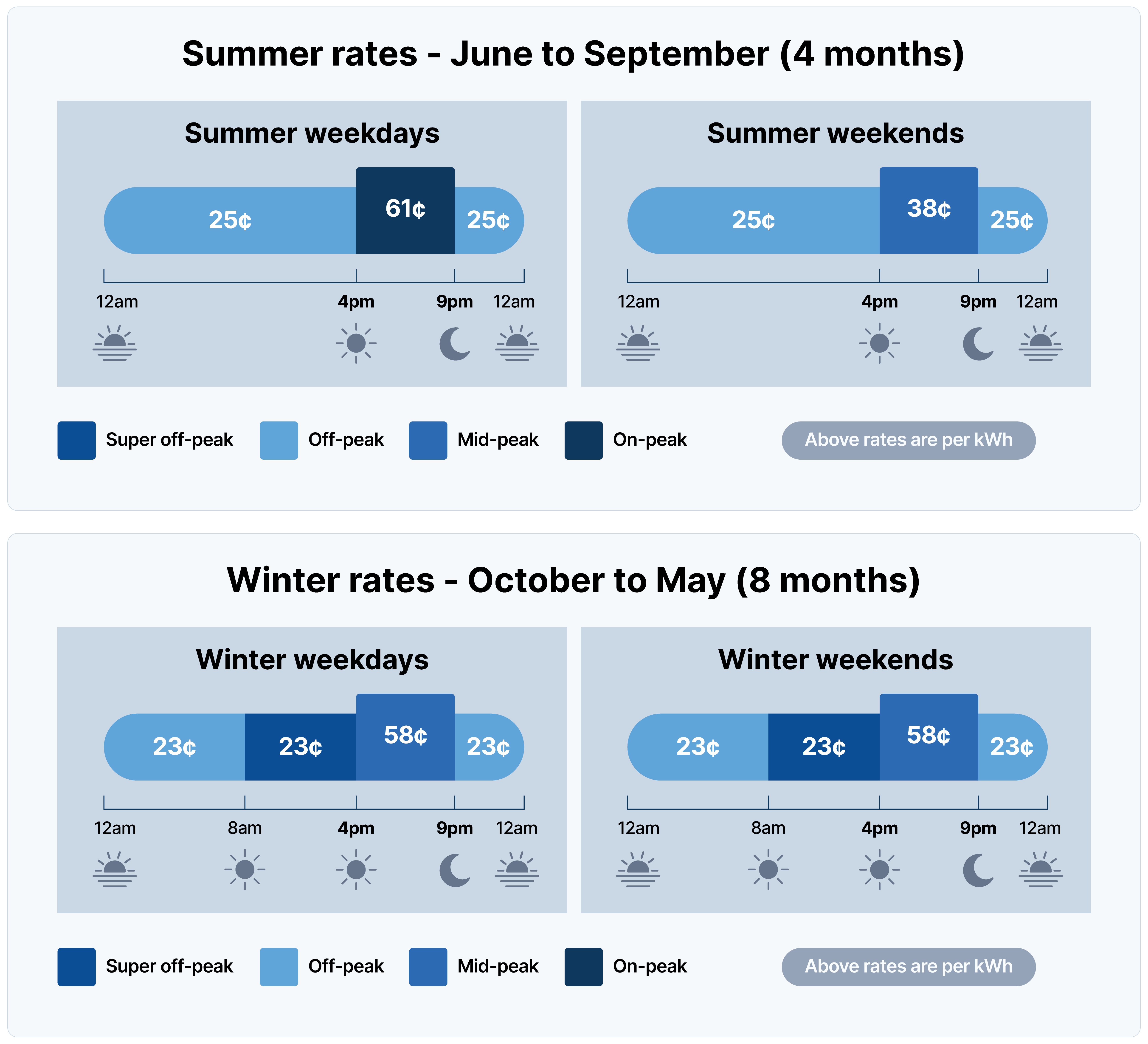
Utility companies face significant capital expenditures to maintain “peaker plants”—additional power stations that only run when demand is at its limit. To discourage excessive use during these times and recover costs, they charge a premium during peak hours. These typically occur in the late afternoon and early evening when residential usage spikes as people return from work, turn on air conditioning, and use large appliances.
From a financial perspective, ignoring these windows can result in utility bills that are 20% to 50% higher than necessary. For a household focused on lean financial management, the goal is to “load shift.” This involves moving high-energy tasks—such as running the dishwasher, drying laundry, or charging an electric vehicle—to off-peak hours, which usually occur late at night or early in the morning.
Strategies to Minimize Utility Expenses
Achieving financial efficiency in a TOU environment requires a mix of behavioral changes and technological aids. Investing in smart thermostats and programmable appliances allows homeowners to automate their savings. For example, pre-cooling a home during off-peak hours and allowing the temperature to rise slightly during the peak window can significantly reduce high-cost consumption.
Furthermore, some forward-thinking consumers are utilizing battery storage systems. By charging a home battery during low-cost off-peak hours and discharging it during peak hours, households can effectively “arbitrage” their own energy usage. While the initial investment in such technology is high, the long-term reduction in operational expenses represents a sophisticated approach to personal finance and asset management.
The Gig Economy Advantage: Leveraging Peak Hours for Maximum Income
While peak hours represent a cost to the consumer, they represent a significant revenue opportunity for participants in the gig economy. For rideshare drivers, delivery couriers, and freelance service providers, the ability to identify and work during peak hours is the difference between a low-margin side hustle and a highly profitable business venture.
The Mechanics of Surge Pricing and Boosts
Platforms like Uber, Lyft, and DoorDash utilize dynamic pricing algorithms that trigger “surges” or “boosts” during peak demand. These periods typically align with commuter rush hours, inclement weather, major sporting events, or Friday and Saturday nights. During these windows, the base rate for a service can double or even triple.
For a gig worker, working five hours during off-peak times might yield the same gross revenue as working just two hours during peak times. This highlights the importance of “time-density” in earning. By focusing exclusively on peak hours, workers can maximize their hourly rate, reduce the wear and tear on their vehicles per dollar earned, and free up the rest of their week for other income-generating activities or personal pursuits.
Strategic Scheduling for Freelancers
Peak hours are not limited to physical labor or transportation. In the digital freelance marketplace, peak hours refer to the times when clients are most active and responsive. For a consultant or developer working across time zones, identifying the peak operational hours of their primary market (e.g., Eastern Standard Time for Wall Street firms) is crucial for securing high-value contracts and ensuring rapid project turnover.

Positioning oneself as available during these high-intensity windows allows freelancers to command “rush” fees or premium rates for immediate availability. Financial success in this niche depends on the ability to remain flexible and disciplined, ensuring that one is “open for business” exactly when the market’s willingness to pay is at its zenith.
Financial Markets and Trading: The High-Stakes Nature of Peak Volume
In the world of investing and professional trading, peak hours refer to the periods of highest liquidity and volatility. For the stock market, this is generally the first and last hour of the trading day. For the Foreign Exchange (Forex) market, peak hours occur when the sessions of two major financial hubs—such as London and New York—overlap.
The Opening and Closing Bell Phenomena
The “market open” (9:30 AM EST for the NYSE) is characterized by a flood of orders that have accumulated overnight. This creates a peak in volume and volatility, offering traders the opportunity to capitalize on rapid price movements. Similarly, the “market close” (4:00 PM EST) sees institutional investors rebalancing portfolios and closing out positions, leading to another surge in activity.
For the individual investor, understanding these peak hours is vital for trade execution. During peak hours, the “bid-ask spread”—the difference between the price to buy and the price to sell—is typically at its narrowest because there are more participants in the market. This means lower transaction costs. Conversely, trading during “thin” or off-peak hours can lead to “slippage,” where an order is filled at a much worse price than expected due to a lack of available buyers or sellers.
Liquidity Management in Global Markets
For those involved in international trade or Forex, the “London-New York Overlap” (typically 8:00 AM to 12:00 PM EST) is the ultimate peak period. This is when the world’s two largest financial centers are active simultaneously. This window sees the highest volume of currency exchange, making it the most efficient time to move large sums of money with minimal market impact.
Managing one’s portfolio with an eye toward these cycles is a hallmark of professional financial planning. Whether you are an active day trader or a long-term investor looking to rebalance a 401(k), executing moves during peak liquidity windows ensures that you are getting the most “fair” market price possible, thereby preserving your capital.
Corporate Strategy: Managing Peak Demand for Business Profitability
From a business finance perspective, peak hours represent both a logistical challenge and a primary driver of profitability. Companies in the hospitality, retail, and transportation sectors must master the art of “Yield Management” to thrive. This involves adjusting prices and resources in real-time to match the intensity of peak demand.
Dynamic Pricing and Revenue Management
Airlines and hotels are the pioneers of peak-hour financial strategy. By using sophisticated software to predict when demand will peak—such as holidays, school breaks, or mid-week for business travel—they can scale their pricing upwards. This ensures that they capture the maximum “consumer surplus” (the amount a customer is willing to pay).
For a small business owner, implementing a version of this—such as “Happy Hour” pricing to draw customers in during off-peak lulls, or premium weekend rates—is a fundamental tool for increasing the bottom line. By smoothing out the peaks and valleys of demand, a business can achieve a more consistent and predictable cash flow, which is the bedrock of financial stability.
Labor Optimization and Overhead Control
Managing the costs associated with peak hours is just as important as maximizing revenue. Overstaffing during off-peak hours leads to wasted labor costs, while understaffing during peak hours leads to lost sales and brand damage.
Data-driven businesses use “labor forecasting” to align their payroll expenses with peak activity. By analyzing historical sales data to identify exactly when the “rush” will happen, managers can schedule staff with precision. This granular control over variable expenses allows a business to maintain healthy profit margins even in highly competitive or inflationary environments.
Ultimately, whether you are looking at your monthly electric bill, your earnings as a freelance driver, or the execution of a stock trade, the concept of peak hours is an inescapable financial reality. By recognizing these patterns and adjusting your financial behavior accordingly, you move from being a passive participant in the economy to an active strategist, capable of turning the passage of time into a measurable financial advantage.
aViewFromTheCave is a participant in the Amazon Services LLC Associates Program, an affiliate advertising program designed to provide a means for sites to earn advertising fees by advertising and linking to Amazon.com. Amazon, the Amazon logo, AmazonSupply, and the AmazonSupply logo are trademarks of Amazon.com, Inc. or its affiliates. As an Amazon Associate we earn affiliate commissions from qualifying purchases.