
In an increasingly digital world, the way we manage our money, conduct transactions, and earn income has evolved dramatically. At the forefront of this evolution stands PayPal, a pioneering force in online payment solutions. Far more than just a simple payment processor, a PayPal account serves as a sophisticated digital financial hub, offering individuals and businesses a secure, convenient, and globally accessible platform to manage their monetary flows. Understanding what a PayPal account entails is crucial for anyone looking to navigate the modern financial landscape, from making online purchases to receiving international payments or powering an e-commerce venture. This article delves into the core functionalities, benefits, and strategic uses of a PayPal account, viewed exclusively through the lens of personal and business finance.
Understanding PayPal’s Core Functionality in Digital Money Management
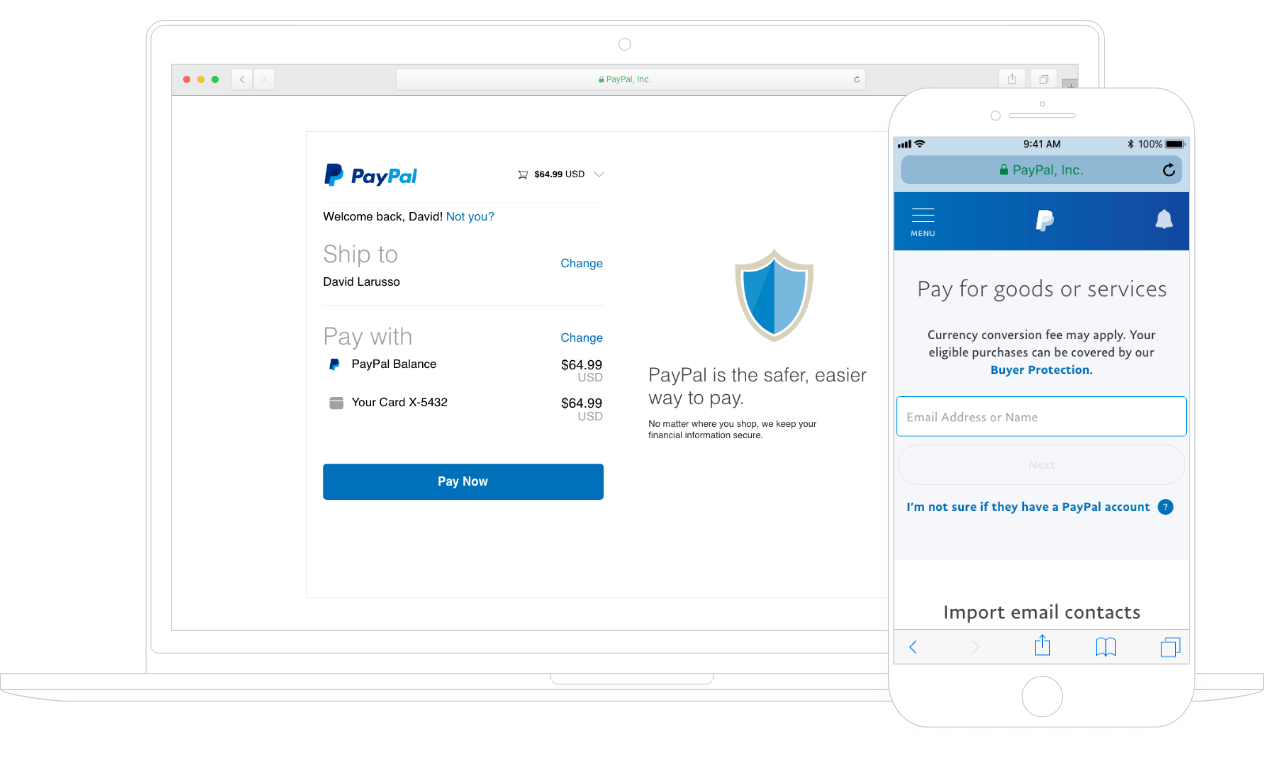
At its heart, a PayPal account is a digital wallet and payment service that allows users to send and receive money electronically. It bridges the gap between traditional banking systems and the boundless opportunities of the internet, enabling seamless financial interactions across various platforms and geographical boundaries.
Facilitating Seamless Online Transactions
The primary utility of a PayPal account for most users lies in its ability to facilitate effortless online transactions. Whether you’re purchasing goods from an international retailer, subscribing to a digital service, or paying for content, PayPal offers a streamlined checkout experience. Instead of repeatedly entering sensitive credit card or bank details, users can simply log in to their PayPal account, making payments quicker and often more secure. For individuals managing personal finances, this translates to faster budget allocation and expenditure tracking, as transactions are consolidated within one platform. For small businesses and freelancers, PayPal becomes an indispensable tool for receiving payments from clients, often with just an email address, eliminating the complexities of traditional wire transfers or physical checks. The immediate nature of most PayPal transactions also improves cash flow management for businesses, ensuring funds are available sooner.
A Global Conduit for Financial Exchange
One of PayPal’s most significant financial advantages is its capacity to transcend geographical barriers. A PayPal account empowers users to send and receive money across borders with relative ease. This is particularly beneficial for individuals with family abroad, digital nomads, or those engaged in international online commerce. PayPal handles the complexities of currency conversion, allowing users to send funds in one currency and recipients to receive them in another, often with transparent fee structures. While exchange rates and associated fees are critical considerations for cost-effective international transfers, PayPal often presents a more accessible and quicker alternative to traditional banking methods for smaller, frequent cross-border payments. This global reach extends opportunities for online income generation, enabling freelancers to accept payments from international clients and small businesses to tap into a worldwide customer base without establishing local banking relationships in every country.
Integrating with E-commerce and Business Operations
For businesses, particularly those operating online, a PayPal account is more than just a payment method; it’s an integral component of their financial infrastructure. PayPal integrates seamlessly with most e-commerce platforms, content management systems, and invoicing software, providing a comprehensive payment processing solution. This integration allows businesses to accept credit and debit card payments, manage subscriptions, issue refunds, and track sales performance all through their PayPal Business account. Furthermore, PayPal offers tools like invoicing, which streamlines the billing process for service providers and contractors, ensuring professional documentation and efficient payment collection. For startups and sole proprietors, this means setting up a robust financial system without the heavy investment typically associated with merchant accounts, thereby lowering barriers to entry for online commerce and fostering entrepreneurial growth.
Types of PayPal Accounts and Their Financial Implications
PayPal offers different account types tailored to varying financial needs, each with specific features and benefits designed to optimize personal or business financial management.
Personal Accounts: Empowering Individual Finance
A personal PayPal account is designed for everyday financial activities. It’s ideal for individuals who want to shop online, send money to friends and family, receive occasional payments (e.g., from selling personal items), or manage subscriptions. From a personal finance perspective, a PayPal account offers a centralized location to track online spending, make secure payments without revealing primary banking details, and receive funds quickly. It acts as a buffer between your main bank account and online merchants, adding an extra layer of security. Features like peer-to-peer payments (often free for domestic transactions funded by bank accounts or PayPal balances) make it convenient for splitting bills, contributing to group gifts, or lending money without the hassle of cash or checks. This direct control over digital funds contributes to better personal financial organization and reduces the friction associated with small, frequent monetary exchanges.
Business Accounts: Streamlining Commercial Transactions
For entrepreneurs, small business owners, freelancers, and larger enterprises, a PayPal Business account is a powerful financial tool. It comes with enhanced features specifically designed to manage commercial transactions. These include accepting credit and debit card payments from customers, creating professional invoices, generating sales reports, managing customer service inquiries related to payments, and even facilitating payroll for small teams. The financial implications are significant: a business account provides tools for clearer financial record-keeping, separation of personal and business funds, and access to advanced payment processing solutions. PayPal Business accounts often include access to merchant services, allowing businesses to integrate PayPal into their websites, accept payments in multiple currencies, and leverage fraud protection tools tailored for commercial operations. This streamlines back-office financial tasks, allowing business owners to focus more on growth and less on administrative payment processing.
Premium Features for Enhanced Financial Control
Beyond the standard personal and business accounts, PayPal also offers supplementary financial products that enhance a user’s control over their money. PayPal Credit, for instance, provides a revolving line of credit that can be used for online purchases wherever PayPal is accepted, offering flexible payment options and sometimes promotional financing. For businesses, PayPal Working Capital offers a way to access funds based on their PayPal sales history, providing quick capital for inventory, marketing, or operational expansion without traditional bank loans. Additionally, PayPal offers debit cards linked to account balances, allowing users to spend their PayPal funds in physical stores or withdraw cash from ATMs, blurring the lines between digital wallets and traditional banking. These premium features extend the utility of a PayPal account, transforming it into a more comprehensive financial instrument for both consumer credit and business liquidity.
Key Financial Benefits and Considerations for PayPal Users
While the convenience and functionality of PayPal are undeniable, understanding its financial benefits and potential considerations is crucial for optimizing its use.
Security Measures Protecting Your Monetary Assets

One of PayPal’s most compelling advantages, from a financial perspective, is its robust security framework. PayPal employs advanced encryption technologies to protect users’ financial information, ensuring that sensitive data like bank account numbers or credit card details are not directly shared with merchants. This acts as a significant deterrent against data breaches and fraud. Furthermore, PayPal offers buyer protection programs, which can reimburse eligible purchases if an item doesn’t arrive or isn’t as described, providing financial peace of mind for consumers. For sellers, PayPal’s seller protection policies can help mitigate losses from chargebacks and unauthorized transactions, provided certain criteria are met. These built-in security layers and protection programs significantly reduce the financial risk associated with online transactions, making PayPal a trusted intermediary for money management.
The Cost Structure: Fees and Exchange Rates
While PayPal offers many services for free (such as sending domestic personal payments funded by bank accounts or PayPal balances), it’s vital to understand its fee structure, particularly when dealing with commercial transactions, international transfers, or currency conversions. Businesses typically pay a percentage-based fee plus a fixed amount per transaction for receiving payments. International personal payments often incur a fee, especially if funded by a credit card. Currency conversion involves exchange rate markups, which can impact the total cost of cross-border transactions. Withdrawals to bank accounts are generally free in most regions, but instant transfers or certain debit card withdrawals may carry a small fee. Insightful financial planning requires users to be aware of these costs, factoring them into budgets for personal spending or pricing strategies for business operations to avoid unexpected deductions from their monetary assets.
Accessibility and Convenience in Managing Funds
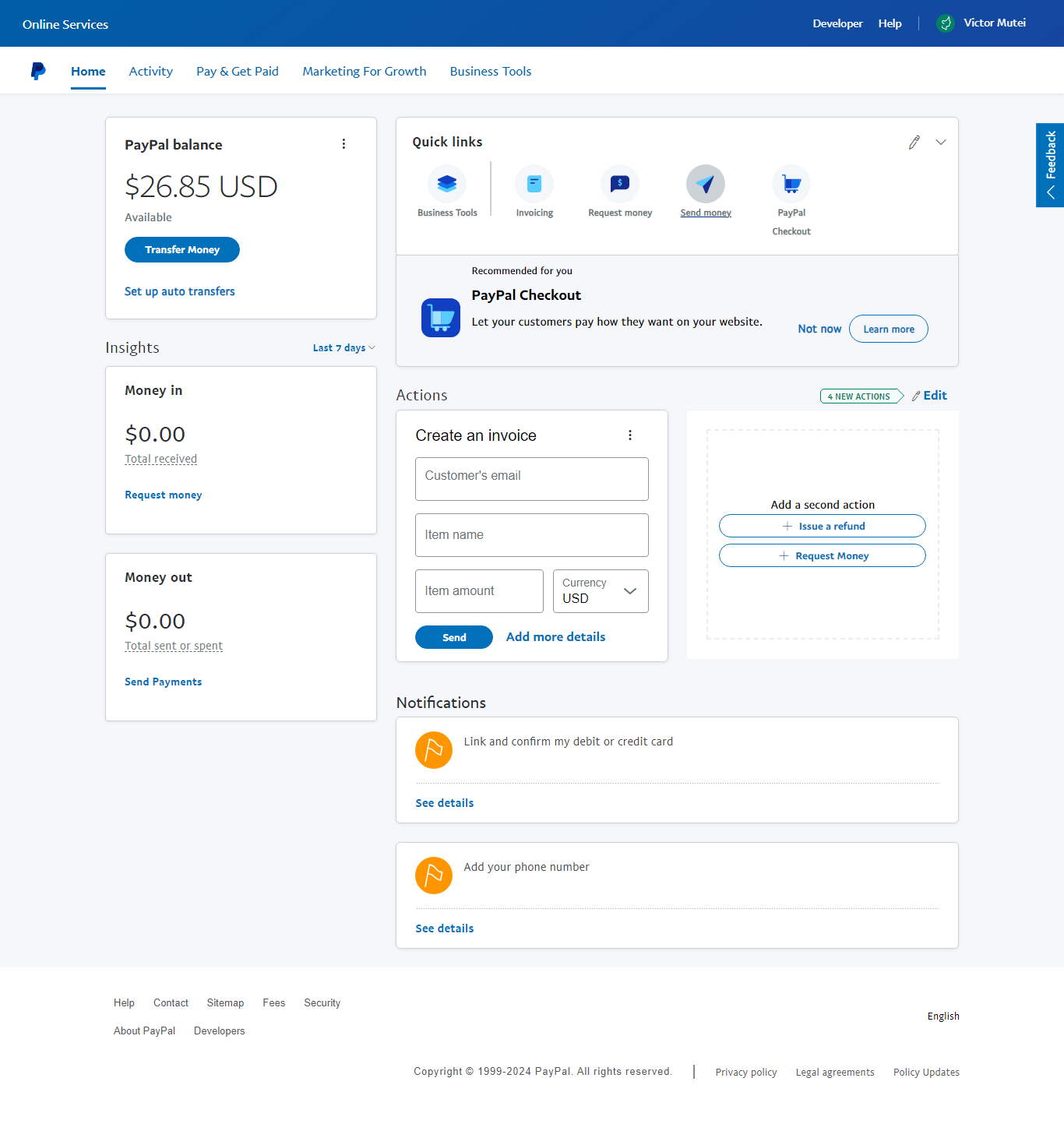
PayPal’s design prioritizes accessibility and convenience, significantly impacting how users manage their funds. The platform is accessible via web browsers and dedicated mobile apps, allowing users to conduct financial activities on the go. Linking bank accounts and credit/debit cards is straightforward, enabling easy transfers of funds into and out of the PayPal balance. The ability to quickly send or request money, receive instant notifications for transactions, and view a consolidated history of all financial activities contributes to a highly convenient money management experience. This ease of use encourages more consistent financial tracking and reduces the effort required to handle online payments, freeing up time that would otherwise be spent on more cumbersome traditional banking methods. For individuals managing multiple income streams or business owners juggling various financial responsibilities, this convenience translates into greater efficiency and control.
Leveraging PayPal for Online Income and Side Hustles
For many, a PayPal account is not just for spending but a crucial tool for generating and managing online income, from freelance work to e-commerce ventures.
Receiving Payments for Freelance Work and Services
The gig economy and freelance market heavily rely on efficient payment systems, and PayPal stands out as a preferred method for many. Freelancers, consultants, and service providers can easily invoice clients through PayPal, allowing them to receive payments quickly and securely from anywhere in the world. This streamlines the billing process, ensuring timely compensation for services rendered. The ability to accept various currencies simplifies international freelancing, broadening the potential client base. For those managing multiple freelance projects, PayPal’s consolidated transaction history can aid in tracking income per client or project, which is invaluable for tax purposes and financial planning. It eliminates the need for clients to navigate complex international banking transfers, making it easier for freelancers to secure and retain work globally.
Monetizing E-commerce Ventures and Online Sales
For anyone engaged in e-commerce, dropshipping, or selling products online, a PayPal Business account is almost a prerequisite. It allows websites and online stores to accept payments from customers worldwide, significantly expanding market reach. PayPal’s integration with major e-commerce platforms simplifies the checkout process for customers, which can lead to higher conversion rates. Beyond direct sales, PayPal is often used for receiving payouts from affiliate marketing programs, crowdfunding campaigns, or even monetization of digital content. The financial reporting tools within a Business account can help track sales trends, identify profitable products, and manage inventory more effectively, providing vital data for business growth and financial forecasting.
Managing Payouts from Various Online Platforms
The diverse landscape of online income generation extends beyond freelancing and e-commerce. Many platforms for surveys, micro-tasks, content creation (e.g., YouTube, Patreon), and online gaming offer PayPal as a primary payout method. A PayPal account becomes the central repository for these disparate income streams. This consolidation simplifies income tracking, allowing users to see all their online earnings in one place, which is incredibly helpful for managing overall online income and ensuring all revenues are accounted for. The speed and reliability of PayPal payouts mean that funds earned from these platforms are quickly accessible, whether for reinvestment into other online ventures or for personal use.
Best Practices for Secure and Efficient PayPal Money Management
To maximize the financial benefits and mitigate potential risks associated with a PayPal account, adopting best practices for security and efficiency is paramount.
Safeguarding Your Account from Financial Threats
The digital nature of a PayPal account makes robust security practices essential. This includes using strong, unique passwords and enabling two-factor authentication (2FA) to add an extra layer of protection against unauthorized access. Users should be vigilant against phishing scams, which often mimic PayPal communications to trick individuals into revealing their login credentials or financial information. Always verify the sender of emails and only log in through the official PayPal website or app. Regularly reviewing transaction history for any suspicious activity is also a critical step in proactively safeguarding monetary assets. By adhering to these security measures, users can significantly reduce the risk of financial fraud and maintain the integrity of their digital funds.
Optimizing Transaction Flow and Fund Withdrawal
Efficient money management with PayPal involves understanding how to optimize transaction flows and fund withdrawals. For personal users, linking a primary bank account allows for seamless transfers between PayPal and their main financial institution, balancing convenience with accessibility to funds. For businesses, strategically managing the PayPal balance—either keeping funds within PayPal for future payments or regularly withdrawing them to a business bank account—can impact cash flow and liquidity. Understanding withdrawal limits, processing times, and associated fees for different transfer methods (e.g., standard vs. instant) ensures that funds are available when needed without incurring unnecessary costs. Setting up automated recurring payments for subscriptions or invoices also streamlines financial operations, reducing manual effort and minimizing the chance of missed payments.
Navigating Disputes and Resolving Financial Issues
Despite robust security, financial disputes or issues can occasionally arise. PayPal offers mechanisms like its Resolution Center to help users navigate these situations. Whether it’s a buyer not receiving an item or a seller dealing with an unauthorized payment, understanding the dispute resolution process is crucial. Users should familiarise themselves with PayPal’s Buyer Protection and Seller Protection policies to know their rights and responsibilities. Promptly reporting any issues, providing clear documentation, and communicating effectively through the Resolution Center can significantly improve the chances of a favorable financial outcome. This proactive approach to conflict resolution ensures that users can confidently rely on PayPal as a secure platform for their digital financial dealings, even when challenges emerge.
In conclusion, a PayPal account is a multifaceted financial tool that plays a pivotal role in the modern economy. From facilitating everyday online purchases and empowering global financial exchange to serving as a cornerstone for online income generation and business operations, its utility is expansive. By understanding its features, types, financial implications, and best practices, individuals and businesses can leverage PayPal to streamline their digital money management, enhance security, and unlock new opportunities in the dynamic world of online finance.
aViewFromTheCave is a participant in the Amazon Services LLC Associates Program, an affiliate advertising program designed to provide a means for sites to earn advertising fees by advertising and linking to Amazon.com. Amazon, the Amazon logo, AmazonSupply, and the AmazonSupply logo are trademarks of Amazon.com, Inc. or its affiliates. As an Amazon Associate we earn affiliate commissions from qualifying purchases.