
Paver sand, often perceived as a mere aggregate in hardscaping projects, holds a surprisingly significant financial weight in construction, home improvement, and landscaping ventures. Far from being a trivial component, understanding its role, types, and proper application is critical for anyone looking to optimize project budgets, ensure long-term value, and protect their investment. From a financial perspective, paver sand is not just a material; it’s an investment in durability, a hedge against future expenses, and a key determinant of a project’s overall return on investment (ROI).
At its core, paver sand is a granular material used in the installation of interlocking pavers, bricks, and natural stone. It serves multiple crucial functions: it provides a stable bedding layer for the pavers, locks them together to prevent shifting, and fills the joints to inhibit weed growth and insect infestation. However, the financial implications extend far beyond these functional basics, influencing everything from upfront costs to decades of maintenance expenditure and property value appreciation.
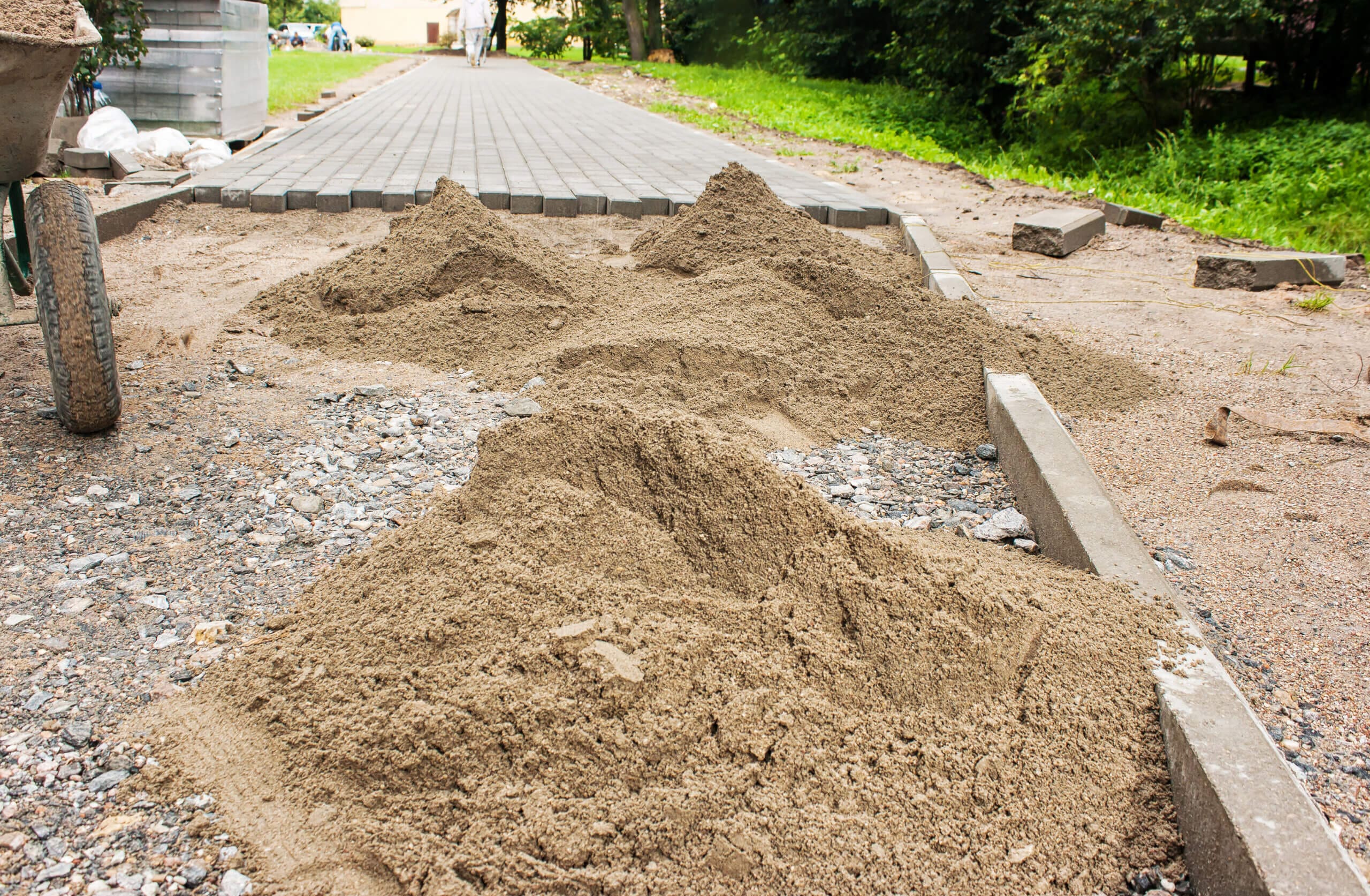
The Financial Foundation of Hardscaping Projects
The quality and type of paver sand chosen represent a foundational financial decision for any hardscaping project. Cutting corners here can lead to costly repercussions down the line, eroding initial savings through premature repairs, increased maintenance, and diminished curb appeal. Conversely, a judicious investment in the right paver sand can safeguard your financial outlay and enhance the longevity and aesthetics of your property.
Understanding Material Costs and Longevity
The upfront cost of paver sand varies depending on its type, quality, and quantity. While general aggregate sand might seem like a cheaper alternative, its long-term financial performance is often abysmal. True paver sand, specifically designed for this application, offers superior compaction and drainage properties. This translates directly into a more stable and resilient surface, significantly extending the lifespan of your patio, driveway, or walkway. An investment of a few extra dollars per bag or ton at the outset can prevent the need for costly relaying or extensive repairs within just a few years. Consider the expense of reinstalling an entire patio due to shifting pavers and excessive weed growth—a cost that typically dwarfs the initial savings made by choosing inferior sand. Therefore, viewing paver sand as an investment in project longevity, rather than just an expense, is crucial for sound financial planning.
Mitigating Future Repair Expenses
A well-installed paver system, underpinned by the correct paver sand, acts as a robust defense against common hardscaping issues. Proper joint stabilization prevents pavers from shifting, rocking, and creating trip hazards. It also forms a barrier against water infiltration into the sub-base, which can lead to freeze-thaw damage in colder climates, causing heaving and cracking. The cost of labor and materials to repair or replace sections of a damaged paver surface can be substantial, often requiring specialized equipment and skilled workers. By investing in quality paver sand, you are essentially purchasing an insurance policy against these potential future repair expenses, protecting your initial capital investment in the pavers and installation. This proactive financial strategy ensures that your hardscaping project remains an asset, not a recurring liability.
Paver Sand in DIY vs. Professional Investment
For homeowners embarking on a do-it-yourself (DIY) hardscaping project, or for professional contractors managing large-scale installations, the selection and procurement of paver sand carry distinct financial considerations. Understanding these nuances is key to maximizing savings for DIYers and optimizing profitability for businesses.
Cost Savings through Informed Material Selection
DIY enthusiasts often seek ways to reduce project costs. While tempting to opt for the cheapest sand available, an informed decision on paver sand can lead to genuine long-term savings. High-quality paver sand, even if slightly more expensive initially, can significantly simplify the installation process. Its consistent granulation allows for easier leveling and compaction, reducing the need for rework and minimizing material waste. Furthermore, by choosing the right sand type—for example, polymeric sand for joint stabilization—DIYers can drastically cut down on future maintenance tasks like weeding and sweeping, freeing up valuable time and avoiding the potential cost of chemical weed killers or professional cleaning services. The financial benefit here is not just in the material cost, but in the total cost of ownership, including time and future expenses.
Calculating ROI for Home Improvement
Any home improvement project is an investment, and hardscaping is no exception. A well-executed paver patio or driveway enhances curb appeal and functional outdoor living space, directly contributing to property value. The choice of paver sand plays a silent yet critical role in this ROI. A project that begins to show signs of failure—shifted pavers, pervasive weeds, or poor drainage—within a few years will detract from property value and may even necessitate expensive remediation before a sale. Conversely, a durable, low-maintenance paver system, secured by appropriate paver sand, demonstrates quality and longevity to prospective buyers, potentially yielding a higher appraisal or faster sale. The ROI is maximized when the underlying materials are sound, ensuring the aesthetic and structural integrity of the visible investment for decades.
Enhancing Property Value with Quality Hardscaping
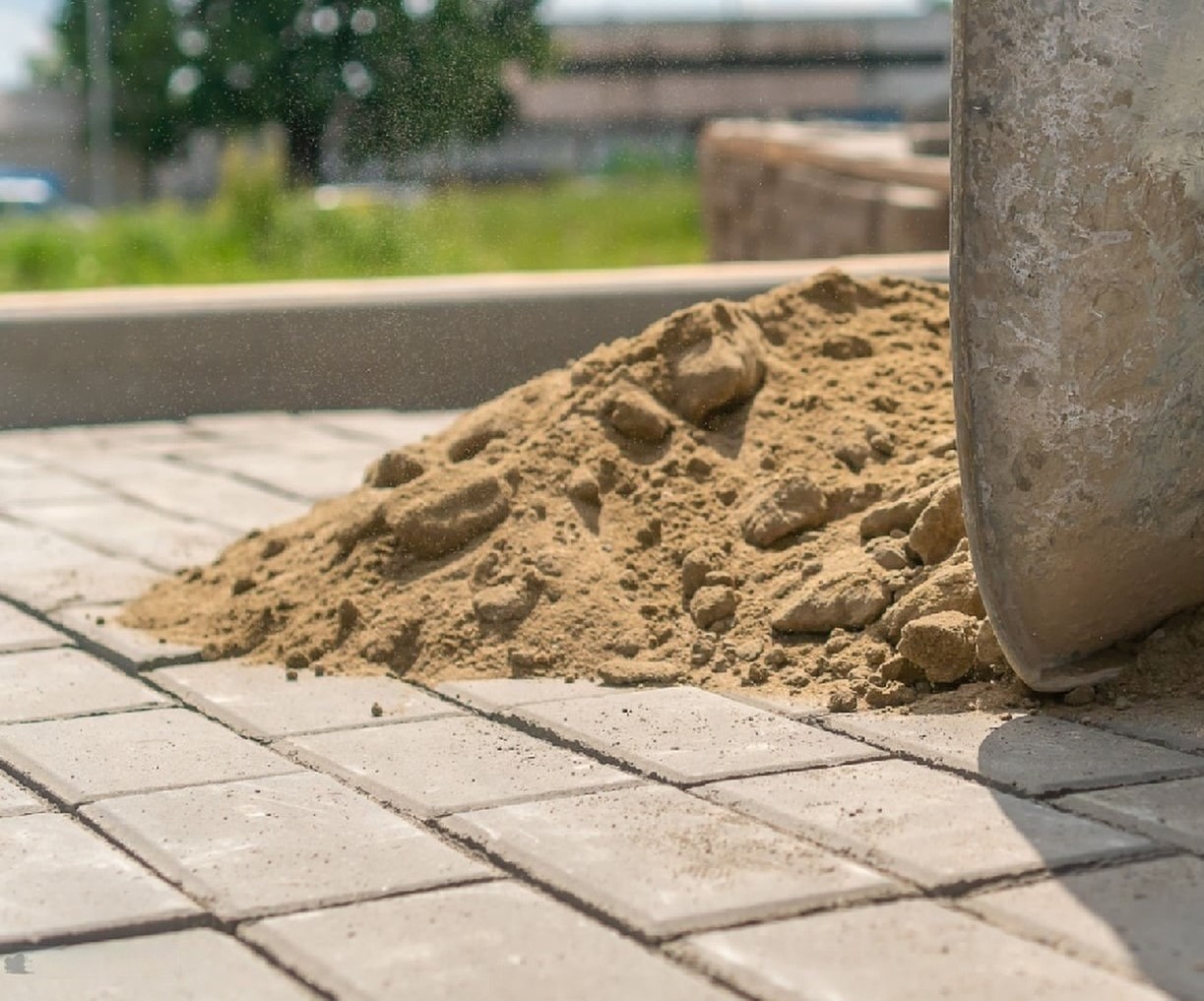
Quality hardscaping is a powerful lever for increasing property value. A professionally installed, long-lasting paver system immediately elevates a home’s exterior appeal and functionality. The “hidden” investment in quality paver sand ensures that this enhancement endures. When buyers assess a property, they scrutinize visible features, but they also subconsciously gauge the quality of underlying construction. A paver surface that stands the test of time, free from common issues like sinking or widespread weed growth, signals meticulous construction and contributes positively to a property’s perceived value. This intangible trust in quality translates into tangible financial benefits during appraisal and sale.
Optimizing Business Profitability with Paver Sand
For landscaping and hardscaping businesses, paver sand is a significant line item in project budgets. Strategic sourcing, accurate specification, and efficient use of paver sand are vital for maintaining competitive pricing, ensuring client satisfaction, and ultimately, boosting profitability.
Efficient Sourcing and Bulk Purchasing Strategies
Contractors operate on tight margins, making efficient material procurement paramount. Establishing relationships with reputable material suppliers who offer competitive pricing for quality paver sand is essential. Bulk purchasing, where feasible, can yield substantial cost savings per ton. However, these savings must be balanced with considerations for storage, transportation logistics, and the specific needs of various projects. A robust inventory management system that tracks different sand types and quantities can prevent costly last-minute orders or material shortages, which can lead to project delays and financial penalties. Understanding the financial implications of lead times, delivery costs, and potential waste due to inefficient storage is key to optimizing the sand procurement process for maximum profitability.
Project Bidding and Material Specification Accuracy
Accurate material estimation, particularly for paver sand, is fundamental to profitable project bidding. Underestimating the required quantity can lead to budget overruns and reduced profit margins, while overestimating can make a bid uncompetitive. Contractors must precisely calculate the volume of bedding sand and joint sand needed, factoring in compaction rates and joint dimensions. Furthermore, specifying the correct type of paver sand—e.g., washed concrete sand for the bedding layer and polymeric sand for joints—is crucial. Miscalculating these specifications can result in increased labor costs due to installation difficulties or, worse, project failure that necessitates costly rework and damages a company’s reputation and future earnings potential.
Minimizing Callbacks and Warranty Costs
The true cost of a project extends beyond initial installation. Warranty claims and callbacks for issues like shifting pavers, joint erosion, or weed growth can severely impact a company’s profitability and reputation. These post-installation services are often performed at no additional charge to the client, absorbing labor, material, and transportation costs that directly reduce a project’s net profit. By using high-quality paver sand and adhering to best practices during installation, contractors can significantly minimize the likelihood of such issues. Investing in superior materials like polymeric sand, which forms a durable, semi-rigid joint, can dramatically reduce callbacks related to weed infestation and joint erosion, thereby protecting the company’s financial health and bolstering its brand as a reliable, quality-focused provider.
Financial Implications of Different Paver Sand Types
Not all paver sands are created equal, and their differences have distinct financial implications. Understanding the various types allows for strategic decision-making that balances upfront costs with long-term financial benefits.
Polymeric Sand: A Premium Investment for Reduced Maintenance
Polymeric sand is a highly specialized joint sand containing additives that, when activated by water, create a strong, durable bond. While its initial cost is significantly higher than regular fine sand, its financial benefits often outweigh this premium. It effectively locks pavers in place, resists erosion from rain and wind, and dramatically inhibits weed growth and insect burrowing. From a financial perspective, polymeric sand is an investment in reduced maintenance costs over the lifespan of the hardscape. Property owners save on time, labor, and the recurring expense of weed killers or professional cleaning services. For businesses, specifying polymeric sand can mean fewer callbacks, stronger client testimonials, and a superior long-term product that justifies a higher initial project quote, thereby enhancing overall profitability.
Fine Washed Sand: Balancing Cost and Performance
Fine washed concrete sand is the traditional choice for both bedding layers and joint filling. It’s generally the most economical option. Its cost-effectiveness makes it attractive for large-scale projects or those with tighter budgets. However, its financial performance hinges on proper installation and ongoing maintenance. While it provides excellent drainage and a stable bedding layer when correctly compacted, regular fine sand in the joints is susceptible to erosion and allows for weed growth, necessitating more frequent maintenance. The financial decision here involves balancing the lower upfront material cost against potentially higher long-term maintenance expenses and the risk of needing more frequent joint refilling. For DIYers, this might mean more weekend hours spent weeding; for businesses, it might imply advising clients on ongoing maintenance plans or setting appropriate expectations regarding long-term upkeep.

Impact on Drainage and Long-term Structural Integrity
Regardless of the type, the proper application of paver sand is crucial for effective drainage, which directly impacts the long-term structural integrity and financial value of the hardscape. Sand layers must be permeable enough to allow water to drain through, preventing pooling and hydrostatic pressure that can compromise the paver base. Poor drainage can lead to frost heave, differential settlement, and premature deterioration of the entire system, necessitating costly repairs or even complete replacement. The financial loss associated with a failed hardscape due due to poor drainage can be substantial, often exceeding the original project cost. Therefore, understanding the role of paver sand in drainage is not just a technical consideration; it’s a fundamental financial safeguard for any hardscaping investment.
aViewFromTheCave is a participant in the Amazon Services LLC Associates Program, an affiliate advertising program designed to provide a means for sites to earn advertising fees by advertising and linking to Amazon.com. Amazon, the Amazon logo, AmazonSupply, and the AmazonSupply logo are trademarks of Amazon.com, Inc. or its affiliates. As an Amazon Associate we earn affiliate commissions from qualifying purchases.