
In the modern era of global mobility, the passport has evolved from a simple paper ledger into a sophisticated piece of hardware. At the heart of this evolution is the biographic page—often referred to as the “data page.” While most travelers see it merely as the section containing their photo and name, it is, in fact, a marvel of digital security, material science, and data engineering. As we lean further into the digital age, understanding the technology behind the passport biographic page is essential for understanding the broader landscape of digital identity, cybersecurity, and automated border control.
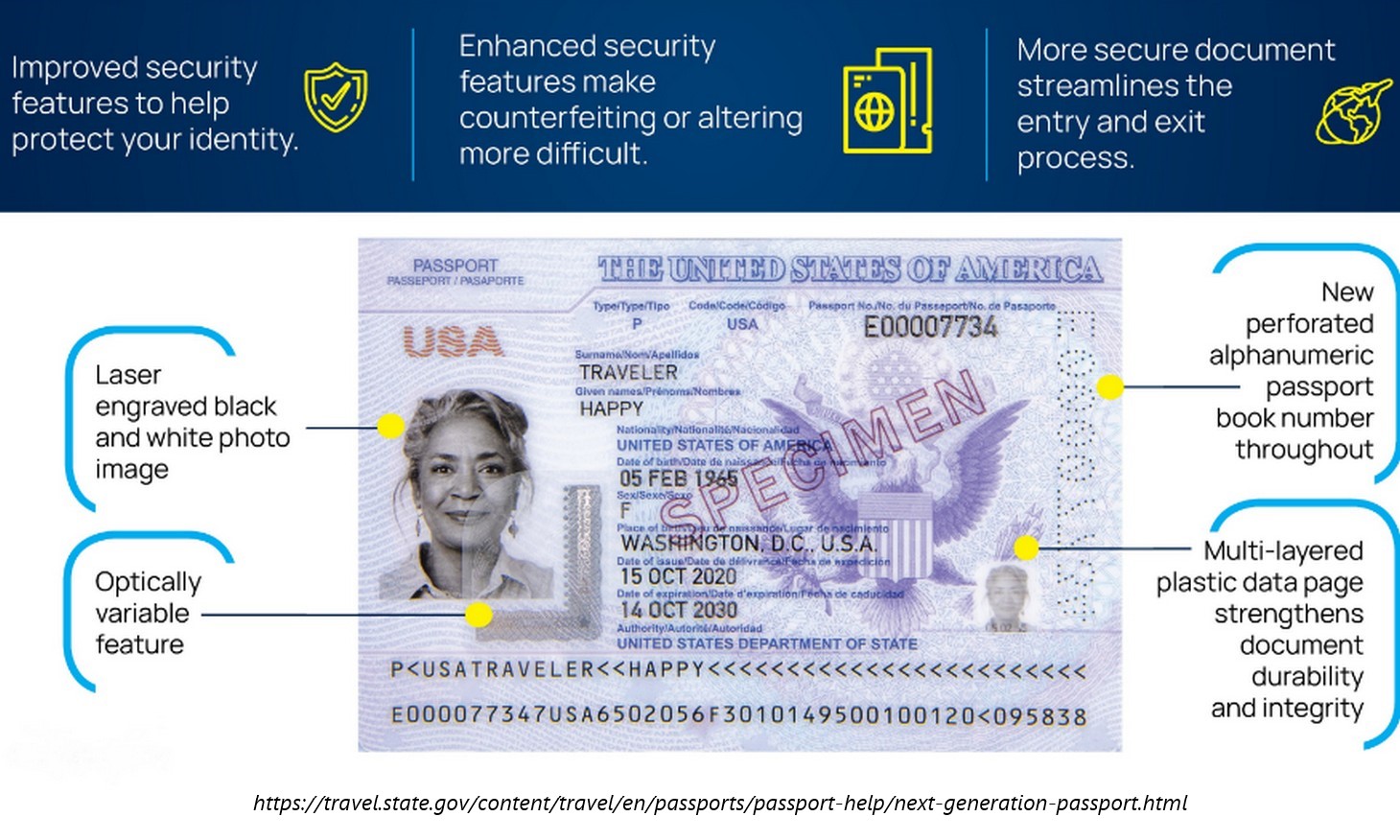
The biographic page serves as the primary interface between a physical person and the digital databases of global security agencies. It is designed to be read by both humans and machines, utilizing a complex array of technologies to prevent forgery while facilitating seamless data extraction. This article explores the technical components, the biometric integration, and the future of identity technology housed within this single laminated or polycarbonate sheet.
The Anatomy of the Biographic Page: Hardware Meets Data
The physical structure of a modern biographic page is a testament to advanced material engineering. In recent years, many nations have transitioned from secure paper to polycarbonate (PC) substrates. Unlike paper, polycarbonate pages are composed of multiple layers fused together under heat and pressure without adhesives, making them nearly impossible to delaminate for fraudulent purposes.
The Machine Readable Zone (MRZ)
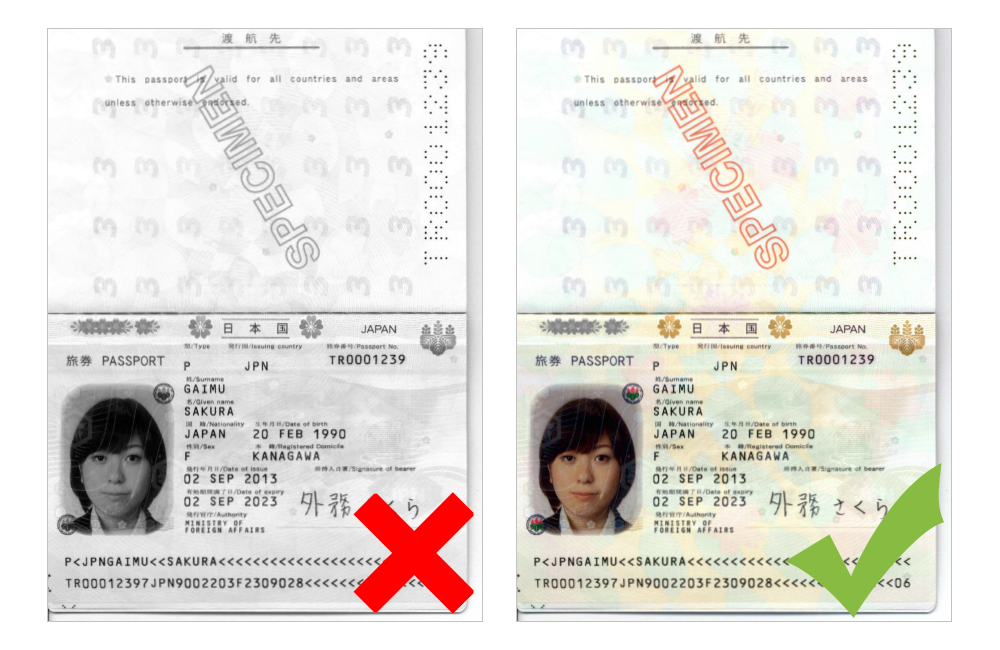
At the bottom of every modern biographic page are two or three lines of alphanumeric characters and chevrons (<<<). This is the Machine Readable Zone (MRZ). Developed under the standards of the International Civil Aviation Organization (ICAO) Doc 9303, the MRZ is a standardized format designed for Optical Character Recognition (OCR) software.
The tech behind the MRZ allows scanners at airport kiosks to instantly pull the traveler’s name, passport number, nationality, date of birth, and expiration date. By standardizing the font (OCR-B) and the character count, the MRZ ensures that border control software can ingest data with nearly 100% accuracy, regardless of the language or script used in the rest of the document.
The Visual Inspection Zone (VIZ)
The Visual Inspection Zone refers to the human-readable portions of the page. This includes the high-resolution digital printing of the bearer’s photograph and personal details. However, even these “simple” elements are tech-heavy. Modern printers use specialized ink-jet or laser engraving technology. Laser engraving, specifically used on polycarbonate pages, carbonizes the material deep within the layers, meaning the data is not sitting on the surface but is part of the page’s internal structure. This renders the “scraping” of data technically impossible without destroying the document.
Digital Security Features: Protecting the Physical-Digital Link
To combat the rise of high-tech forgery, the biographic page incorporates several layers of digital and optical security features. These features are designed to be “Level 1” (visible to the naked eye), “Level 2” (visible with tools like UV light), and “Level 3” (forensic level).
Optically Variable Devices (OVDs) and Holography
One of the most prominent tech features on a biographic page is the Holographic Overlay or Optically Variable Device (OVD). These are nanostructures embedded in the laminate that change color or shape depending on the angle of light. From a technical standpoint, these are created using electron-beam lithography, which allows for the creation of features so small they cannot be replicated by standard commercial scanners or printers. Modern holograms often include “kinematic” effects, where images appear to move, providing a visual cryptographic key that proves the document’s authenticity.
Microprinting and Ultraviolet (UV) Tech
If you were to look at a biographic page under a high-powered digital microscope, you would see “microprinting”—text so small that it appears as a solid line to the naked eye. This requires specialized high-resolution printing hardware. Furthermore, the page is impregnated with UV-reactive inks. Under a 365nm UV light, hidden data—such as a secondary “ghost” image of the traveler or specific national symbols—becomes visible. This fluorescence is a critical component of the digital verification process used by automated border gates.
The Rise of the E-Passport: RFID and Biometric Integration
While the surface of the biographic page is impressive, the most significant technological leap is the integration of the “e-passport” functionality. This turns the passport into a smart device.
Contactless Integrated Circuits (Chips)
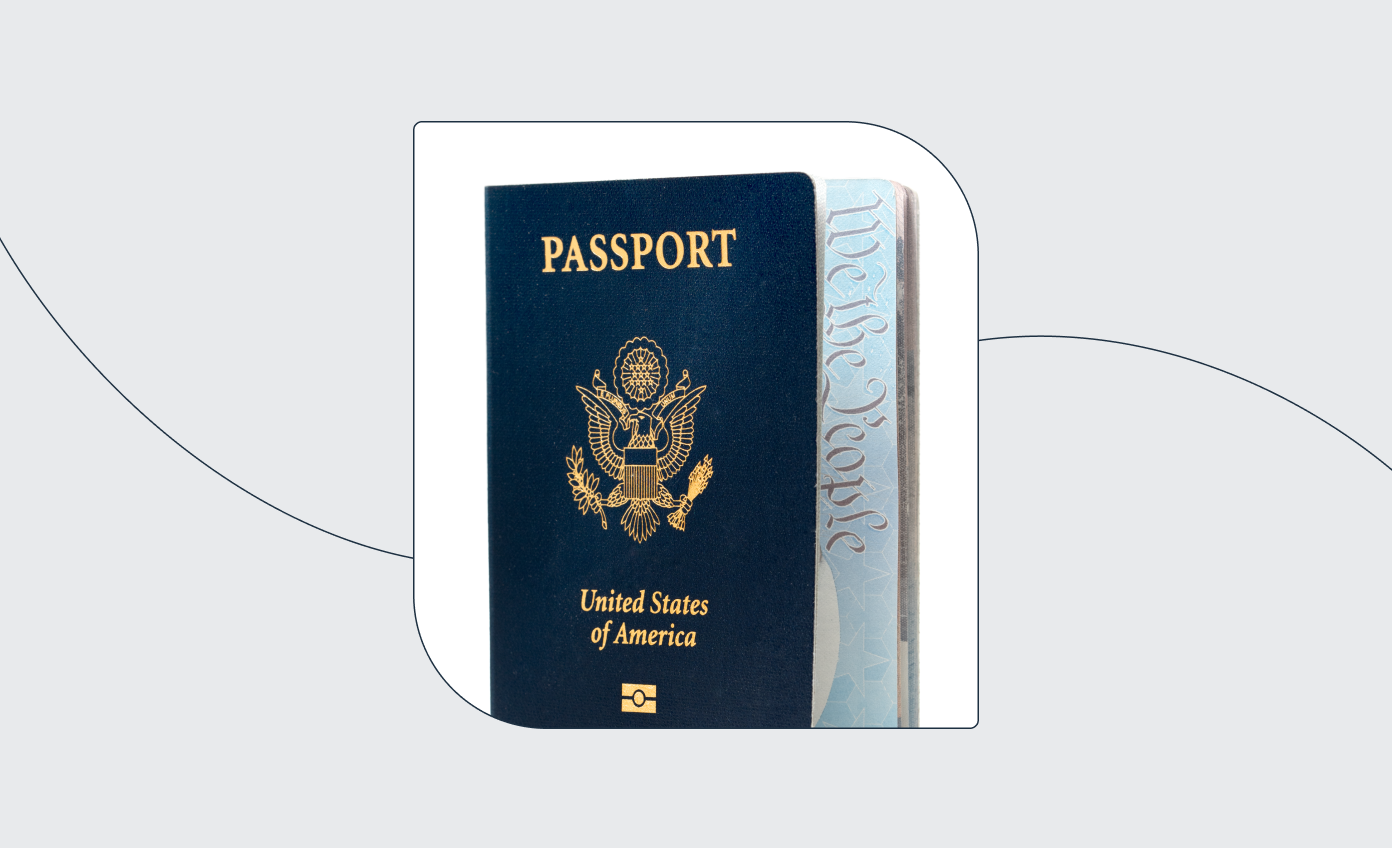
Embedded either within the biographic page itself or the cover of the passport is a tiny Radio Frequency Identification (RFID) chip. This chip is a microprocessor that stores a digital version of the information found on the biographic page, along with a high-resolution biometric template of the traveler’s face, and in some cases, fingerprints.
The tech used here is Near Field Communication (NFC), allowing the chip to be read without physical contact. To protect against unauthorized “skimming,” the biographic page often contains a metallic shield or utilizes Basic Access Control (BAC), which requires the machine to “unlock” the chip by first reading the MRZ (which serves as a physical password).
Public Key Infrastructure (PKI) and Encryption
The data on the chip isn’t just stored; it is digitally signed. This involves Public Key Infrastructure (PKI), a sophisticated cryptographic system. Each country has a Country Signing Certification Authority (CSCA) that signs the data on the passport chip. When a traveler enters a foreign country, that country’s border control software uses a public key to verify the digital signature. If even a single bit of data on the chip has been altered, the cryptographic hash will fail, alerting the system to a tampered document. This is the same level of security used in high-end financial transactions and military communications.
Software and AI: How the Page is Processed
The biographic page is only half of the equation; the other half is the software infrastructure that processes it. When you place your passport on a scanner, a complex sequence of software events occurs in milliseconds.
Optical Character Recognition (OCR) and Image Capture
The scanner captures several images of the biographic page: one in white light, one in infra-red, and one in ultraviolet. AI-driven OCR software then isolates the MRZ and the VIZ. The software compares the data across all three light spectrums. For example, some inks are designed to disappear under infra-red light. If the software “sees” ink in the infra-red scan that shouldn’t be there, it flags the document as a digital forgery.
Biometric Matching and Facial Recognition
Once the digital photo is extracted from the RFID chip, the system employs facial recognition algorithms. These AI models analyze the geometry of the traveler’s face—measuring the distance between the eyes, the shape of the jawline, and the contours of the nose—and compare it to the live image captured by the camera at the gate. This “biometric matching” relies on deep learning models that can account for aging, facial hair, and different lighting conditions, ensuring that the person holding the biographic page is the rightful owner.
The Future of Identity: Beyond the Physical Page
As we look toward the future, the technology of the biographic page is moving toward total virtualization. The physical page is increasingly being viewed as a backup to a “Digital Travel Credential” (DTC).
Digital Travel Credentials (DTC)
The ICAO is currently developing standards for DTCs, which would allow travelers to store a cryptographically secured version of their biographic page on their smartphone’s secure element (the same place Apple Pay or Google Pay data is stored). In this scenario, the physical biographic page becomes a “seed” used to generate a digital identity that can be shared with airlines and border authorities before the traveler even arrives at the airport.
Blockchain and Decentralized Identity
There is growing interest in using blockchain or Distributed Ledger Technology (DLT) to manage the data currently found on the biographic page. By using a decentralized approach, a traveler could have a “self-sovereign identity.” Instead of a central government database being the sole arbiter of truth, a blockchain could provide a verifiable, immutable record of the passport’s issuance and validity, further reducing the risk of identity theft and streamlining the verification process across different jurisdictions.
Conclusion
The passport biographic page is much more than a summary of personal details; it is a sophisticated tech stack designed to secure global borders. From the material science of polycarbonate layers to the cryptographic complexity of PKI and the AI-driven power of facial recognition, every millimeter of the page is engineered for security. As technology continues to advance, the biographic page will likely transition from a physical necessity to a digital gateway, but its core purpose—using high-level tech to verify who we are—will remain the cornerstone of global travel. Understanding this technology provides a window into how we will manage identity in an increasingly digital world.
aViewFromTheCave is a participant in the Amazon Services LLC Associates Program, an affiliate advertising program designed to provide a means for sites to earn advertising fees by advertising and linking to Amazon.com. Amazon, the Amazon logo, AmazonSupply, and the AmazonSupply logo are trademarks of Amazon.com, Inc. or its affiliates. As an Amazon Associate we earn affiliate commissions from qualifying purchases.