
In an increasingly mobile and connected world, managing power for our array of devices has become a daily challenge. From smartphones and tablets to laptops and smartwatches, each gadget demands a steady supply of energy. While direct charging from an outlet is straightforward, and portable power banks offer freedom, a nuanced feature known as pass-through charging has emerged to offer greater convenience and efficiency. It represents a significant advancement in how devices manage their power intake and distribution, enabling a more seamless and less interrupted charging experience.
Understanding the Core Concept
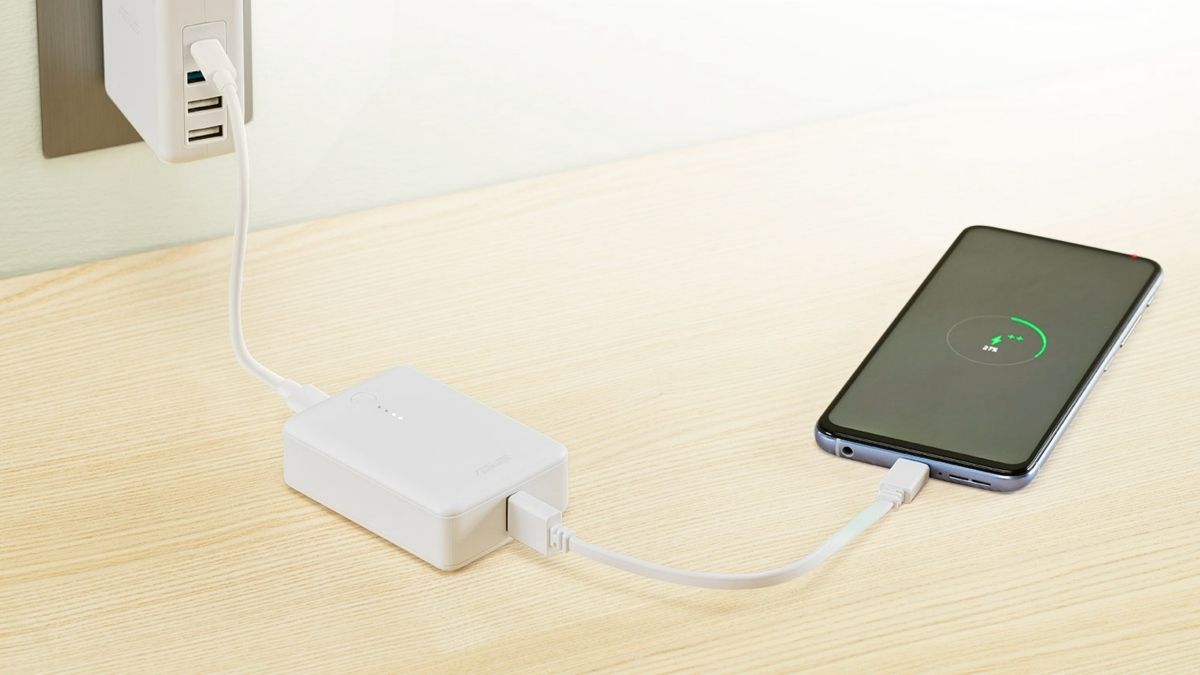
At its heart, pass-through charging is the ability of a device – most commonly a power bank, but also certain USB hubs, docking stations, or even some laptops – to simultaneously receive power from an external source and deliver power to another connected device. This contrasts with traditional or sequential charging methods, where a power bank must first fully recharge its internal battery before it can begin supplying power to an attached gadget, or where a device must be disconnected from its power source to charge an accessory.
How Traditional Charging Differs
To appreciate the utility of pass-through charging, it’s helpful to understand the conventional alternatives. When you plug a device directly into a wall outlet, it draws power to operate and recharge its internal battery. This is direct charging. When using a power bank, the typical scenario involves a two-step process: first, the power bank itself is charged from an external source, topping up its internal cells. Once sufficiently charged (or often, only once fully charged), it can then be disconnected from its power source and used to charge your phone, tablet, or other devices. This sequential approach means you often have to wait for one charging cycle to complete before initiating another, potentially leaving you with limited power options when outlets are scarce.
The Simultaneous Advantage
Pass-through charging bypasses this sequential limitation by creating a dynamic power flow. Imagine a smart junction box with a built-in battery. When plugged into a wall, it can draw power to charge its own internal battery while simultaneously passing a portion of that incoming power directly through to charge a device connected to it. This means you can charge your power bank and your smartphone at the same time, using just one wall outlet. The power is managed intelligently, often prioritizing the device that needs it most, or distributing it optimally to ensure both units receive power without interruption. This capability transforms a power bank or hub from a mere storage unit into an active power management system.
Analogy: A Smart Power Strip
Consider a multi-outlet power strip. When you plug it into a wall, it distributes power to all connected devices. Now, imagine if that power strip also had an internal battery. With pass-through charging, it could simultaneously power your laptop and charge its own internal battery from the wall, allowing you to then take the “power strip” with you later to charge devices when no wall outlet is available. This immediate availability of power, combined with the convenience of fewer occupied outlets, underscores the practical brilliance of pass-through charging.
The Mechanics Behind Pass-Through Charging
Implementing pass-through charging is not as simple as merely wiring two charging ports together. It requires sophisticated internal circuitry and intelligent power management to ensure safety, efficiency, and optimal performance for both the host device and the connected gadget.
Internal Circuitry and Power Distribution Logic
The core of pass-through charging lies in advanced power management integrated circuits (PMICs) and robust battery management systems (BMS). These components are designed to regulate voltage, current, and temperature. When a pass-through charging device is plugged into a power source, the PMIC identifies the incoming power and determines how to distribute it.
There are generally a few strategies:
- Prioritize Passthrough: The incoming power is primarily directed to the connected external device until it’s charged, with the remainder (if any) used to charge the host device’s internal battery.
- Prioritize Host Battery: The incoming power first tops up the host device’s internal battery, and only then is power passed through to the connected external device.
- Simultaneous Split: The incoming power is intelligently split, with a portion directed to the host device’s internal battery and another portion passed through to the external device. This is often the most desired scenario, as it offers true simultaneous charging.
The specific logic depends on the manufacturer’s design, the power demands of both devices, and the overall wattage supplied by the external power source. Modern systems are increasingly intelligent, dynamically adjusting power flow based on battery levels, device type, and even temperature.
Heat Management
One of the significant challenges with simultaneous charging operations is heat generation. Converting and distributing electrical power inherently produces heat, and doing so for two devices at once can exacerbate this. Excessive heat can degrade battery life and potentially damage components. Therefore, devices supporting pass-through charging incorporate advanced thermal management systems. These often include heat sinks, thermal pads, and temperature sensors that monitor internal temperatures and can dynamically adjust charging rates to prevent overheating. High-quality devices are engineered to handle this heat without compromising safety or longevity.
Voltage and Current Regulation
Maintaining stable and appropriate voltage and current is critical. The PMIC and BMS ensure that the incoming voltage from the external adapter is regulated to the correct levels for both the internal battery and the external device. This prevents overvoltage or undervoltage conditions that could harm either component. Current regulation is also crucial, ensuring that neither device draws too much current, which could lead to overheating or damage, nor too little, which would result in inefficient charging. This meticulous regulation guarantees safe and optimized power delivery across all connected pathways.
Why Pass-Through Charging Matters: Benefits and Applications
The technical intricacies of pass-through charging translate into tangible benefits for users, significantly enhancing convenience, efficiency, and versatility across a range of applications.
Enhanced Convenience and Efficiency
The most immediate benefit is sheer convenience. Imagine being in a hotel room with only one available wall outlet. With a pass-through charging power bank, you can plug the power bank into the outlet, and then plug your smartphone into the power bank. Both devices will charge simultaneously, eliminating the need to wait or compromise on which device gets power first. This is invaluable in situations with limited power access, such as airport lounges, coffee shops, or even a shared living space. It simplifies your charging setup, reduces cable clutter, and ensures your essential devices are always ready.
Streamlined Charging Hubs
Pass-through charging is a fundamental feature of many modern USB-C hubs and docking stations. These peripherals connect to a laptop via a single USB-C cable, expanding its connectivity with additional ports for USB-A, HDMI, Ethernet, and SD cards. Crucially, they also include a USB-C Power Delivery (PD) input port. This allows you to plug your laptop’s power adapter into the hub, which then passes power through to charge your laptop while simultaneously providing connectivity to all other peripherals. This transforms a single USB-C port into a comprehensive workstation solution, decluttering your desk and simplifying your setup significantly.
Power Bank Versatility

For portable power banks, pass-through charging extends their utility beyond mere battery storage. It allows the power bank to function as an active power management device. You can leave your power bank plugged into a wall outlet, using it as a direct power source for your phone or tablet, while also topping up its internal battery. This means the power bank remains at full capacity, ready for when you unplug it and head out, effectively ensuring it’s always ready for mobile use.
Critical Use Cases
In scenarios where power is intermittent or unreliable, pass-through charging can be a lifesaver. For outdoor enthusiasts, campers, or those in emergency situations relying on solar panels or car chargers, a pass-through power bank can capture what little power is available and immediately use it to charge an essential device (like a satellite phone or flashlight), while also storing excess power for later. For remote workers, it ensures that even with fluctuating power, their essential devices remain powered and operational.
IoT and Smart Home Devices
Some Internet of Things (IoT) devices, particularly those with internal batteries that are meant for occasional portability but typically stay docked (e.g., smart speakers with battery bases, portable security cameras), can benefit from pass-through charging. It allows them to operate continuously while their internal batteries are being charged, ensuring uninterrupted service.
Potential Considerations and Limitations
While pass-through charging offers considerable advantages, it’s important to be aware of potential limitations and considerations to ensure optimal and safe usage.
Slower Charging Speeds
One common trade-off is that charging speeds for one or both devices might be slower than if they were charged individually. When power is split between the host device’s internal battery and an external device, the available wattage from the power source is divided. If your wall adapter provides 30W, and it’s split between a power bank charging at 10W and a phone at 20W, neither device receives its maximum potential charge if it could otherwise handle more. This is especially true if the external power source isn’t powerful enough to meet the combined demands of both charging operations at full speed.
Heat Generation
As discussed, simultaneous charging can generate more heat. While reputable manufacturers design robust thermal management systems, cheaper or poorly designed devices might struggle, potentially leading to increased internal temperatures. Prolonged exposure to excessive heat can accelerate battery degradation over time, reducing the overall lifespan of the device. Users should be mindful of noticeable heat and ensure devices are operating within normal parameters.
Battery Degradation Concerns
The impact on battery degradation is a nuanced topic. For well-engineered devices, the integrated PMICs and BMS are designed to manage power intelligently, minimizing stress on the battery during pass-through charging. They often employ algorithms to optimize charge cycles and thermal conditions. However, in less sophisticated devices, or if subject to continuous high heat, the battery could theoretically experience faster wear and tear compared to charging in cooler, dedicated cycles. It’s crucial to rely on products from trusted brands that adhere to industry standards for battery health and safety.
Power Output Requirements
The external power source is a critical factor. For pass-through charging to work effectively and efficiently, the wall adapter or power supply must provide sufficient wattage to cover the power demands of both the host device’s internal charging and the pass-through charging to the external device. For instance, if a power bank requires 18W to charge itself and your laptop needs 60W, a 65W wall adapter might struggle, or at least significantly slow down one or both charging processes. Always ensure your power source can adequately supply the combined power requirements.
Device Compatibility
Not all power banks or devices advertised as having “pass-through capabilities” offer true simultaneous charging. Some might prioritize charging their own internal battery first, pausing the external device’s charge, and only resume pass-through once their internal battery is topped up (which is more akin to sequential charging with an automatic switch). Always check product specifications and reviews carefully to understand how a particular device implements its pass-through functionality.
Identifying and Utilizing Pass-Through Charging
Successfully integrating pass-through charging into your tech ecosystem requires a discerning eye and a few practical considerations.
Checking Specifications
When purchasing power banks, USB hubs, or other devices, always look for explicit mentions of “pass-through charging,” “charge-through functionality,” “simultaneous charge and discharge,” or “power delivery (PD) passthrough” in the product specifications. Reputable manufacturers will clearly highlight this feature if it’s genuinely supported and implemented effectively. User reviews and tech analyses can also provide real-world insights into a product’s performance.
Brand Reputation and Quality
Given the complexity and potential implications for battery health and safety, opting for products from well-known and reputable brands is highly advisable. Established companies invest heavily in R&D, robust PMICs, advanced BMS, and thorough testing to ensure their pass-through charging solutions are safe, efficient, and reliable. Cheaper, generic alternatives might cut corners, leading to suboptimal performance, increased heat, or even safety risks.
Practical Tips for Use
To maximize the benefits of pass-through charging:
- Use a powerful adapter: Ensure your wall charger provides ample wattage to comfortably meet the combined power needs of all devices being charged.
- Monitor heat: Periodically check the temperature of your devices during pass-through charging. While some warmth is normal, excessive heat is a warning sign.
- Optimize charging order: If given the choice (e.g., via a smart hub’s settings), consider which device needs power more urgently.
- Avoid fully draining then passthrough: For devices with internal batteries, it’s generally better to initiate pass-through charging when the internal battery isn’t completely depleted, reducing initial stress.
Future of Power Delivery
The evolution of power delivery standards, particularly USB-C Power Delivery (PD) and the increasing adoption of Gallium Nitride (GaN) chargers, is making pass-through charging more sophisticated and efficient. USB-C PD allows for dynamic power negotiation up to 240W, enabling intelligent distribution across multiple devices from a single port. GaN technology facilitates smaller, more efficient, and cooler-running chargers, making it easier to implement complex power management features like reliable pass-through charging in compact form factors. As these technologies mature, we can expect even more seamless and powerful pass-through solutions, further integrating our gadgets into a smarter, more interconnected charging ecosystem.
aViewFromTheCave is a participant in the Amazon Services LLC Associates Program, an affiliate advertising program designed to provide a means for sites to earn advertising fees by advertising and linking to Amazon.com. Amazon, the Amazon logo, AmazonSupply, and the AmazonSupply logo are trademarks of Amazon.com, Inc. or its affiliates. As an Amazon Associate we earn affiliate commissions from qualifying purchases.