
In the landscape of global pop culture, few artifacts possess the enduring resonance and strategic adaptability of the 1982 hit “Pass the Dutchie” by Musical Youth. While the casual listener may identify it simply as a catchy reggae anthem, brand strategists and marketing professionals view it as a masterclass in identity pivoting, cross-generational market penetration, and cultural asset management. To understand what “Pass the Dutchie” is truly about is to understand the lifecycle of a brand—how it is created, how it is repositioned for mass-market consumption, and how it is resurrected decades later through savvy placement and digital synchronization.
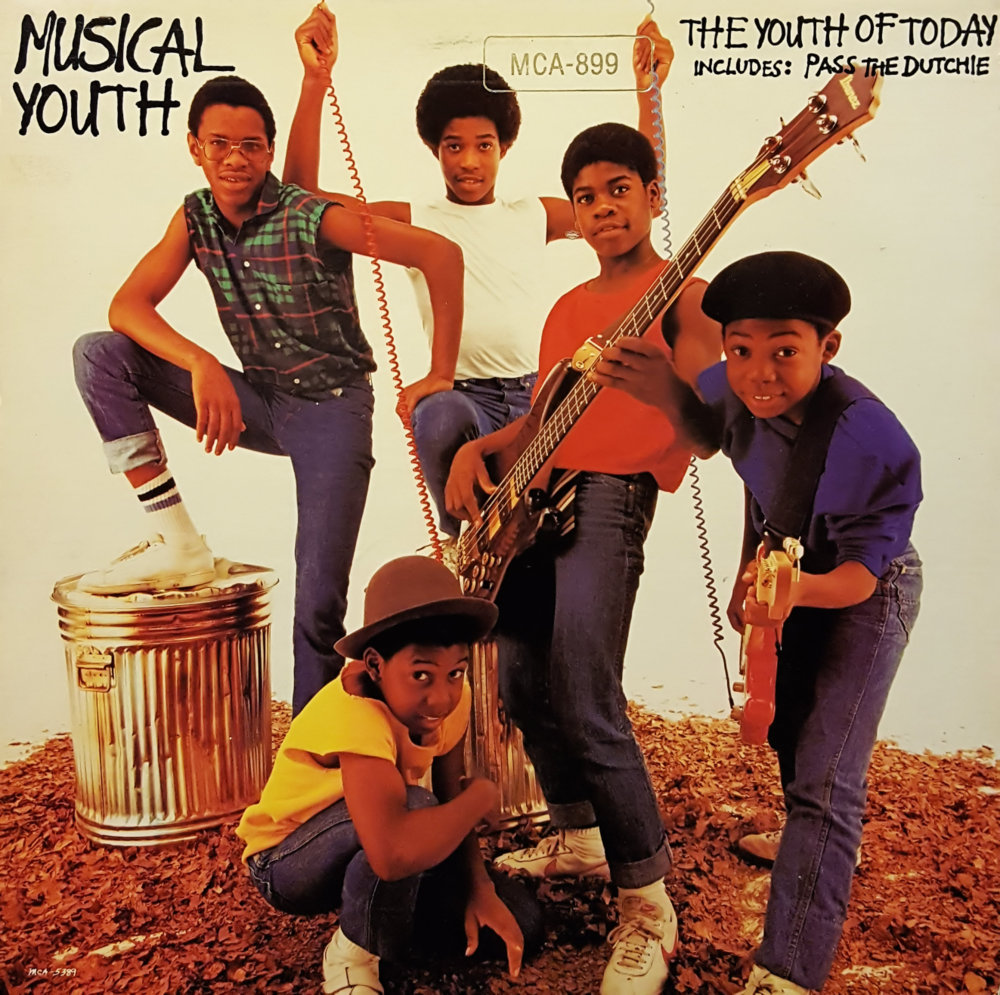
The story of “Pass the Dutchie” is not merely a footnote in music history; it is a blueprint for how a brand can navigate social constraints, leverage nostalgia, and maintain its equity in an ever-shifting digital economy.
The Origins of a Cultural Brand: From Roots to Global Phenomenon
Every successful brand begins with a core identity, but that identity often requires refinement to achieve a global scale. In the case of “Pass the Dutchie,” the “brand” was born out of a necessity for strategic repositioning. The song is a cover and a clever reimagining of “Pass the Kouchie” by The Mighty Diamonds. In the original Jamaican context, a “kouchie” referred to a pipe used for consuming cannabis. While this resonated within the specific subculture of reggae, it presented a significant barrier to entry for the conservative, mainstream global markets of the early 1980s.
The Strategic Pivot: Kouchie to Dutchie
The decision to change “kouchie” to “dutchie” (referring to a Dutch oven, a common cooking pot) was one of the most successful “brand pivots” in music history. By replacing a controversial product association with a wholesome, domestic one, the creators successfully broadened the target demographic. This shift allowed the song to be marketed to children, families, and mainstream radio stations without losing its rhythmic soul. This is a classic example of “Brand Sanitization”—the process of removing polarizing elements to maximize market reach while retaining the aesthetic “cool” of the original source material.
Positioning Reggae for a Global Pop Audience
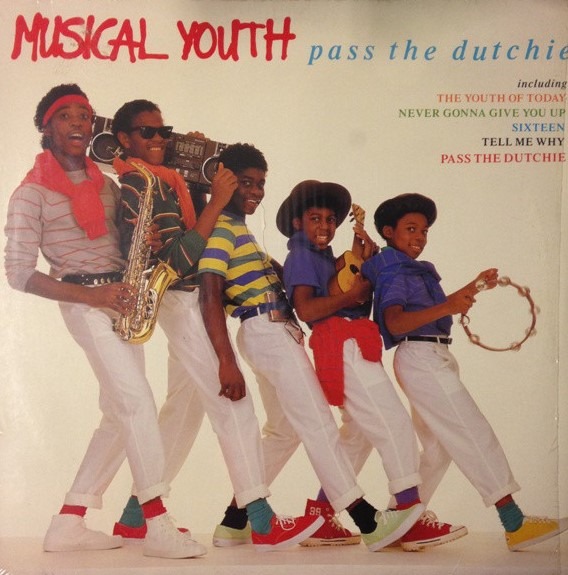
Musical Youth, a group of talented youngsters, served as the perfect “brand ambassadors” for this new iteration of reggae. They offered a relatable, youthful face to a genre that was often perceived as politically charged or fringe by Western audiences. The “brand” of Musical Youth was built on innocence, talent, and accessibility. By positioning “Pass the Dutchie” as a fun, rhythmic track about communal sharing and hunger—rather than drug culture—the management team successfully broke the song into the UK Top 40 and the US Billboard Hot 100, effectively “exporting” the reggae brand to a global stage.
Viral Resurgence: The Power of Nostalgia and Content Integration
In the modern era, the value of a legacy brand is often tied to its “re-discovery” potential. For decades, “Pass the Dutchie” remained a nostalgic relic of the 80s. However, its recent explosion in popularity demonstrates the power of “Sync Branding”—the strategic integration of a brand asset into high-value content to reach a new generation of consumers.
The “Stranger Things” Effect: A Case Study in Brand Placement
The resurgence of “Pass the Dutchie” in 2022 was not an accident; it was a result of its inclusion in the fourth season of the Netflix hit Stranger Things. The show utilized the song as a sonic identifier for the character Argyle, a laid-back pizza delivery driver. In branding terms, the song became a “Leitmotif”—a recurring theme that instantly communicates a character’s brand identity.
When a legacy brand is integrated into a modern cultural juggernaut like Stranger Things, it benefits from “Reflected Equity.” The coolness and cultural relevance of the show are transferred back to the song. Within weeks of the season’s release, “Pass the Dutchie” saw an exponential increase in search volume and streaming numbers, proving that a 40-year-old brand can be successfully “re-launched” to Gen Z through the right medium.
TikTok and the Algorithm: Turning a Song into a Digital Asset
Once the song was reintroduced via Netflix, the “digital brand” of “Pass the Dutchie” took on a life of its own on platforms like TikTok. Here, the song transitioned from a passive listening experience to an active “creative tool.” Users leveraged the track for trends, memes, and short-form videos, effectively turning the song into a “Digital Template.” In contemporary marketing, a brand’s strength is measured by its “remixability.” The more a consumer can interact with and reshape the brand, the deeper the brand loyalty becomes. “Pass the Dutchie” became a piece of shared digital currency, proving that longevity in the modern market requires a brand to be both recognizable and adaptable.
Sustaining Relevance: The Lifecycle of a Legacy Brand
For a brand to survive over four decades, it must manage the delicate balance between authenticity and evolution. “Pass the Dutchie” has managed to stay relevant because it occupies a unique niche in the collective consciousness: it is both a historical artifact and a living piece of media.
Managing Authenticity Across Generations
One of the greatest challenges in brand management is maintaining “Brand Integrity” when moving across different eras. For Musical Youth, the brand of “Pass the Dutchie” has survived because it captures a specific “vibe”—a blend of optimism, rhythm, and communal spirit. Even as the members of the band aged and the industry changed, the song itself became the primary brand asset. It represents a “safe” version of rebellion that appeals to both the baby boomers who remember the original release and the teenagers discovering it on their smartphones today. This cross-generational appeal is the “Holy Grail” of branding.
The Intersection of Music and Visual Identity
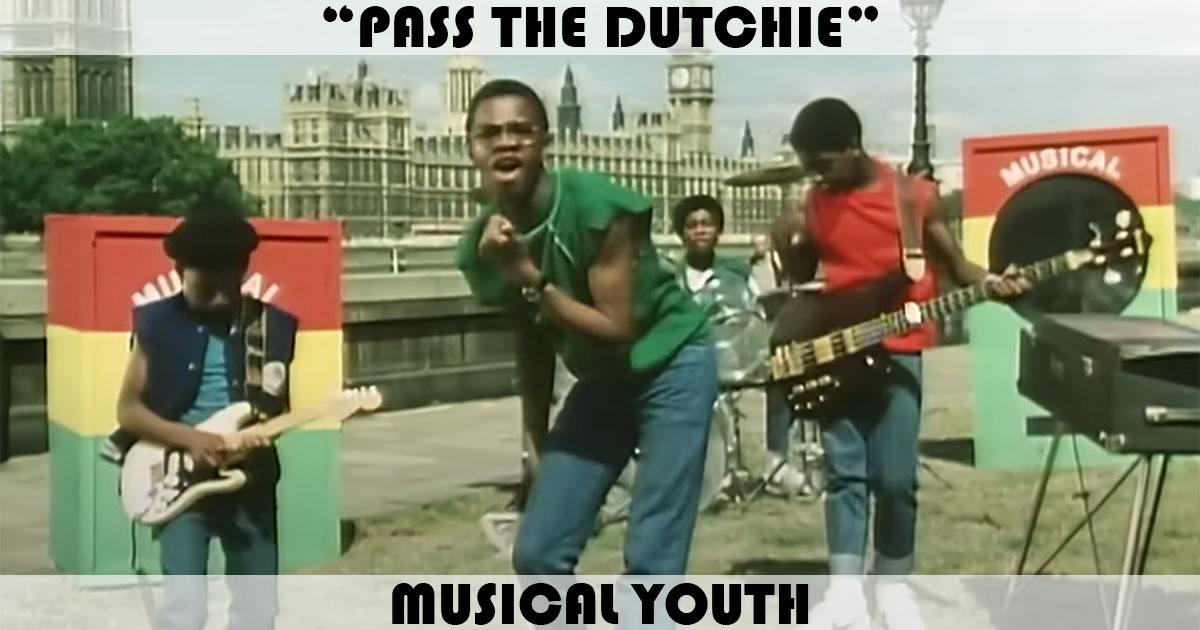
The visual brand of “Pass the Dutchie” is as potent as its audio. The imagery of the music video—youthful energy, school uniforms, and urban London settings—created a visual shorthand for a specific cultural moment. In the digital age, these visuals are often repurposed as GIFs and thumbnails, reinforcing the brand identity every time the song is played. A successful brand is multi-sensory; it isn’t just something you hear, it’s something you see and feel. The “Dutchie” brand represents a fusion of Caribbean heritage and British urban life, a “Hybrid Identity” that remains compelling in our increasingly globalized world.
Lessons for Modern Brand Strategy
The trajectory of “Pass the Dutchie” offers several critical insights for modern businesses and personal brands looking to build lasting impact.
The Importance of Adaptability
If the producers of Musical Youth had insisted on keeping the original “Kouchie” lyrics, the song likely would have remained a niche hit within the reggae community, eventually fading into obscurity. The willingness to adapt the “product” to fit the “market” is a vital lesson. Branding is not about rigid adherence to an original idea; it is about the evolution of that idea to meet the needs and sensitivities of the target audience. To “Pass the Dutchie” is to understand that sometimes, you have to change the packaging to save the soul of the product.
Leveraging Cultural Capital
The song’s recent success highlights the value of “Cultural Capital.” Brands do not exist in a vacuum; they exist within a cultural ecosystem. By aligning with influential content creators and platforms (like Netflix and TikTok), legacy brands can tap into new streams of revenue and relevance. For modern marketers, the lesson is clear: don’t just build a brand; build a brand that can live inside other stories.
Conclusion: The Enduring Brand of “The Dutchie”
Ultimately, “Pass the Dutchie” is about more than just a cooking pot or a catchy bassline. It is a testament to the power of strategic rebranding and the enduring nature of a well-positioned cultural asset. It demonstrates that with the right pivot, a brand can overcome social hurdles; with the right placement, it can bridge generational gaps; and with the right spirit, it can remain a household name for over forty years.
As we look at the landscape of modern media, “Pass the Dutchie” stands as a reminder that a brand’s story is never truly finished. It is constantly being rewritten by the people who listen to it, the creators who use it, and the algorithms that distribute it. In the world of brand strategy, that is the ultimate success: becoming a permanent part of the global conversation.
aViewFromTheCave is a participant in the Amazon Services LLC Associates Program, an affiliate advertising program designed to provide a means for sites to earn advertising fees by advertising and linking to Amazon.com. Amazon, the Amazon logo, AmazonSupply, and the AmazonSupply logo are trademarks of Amazon.com, Inc. or its affiliates. As an Amazon Associate we earn affiliate commissions from qualifying purchases.