
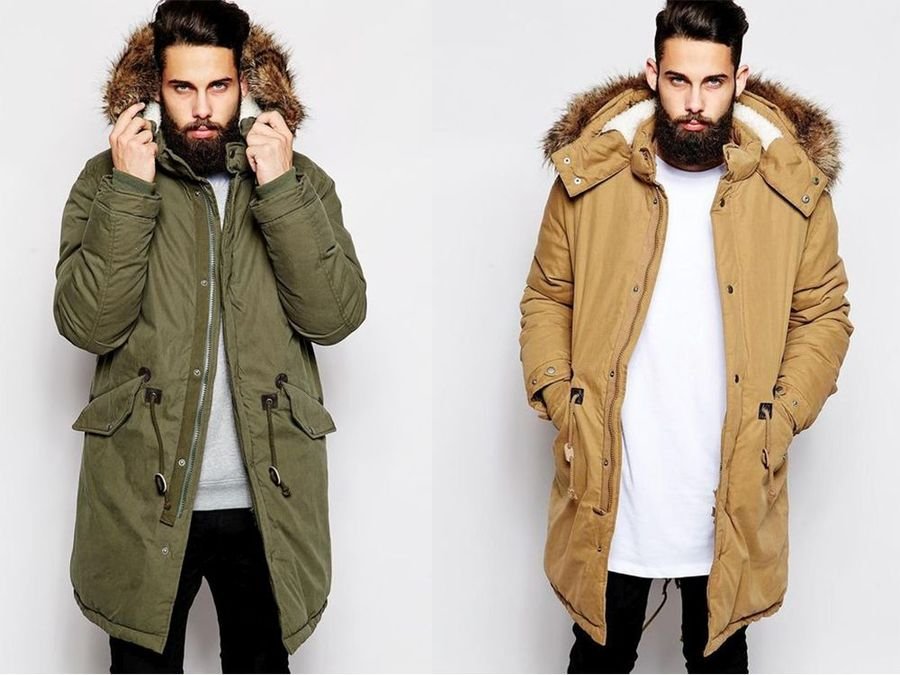
In the modern marketplace, few items have successfully navigated the transition from survival gear to high-fashion status symbol as effectively as the parka. When we ask, “What is parka?” in the context of brand strategy and corporate identity, we are not merely discussing a heavy, hooded jacket designed for sub-zero temperatures. Instead, we are examining a masterclass in heritage branding, luxury positioning, and the strategic transformation of utility into a lifestyle aspiration.
The story of the parka is a compelling case study for any brand strategist. it illustrates how a product rooted in necessity can be elevated through narrative, scarcity, and meticulous identity management. Today, the parka represents a multi-billion dollar segment of the apparel industry, dominated by players who have leveraged “The Parka” as the cornerstone of their brand equity.

The Heritage Factor: From Indigenous Utility to Corporate Identity
The origins of the parka lie with the Caribou Inuit of the Arctic regions. Originally crafted from caribou or seal skin, the garment was a triumph of functional design—lightweight, waterproof, and exceptionally insulating. For a brand to successfully adopt such a product, it must respect and leverage this heritage without appearing exploitative.
The Power of Origin Stories in Branding
Modern brands like Canada Goose and Woolrich have built their entire corporate identities around the “authentic” origins of the parka. In branding, authenticity is a currency. By anchoring their identity in the harsh realities of the Canadian North or the rugged American frontier, these companies create a “heritage narrative.” This narrative suggests that if a product can survive the Arctic, it is more than sufficient for a commute in New York or London. This is a classic example of “over-specing” a product to build brand trust.
Technical Superiority as a Brand USP
A key element of the parka’s brand identity is its technical specification. Brands do not just sell a jacket; they sell “Thermal Experience Indexes” and proprietary fabric technologies like GORE-TEX or Arctic Tech. In the world of brand strategy, this is known as a Unique Selling Proposition (USP). By quantifying warmth and durability, brands move the conversation away from fashion—which is subjective—to performance, which feels objective and justifiable to the high-end consumer.
Strategic Positioning: How Parkas Redefined the Luxury Market
The transformation of the parka into a luxury item did not happen by accident. It was the result of deliberate strategic positioning that challenged the traditional definitions of luxury. Historically, luxury was associated with silk, fur, and delicate craftsmanship. The “Luxury Parka” movement introduced a new paradigm: “Rugged Luxury.”
The Psychology of High-Premium Pricing
One of the most fascinating aspects of parka brand strategy is the use of premium pricing to signal status. When a brand like Moncler or Canada Goose prices a parka at $1,200 or more, they are utilizing a Veblen good strategy—where the high price actually increases the desirability of the product. This pricing creates a barrier to entry, ensuring that the parka remains a visible marker of economic success.
Scarcity and Controlled Distribution
To maintain a high-end brand identity, manufacturers often employ controlled distribution. You won’t find flagship parkas in discount department stores. Instead, they are placed in high-end boutiques and flagship stores in affluent neighborhoods. This “scarcity mindset” ensures that demand consistently outstrips supply, preventing the brand from becoming “diluted” by over-saturation. For a brand, being everywhere is often the first step toward being nowhere in the eyes of the luxury consumer.
Case Study: The Canada Goose and Moncler Playbooks
To understand “what is parka” in a business sense, one must look at the two titans of the industry: Canada Goose and Moncler. While they both sell premium outerwear, their brand strategies are distinct and offer valuable lessons in corporate identity.
Canada Goose: The “Uniform of the North”
Canada Goose’s strategy was built on “functional excellence.” For decades, they provided gear to scientists at McMurdo Station and dog sledders in the Yukon. Their breakthrough came when they transitioned from a B2B supplier to a B2C fashion powerhouse.
- The “Patch” Identity: The circular Arctic Program patch is perhaps one of the most successful branding elements in history. It serves as a “badge of belonging.” When a consumer wears the patch, they are not just wearing a jacket; they are identifying with an elite group of explorers and professionals.
- Film and Media Integration: Rather than traditional advertising, Canada Goose gained visibility by being the “unofficial” jacket of film crews working in cold climates. This organic placement created an aura of professional-grade reliability that money can’t buy.
Moncler: From Mountain Peaks to Milan Runways
Moncler took a different route, focusing on “Luxe-Sport.” Originally a French brand that outfitted the first expedition to K2, Moncler was revitalized by Italian entrepreneur Remo Ruffini.
- The Genius Project: Moncler revolutionized its brand identity through the “Moncler Genius” initiative, where they collaborate with high-fashion designers to reinvent the parka. This keeps the brand relevant in the fast-paced fashion cycle while maintaining its core identity as a master of down-filled outerwear.
- Visual Identity: Unlike the rugged, matte finish of Canada Goose, Moncler often utilizes high-shine “laqué” fabrics. This signals a shift from the wilderness to the city, positioning the parka as an aesthetic choice as much as a functional one.
Marketing the Extreme: Emotional Branding and Lifestyle Integration
Successful parka brands don’t just market to people who live in cold climates. In fact, a significant portion of luxury parka sales occurs in temperate cities. This is achieved through emotional branding—selling a feeling of preparedness and a lifestyle of adventure.
From the Arctic to the Red Carpet
A critical component of the parka’s brand evolution was its adoption by celebrities and influencers. When a high-profile actor is photographed in a parka between takes on a snowy set, the brand receives an endorsement of “utility-meets-glamour.” This creates a bridge between the extreme environments the jacket was designed for and the aspirational lifestyle of the urban consumer.
Sustainability as a Modern Brand Pillar
In the current market, the identity of a parka brand is increasingly tied to its environmental and ethical footprint. Because parkas traditionally use animal products (down and fur), brands have had to pivot their strategies to include transparency and sustainability.
- Ethical Sourcing: Brands now heavily market their “Responsible Down Standard” or “Fur-Free” initiatives. This is a defensive brand strategy designed to mitigate reputational risk and appeal to the values-driven Gen Z and Millennial demographics.
- The “Buy Less, Buy Better” Narrative: High-end parka brands lean into the “slow fashion” movement. By emphasizing that a $1,500 jacket will last 20 years, they frame the purchase as a sustainable investment rather than a disposable fashion choice.
The Future of Parka Branding in a Conscious Economy
As we look toward the future, the question “What is parka?” will continue to evolve. The brand strategy of the next decade will likely focus on three key areas: technological integration, circularity, and cultural sensitivity.
Technological Branding (The Tech-Parka)
We are seeing the emergence of “Smart Parkas”—garments with integrated heating elements or fabrics that change properties based on the external temperature. For a brand, this allows them to pivot into the “Tech” category, appealing to early adopters and those who value innovation as a core part of their personal brand.
Circularity and Resale Value
The secondary market for premium parkas is booming. Platforms like The RealReal and StockX have turned parkas into tradable assets. Savvy brands are now entering the resale market themselves, offering “buy-back” programs. This strategy reinforces the brand’s value proposition: if a product has a high resale value, it is perceived as a higher-quality “investment piece.”
The Challenge of Cultural Sensitivity
As global brands, parka manufacturers must navigate the fine line between celebrating the indigenous roots of the garment and cultural appropriation. Future brand strategy must involve genuine partnership and profit-sharing with the communities that originated the design. Brands that fail to do this risk significant damage to their corporate identity in an increasingly socially conscious global market.

Conclusion: The Parka as a Brand Archetype
In conclusion, “What is parka?” is a question with a multi-layered answer. In the world of commerce, it is a perfect example of a Brand Archetype. It is the “Explorer” and the “Protector” combined into a single silhouette.
Through strategic storytelling, premium positioning, and the clever use of visual markers like the “Arctic Patch,” the parka has transcended its humble beginnings. It is no longer just a piece of clothing; it is a sophisticated vehicle for brand identity. Whether it’s the rugged, professional narrative of Canada Goose or the high-fashion experimentation of Moncler, the parka proves that with the right brand strategy, even the most utilitarian object can become an icon of global luxury. For the modern consumer, buying a parka is not just about staying warm—it’s about choosing which brand story they want to tell the world.
aViewFromTheCave is a participant in the Amazon Services LLC Associates Program, an affiliate advertising program designed to provide a means for sites to earn advertising fees by advertising and linking to Amazon.com. Amazon, the Amazon logo, AmazonSupply, and the AmazonSupply logo are trademarks of Amazon.com, Inc. or its affiliates. As an Amazon Associate we earn affiliate commissions from qualifying purchases.