
In the evolving landscape of personal finance and real estate investment, the park model home has emerged as a compelling alternative to traditional stick-built housing and conventional mobile homes. Often misunderstood as simply a “fancy trailer,” a park model home is actually a specific classification of property that offers unique financial advantages, particularly for those looking to diversify their investment portfolio or drastically reduce their cost of living. To understand what a park model home is, one must look past the aesthetic appeal of these “tiny houses” and examine the regulatory frameworks, tax implications, and revenue potential that define them as a distinct financial asset.
The Financial Architecture: Defining the Park Model Asset Class
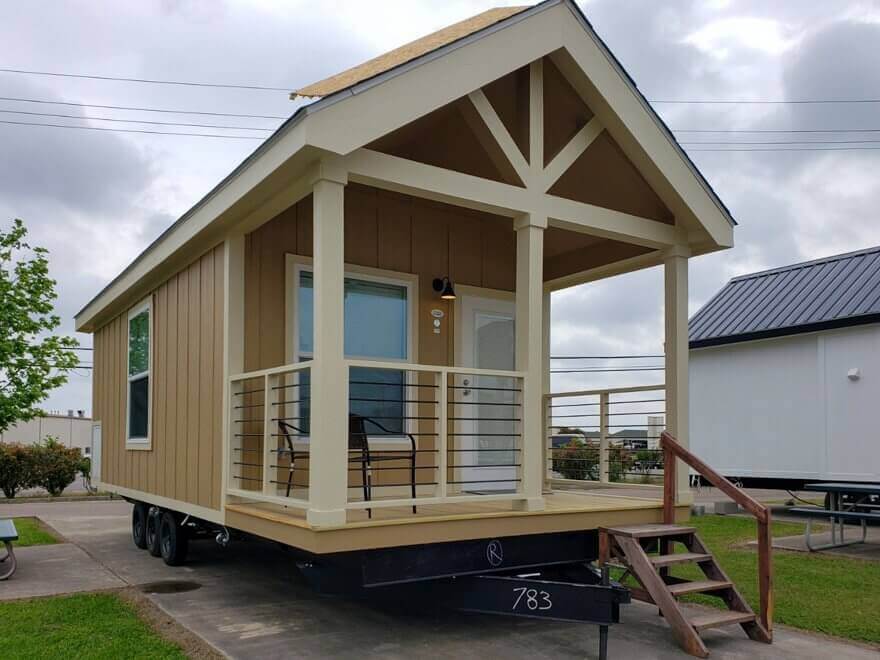
A park model home is officially classified as a recreational vehicle (RV), specifically designed for long-term placement in a single location rather than frequent travel. According to the ANSI A119.5 standard, these units must not exceed 400 square feet (in the United States) or 540 square feet (in Canada) of living space. This strict square footage limitation is not just a design constraint; it is a critical regulatory boundary that separates park models from HUD-regulated manufactured homes and traditional real estate.
Distinguishing Between RVs, Manufactured Homes, and Park Models
From an investment perspective, the distinction between these categories is paramount. A standard RV is a depreciating asset built for mobility. A manufactured home (often called a mobile home) is built to HUD standards and is intended for permanent residence, often qualifying for traditional FHA or VA financing if permanently affixed to land. A park model home sits in the middle. It offers the high-quality finishes and durability of a standard home—often featuring lofts, full-sized kitchens, and residential-grade insulation—but because it remains on a chassis with wheels, it is legally a vehicle.
For the savvy investor, this classification translates to several financial nuances. Because they are not permanent structures, they are often exempt from the high property taxes associated with real estate improvements. Instead, owners typically pay an annual registration fee or personal property tax, which is significantly lower. This reduction in recurring overhead is a cornerstone of the financial appeal for those pursuing a “Financial Independence, Retire Early” (FIRE) lifestyle.
Initial Capital Outlay and Market Positioning
The cost of a park model home typically ranges from $60,000 to $150,000, depending on customization and material quality. When compared to the median price of a single-family home in the United States, which has hovered around $400,000 in recent years, the barrier to entry is remarkably low. This allows investors to enter the real estate market without the burden of a massive 30-year mortgage. For many, the ability to purchase an asset in cash or with a short-term personal loan eliminates interest-rate risk, providing a more stable foundation for long-term wealth building.
Investment Strategies: Leveraging Park Models for High-Yield Returns
Beyond serving as a primary residence for minimalists, park model homes have become a preferred vehicle for generating passive income. The rise of the “glamping” industry and the short-term rental market has transformed these units into high-yield revenue streams.
Short-Term Rental Potential and the “Glamping” Trend
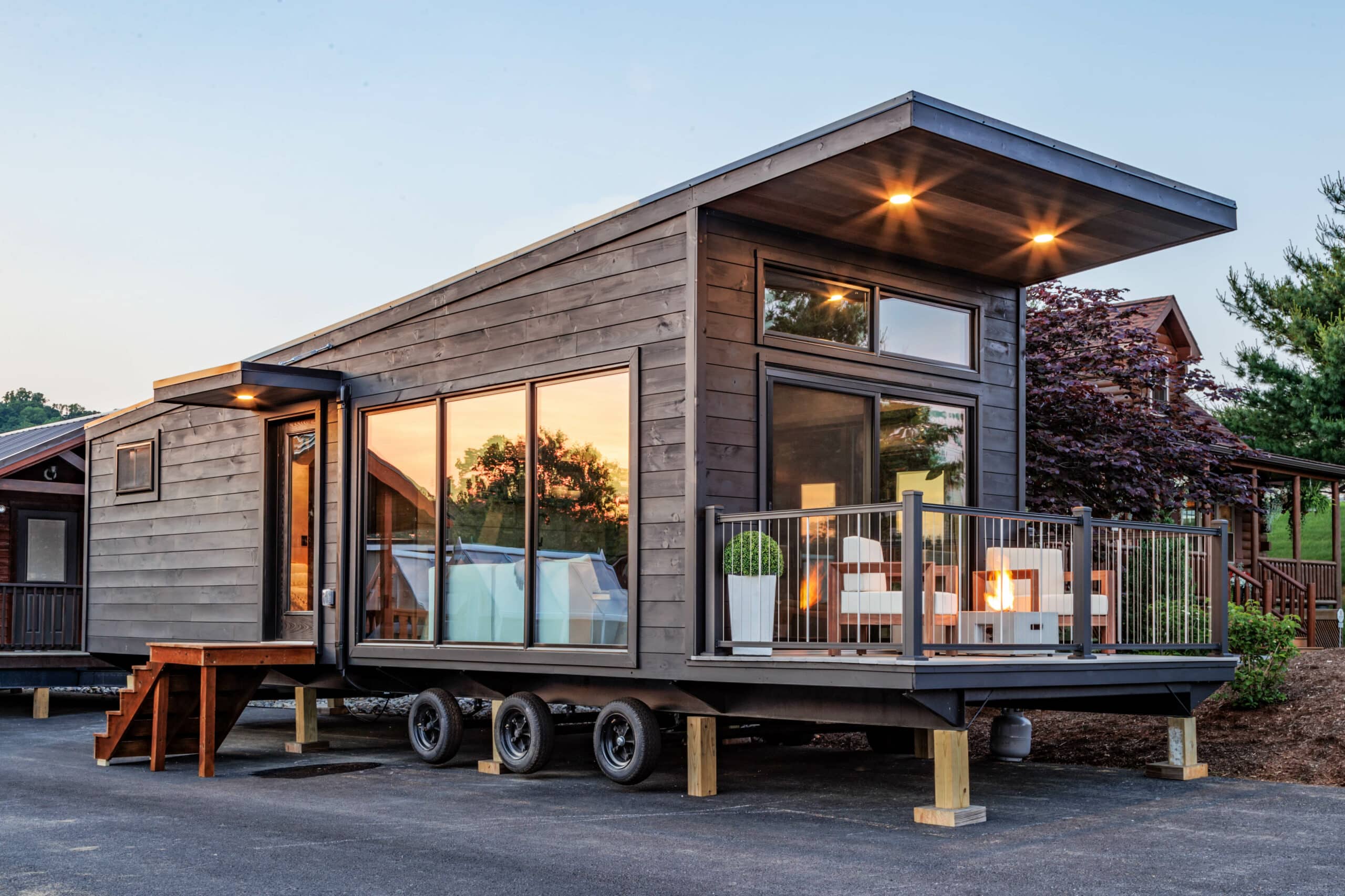
Platforms like Airbnb and VRBO have seen a surge in demand for “unique stays.” Travelers are increasingly moving away from sterile hotel rooms in favor of experiential accommodations. A park model home, styled as a luxury cabin or a modern tiny house, commands a significant nightly premium.
From a business finance perspective, the ROI on a park model rental can be substantially higher than that of a traditional apartment. If an investor spends $100,000 on a park model and places it in a high-demand area—such as near a national park or a popular coastal town—they can often charge $200 to $350 per night. With a 60% occupancy rate, the gross annual revenue can exceed $40,000. After accounting for site fees, insurance, and maintenance, the net yield often outperforms traditional rental properties by a wide margin.
Scalability within RV Resorts and Private Land
The scalability of this model is one of its greatest strengths. Unlike multi-family apartment buildings which require massive capital and complex construction, an investor can start with a single park model home. As cash flow builds, they can add units incrementally.
Many investors choose to place these units in established RV resorts. This strategy offloads the responsibility of infrastructure maintenance (roads, sewage, electricity) to the park management in exchange for a monthly lot lease. Alternatively, for those with private land, placing multiple park models can create a “micro-resort” atmosphere. However, from a financial planning standpoint, one must carefully navigate local zoning laws. Since park models are classified as RVs, many municipalities do not allow them as permanent residences on private lots, requiring they be placed in zones specifically designated for RVs or mobile home parks.
The Appreciation Debate: Do Park Models Gain Value?
A common concern in personal finance is whether a park model home is a “wasting asset” like a car. Traditional real estate appreciates because of the land it sits on, while the structure itself eventually depreciates. Because park model homes are technically vehicles, they do depreciate over time in a vacuum.
However, the market reality is more nuanced. During periods of housing shortages, well-maintained park models in desirable locations have shown remarkable price resilience. Furthermore, if the park model is sold as part of a “turnkey” business (including a long-term lease in a premium resort or as part of a profitable rental portfolio), the business value can far exceed the physical depreciation of the unit.

Personal Finance: Downsizing as a Wealth-Building Tool
For the individual consumer, the decision to live in a park model home is often a strategic move to accelerate savings and investment. By drastically reducing the percentage of income dedicated to housing—the largest expense for most households—individuals can redirect capital into high-growth brokerage accounts or retirement funds.
Operational Costs and Monthly Cash Flow
Living in a 400-square-foot space inherently lowers utility costs. Heating and cooling a small, well-insulated space requires a fraction of the energy used for a 2,500-square-foot home. Maintenance is also simplified; there are no massive roof replacements or extensive landscaping costs typical of suburban properties.
However, the “lot rent” is the primary financial variable. In a luxury RV resort, lot rent might range from $500 to $1,500 per month. While this replaces a mortgage payment, it is an ongoing expense that does not build equity. A thorough financial analysis must compare this lot rent against the interest, taxes, and insurance (PITI) of a traditional home to determine the true savings. For many, the trade-off is worth it because the “saved” mortgage payment (often $2,000+ per month) can be aggressively invested elsewhere.
Financing Challenges and Solutions
One of the most significant hurdles in the park model market is financing. Because these units are not considered “real property,” they do not qualify for traditional 30-year fixed-rate mortgages.
Buyers typically have three options:
- Cash Purchase: This is the most financially sound method, as it avoids interest and provides total ownership of the asset.
- Chattel Loans: These are loans for movable personal property. They often carry higher interest rates (typically 2% to 5% higher than traditional mortgages) and shorter terms (10 to 20 years).
- Personal Loans: For those with excellent credit, a large personal loan can cover the cost of a unit, though the repayment periods are usually much shorter, requiring higher monthly cash flow.
Understanding these financing limitations is crucial for any business plan or personal budget involving a park model. The inability to use traditional leverage means the investor must have more liquid capital available than they would for a standard residential purchase.
Navigating the Legal and Business Risks
No investment is without risk, and the park model home market is heavily influenced by regulatory shifts. For a business owner or investor, the primary risk is zoning volatility. As “tiny homes” gain popularity, many cities are updating their ordinances. Some are becoming more friendly toward park models to solve affordable housing crises, while others are tightening restrictions to protect property values of traditional homeowners.
Insurance and Liability
Insuring a park model requires a specialized policy. Standard homeowners’ insurance will not cover it, and basic RV insurance may not provide adequate coverage for a unit that is used as a primary residence or a commercial rental. Investors must secure “Stationary Travel Trailer” insurance or specific manufactured home policies that include liability coverage for renters. This is a critical cost center that must be factored into any ROI calculation.
Resale Liquidity
While the demand for park models is growing, the secondary market is less liquid than traditional real estate. Selling a park model home often requires finding a buyer who either has the cash on hand or can secure specialized financing. Furthermore, the buyer must have a plan for where to put the unit, as moving a 400-square-foot home can cost several thousand dollars and requires professional movers.
Strategic Outlook for the Park Model Market
The intersection of technology, shifting labor trends (remote work), and a desire for financial freedom has positioned park model homes as more than just a niche housing trend. They represent a modular, flexible approach to capital allocation.
For the personal finance enthusiast, they offer a path to homeownership without the crushing weight of modern debt. For the entrepreneur, they represent a scalable, high-yield business model that taps into the lucrative travel and tourism industry. As the cost of traditional construction continues to rise, the park model home stands as a pre-fabricated solution to the modern housing puzzle—a blend of efficiency, luxury, and financial pragmatism.
Whether viewed as a primary residence or a diversified revenue stream, the park model home requires a sophisticated understanding of its unique status. It is an asset that demands careful location selection, an understanding of “chattel” economics, and a clear-eyed view of the regulatory landscape. For those who master these variables, the park model home is a powerful tool for building and preserving wealth in the 21st century.
aViewFromTheCave is a participant in the Amazon Services LLC Associates Program, an affiliate advertising program designed to provide a means for sites to earn advertising fees by advertising and linking to Amazon.com. Amazon, the Amazon logo, AmazonSupply, and the AmazonSupply logo are trademarks of Amazon.com, Inc. or its affiliates. As an Amazon Associate we earn affiliate commissions from qualifying purchases.