
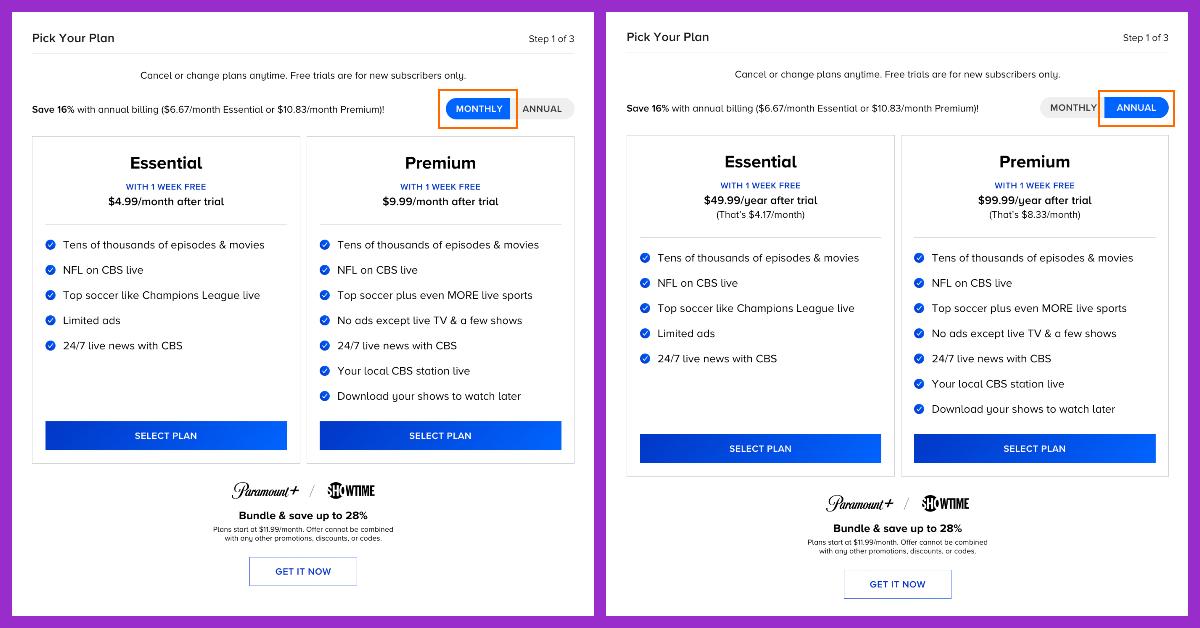
In the rapidly evolving landscape of over-the-top (OTT) media services, the architectural framework of subscription models has shifted toward tiered accessibility. Paramount Plus Essential represents the foundational software tier of Paramount Global’s streaming ecosystem. Far from being just a “budget option,” the Essential tier is a sophisticated technical offering designed to leverage programmatic advertising technology while delivering high-bitrate content to a global audience.
This article explores the technical specifications, infrastructure, and software capabilities of the Paramount Plus Essential tier, examining how it functions within the broader tech stack of modern video-on-demand (VOD) platforms.
Decoding the Essential Tier: Software Architecture and Ad-Integration
The “Essential” designation in Paramount’s portfolio refers to its ad-supported Video on Demand (AVOD) model. From a software engineering perspective, this tier is significantly more complex to manage than an ad-free tier. It requires a seamless handshake between the content delivery network (CDN) and ad-insertion servers.
The Role of Server-Side Ad Insertion (SSAI)
Unlike early web video that used client-side ad insertion—which often led to buffering or “black screens” when ad blockers were present—Paramount Plus Essential utilizes Server-Side Ad Insertion (SSAI). SSAI “stitches” the advertisement directly into the video stream before it reaches the user’s device. This technology ensures a smooth transition between the cinematic content and the commercial break, mimicking the experience of linear television while maintaining the flexibility of digital streaming.
For the end-user, this results in fewer playback errors and a more stable frame rate, even as the metadata switches from the primary content source to the third-party ad server.
Backend Infrastructure and Live Stream Management
One of the technical highlights of the Essential tier is its inclusion of live sports, specifically the NFL on CBS and the UEFA Champions League. Managing live concurrent streams for millions of users requires a robust backend infrastructure. Paramount utilizes multi-CDN strategies to minimize latency and prevent packet loss during high-traffic events. The Essential tier’s ability to toggle between static VOD libraries and high-bandwidth live feeds demonstrates the scalability of its cloud-based architecture, primarily hosted on Amazon Web Services (AWS).
Technical Specifications and Streaming Performance
When evaluating a streaming tier, the “tech specs” define the limits of the user experience. Paramount Plus Essential is optimized for standard high-definition viewing, balancing bandwidth consumption with visual fidelity.
Resolution and Bitrate Efficiency
The Essential tier provides a maximum resolution of 1080p (Full HD). While it lacks the 4K UHD capabilities found in the “Paramount+ with Showtime” tier, the software utilizes advanced video codecs—predominantly H.264 (AVC) and increasingly H.265 (HEVC)—to deliver crisp images.
The bitrate is dynamically adjusted based on the user’s internet stability, a process known as Adaptive Bitrate Streaming (ABR). If the software detects a drop in megabits per second (Mbps), it instantly switches to a lower-resolution manifest file to prevent buffering. For Essential users, this means that even on lower-bandwidth mobile connections, the stream remains functional, albeit at 720p or 480p.
Audio Protocols and Data Compression
In terms of audio technology, the Essential tier supports 5.1 Dolby Digital surround sound on compatible devices. This is achieved through lossy compression techniques that maintain spatial audio integrity without requiring the massive data overhead of lossless formats. For mobile users, the app defaults to high-quality stereo (AAC), which is optimized for headphones and small speakers, ensuring that the audio processing unit of the device is not unnecessarily taxed.
Device Compatibility and Ecosystem Integration
The success of any software service is its ubiquity. Paramount Plus Essential is built on a cross-platform framework that allows it to run on an extensive array of operating systems, from low-power smart TV chips to high-performance gaming consoles.
The App Ecosystem and OS Optimization
Paramount has developed native applications for a variety of environments:
- tvOS (Apple TV): Leveraging the metal API for smooth UI transitions.
- Android TV / Google TV: Optimized for a wide range of hardware specifications, ensuring the app remains responsive even on budget streaming sticks.
- Tizen (Samsung) and WebOS (LG): Utilizing web-based wrappers that are light on system memory (RAM).
- Gaming Consoles: The app on PlayStation 5 and Xbox Series X/S is designed to utilize the hardware’s GPU to upscale the 1080p Essential feed, providing a cleaner look on 4K displays.

Digital Security and DRM
A critical tech component of the Essential tier is its Digital Rights Management (DRM) layer. To protect intellectual property, the software employs Widevine (for Android and Chrome), FairPlay (for Apple devices), and PlayReady (for Windows). These protocols operate in the background, verifying the subscription status and device integrity in milliseconds before the decryption keys are released to start the playback.
User Experience (UX) and Interface Design
The Essential tier’s interface is a masterclass in modern UI/UX design, focusing on content discoverability and algorithmic personalization.
Algorithm-Driven Personalization
Every interaction within the Paramount Plus Essential app—every click, search, and “resume play”—feeds into a machine-learning recommendation engine. This engine analyzes user metadata against a global database to suggest content. The “Tech Stack” here involves complex data pipelines that process user behavior in real-time, ensuring that the homepage “Hero” banners are tailored to individual preferences.
The Navigation Framework
The navigation software is designed for “lean-back” viewing. It utilizes a hierarchical grid system that is easily navigable via a standard D-pad remote. Technically, this involves lazy-loading images; the app only loads the thumbnails currently visible on the screen, which conserves device memory and ensures that the menu feels “snappy” rather than sluggish.
Technical Gaps: Essential vs. Premium Features
To understand the Essential tier, one must also look at the technical features that are intentionally omitted. These omissions are not just business decisions but are reflected in the software’s capabilities.
Lack of Offline Mode
A key technical differentiator is the absence of “Download & Go.” The Essential tier does not include the local storage encryption module required for offline viewing. This means the app does not allocate a “cache” on the device’s internal storage for movie files, simplifying the app’s permissions but limiting its utility in environments without an active internet connection.
Absence of HDR10 and Dolby Vision
High Dynamic Range (HDR) and Dolby Vision require higher metadata overhead and specific licensing handshakes between the app and the TV’s display processor. The Essential tier’s code excludes these metadata layers. While the 1080p image is clear, it lacks the expanded color gamut and peak brightness levels available to the Premium tier. This reduces the processing load on the device, making the Essential tier highly efficient for older hardware.
The Future of Streaming Tech: Where Essential Fits
As we look toward the future of the “Streaming Wars,” the technology behind tiers like Paramount Plus Essential is becoming the industry standard. The move toward “Hybrid VOD” (a mix of ads and subscriptions) is driving innovation in ad-tech and data analytics.
Integration with Bundled Platforms
Technically, Paramount Plus Essential is increasingly integrated into larger hardware and software bundles (such as Walmart+ or T-Mobile offerings). This requires complex API (Application Programming Interface) integrations where the third-party partner’s database must communicate securely and instantly with Paramount’s authentication servers.
Evolving Content Delivery Networks
As Paramount Plus expands, we see a shift toward Edge Computing. By placing content servers closer to the “edge” of the network (closer to the physical location of the user), Paramount can reduce the “Time to First Frame.” For an Essential user, this means that even with the added complexity of ad-calls, the video starts almost instantaneously.
Final Technical Verdict
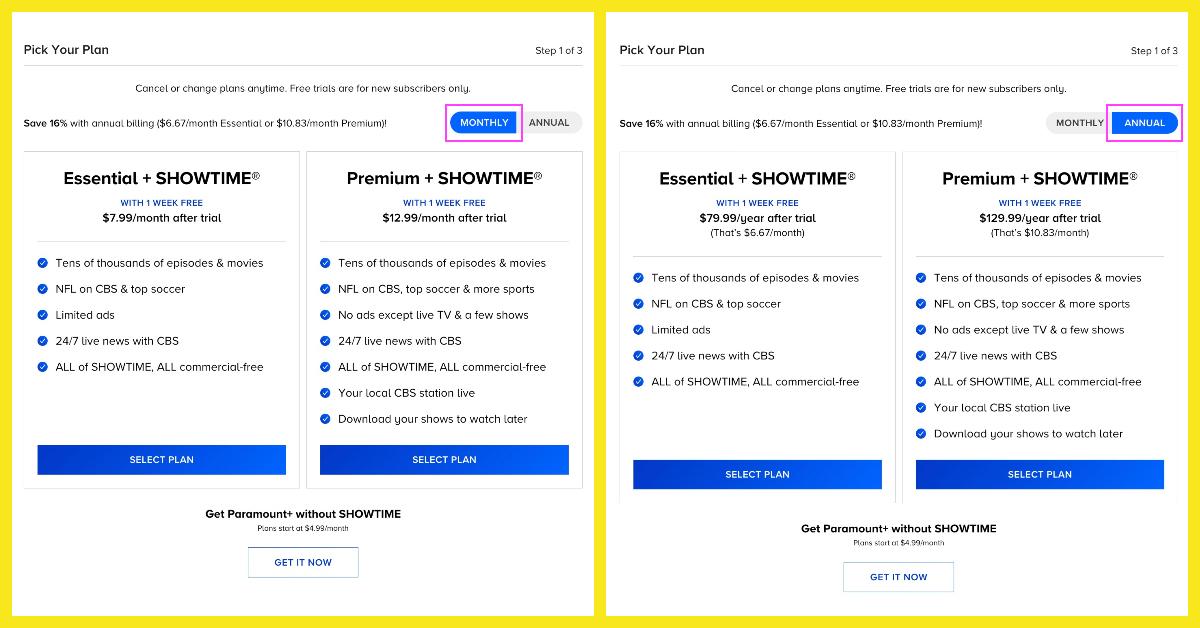
Paramount Plus Essential is a robust example of modern software engineering. It successfully balances the high-bandwidth requirements of 1080p video delivery with the complex, low-latency demands of programmatic advertising. While it lacks the “Ultra HD” bells and whistles of the more expensive tiers, its technical architecture is designed for maximum compatibility and stability.
For the tech-conscious consumer, the Essential tier represents a streamlined version of the Paramount+ experience—one that prioritizes efficient data usage, wide device support, and a responsive user interface over the raw pixel count of 4K. It is a testament to how far streaming software has come, turning a “budget” entry point into a high-performance digital gateway.
aViewFromTheCave is a participant in the Amazon Services LLC Associates Program, an affiliate advertising program designed to provide a means for sites to earn advertising fees by advertising and linking to Amazon.com. Amazon, the Amazon logo, AmazonSupply, and the AmazonSupply logo are trademarks of Amazon.com, Inc. or its affiliates. As an Amazon Associate we earn affiliate commissions from qualifying purchases.