
In an increasingly fragmented digital media landscape, understanding the intricate workings and value proposition of major streaming services is paramount for both consumers and industry observers. Paramount+, a prominent player in the global streaming arena, represents a sophisticated technological ecosystem designed to deliver a vast array of entertainment directly to audiences worldwide. Far more than just a content library, it is a dynamic digital platform built on cutting-edge infrastructure, intelligent algorithms, and user-centric design principles, all working in concert to create a compelling and accessible viewing experience. To truly grasp “what is Paramount+,” one must delve into its technological underpinnings, its feature set, and its strategic position as a modern tech-driven entertainment hub.

The Technological Core of a Modern Streaming Giant
At its heart, Paramount+ is a testament to the advancements in streaming technology, offering an on-demand and live content experience that spans a diverse catalogue. It embodies the shift from traditional broadcast models to a direct-to-consumer digital delivery system, powered by robust technological frameworks.
Defining Paramount+ in the Digital Age
Paramount+ is a subscription video-on-demand (SVOD) and live streaming service operated by Paramount Global. Launched initially in the U.S. as CBS All Access in 2014 and rebranded globally as Paramount+ in 2021, its transformation reflects the evolving demands of digital audiences and the capabilities of modern internet infrastructure. Technologically, it serves as an aggregation point for content from CBS, Paramount Pictures, BET, Comedy Central, MTV, Nickelodeon, and the Smithsonian Channel, alongside original programming and live sports. The platform’s ability to seamlessly integrate such diverse content types – from high-definition cinematic releases to live sports broadcasts – is a significant engineering feat, relying on sophisticated content management systems (CMS) and adaptive bitrate streaming technologies. This allows the service to deliver appropriate video quality based on a user’s internet connection, device capabilities, and subscription tier, ensuring a smooth playback experience even under varying network conditions.
The Evolution of Content Delivery
The journey from linear television to internet-delivered streaming has been marked by continuous technological innovation, and Paramount+ is a direct beneficiary of this evolution. Early streaming services often struggled with buffering, low resolution, and limited device support. Today, Paramount+ leverages a global network of content delivery networks (CDNs) to cache content geographically closer to end-users, drastically reducing latency and improving loading times. This distributed architecture is critical for handling millions of concurrent streams during peak viewing hours, such as major live sporting events or new series premieres. Furthermore, the platform utilizes advanced video codecs (like H.264 and increasingly H.265/HEVC) for efficient compression, allowing high-quality video to be transmitted with less bandwidth, which is crucial for delivering 4K HDR content without excessive data consumption. The ongoing investment in these foundational technologies is what enables Paramount+ to compete effectively in a crowded market, promising reliability and performance that meet contemporary viewer expectations.
Powering the Viewer Experience: Features and Functionality
Beyond its backend infrastructure, Paramount+ distinguishes itself through a rich array of user-facing features and functionalities designed to optimize engagement and personalization across various devices.
Seamless Multi-Platform Accessibility
A core tenet of modern streaming services is ubiquitous accessibility, and Paramount+ excels in this regard. The service is available across a comprehensive ecosystem of devices, including smart TVs (Samsung, LG, Vizio, Android TV), streaming media players (Roku, Apple TV, Amazon Fire TV), gaming consoles (PlayStation, Xbox), mobile devices (iOS, Android), and web browsers. Each platform requires a tailored application or interface that adheres to the respective operating system’s guidelines while maintaining a consistent brand identity and user experience. The development teams behind Paramount+ utilize cross-platform development frameworks where appropriate, alongside native app development, to ensure optimal performance and responsiveness on each device. This extensive device compatibility ensures that users can pick up their viewing experience virtually anywhere, leveraging cloud-syncing capabilities to maintain progress across different screens.
Enhancing Engagement with User-Centric Features
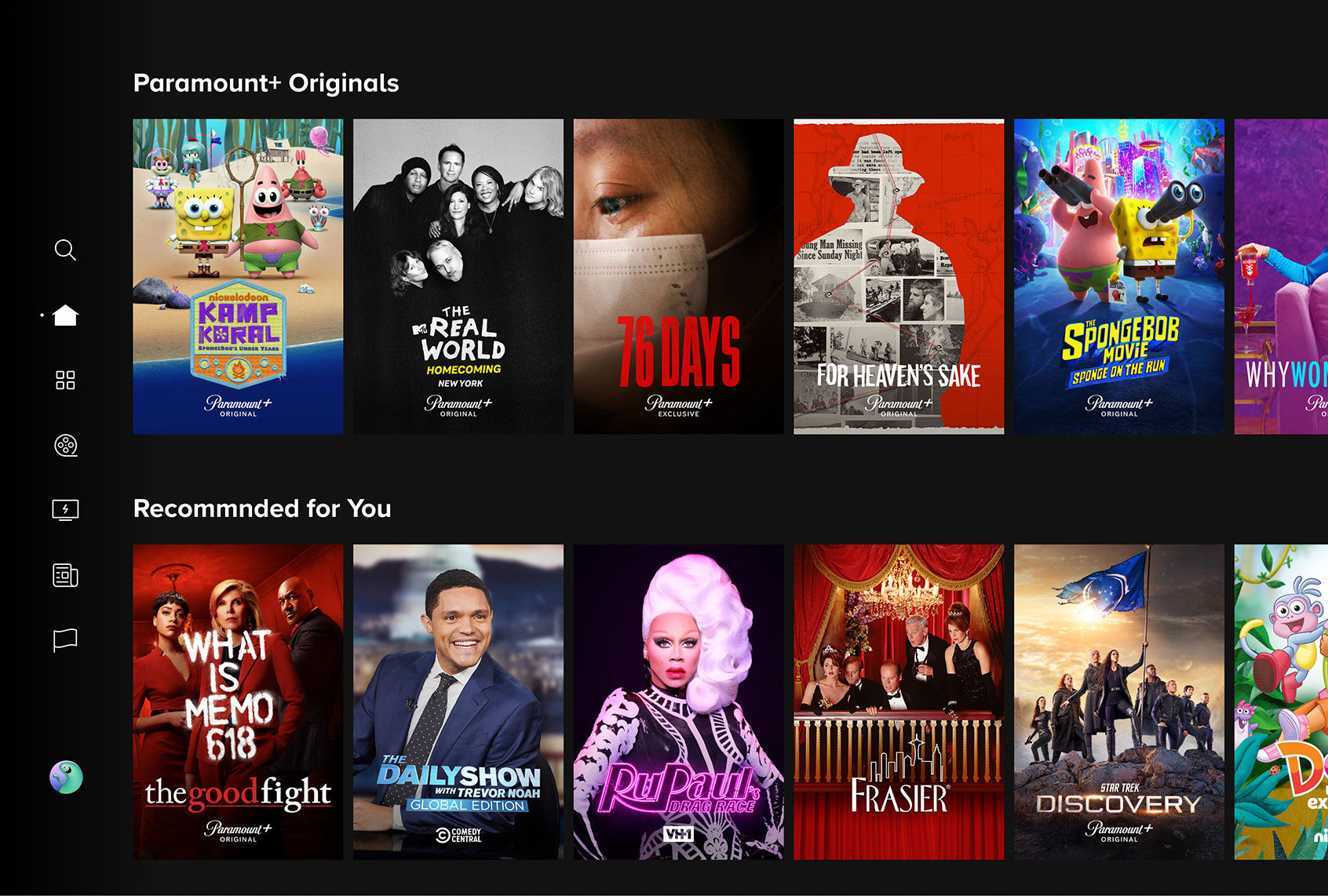
Paramount+ incorporates several features aimed at improving user engagement and convenience. Multiple user profiles allow different members of a household to maintain personalized watch histories, recommendation lists, and parental controls. The recommendation engine, powered by machine learning algorithms, analyzes viewing habits and preferences to suggest relevant content, continuously refining its suggestions over time. Download functionality for offline viewing provides flexibility, allowing subscribers to enjoy content without an internet connection, a critical feature for travelers or those with limited data plans. Live TV integration for CBS and specific sports channels (depending on location and subscription tier) offers the immediacy of broadcast television within a streaming app, demanding low-latency streaming protocols and robust server infrastructure to minimize delays. Furthermore, robust search and discovery tools, including categorized browsing and curated collections, help users navigate the extensive content library efficiently.
Content Quality and Advanced Streaming Technologies
Paramount+ is committed to delivering high-fidelity audio and video experiences. The platform supports 4K Ultra HD resolution, High Dynamic Range (HDR) standards like Dolby Vision and HDR10, and immersive audio formats such as Dolby Atmos on compatible devices and content. Implementing these advanced standards requires sophisticated encoding pipelines that process content into multiple formats and bitrates, ensuring that the optimal version is delivered to each user’s device. For example, a 4K Dolby Vision stream requires significantly more bandwidth and processing power than a standard definition stream, and the platform’s adaptive bitrate logic must intelligently switch between these renditions in real-time to maintain a buffer-free experience while preserving quality. The backend systems are designed to manage vast amounts of high-resolution media files, ensuring they are correctly tagged, metadata-rich, and ready for distribution across global CDNs.
The Engineering Behind the Stream: Infrastructure and Innovation
The seamless user experience offered by Paramount+ is the tip of an iceberg, underneath which lies a complex and resilient technological infrastructure.
Cloud-Native Architecture and CDN Optimization
Paramount+ leverages a cloud-native architecture, predominantly utilizing major public cloud providers. This approach offers unparalleled scalability, allowing the service to dynamically allocate resources to meet fluctuating demand, from daily peak hours to massive spikes during major events. Microservices architecture breaks down the application into smaller, independent components, enabling faster development cycles, easier maintenance, and improved fault isolation. If one service experiences an issue, it doesn’t necessarily bring down the entire platform. The aforementioned CDNs are crucial, with Paramount+ partnering with multiple providers to ensure redundancy and optimal routing. These networks are not just for delivering video; they also distribute application updates, metadata, and user interface assets, contributing to the overall responsiveness of the service.
Data, AI, and Personalization Engines
Data is the lifeblood of modern streaming, and Paramount+ employs sophisticated analytics to understand user behavior, content performance, and system health. Every interaction, from clicks and searches to pause points and watch durations, generates data that feeds into recommendation engines and content strategy. Artificial intelligence (AI) and machine learning (ML) models process this data to power personalized content recommendations, dynamic content curation, and targeted advertising (for ad-supported tiers). These engines are constantly learning, adapting to individual preferences and identifying emerging trends to keep users engaged. Beyond personalization, AI is also utilized in content operations, such as automated metadata tagging, quality control, and even content moderation, streamlining workflows and enhancing efficiency.
Digital Security and Rights Management (DRM)
Protecting intellectual property and subscriber data is paramount for any streaming service. Paramount+ employs robust digital rights management (DRM) technologies (like Widevine, FairPlay, and PlayReady) to prevent unauthorized copying and distribution of its content. These systems encrypt the video streams and apply licenses that verify user authorization, ensuring that only legitimate subscribers can access the content. Data security is equally critical, with advanced encryption protocols and stringent access controls safeguarding user information. Compliance with global data privacy regulations (e.g., GDPR, CCPA) is a continuous effort, managed through sophisticated security architectures and privacy-by-design principles implemented throughout the platform. This multi-layered approach to security protects both the valuable content library and the privacy of its global subscriber base.
Navigating the Competitive Landscape with Technological Acumen
In a highly saturated market, Paramount+’s technological capabilities are not just about delivering content; they are strategic differentiators.
Differentiating Through Content and Tech Integration
While content is often cited as king, its delivery mechanism and the associated user experience are equally vital. Paramount+ differentiates itself by integrating its vast library of iconic content with a robust technological platform. For instance, its live sports offerings, such as NFL and UEFA Champions League matches, demand extremely low-latency streaming and high reliability, distinguishing it from purely on-demand services. The integration of live broadcasting with interactive features, real-time statistics, and seamless switching between simultaneous games pushes the boundaries of streaming technology. Furthermore, the platform’s ability to quickly onboard new original series and films, often simultaneously with theatrical releases, showcases agile content delivery pipelines and sophisticated digital asset management systems.
Adapting to Emerging Technologies and Viewer Demands
The streaming landscape is in constant flux, driven by evolving consumer expectations and technological advancements. Paramount+ continually invests in R&D to explore and integrate new technologies. This includes enhancing search capabilities with natural language processing, experimenting with personalized advertising inserts that feel less intrusive, and improving accessibility features for diverse audiences (e.g., advanced captioning, audio descriptions). The platform’s iterative development cycle, enabled by its cloud-native architecture, allows for rapid deployment of new features and improvements, ensuring it remains competitive and responsive to user feedback and market trends. The push towards 8K streaming, interactive content formats, and even nascent metaverse experiences are all on the horizon, requiring continuous technological foresight and adaptation.
The Future Trajectory of Paramount+: A Technological Outlook
The future of Paramount+ is inextricably linked to its continued technological innovation and global expansion strategy.
Expanding Global Reach Through Tech Infrastructure
Paramount+ has a stated goal of expanding its global footprint. This involves not only content licensing agreements but also significant technological investment in localized infrastructure, content delivery networks tailored to regional demands, and scalable cloud deployments in new territories. Each new market presents unique challenges, from varying internet speeds and device preferences to regulatory compliance and payment gateways. The platform’s architecture must be flexible enough to accommodate these regional differences while maintaining a consistent global brand experience. This includes robust internationalization and localization features within its apps and backend systems, ensuring proper language support, currency handling, and content rights management across diverse regions.

The Horizon of Interactive and Immersive Entertainment
Looking ahead, Paramount+ is positioned to explore next-generation entertainment experiences. This could involve leveraging 5G networks for enhanced mobile streaming quality and low-latency interactive features, or even integrating augmented reality (AR) and virtual reality (VR) elements for more immersive content consumption. Personalized story branches, interactive narrative elements, and social viewing experiences could redefine how audiences engage with entertainment. The underlying technology for such innovations – including real-time rendering, spatial computing, and advanced network protocols – will be critical. Ultimately, Paramount+ aims to remain at the forefront of digital entertainment, continuously pushing the boundaries of what is possible through a blend of compelling content and cutting-edge technological prowess, ensuring its relevance and growth in the dynamic world of streaming.
aViewFromTheCave is a participant in the Amazon Services LLC Associates Program, an affiliate advertising program designed to provide a means for sites to earn advertising fees by advertising and linking to Amazon.com. Amazon, the Amazon logo, AmazonSupply, and the AmazonSupply logo are trademarks of Amazon.com, Inc. or its affiliates. As an Amazon Associate we earn affiliate commissions from qualifying purchases.