
In an increasingly fragmented digital entertainment landscape, understanding the myriad streaming options can be a challenge. Among the giants and niche players, Paramount+ has carved out a significant space, representing a pivotal evolution in how traditional media companies deliver content in the modern era. More than just another app on your smart TV, Paramount+ is a comprehensive streaming service that blends live television, an expansive on-demand library, exclusive originals, and live sports, all powered by a robust technological infrastructure. At its core, Paramount+ is ViacomCBS’s (now Paramount Global) flagship direct-to-consumer offering, designed to leverage its vast intellectual property and broadcasting capabilities into a cohesive, competitive digital platform.

Born from the foundation of CBS All Access, Paramount+ represents a strategic pivot and a significant technological upgrade, aiming to be a central hub for content from CBS, Paramount Pictures, MTV, Comedy Central, Nickelodeon, BET, Smithsonian Channel, and more. This article delves into the technological fabric of Paramount+, exploring its journey, content strategy, underlying mechanics, competitive positioning, and future trajectory, all through the lens of a sophisticated digital technology product.
The Evolution of Paramount+: From CBS All Access to a Global Player
The story of Paramount+ is one of adaptation and strategic foresight in a rapidly changing media environment. Its current form is the culmination of years of development, testing, and a bold rebrand designed to consolidate a vast array of content under a single, powerful digital banner.
Origins: The Birth of CBS All Access
The precursor to Paramount+ was CBS All Access, launched in October 2014. At the time, it was a pioneering move for a major broadcast network to offer a standalone streaming service. CBS All Access provided live streams of local CBS stations, a substantial on-demand library of CBS shows, and, critically, began to produce original content exclusively for the platform. Landmark series like “Star Trek: Discovery” and “The Good Fight” were instrumental in demonstrating the potential of a network-specific streaming service and proving the viability of direct-to-consumer digital distribution for traditional broadcasters. Technologically, it was an early iteration, primarily focused on delivering existing network content and a nascent slate of originals through a proprietary app and web interface. Its success, albeit on a smaller scale compared to later entrants, provided invaluable data and experience in operating a digital streaming platform.
The Rebrand and Expansion: Why Paramount+?
The rebrand from CBS All Access to Paramount+ on March 4, 2021, was far more than a simple name change; it was a comprehensive strategic and technological overhaul. The shift reflected the merger of CBS and Viacom in late 2019, creating ViacomCBS (now Paramount Global). This merger brought together an unparalleled trove of content from across CBS, Paramount Pictures, and Viacom’s cable networks. The decision to brand it as “Paramount+” leveraged the globally recognized Paramount mountain logo, signaling a broader, more ambitious offering that transcended the perception of a single network’s streaming platform.
Technologically, this rebrand involved a significant expansion of server capacity, content delivery networks (CDNs), and the integration of diverse content management systems from across the newly merged entities. The user interface was revamped, search algorithms improved, and the overall platform architecture was scaled to handle a much larger content library and projected subscriber base. It became a singular digital destination for everything from classic movies to children’s programming, live sports, and reality TV, all accessible through a unified application.
Key Milestones in its Growth
Since its relaunch, Paramount+ has pursued aggressive expansion. Technologically, this has meant optimizing its platform for diverse global markets, addressing issues like regional content licensing, currency conversions for subscriptions, and adapting user interfaces for different languages and cultural preferences. Key milestones include:
- Rapid International Rollout: Launching in Canada, Latin America, Australia, the Nordics, and other regions, requiring robust geo-fencing technologies and localized content libraries.
- Integration of Pluto TV Technology: Leveraging ad-supported streaming innovations from Pluto TV (a ViacomCBS acquisition) to potentially offer hybrid models or enhance the user experience with integrated live channels.
- Continuous Platform Updates: Regular updates to the app across various devices (smart TVs, mobile, gaming consoles, web browsers) to improve performance, add features, and enhance security. These updates often involve optimizing streaming protocols, improving video compression for faster loading and better quality, and refining content recommendation engines.
Diving Deep into the Paramount+ Content Library
One of Paramount+’s most compelling technological challenges and strategic advantages lies in its content aggregation and delivery. Unlike some competitors focused on a single genre or studio, Paramount+ aims to be a diverse content hub, meticulously organizing and presenting a vast array of media types.
Live TV and On-Demand: A Dual Offering
Paramount+ uniquely combines the immediacy of live television with the flexibility of on-demand streaming. Subscribers in the US have access to a live feed of their local CBS station, providing access to news, sports, and primetime shows as they air. This requires sophisticated live-streaming technology, including reliable encoding, low-latency delivery, and robust infrastructure to handle peak viewership during major events like the Super Bowl or Grammy Awards. The platform must seamlessly transition between live broadcasts and its extensive on-demand library, which houses thousands of episodes and films available at any time. The technology behind this includes digital rights management (DRM) to protect content, adaptive bitrate streaming to ensure smooth playback regardless of internet speed, and a powerful content management system (CMS) to categorize and serve up this diverse media efficiently.
Exclusive Originals: A Pillar of Content Strategy
A critical component of any modern streaming service is its slate of exclusive original programming. Paramount+ has heavily invested in this area, commissioning new series and continuations of beloved franchises. From new “Star Trek” series like “Strange New Worlds” and “Picard” to “Yellowstone” prequels like “1883” and “1923,” these originals are designed to be subscriber magnets. The production and post-production workflows for these shows often leverage cutting-edge technologies, from high-resolution cinematography to advanced visual effects. Their delivery on Paramount+ requires robust content ingest systems capable of handling large file sizes, maintaining picture quality (often 4K HDR), and ensuring global accessibility with localized subtitles and dubbing tracks, all managed through a sophisticated metadata tagging system to facilitate search and discovery.
Iconic Franchises and Paramount Pictures Vault
Paramount+ boasts access to the legendary Paramount Pictures film library, alongside beloved franchises from Nickelodeon, MTV, Comedy Central, and more. This includes classic movies, hit animated series, reality TV staples, and critically acclaimed dramas. The digitization, encoding, and archiving of this vast historical content require significant technological effort, ensuring that older films and shows are presented in the best possible quality for modern screens, often involving remastering processes. The search and recommendation algorithms play a crucial role here, helping users navigate through decades of content to find specific titles or discover new favorites based on their viewing habits and genre preferences.
Sports Streaming: A Unique Selling Proposition
Perhaps one of the most technologically demanding aspects of Paramount+ is its robust live sports offering. This includes NFL on CBS, UEFA Champions League, Serie A, NWSL, and more. Delivering live sports globally requires extremely low latency streaming to minimize delays between the live event and the viewer’s screen, high bitrate video to capture fast-moving action without pixelation, and dynamic ad insertion technologies to monetize broadcasts effectively. The platform’s infrastructure must be capable of scaling instantly to accommodate massive, unpredictable surges in concurrent viewers during major games, demanding highly resilient servers, redundant CDNs, and sophisticated network monitoring to prevent outages and ensure a seamless viewing experience for millions simultaneously. This complex system underpins Paramount+’s ability to compete not just with other entertainment streamers but also with dedicated sports broadcasting platforms.
How Paramount+ Works: Features, Devices, and User Experience
The effectiveness of any streaming service ultimately hinges on its technical functionality and user experience across a multitude of devices. Paramount+ has invested heavily in creating a user-friendly and technologically sound platform.
Subscription Tiers and Pricing Models
Paramount+ offers different subscription tiers (e.g., “Essential” with limited ads and “Premium” with minimal ads and local CBS live stream) that illustrate a common technological approach to content access and monetization. The underlying technology must manage user authentication, track subscription status, enforce content rights based on the chosen tier (e.g., ad insertion for lower tiers), and handle secure payment processing. This involves robust backend databases, secure API integrations with payment gateways, and sophisticated entitlement management systems that control what content a user can access based on their subscription level and geographical location.
Supported Devices and Accessibility
Paramount+ is designed for ubiquitous access, available on a vast array of internet-connected devices. This includes smart TVs (Samsung, LG, Vizio, Roku TVs, Android TV), streaming devices (Roku, Apple TV, Amazon Fire TV, Chromecast), mobile devices (iOS and Android smartphones and tablets), web browsers, and gaming consoles (PlayStation, Xbox). Developing and maintaining apps across such a diverse ecosystem requires significant engineering effort, ensuring compatibility, optimizing performance for different hardware specifications, and providing a consistent user interface and experience regardless of the platform. This often involves cross-platform development frameworks and rigorous testing across thousands of device permutations.
User Interface and Personalization Features
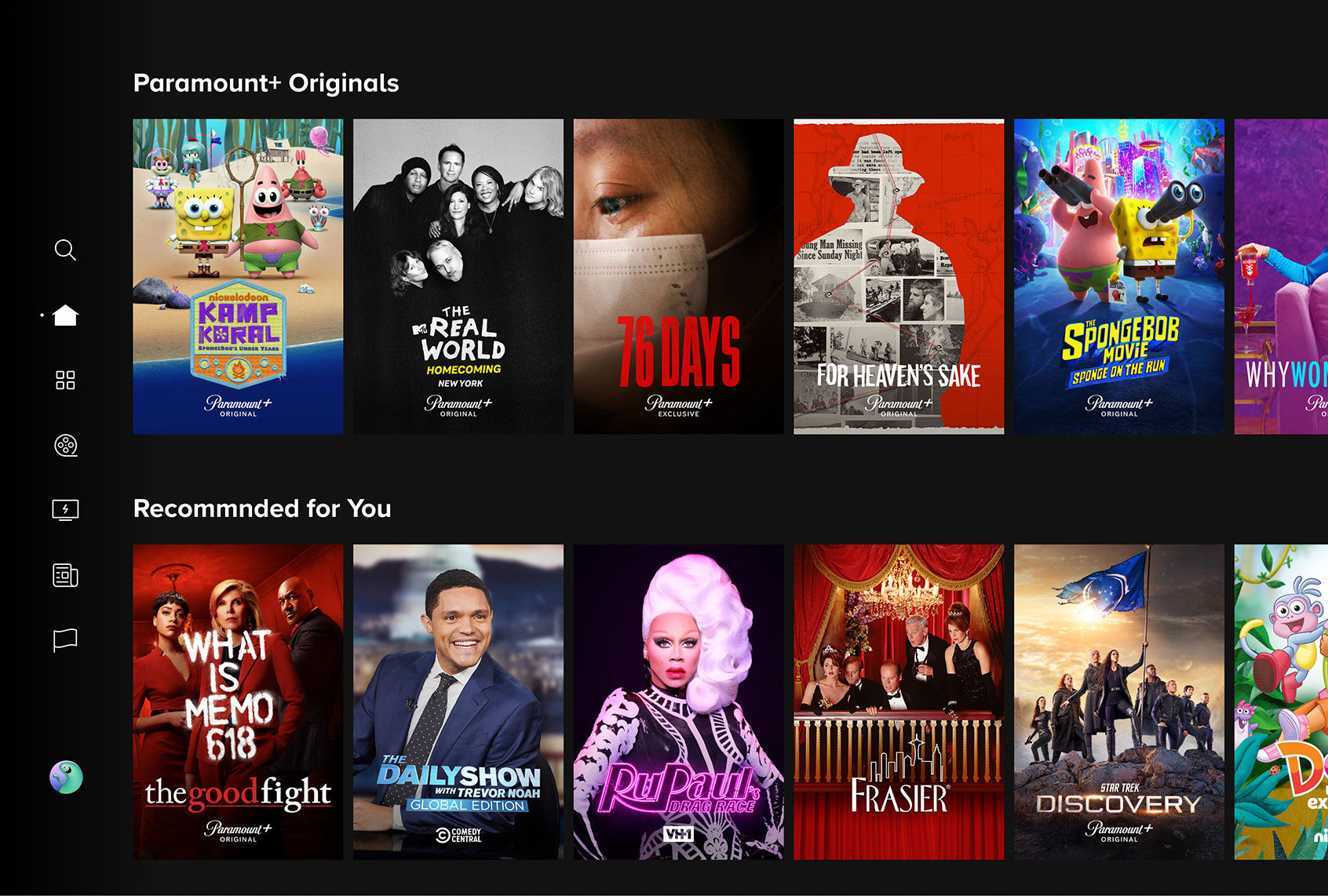
The Paramount+ user interface is designed for intuitive navigation, featuring content carousels, curated collections, and dedicated hubs for its various brands. Technologically, this relies on a sophisticated content recommendation engine driven by machine learning algorithms that analyze user viewing history, genre preferences, and interactions to suggest relevant titles. Personalization extends to features like user profiles (allowing multiple household members to have their own viewing history and recommendations), watchlists, and “continue watching” functionality, all powered by backend databases that store user data securely and efficiently.
Offline Viewing and Multiple Profiles
For mobile users, Paramount+ offers offline viewing capabilities, allowing subscribers to download select content to their devices. This feature requires robust digital rights management (DRM) to ensure downloaded content is securely stored and adheres to licensing restrictions (e.g., expiration dates for downloads). Multiple user profiles cater to different family members, each with their own watch history, recommendations, and parental controls. This is managed by a user management system that associates viewing data and settings with individual profiles, ensuring a personalized and safe viewing experience for all ages.
Paramount+’s Place in the Streaming Wars: Competition and Strategy
The streaming landscape is fiercely competitive, dominated by tech giants and media behemoths. Paramount+’s strategy and technological capabilities are crucial in differentiating itself and securing market share.
Navigating a Crowded Market: Differentiating Factors
Paramount+ distinguishes itself through its unique blend of live sports, news, and its vast library of iconic content from Paramount Global’s diverse portfolio. Technologically, its advantage lies in the robust infrastructure that supports live sports and news delivery, which many competitors lack or offer only as add-ons. Its ability to seamlessly integrate these live elements with an extensive on-demand library within a single application provides a distinct value proposition. Furthermore, its continuous investment in original content, particularly within popular franchises like “Star Trek” and “Yellowstone,” leverages intellectual property that resonates deeply with specific fan bases, fostering subscriber loyalty.
Global Reach and Localized Content
Paramount+’s aggressive global expansion strategy is technologically demanding. It involves adapting its platform for different regulatory environments, content licensing agreements that vary by region, and providing localized content – not just subtitles and dubs, but also commissioning original programming specific to certain markets. This requires sophisticated geo-blocking technologies, content delivery networks optimized for global reach, and a flexible CMS capable of managing regional content variations. The ability to launch and operate efficiently in diverse international markets is a testament to the scalability and adaptability of its underlying technology.
Bundling and Partnerships: Expanding Ecosystems
To further extend its reach and appeal, Paramount+ has engaged in various bundling initiatives and partnerships. This includes offers through telecommunication providers, aggregation through platforms like Amazon Prime Video Channels and Apple TV Channels, and even bundling with other streaming services (e.g., a Showtime bundle). Technologically, these partnerships require complex API integrations to manage shared subscriber data, single sign-on capabilities, and unified billing, all while maintaining a consistent brand experience. These ecosystem integrations are vital for subscriber acquisition in a saturated market, leveraging the customer bases of partner companies.
The Future of Paramount+: Innovation and Outlook
As technology continues to evolve, so too must streaming services. Paramount+ is positioned to embrace emerging technologies to enhance user experience, content delivery, and business sustainability.
Technological Advancements: Picture Quality, Sound, and Interactivity
The pursuit of cinematic quality at home continues to drive innovation. Paramount+ is expected to push boundaries with wider adoption of 4K Ultra HD, High Dynamic Range (HDR) formats like Dolby Vision and HDR10+, and immersive audio technologies such as Dolby Atmos. This requires continuous upgrades to encoding processes, server capabilities, and bandwidth optimization. Future enhancements might also include more interactive elements, such as “watch party” features, real-time polls during live events, or augmented reality (AR) integrations on mobile devices, transforming passive viewing into an engaging experience.
AI-Driven Recommendations and Content Discovery
Artificial intelligence and machine learning are at the heart of personalized content discovery. As Paramount+’s content library grows, advanced AI algorithms will become even more critical for surfacing relevant content, predicting user preferences, and even influencing content commissioning based on viewing data. Beyond basic recommendations, AI could power more sophisticated search queries, contextual content linking (e.g., suggesting behind-the-scenes content or related documentaries), and dynamic content sequencing to keep viewers engaged.

Sustainability in the Streaming Business Model
The long-term viability of streaming services depends on efficient resource management and a sustainable business model. Paramount+ will continue to leverage cloud computing to scale its infrastructure dynamically, reducing operational costs while improving reliability. Energy efficiency in data centers and streaming delivery will also be an increasing focus. Furthermore, exploring innovative advertising technologies, such as highly personalized and non-intrusive ad formats for its ad-supported tiers, will be key to balancing revenue generation with a positive user experience.
In conclusion, Paramount+ is a sophisticated technological product, a multifaceted digital platform that has successfully evolved from a pioneering network streaming service into a global entertainment powerhouse. Its strength lies in its ability to integrate diverse content, deliver robust live experiences, and adapt its technology to meet the demands of a competitive, ever-changing digital landscape. As it continues to innovate, Paramount+ remains a crucial player in the ongoing evolution of how we consume media, demonstrating the power of traditional content fused with cutting-edge digital delivery.
aViewFromTheCave is a participant in the Amazon Services LLC Associates Program, an affiliate advertising program designed to provide a means for sites to earn advertising fees by advertising and linking to Amazon.com. Amazon, the Amazon logo, AmazonSupply, and the AmazonSupply logo are trademarks of Amazon.com, Inc. or its affiliates. As an Amazon Associate we earn affiliate commissions from qualifying purchases.