
In the hyper-competitive landscape of global marketing, few “products” possess the enduring brand equity of the Mexican Pan de Muerto. While technically a seasonal sweet bread central to the Día de los Muertos (Day of the Dead) celebrations, from a strategic perspective, Pan de Muerto represents one of the most successful examples of cultural branding in human history. It is a symbol that transcends its ingredients—flour, sugar, and orange blossom—to become a powerful vessel for identity, nostalgia, and community engagement.
For brand strategists and corporate identity experts, the “Pan de Muerto” phenomenon offers a blueprint for how traditional symbols can be scaled, preserved, and marketed in a globalized economy. This article explores the branding mechanics behind this iconic bread, analyzing how it maintains its premium status and cultural relevance through visual semiotics, strategic storytelling, and modern market adaptation.
The Visual Identity of Tradition: Defining the Pan de Muertos Brand
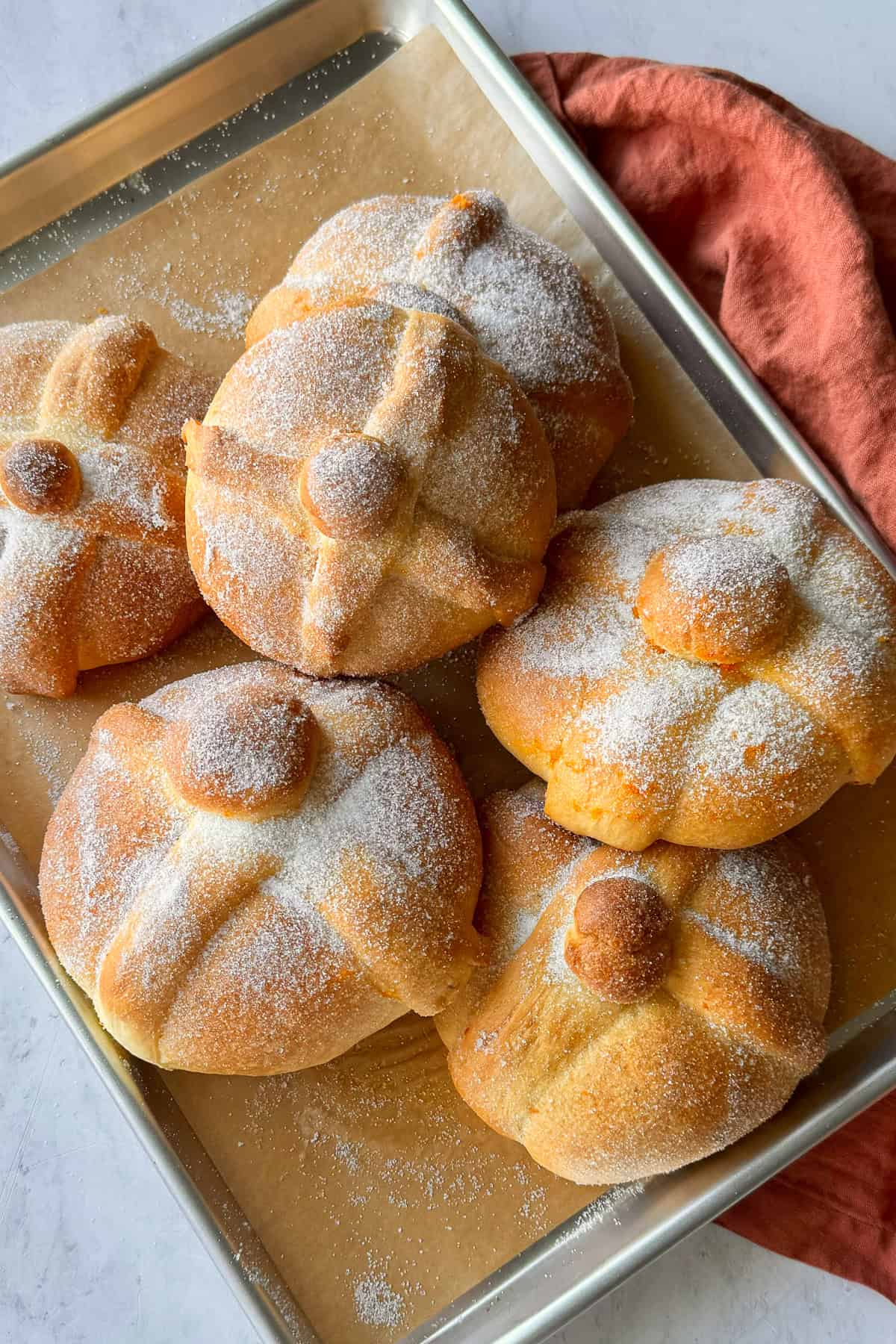
The strength of any brand lies in its instant recognizability. Just as the Nike “Swoosh” or the Apple logo communicates a specific set of values, the unique shape of Pan de Muerto serves as a visual trademark for the Mexican concept of honoring the deceased.
Visual Semiotics and Symbolic Identity
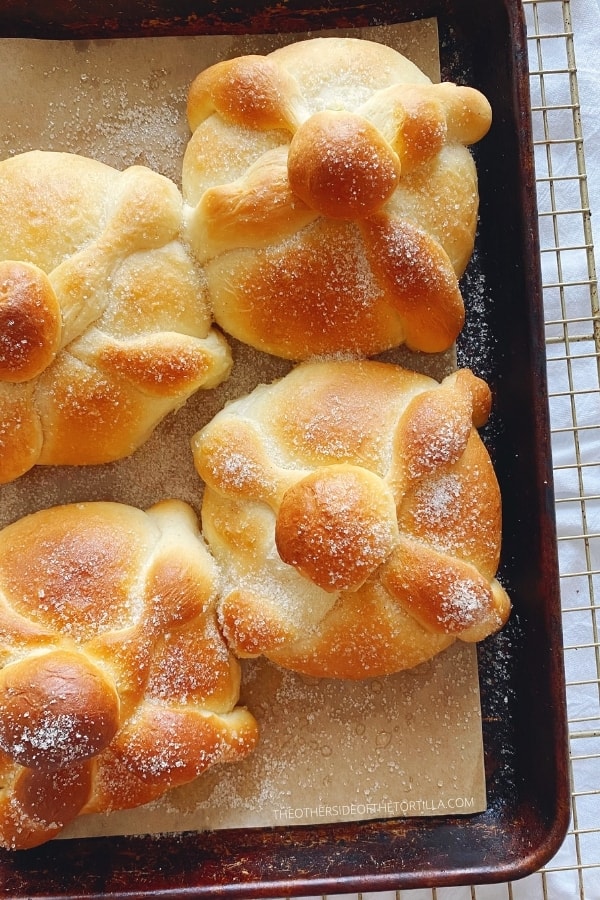
The “logo” of the Pan de Muerto brand is built into its physical form. The central sphere represents the cranium, while the four long strips of dough crossing the bread signify the bones of the deceased and the four cardinal points of the universe according to Mesoamerican cosmology.
From a brand design perspective, this is a masterstroke of functional symbolism. Each element tells a story. When a consumer sees this specific arrangement, they are not just seeing food; they are engaging with a multi-layered narrative of life, death, and rebirth. This consistency in design across thousands of independent “manufacturers” (bakeries) is what allows the product to maintain its brand integrity without a centralized governing body.
Storytelling as a Brand Foundation
A brand is only as strong as the story it tells. Pan de Muerto leverages a narrative that is thousands of years old, rooted in the blending of indigenous Aztec rituals and Spanish Catholic traditions. This “origin story” provides the product with an authenticity that modern brands spend millions to manufacture.
In marketing terms, this is referred to as “heritage branding.” By positioning the bread as a bridge between the living and the dead, it moves from being a commodity to a ritual necessity. Consumers are not just buying bread; they are participating in a sacred legacy. This emotional connection is the ultimate goal of any brand strategy, as it ensures customer loyalty that defies price fluctuations or market trends.
Strategic Integration: How Modern Brands Leverage Heritage
In recent decades, the “Pan de Muerto” brand has moved beyond local neighborhood bakeries (panaderías) and into the boardrooms of multinational corporations. This shift demonstrates the commercial viability of cultural symbols when integrated into modern brand portfolios.
The Ethics of Cultural Appropriation vs. Appreciation
As global brands like Starbucks, Nestlé, and Walmart introduce Pan de Muerto variations into their seasonal lineups, a critical branding tension arises: how to scale a tradition without diluting its essence. Successful corporate strategy in this niche requires a delicate balance.
Brands that succeed are those that position themselves as stewards of the tradition rather than mere exploiters. This involves transparent sourcing, collaboration with local artisans, and marketing campaigns that educate rather than just sell. When a brand demonstrates respect for the “Pan de Muerto” source code, it gains “cultural capital,” a form of brand equity that is highly valued by younger, socially conscious demographics.
Case Study: Global Franchises in the Mexican Market
Observe how global coffee chains have adapted their “seasonal drink” strategy to include Pan de Muerto pairings. By offering a “Pan de Muerto Latte” or a mini-version of the bread, these companies localize their brand identity.

This is a classic “Glocalization” strategy—thinking globally but acting locally. By aligning their corporate identity with a deeply personal cultural event, these brands reduce the “foreignness” of their image and foster a sense of belonging within the local market. The bread acts as the “hook” that draws the consumer into the brand’s ecosystem during a high-spend holiday season.
Scaling the Seasonal: Market Expansion and Brand Awareness
One of the most impressive feats of the Pan de Muerto brand is its successful expansion into the “Global North.” What was once a localized Mexican tradition is now a global culinary trend, driven by digital visibility and the rising influence of the Mexican diaspora.
Exporting the Experience: The Global North Strategy
The expansion of Pan de Muerto into markets like the United States, Canada, and Europe is a lesson in market penetration. The strategy has relied heavily on “experiential branding.” International consumers are increasingly looking for “authentic” experiences.
By marketing Pan de Muerto not just as a food item but as part of a “cultural experience” (often packaged with ofrendas, marigolds, and colorful imagery), exporters have created a premium niche. In metropolitan centers like New York or London, Pan de Muerto is often sold at a premium price point in artisanal bakeries, reflecting its status as a high-value, culturally-significant brand.
Digital Branding and the “Instagrammable” Aesthetic
In the digital age, a brand’s survival often depends on its visual “shareability.” Pan de Muerto, with its dusting of white sugar or colored sesame seeds and its unique sculptural form, is inherently “Instagrammable.”
The “aestheticization” of the bread has played a massive role in its modern brand growth. Social media influencers and food bloggers have effectively become unpaid brand ambassadors, spreading the visual identity of Pan de Muerto to millions of users who may have never visited Mexico. This organic digital marketing has transformed a regional tradition into a global aesthetic trend, further solidifying its brand presence in the digital landscape.
Lessons in Longevity: Maintaining Authenticity in a Commercial World
The greatest risk to any established brand is “brand dilution”—the loss of core values through over-commercialization. As Pan de Muerto becomes increasingly mainstream, the challenge for traditionalists and brand managers alike is to maintain its “soul.”
Balancing Innovation with Tradition
In the modern market, we see “brand extensions” of Pan de Muerto: versions filled with Nutella, matcha-flavored dough, or even savory iterations. While purists may balk, from a brand evolution perspective, these innovations are necessary to keep the product relevant to Gen Z and Millennial consumers.
The key to successful brand innovation is maintaining the “core identifiers.” As long as the “bones” and the “cranium” remain visible, the brand identity survives, even if the flavor profile changes. This allows the Pan de Muerto brand to remain flexible and adaptive—a hallmark of any brand that intends to survive for centuries.
Building Community Loyalty through Shared Values
Finally, the Pan de Muerto brand succeeds because it is built on a foundation of shared values: family, memory, and the celebration of life. In an era where many corporate brands feel sterile and disconnected, the “Pan de Muerto” identity offers warmth and human connection.
For businesses looking to emulate this success, the lesson is clear: brand loyalty is not built on features, but on values. By aligning a product with a significant human experience, a brand moves beyond the shelf and into the heart of the culture. Pan de Muerto is more than just bread; it is a masterclass in how a brand can become a living, breathing part of the human story.
As we look toward the future of marketing, the “Pan de Muerto” model suggests that the most resilient brands of tomorrow will be those that can successfully weave themselves into the ancient, enduring tapestries of cultural heritage today.
aViewFromTheCave is a participant in the Amazon Services LLC Associates Program, an affiliate advertising program designed to provide a means for sites to earn advertising fees by advertising and linking to Amazon.com. Amazon, the Amazon logo, AmazonSupply, and the AmazonSupply logo are trademarks of Amazon.com, Inc. or its affiliates. As an Amazon Associate we earn affiliate commissions from qualifying purchases.