
In the hyper-competitive landscape of Consumer Packaged Goods (CPG), a single ingredient has come to define the tension between industrial efficiency and corporate reputation: palm oil. If you were to walk down any supermarket aisle and pick up a handful of products—from chocolate bars and frozen pizzas to lipstick and laundry detergent—there is a 50% chance that palm oil is a primary component. For brand managers and corporate strategists, the question of “what is palm oil in” is no longer just a matter of supply chain logistics; it is a fundamental question of brand identity, consumer trust, and ethical positioning.

As consumers become increasingly “conscientious,” the brands they support are under a microscope. Palm oil has become a lightning rod for environmental and social concerns, forcing companies to decide whether to hide their usage, eliminate it entirely, or lead the charge in sustainable sourcing. This article explores how palm oil dictates modern brand strategy and why its presence in a product’s DNA is one of the most significant marketing challenges of the 21st century.
The Ubiquity of Palm Oil: Why Brands Can’t Quit It
To understand why palm oil is in almost everything, one must look at it through the lens of functional branding and economic feasibility. Brands are built on consistency. When a consumer buys a jar of Nutella or a stick of Dove soap, they expect the exact same texture, melt point, and performance every single time. Palm oil is the “miracle ingredient” that makes this consistency possible at a global scale.
Functional Versatility: The “Secret Sauce” of Consumer Packaged Goods
From a brand formulation perspective, palm oil is nearly irreplaceable. It is odorless and tasteless, meaning it doesn’t interfere with the intended flavor profile of food brands. More importantly, it is semi-solid at room temperature, providing the creamy texture in spreads and the “snap” in chocolate that consumers associate with high-quality branding. In the beauty sector, palm oil derivatives act as emulsifiers and surfactants, allowing lotions to glide smoothly and shampoos to foam luxuriously. For a brand, these sensory experiences are the pillars of customer loyalty.
Economic Efficiency vs. Brand Ethics
Palm oil is the most efficient oil crop on the planet, producing more oil per hectare than sunflower, rapeseed, or soy. For a brand’s bottom line, this efficiency translates to lower COGS (Cost of Goods Sold). However, this economic advantage creates a strategic paradox. While the low cost allows brands to maintain competitive pricing, the environmental cost of traditional palm oil production—deforestation and habitat loss—can lead to “brand erosion.” A company that saves millions on raw materials but loses billions in brand equity due to a public relations crisis is failing its long-term strategy.
Transparency and the Name Game: How Brand Identity is Tested
One of the most significant hurdles in brand strategy regarding palm oil is the issue of transparency. For years, many brands utilized a strategy of “obfuscation,” listing palm oil under various chemical or generic names. As consumer awareness grows, this strategy is backfiring, leading to a “trust deficit” that can take decades to repair.
The 200 Aliases: Understanding Labeling Complexity
Palm oil is rarely listed simply as “palm oil” on the back of a bottle of detergent or a tube of mascara. It appears as Sodium Laureth Sulfate, Palmitic Acid, Stearic Acid, or Glyceryl Stearate, among over 200 other derivatives. From a brand strategy standpoint, this creates a “transparency gap.” When a consumer discovers that a brand they perceived as “all-natural” or “eco-friendly” is using palm oil under a pseudonym, the brand’s perceived integrity is shattered. Strategic brands are now moving away from this “name game” and toward radical transparency to reclaim the narrative.
Communicating Responsibility in Ingredient Sourcing
Modern marketing is no longer just about the “What” (the product); it is about the “How” (the process). Brands that are winning the trust of Millennial and Gen Z consumers are those that proactively disclose their palm oil usage. Instead of hiding the ingredient, they are using their packaging and digital platforms to explain why they use it and where it comes from. This shift from defensive labeling to proactive storytelling is a hallmark of a sophisticated corporate identity.

The Sustainable Pivot: RSPO and the Rise of Ethical Branding
As the backlash against conventional palm oil reached a fever pitch in the late 2010s, a new brand category emerged: the “Sustainable Brand.” This pivot centered around the Roundtable on Sustainable Palm Oil (RSPO) certification. For many corporations, the RSPO seal became a vital component of their brand assets, signaling to the world that they were part of the solution rather than the problem.
Leveraging Certifications as a Competitive Advantage
In a crowded marketplace, certifications act as “trust signals.” By prominently displaying the RSPO “Green Palm” logo, brands like Ferrero and Unilever have attempted to insulate themselves from criticism. This is a strategic move to commoditize virtue. When a brand can prove its supply chain is free from deforestation, it can command a price premium and secure shelf space in high-end retailers like Whole Foods or Marks & Spencer, where ethical sourcing is a prerequisite for entry.
Case Studies in Brand Crisis Management
The history of palm oil in branding is littered with cautionary tales. In 2010, Nestlé faced a massive brand crisis when Greenpeace launched a campaign highlighting the impact of the company’s palm oil sourcing on orangutan habitats. The viral nature of the campaign forced Nestlé to undergo a total brand transformation, leading to the development of some of the industry’s most rigorous sourcing standards.
Conversely, brands like Nutella have leaned into their palm oil usage. When the European Food Safety Authority raised concerns about refined palm oil in 2016, Nutella didn’t swap the ingredient. Instead, they launched a massive “transparency campaign” in Italy, explaining their refining process and their commitment to sustainable sourcing. This bold move protected their brand identity by doubling down on quality and tradition rather than caving to the pressure of an ingredient swap that would have altered their iconic taste.
The Future of Brand Positioning in a Post-Palm Oil World
As technology advances, the next frontier for brand strategy lies in “Palm-Free” positioning or the adoption of synthetic alternatives. This represents a significant shift in how brands will market themselves in the next decade.
Synthetic Alternatives and the Next Tech-Driven Brand Frontier
We are seeing the rise of “Bio-Tech Branding.” Companies like C16 Biosciences are developing lab-grown alternatives to palm oil using yeast fermentation. For a brand, being an “early adopter” of lab-grown oil is a powerful marketing hook. It positions the company as an innovator at the intersection of technology and sustainability. Just as Tesla redefined the automotive brand through electricity, the first major cosmetic or food brand to successfully scale a “synthetic palm oil” will likely capture a massive share of the eco-conscious market.
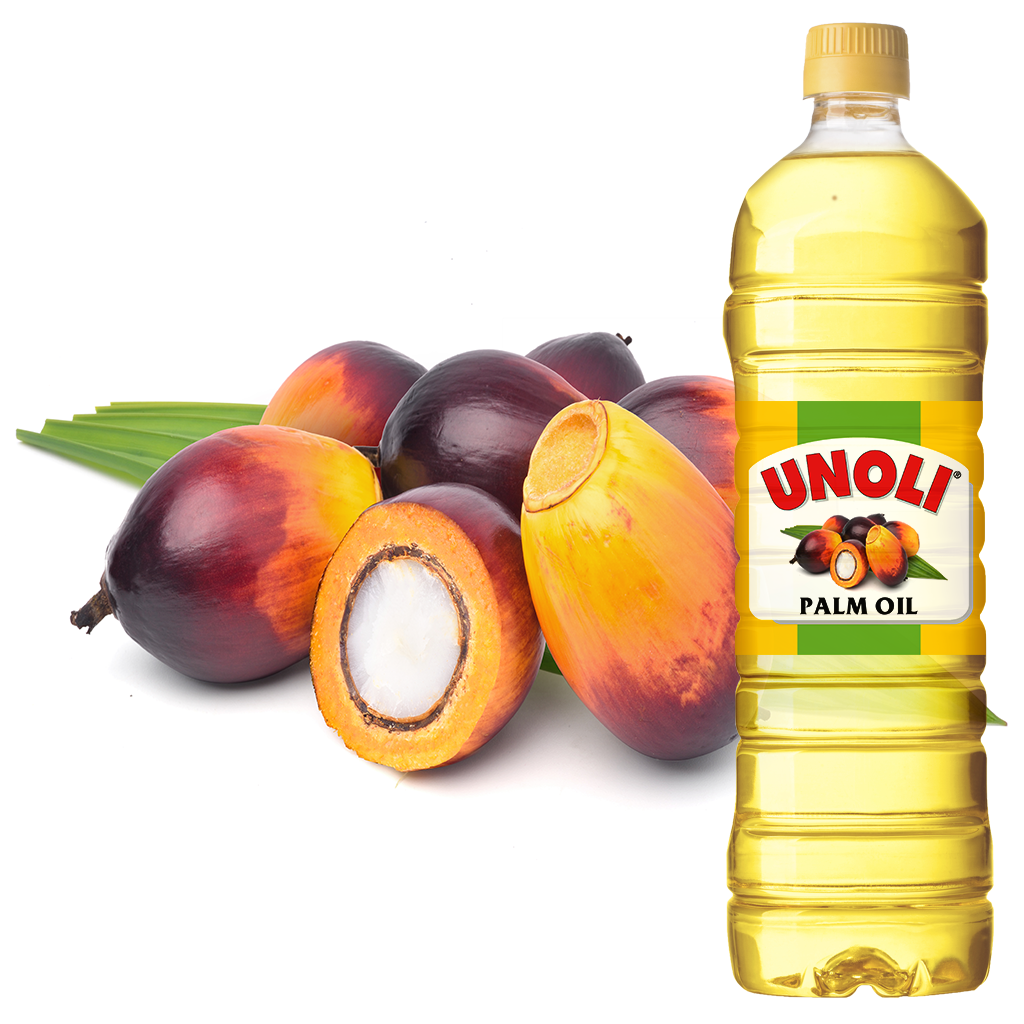
Educating the Consumer: Brand Loyalty Through Radical Honesty
Ultimately, the most successful brands of the future will be those that treat their customers as partners in the sustainability journey. The question of “what is palm oil in” will eventually be replaced by “how is this brand making the world better?”
Brand loyalty is no longer built solely on the product’s performance; it is built on shared values. Brands that acknowledge the difficulty of removing palm oil—due to its efficiency and the potential negative impact of switching to even more land-intensive crops like soy—engage in “nuanced branding.” By educating consumers on the complexities of the global fats and oils market, brands move away from being mere vendors and become thought leaders.
In conclusion, palm oil is far more than a ubiquitous ingredient; it is a litmus test for a brand’s resilience, honesty, and strategic vision. Whether a company chooses to lead through RSPO certification, innovate with synthetic alternatives, or build a brand around radical transparency, the management of palm oil will remain a cornerstone of corporate identity for years to come. In the modern economy, what is in your product matters just as much as the logo on the front.
aViewFromTheCave is a participant in the Amazon Services LLC Associates Program, an affiliate advertising program designed to provide a means for sites to earn advertising fees by advertising and linking to Amazon.com. Amazon, the Amazon logo, AmazonSupply, and the AmazonSupply logo are trademarks of Amazon.com, Inc. or its affiliates. As an Amazon Associate we earn affiliate commissions from qualifying purchases.