
Understanding the precise trading price of a dynamic stock like Palantir Technologies (NYSE: PLTR) requires real-time data, which fluctuates minute by minute. However, analyzing “what Palantir is trading at” extends far beyond a mere numerical quote; it involves a deep dive into its market valuation, underlying business fundamentals, investor sentiment, and broader economic forces. For investors, evaluating PLTR’s trading position means assessing its current market standing within the context of its growth potential, profitability, and competitive landscape.
Navigating Palantir’s Stock Performance: A Snapshot
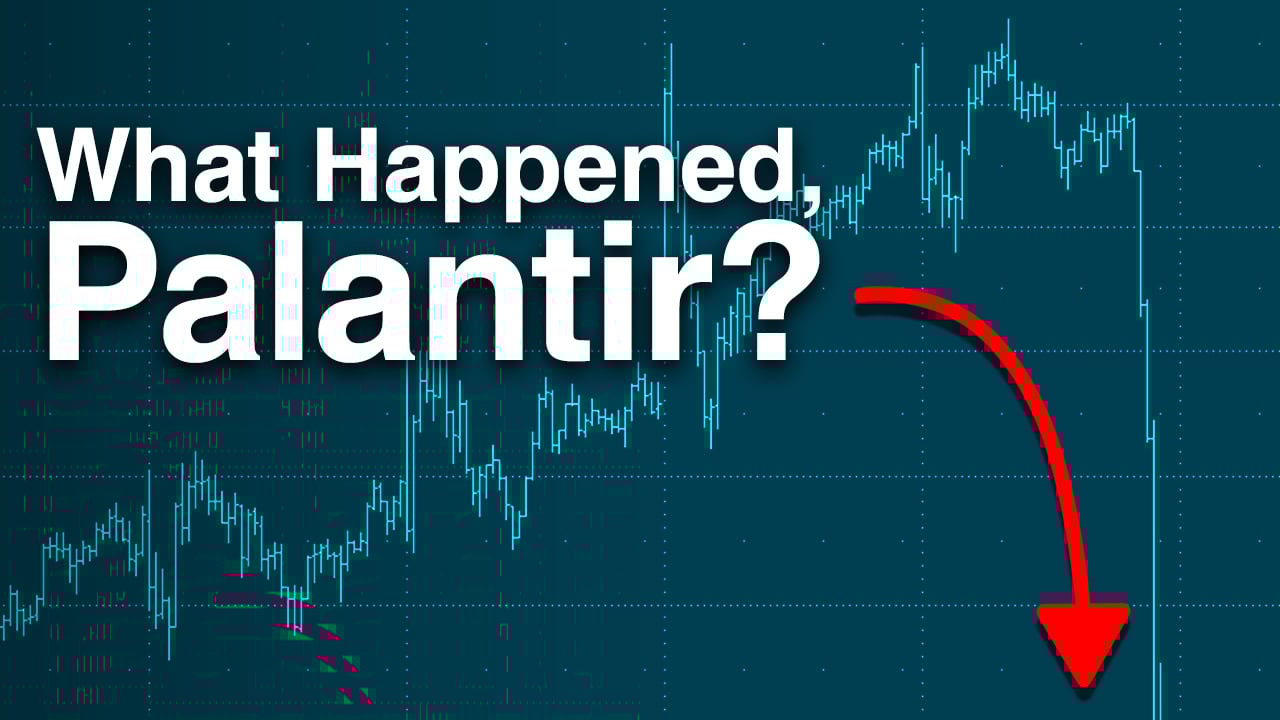
Palantir’s stock journey since its direct listing in September 2020 has been characterized by significant volatility, reflecting its status as a high-growth, often controversial, technology company with a unique business model. Its trading price is a function of countless inputs, from daily market sentiment to long-term strategic announcements.
Understanding the Current Trading Range
When investors ask about Palantir’s trading price, they are often looking for its current share value, but also its recent trading range—highs and lows over a day, week, month, or year. This range provides context, indicating the volatility and market’s immediate perception of its value. A stock trading near its yearly high might suggest strong positive momentum or overvaluation, while trading near its low could signal a buying opportunity or fundamental concerns. For Palantir, its price action frequently reflects shifts in investor enthusiasm for growth stocks, particularly those with significant government contracts and exposure to nascent technologies like AI. Monitoring volume, bid-ask spreads, and intraday charts offers further clues into the liquidity and immediate demand for the stock. Technical analysis, examining patterns and indicators, often complements fundamental analysis in understanding these short-term movements, helping investors identify potential support and resistance levels.
Key Indicators Beyond the Price Tag
The trading price itself is just one piece of the puzzle. Savvy investors look at a suite of financial indicators to truly understand a stock’s health and potential. For Palantir, these include:
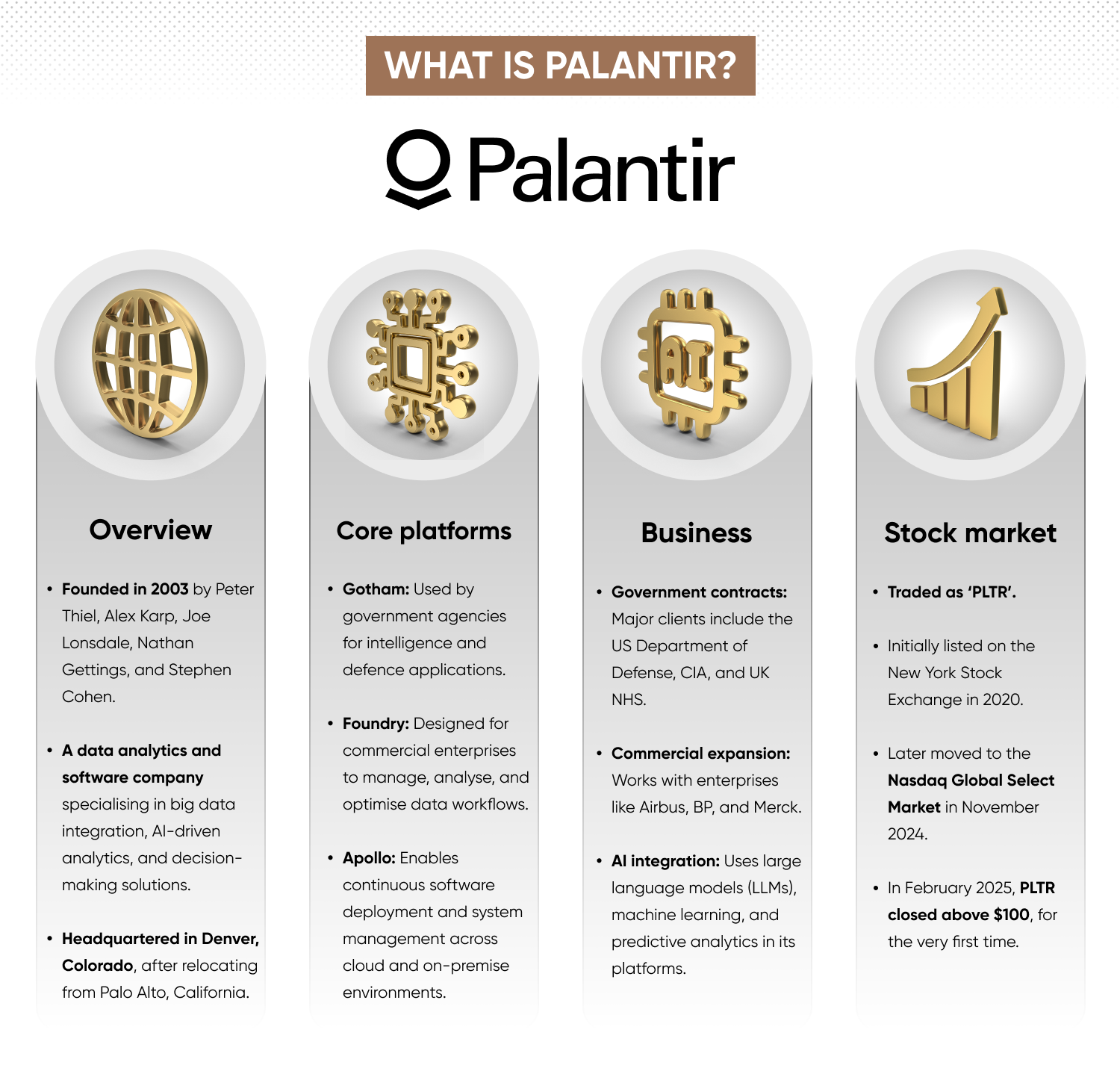
- Market Capitalization: This tells you the total value of the company’s outstanding shares. Given Palantir’s innovative, data-centric platforms (Foundry for commercial and Gotham for government), its market cap often reflects investor belief in its future dominance in big data analytics and AI.
- Price-to-Earnings (P/E) Ratio: While Palantir has had periods of unprofitability on a GAAP basis, recent quarters have shown a consistent positive trend. A high P/E ratio, common for growth stocks, indicates investors are willing to pay more for future earnings growth. If a company like Palantir consistently improves its GAAP profitability, its P/E ratio becomes a more relevant metric for comparison against peers.
- Price-to-Sales (P/S) Ratio: Often more pertinent for high-growth companies not yet consistently profitable, P/S compares the company’s market cap to its total revenue. Palantir’s P/S ratio can be significantly higher than mature companies, reflecting expectations of accelerating revenue growth.
- Enterprise Value (EV) to Sales/EBITDA: EV provides a more comprehensive valuation by including debt and subtracting cash, offering a clearer picture of the company’s intrinsic value, especially when compared to sales or earnings before interest, taxes, depreciation, and amortization.
- Cash Flow from Operations: Positive and growing cash flow is crucial, demonstrating the company’s ability to generate cash from its core business, which is vital for reinvestment and financial stability. Palantir’s ability to generate substantial free cash flow has been a positive highlight for many investors.
Factors Influencing Daily Fluctuations
Palantir’s daily trading price is a confluence of micro and macro factors. Micro factors include company-specific news such as new contract wins (especially large government deals), earnings reports, analyst upgrades or downgrades, and executive comments. For instance, a major new contract with a federal agency or a significant commercial client can immediately boost investor confidence and push the stock higher. Conversely, weaker-than-expected earnings or a bearish analyst report can trigger sell-offs.
Macro factors encompass broader market trends, such as interest rate changes, inflation data, economic recessions or expansions, and shifts in investor sentiment towards technology or growth stocks. Geopolitical events can also play a role, given Palantir’s defense and intelligence sector ties. For example, periods of heightened geopolitical tension could potentially increase demand for its government platforms, influencing investor perception and, consequently, its trading price.
Decoding Palantir’s Valuation and Business Fundamentals
A deep understanding of Palantir’s business model is paramount to assessing its valuation. The company operates at the intersection of big data, artificial intelligence, and sophisticated software platforms, catering to both government and commercial entities.
Revenue Streams: Government vs. Commercial Growth
Palantir’s business historically relied heavily on government contracts, which provided stable, long-term revenue streams but sometimes drew criticism for their perceived exclusivity and moral implications. The “Gotham” platform, designed for defense and intelligence agencies, remains a significant revenue driver. These contracts are often large and multi-year, providing a degree of predictability to Palantir’s top line.
However, a key focus for Palantir and its investors has been the expansion of its commercial segment through its “Foundry” platform. Foundry helps enterprises manage, integrate, and analyze vast amounts of data to make better operational decisions. Growth in this segment is crucial for diversifying revenue, proving scalability beyond government reliance, and potentially unlocking higher valuation multiples typically associated with broader commercial software companies. Investors closely monitor the growth rates of both segments, paying particular attention to the pace of commercial customer acquisition and average revenue per customer (ARPU). Acceleration in commercial growth signals a successful market penetration strategy and a broader addressable market.
Profitability Metrics and Path to GAAP Profitability
Like many growth-oriented tech companies, Palantir was historically unprofitable on a GAAP basis, prioritizing aggressive investment in R&D and sales to fuel expansion. However, a significant shift in recent periods has seen Palantir achieve and sustain GAAP profitability. This transition is a critical milestone, moving the company from speculative growth to a more mature operational footing, capable of generating genuine earnings.
Key profitability metrics to track include:
- Gross Margin: This indicates the efficiency of its core software delivery. High gross margins (often exceeding 70-80% for software companies) are desirable, signaling strong pricing power and cost-effective operations. Palantir generally boasts robust gross margins.
- Operating Expenses: Sales & Marketing, R&D, and General & Administrative (G&A) expenses are crucial. Investors look for operating leverage, meaning revenue grows faster than operating expenses over time, leading to expanding operating margins.
- Net Income (GAAP vs. Non-GAAP): While non-GAAP net income (which often excludes stock-based compensation, a significant expense for tech companies) provides insight into operational profitability, achieving consistent GAAP net income demonstrates true financial health and enhances credibility among a wider investor base. Sustained GAAP profitability can lead to Palantir being included in indices and attracting more traditional institutional investors.
The Intangibles: Moats and Competitive Edge
Palantir’s valuation also reflects its competitive moats—the structural advantages that protect its market share and profitability. These include:
- Proprietary Technology: Its platforms, Gotham and Foundry, are highly sophisticated and reportedly difficult to replicate. The immense investment in R&D and years of experience dealing with complex data challenges create a significant barrier to entry.
- Deep Customer Integration: Palantir’s software often becomes deeply embedded in its clients’ operations, making it extremely “sticky.” The cost and complexity of switching to an alternative solution are high, creating recurring revenue and long-term relationships.
- Data Network Effects: As more data flows into Palantir’s platforms and more users interact with them, the systems become “smarter” and more valuable, creating a virtuous cycle that enhances its competitive position.
- Security and Trust: Particularly in the government sector, Palantir has built a reputation for handling highly sensitive data securely and reliably, a critical differentiator.
Investor Sentiment, Market Perceptions, and Future Outlook
Investor perception is a powerful force in determining where Palantir is trading. Beyond the raw numbers, the market’s collective belief about its future prospects, leadership, and ethical standing heavily influences its valuation.
Analyst Consensus and Institutional Ownership
Wall Street analysts frequently cover Palantir, providing price targets, buy/hold/sell ratings, and detailed reports. While individual investors should conduct their own due diligence, analyst consensus can indicate prevailing market sentiment. A strong “buy” consensus with rising price targets often correlates with positive stock performance, while downgrades can put pressure on the price.
Institutional ownership—the percentage of shares held by large funds, pension funds, and asset managers—is another key indicator. High institutional ownership suggests confidence from professional money managers, though it can also lead to increased volatility if large funds decide to rebalance their portfolios. Palantir’s direct listing allowed for a diverse ownership base from the outset, and its institutional holdings are closely watched for signs of long-term commitment.
The Impact of Macroeconomic Trends and Sector Dynamics
Palantir, despite its unique position, is not immune to broader market forces. As a growth stock, it can be particularly sensitive to:
- Interest Rate Environment: Higher interest rates tend to discount the value of future earnings more heavily, often negatively impacting valuations of growth stocks that are expected to generate significant profits far into the future.
- Economic Growth: A strong economy can fuel demand for enterprise software and government spending, benefiting Palantir. Conversely, economic slowdowns can lead to reduced IT budgets or delayed government projects.
- Technological Hype Cycles: Palantir’s association with AI and big data means it can benefit from excitement around these technologies, but also suffer during periods of skepticism or “tech busts.” The current AI boom, for instance, has generated significant tailwinds for Palantir, given its long-standing expertise in this domain.
- Regulatory Environment: Given its government contracts and data-intensive operations, changes in data privacy regulations or government contracting policies could impact its business.
Long-Term Growth Trajectories and Potential Headwinds
Palantir’s long-term trading potential hinges on its ability to execute its strategic vision. Key growth drivers include:
- AI Adoption: The increasing enterprise and government adoption of AI and machine learning tools represents a massive addressable market for Palantir’s platforms.
- International Expansion: Expanding its commercial and government footprint globally offers significant untapped potential.
- New Product Development: Continuous innovation and the introduction of new features or platforms can open new revenue streams.
However, potential headwinds exist:
- Competition: The data analytics and AI market is competitive, with established tech giants and nimble startups vying for market share.
- Customer Concentration: While diversifying, reliance on a few large government or commercial clients could pose risks if those contracts are not renewed.
- Talent Acquisition: Attracting and retaining top engineering and sales talent in a competitive tech landscape is an ongoing challenge.
- Ethical Concerns: Palantir’s work with intelligence agencies and its data collection practices have sometimes raised ethical questions, potentially impacting public perception and commercial appeal.
Strategic Considerations for Prospective Investors
For those considering an investment in Palantir, understanding “what it’s trading at” requires a holistic perspective that integrates its current valuation with its long-term potential and inherent risks.
Risk Assessment and Volatility Management
Palantir remains a volatile stock, characteristic of a high-growth, innovative technology company. Investors should be prepared for significant price swings. Risk assessment involves understanding the potential for both substantial gains and losses. Factors such as a high beta (a measure of a stock’s volatility relative to the market) indicate that PLTR may move more dramatically than the broader market. It’s crucial for investors to assess their personal risk tolerance and investment horizon before committing capital. Diversifying one’s portfolio beyond a single volatile stock is a fundamental risk management strategy.
Diversification and Portfolio Fit
Palantir’s unique business model and growth profile mean it could serve different roles within an investment portfolio. For some, it might be a high-growth allocation; for others, a speculative play on the future of AI and data intelligence. It’s essential to consider how an investment in PLTR fits into a broader diversified portfolio, balancing growth potential with more stable assets. Overweighting any single volatile stock can expose a portfolio to undue risk. For example, if an investor already has significant exposure to the technology sector, adding Palantir might increase sector-specific risk without providing adequate diversification benefits.
The Long View: Growth vs. Value Investment Thesis
Palantir typically appeals to growth investors who are willing to pay a premium for future earnings and market leadership. The investment thesis often revolves around its disruptive technology, expanding addressable market, and ability to capture significant market share in critical sectors. While recent GAAP profitability hints at a potential pivot towards becoming a “growth at a reasonable price” (GARP) stock, its valuation multiples often still reflect strong growth expectations. Value investors, who typically seek undervalued assets based on current earnings or assets, might find its metrics challenging, though its free cash flow generation and sticky customer base could appeal to some.
Ultimately, evaluating “what Palantir is trading at” is an ongoing exercise in financial analysis, market interpretation, and strategic foresight. It requires staying informed about company developments, industry trends, and macroeconomic shifts, all while aligning investment decisions with personal financial goals and risk tolerance.
aViewFromTheCave is a participant in the Amazon Services LLC Associates Program, an affiliate advertising program designed to provide a means for sites to earn advertising fees by advertising and linking to Amazon.com. Amazon, the Amazon logo, AmazonSupply, and the AmazonSupply logo are trademarks of Amazon.com, Inc. or its affiliates. As an Amazon Associate we earn affiliate commissions from qualifying purchases.